Complete Guide to Kōtoku-ji Temple (Ashikaga City, Tochigi Prefecture) | History, Goshuin (Temple Seal), and Access Information
Kōtoku-ji Temple, located in Sugata-cho, Ashikaga City, Tochigi Prefecture, is a Rinzai Zen temple of the Myōshin-ji school with ties to the Ashikaga clan. Founded by Ashikaga Yoshikane, this ancient temple boasts a history dating back to the Kamakura period and is known for its tranquil grounds and valuable cultural assets. This article provides a detailed explanation of everything you need to know before visiting Kōtoku-ji Temple, including its history, goshuin (temple seal), highlights of the grounds, and access information.
About Kōtoku-ji Temple
Kōtoku-ji Temple is a Rinzai Zen temple of the Myōshin-ji school located at 892 Sugata-cho, Ashikaga City, Tochigi Prefecture. Its mountain name is Kanda-zan, and its principal image is Amida Buddha. While many temples in Ashikaga City are associated with the Ashikaga clan, Kōtoku-ji Temple is one of them, preserving the region’s history to this day.
Sect and Principal Image
Kōtoku-ji Temple is a Zen Buddhist temple belonging to the Myōshin-ji branch of the Rinzai school. It enshrines Amida Buddha as its principal image and has been cherished by local people as a place of worship for those wishing to attain rebirth in the Pure Land. The Rinzai school is a branch of Zen Buddhism introduced to Japan by Eisai during the Kamakura period, and due to its strong ties with the samurai class, it also has deep connections with the Ashikaga clan.
Relationship with the Ashikaga Clan
Kōtoku-ji Temple is said to have been founded by Ashikaga Yoshikane. Ashikaga Yoshikane was a samurai who was active from the late Heian period to the early Kamakura period and greatly contributed to the development of the Ashikaga clan. Yoshikane served as a close confidant of Minamoto no Yoritomo and played a crucial role in the establishment of the Kamakura Shogunate.
Within Ashikaga City, there is Banna-ji Temple, also said to have been founded by Yoshikane, and it is designated a National Treasure as the Ashikaga clan’s family temple. Similarly, Kōtoku-ji Temple also had deep ties with the Ashikaga clan and has a long history as a temple that attracted the faith of samurai families.
History of Kōtoku-ji Temple
Kōtoku-ji Temple’s founding dates back to the Kamakura period. It is said to have been founded by Ashikaga Yoshikane and developed alongside the expansion of the Ashikaga clan’s power. While detailed records of the founding priest are lacking, it is believed to have been established by a high-ranking priest of the Rinzai sect.
From the Kamakura to the Muromachi Period
During the Kamakura period, Kōtoku-ji Temple flourished as a center of local faith under the patronage of the Ashikaga clan. The Ashikaga clan later became a prestigious samurai family that established the Muromachi Shogunate, and Kōtoku-ji Temple is thought to have played an important role in laying its foundation.
Entering the Muromachi period, the Ashikaga clan stood at the center of Japanese politics as the shogunate family. During this period, many temples were built around Ashikaga City, and Buddhist culture blossomed. Kōtoku-ji Temple also benefited from this cultural prosperity, solidifying its foundation as a temple.
Changes Since the Meiji Era
During the Meiji era, despite the impact of the anti-Buddhist movement, Kōtoku-ji Temple continued to protect the local faith. While many temples faced difficulties due to the Meiji government’s decree separating Shinto and Buddhism, Kōtoku-ji Temple was able to survive thanks to the support of the local people.
Even after the Meiji era, Kōtoku-ji Temple has cherished its ties with the local community and has continued to uphold its Buddhist traditions to this day. Historic buildings and stone structures remain on the temple grounds, conveying the atmosphere of the past to visitors.
Temple Grounds and Cultural Properties
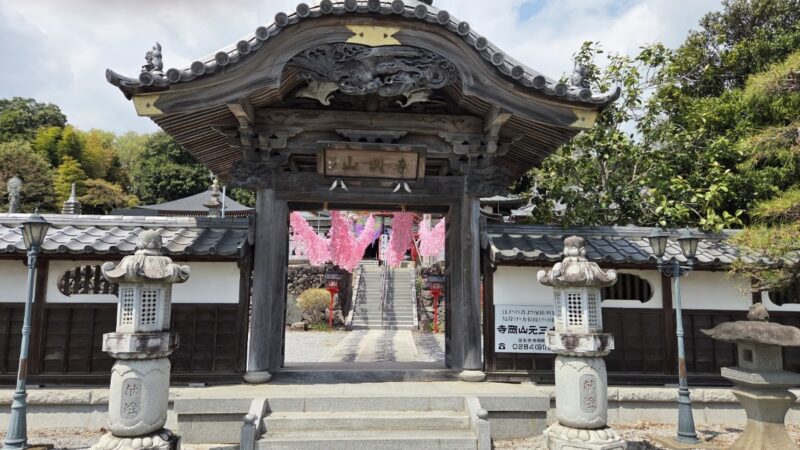
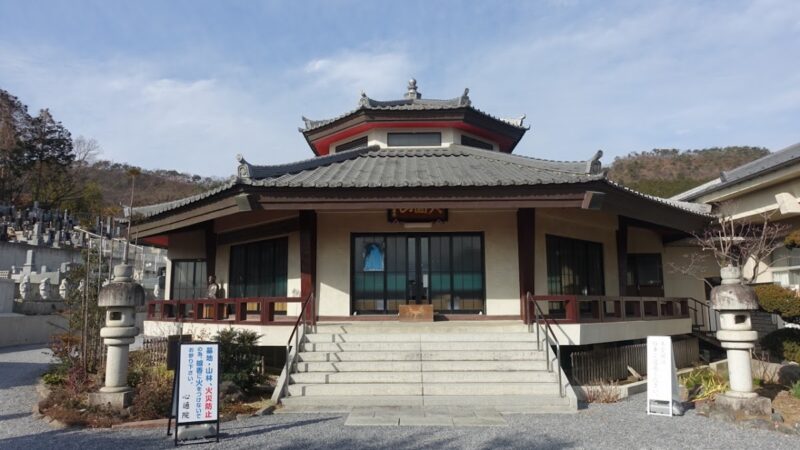
The grounds of Kōtoku-ji Temple are enveloped in a quiet and peaceful atmosphere, offering peace of mind to visitors. Upon passing through the main gate, various buildings, including the main hall, are arranged, creating an impressive, simple, and dignified appearance characteristic of a Zen temple.
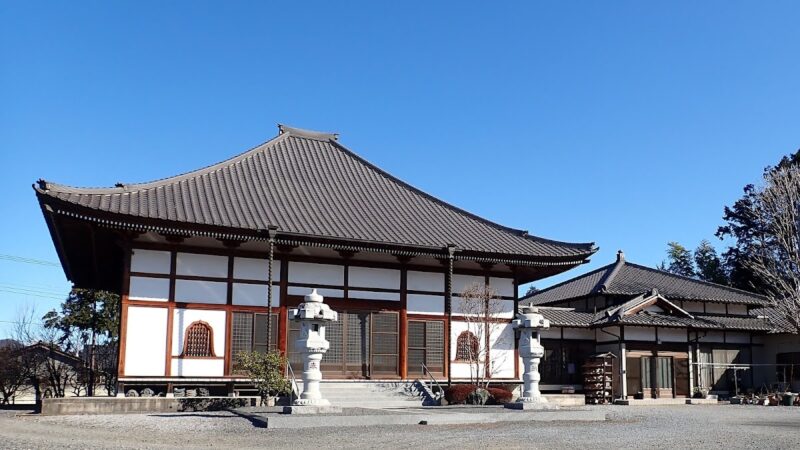
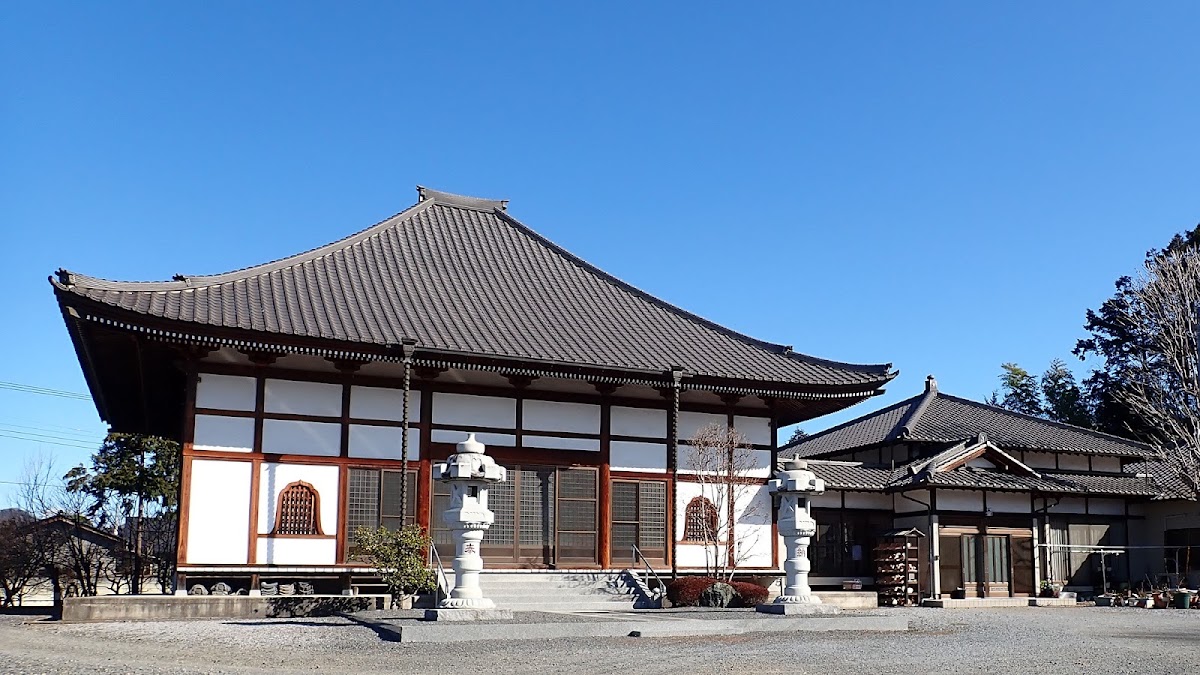
Main Hall
The main hall of Kōtoku-ji Temple is the central building, enshrining Amida Buddha as the principal image. Daily services and religious ceremonies are held inside the main hall, allowing worshippers to quietly offer their prayers. The main hall’s architectural style exhibits characteristics of Zen Buddhist temples, creating a simple yet solemn atmosphere.
Inside the main hall, in addition to the principal image of Amida Buddha, memorial tablets and records of successive chief priests are enshrined, telling the story of the temple’s long history. When visiting, it is recommended to quietly clasp your hands together and pray with a calm mind.
The Seated Dainichi Nyorai Statue and the Legend of Unkei
Kōtoku-ji Temple possesses a seated statue of Dainichi Nyorai, which is traditionally attributed to Unkei. Unkei was a leading Buddhist sculptor of the Kamakura period, known for creating the Kongo Rikishi statues at the South Gate of Tōdai-ji Temple. While many Buddhist statues throughout Japan are attributed to Unkei, most are based on later traditions.
Although there are no definitive records regarding the actual creator or date of the Dainichi Nyorai statue at Kōtoku-ji Temple, it is a valuable Buddhist statue with Kamakura-period style and is carefully preserved as a regional cultural asset. Dainichi Nyorai is the supreme Buddha in Esoteric Buddhism and is considered to embody the very truth of the universe.
Stone Structures on the Temple Grounds
The temple grounds are dotted with stone structures that evoke a sense of history. Many of the stone lanterns and memorial towers were donated during the Edo and Meiji periods, conveying the state of faith at that time. These stone structures are also evidence of the support that the local people have provided to Kōtoku-ji Temple for generations.
As you stroll through the temple grounds, you can enjoy the changing scenery of nature throughout the seasons. Cherry blossoms bloom in spring, and autumn leaves color the grounds. One of the charms of Kōtoku-ji Temple is that you can visit and pray in a peaceful environment.
Goshuin (Temple Seals) and Goshuincho (Stamp Books)
You can receive a goshuin (temple seal) at Kōtoku-ji Temple. While collecting goshuin has become a popular hobby in recent years, goshuin are originally given as proof of worship. When visiting Kōtoku-ji Temple, it is customary to first pray at the main hall before receiving a goshuin.
Details of the Goshuin (Temple Seal)
The Goshuin at Kōtoku-ji Temple features the temple’s name, “Kōtoku-ji,” written in ink, along with the temple’s seal. While some temples change their Goshuin designs monthly, Kōtoku-ji Temple generally issues the same design each month. The calligraphy is strong and powerful, conveying a dignified atmosphere befitting a Zen temple.
It is customary to bring your Goshuincho (stamp book) when receiving a Goshuin. Even if you don’t have a Goshuincho, you may be able to receive a pre-printed Goshuin; please inquire at the temple office.
Points to Note When Receiving a Goshuin (Temple Stamp)
When receiving a Goshuin, please note the following:
- First, pray at the main hall before receiving the Goshuin.
- Check the temple office’s reception hours (generally 9:00 AM to 4:00 PM).
- Prepare approximately 300-500 yen for the Goshuin fee.
- You may not be able to receive a Goshuin if the head priest is absent.
- Understand that the Goshuin is proof of your visit, not a stamp rally item.
Kōtoku-ji Temple is not a large temple, so it is recommended to call ahead to confirm before visiting.
Annual Events and Prayers
Kōtoku-ji Temple holds various Buddhist services and events throughout the year. Seasonal Buddhist rituals are carefully observed, primarily by local parishioners.
Main Annual Events
The main annual events held at Kōtoku-ji Temple include the following:
- Shūshō-e: A Buddhist service to welcome the New Year and pray for peace throughout the year.
- Spring and Autumn Equinox Services: Buddhist services for ancestors.
- Obon Service: Welcoming the spirits of ancestors during the Obon festival.
- New Year’s Eve Bell Ringing: Ringing a bell on New Year’s Eve to dispel the 108 worldly desires.
These events are often held for temple parishioners, but general visitors may also be able to participate. Please contact the temple directly for details.
Prayers and Memorial Services
Kōtoku-ji Temple accepts various prayers and memorial services:
- Ancestor memorial services and perpetual memorial services
- Memorial services for stillborn babies
- Prayer for family safety
- Prayer for protection against misfortune
- Prayer for traffic safety
Those wishing to request these prayers or memorial services must contact the temple office in advance to discuss the date and time. Prayers can also be offered during the monthly regular memorial services.
Basic Information about Kōtoku-ji Temple
This is a summary of the basic information you will need when visiting Kōtoku-ji Temple.
Location and Contact Information
- Address: 892 Sugata-cho, Ashikaga City, Tochigi Prefecture 326-0338
- Phone: Please inquire at the temple office
- Sect: Rinzai Zen Myoshin-ji School
- Principal Image: Amida Buddha
- Founder: Ashikaga Yoshikane
Visiting Hours and Admission Fee
- Visiting Hours: Grounds are freely accessible (Goshuin stamps are available from 9:00 AM to around 4:00 PM)
- Admission Fee: Free
- Parking: Available (several spaces)
Kōtoku-ji Temple is not a tourist temple, but a temple that functions as a place of worship for the local community. When visiting, please do so quietly and respectfully.
Access Information
This section provides detailed information on how to access Kōtoku-ji Temple using both public transportation and by car.
Access by Train and Bus
Using the JR Ryōmō Line
- Get off at Ashikaga Station on the JR Ryōmō Line
- Approximately 15 minutes by taxi
- Approximately 40 minutes on foot (approximately 3.5 km)
Using the Tōbu Isesaki Line
- Get off at Ashikaga-shi Station on the Tōbu Isesaki Line
- Approximately 15 minutes by taxi
- Approximately 40 minutes on foot (approximately 3.5 km)
Kōtoku-ji Temple is located a little distance from the city center, so using a taxi is convenient if you are using public transportation. There are no bus routes nearby, so walking would involve a considerable distance.
Access by Car
Using the Kita-Kanto Expressway
- Approximately 1 minute (approx. 500m) from the Ashikaga IC on the Kita-Kanto Expressway
- Easily accessible along National Route 293
Using the Tohoku Expressway
- Approximately 30 minutes from the Sano-Fujioka IC on the Tohoku Expressway
- Via National Route 50 to Ashikaga city center
Access by car is very convenient, as the temple is located right off the Ashikaga IC on the Kita-Kanto Expressway. There are several parking spaces on the temple grounds, but please note that it may be crowded during religious services.
Car Navigation Settings
When searching with a car navigation system, please search for “Kōtoku-ji Temple” or the address “892 Sugata-cho, Ashikaga City, Tochigi Prefecture”. Phone number search is also possible, but it is recommended to confirm with the temple in advance.
Nearby Tourist Attractions
When visiting Kōtoku-ji Temple, we recommend also visiting other tourist attractions in Ashikaga City.
Bannaji Temple
Bannaji Temple, known as the family temple of the Ashikaga clan, is a renowned temple possessing many cultural assets, including its main hall which is designated a National Treasure. Like Kōtokuji Temple, it is said to have been founded by Ashikaga Yoshikane, making it an indispensable temple for understanding the history of the Ashikaga clan. It is located approximately 15 minutes by car from Kōtokuji Temple.
Ashikaga School
Known as the oldest school in Japan, Ashikaga School was an educational institution where many students studied from the Muromachi period to the Edo period. Currently, it is maintained as a historical site, and the original buildings have been restored. It is one of Ashikaga City’s representative tourist spots.
Orihime Shrine
Orihime Shrine, a symbolic landmark of Ashikaga City, is known as the god of matchmaking. From the shrine grounds, you can enjoy a panoramic view of Ashikaga city, and the view at sunset is particularly beautiful. The main hall, located at the top of 229 stone steps, is a beautiful vermilion-painted building.
Ashikaga Flower Park
Ashikaga Flower Park, known worldwide as a famous wisteria viewing spot, is particularly renowned for its magnificent wisteria blossoms from late April to early May. Illuminations are also held during the winter, making it a tourist attraction enjoyable throughout the year.
Points to Note When Visiting Kōtoku-ji Temple
Here are some helpful points to know when visiting Kōtoku-ji Temple.
Clothing and Belongings
Please dress appropriately for temple visits. While there are no strict regulations, it’s best to avoid revealing or overly flashy clothing. If you plan to receive a temple stamp (Goshuin), please bring your stamp book.
Photography
Photography is generally permitted within the temple grounds, but permission may be required to photograph the interior of the main hall or Buddha statues. It’s good manners to check before taking photos, or refrain from doing so if unsure. Also, please be considerate of other visitors.
Temple Visiting Etiquette
- Bow before entering the temple gate.
- Behave quietly within the temple grounds.
- Bow with clasped hands in prayer at the main hall.
- Set your mobile phone to silent mode.
- Take your trash with you.
Recommended Time to Visit
Kōtoku-ji Temple is open year-round, but the best times to visit are:
- Spring (late March to April): The temple grounds are vibrant with cherry blossoms.
- Autumn (November): The autumn leaves are beautiful, making the quiet grounds even more charming.
- New Year’s Visit (January 1st to 3rd): The temple is bustling with people coming to pray for the New Year.
Inquiries
For inquiries about Kōtoku-ji Temple, please contact the temple office directly. Prior contact is especially recommended in the following cases:
- If you wish to receive a Goshuin (temple stamp) (please confirm the presence or absence of the head priest)
- If you wish to request a memorial service or prayer
- If you wish to visit as a group
- If you wish to receive a detailed tour of the temple grounds
The temple office is generally open from 9:00 AM to 4:00 PM, but staff may be absent for memorial services, etc. If you wish to visit with certainty, it is recommended to confirm by phone in advance.
Summary
Kōtoku-ji Temple is a historic Rinzai Zen temple of the Myōshin-ji school, said to have been founded by Ashikaga Yoshikane. Located in the quiet environment of Sugata-cho, Ashikaga City, it has attracted local faith as a temple associated with the Ashikaga clan. The temple grounds include the main hall and other buildings, and cultural assets such as a seated statue of Dainichi Nyorai are also preserved.
Despite its convenient location, approximately 1 minute from the Ashikaga IC on the Kita-Kanto Expressway, it maintains a tranquil atmosphere, providing a peaceful environment for worship. Goshuin stamps are also available, so why not visit as part of a temple and shrine tour in Ashikaga City? Ashikaga City boasts numerous historically significant tourist attractions, including Banna-ji Temple and Ashikaga School. Visiting these surrounding sites in conjunction with your visit to Kōtoku-ji Temple will allow you to gain a deeper understanding of the history and culture of the Ashikaga clan.
When visiting, please observe proper temple etiquette and strive to pray quietly and with a calm mind. The history and tranquil atmosphere of Kōtoku-ji Temple will bring peace and reflection to visitors.