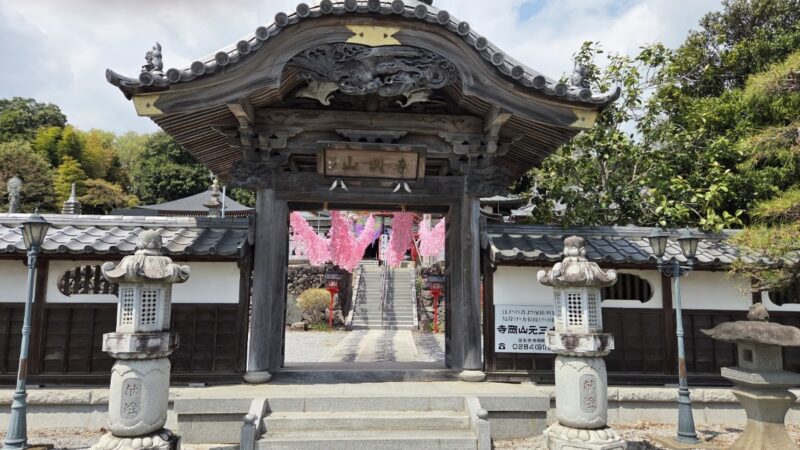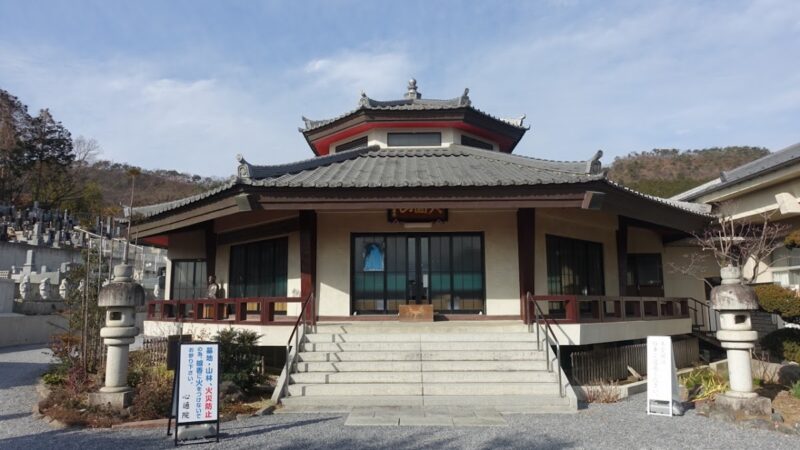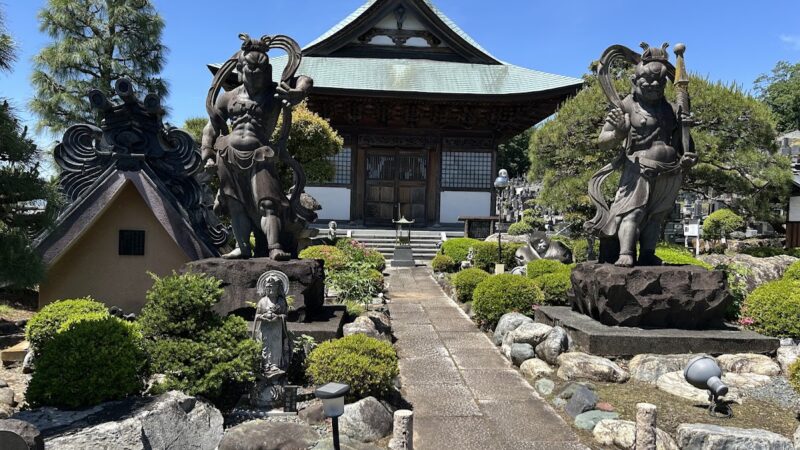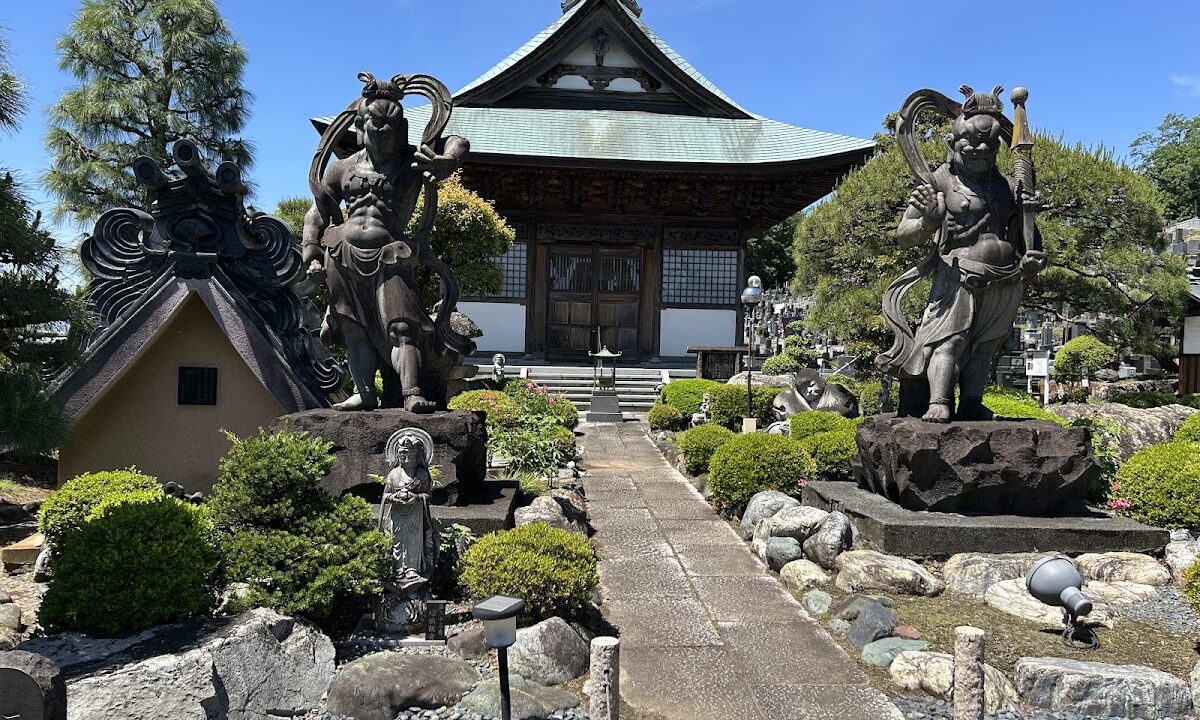
Jōnenji Temple (Ashikaga City, Tochigi Prefecture) Complete Guide | History, Goshuin (Temple Seal), Kofun (Ancient Burial Mound), and Access Information
Jōnenji Temple, located in Suketo-cho, Ashikaga City, Tochigi Prefecture, is a Sōtō Zen Buddhist temple founded during the Muromachi period. It is known as a temple where history and culture blend, characterized by its well-maintained temple grounds and the Suketo-yama No. 3 burial mound (a keyhole-shaped burial mound) located on the hillside behind the temple. This article provides a detailed introduction to Jōnenji Temple, including its history, highlights, goshuin (temple seal), and access information.
Basic Information on Jōnenji Temple
Jōnenji Temple is a Sōtō Zen Buddhist temple located in the Suketo district of Ashikaga City, Tochigi Prefecture, and its mountain name is Kōrō-san.
Temple Name: Jōnenji Temple
Mountain Name: Kosuizan
Sect: Sōtō Zen
Principal Image: Holy Kannon Bodhisattva
Chief Priest: Arai Nobuaki
Location: 3-1794 Suketo-machi, Ashikaga City, Tochigi Prefecture
Founded: Daiei 6 (1526)
Founding Monk: Muromachi period
History and Origins of Jōnenji Temple
Founded in the Muromachi Period
Jōnenji Temple was founded in Daiei 6 (1526) during the Muromachi period as “Eimei-an” in Suketo Nakamachi. This period marked the beginning of the Sengoku period (Warring States period), and many temples were built around Ashikaga City, the base of the Ashikaga clan.
Starting as Eimei-an, the temple later developed as a Sōtō Zen temple and was renamed Jōnenji Temple. The Soto Zen sect is a branch of Zen Buddhism founded by Zen Master Dogen, characterized by its emphasis on seated meditation (zazen).
Position in Ashikaga City
Ashikaga City is known as a “city of learning,” and is home to many historical buildings and temples, including Ashikaga School, the oldest school in Japan. Teinenji Temple is one of the temples supporting Ashikaga’s history and culture, and has attracted the faith of the local community.
The Suketo district has been inhabited since ancient times, as evidenced by the Suketoyama Kofun burial mounds on the hillside behind Teinenji Temple. Teinenji Temple plays an important role as a place that conveys the memory of the land from ancient times to the present day.
Teinenji Temple Grounds and Highlights
Main Hall
The main hall of Teinenji Temple is a magnificent building located in the center of the well-maintained temple grounds. It has a tranquil atmosphere typical of a Soto Zen temple, and houses the principal image, the Holy Kannon Bodhisattva.
The Holy Kannon Bodhisattva is considered the basic form of Kannon Bodhisattva and is worshipped as a compassionate Buddha who relieves people’s suffering. Within the main hall, quiet meditation and chanting are performed, and the spirit of Zen breathes life into the space.
Atmosphere of the Temple Grounds
The grounds of Teinenji Temple are well-maintained, offering a space where one can experience the beauty of nature throughout the seasons. In this tranquil atmosphere, visitors can find peace of mind.
Trees are planted throughout the grounds, and particularly during the seasons of fresh greenery in spring and autumn foliage, visitors can enjoy beautiful scenery. The quiet environment, far removed from the hustle and bustle of the city, is an ideal place for meditation and introspection.
Suketoyama No. 3 Tumulus (Ashikaga City Designated Cultural Property)
One of the most distinctive features of Teinenji Temple is Suketoyama No. 3 Tumulus, located on the hillside behind the temple. This tumulus is designated as an Ashikaga City Cultural Property and is preserved as a historical site of high historical value.
Characteristics of Suketoyama Tumulus No. 3:
- One of the 17 tumuli in the Suketoyama Tumulus Group
- The only keyhole-shaped tumulus
- Approximately 30 meters in length
- Construction period: Late 6th century
- A valuable remains from the late Kofun period
Keyhole-shaped tumuli are a representative tomb style of Japan’s Kofun period, constructed as the tombs of powerful figures. Suketoyama Tumulus No. 3 is the only keyhole-shaped tumulus in the Suketoyama Tumulus Group and is thought to be the tomb of a powerful figure who ruled this region.
The construction period, around the late 6th century, falls towards the end of the Kofun period, a time when the Asuka period was about to begin. The existence of this tumulus indicates that the ancient Suketo area was a politically and culturally important region.
The combination of a tumulus existing within temple grounds is unusual, creating a unique landscape that blends the history of the land, which has continued since ancient times, with Buddhist culture.
Goshuin Information
You can receive a Goshuin (temple stamp) at Teinenji Temple. Ashikaga City has many temples and shrines, and many visitors come to enjoy collecting Goshuin (temple/shrine stamps).
Characteristics of the Goshuin
The Goshuin of Teinenji Temple features calligraphy of the temple’s name and the principal image, the Holy Kannon Bodhisattva. It is characterized by a meticulous brushwork that reflects the spirit of Zen, typical of a Soto Zen temple.
When receiving a Goshuin, please speak to the priest in the main hall or living quarters after completing your prayers. While it is common to bring your own Goshuin book, pre-printed Goshuin may be available if you do not have one.
Goshuin Pilgrimage in Ashikaga City
Ashikaga City has many temples and shrines, including Bannaji Temple, Ashikaga Orihime Shrine, and Saishoji Temple. A Goshuin pilgrimage, including Teinenji Temple, will be a great opportunity to learn more about Ashikaga’s history and culture.
Access and Transportation Information
Access by Train
From JR Ryomo Line “Ashikaga Station”:
- Distance: Approx. 1.8km
- Walking: Approx. 12-15 minutes
- Taxi: Approx. 5 minutes
From Tobu Isesaki Line “Ashikaga-shi Station”:
- Distance: Approx. 2.5km
- Walking: Approx. 20 minutes
- Taxi: Approx. 7 minutes
From Tobu Isesaki Line “Tobu Izumi Station”:
- Distance: Approx. 2.0km
- Walking: Approx. 15 minutes
Access by Car
From Kita-Kanto Expressway “Ashikaga IC”:
- Distance: Approx. 5km
- Travel Time: Approx. 10 minutes
From Tohoku Expressway “Sano-Fujioka IC”:
- Distance: Approx. 20km
- Travel Time: Approx. 30 minutes
Parking
The temple has parking spaces for visitors, but it is recommended to check the details in advance. ### Nearby Tourist Attractions
The following are some of the tourist attractions near Teinenji Temple:
- Bannaji Temple: The family temple of the Ashikaga clan, with a main hall designated as a National Treasure
- Ashikaga School: Japan’s oldest school
- Ashikaga Orihime Shrine: Popular as a shrine for matchmaking
- Watarase River: Enjoy the beauty of nature throughout the seasons
About the Soto Zen School
The Soto Zen school, to which Teinenji Temple belongs, is a branch of Japanese Zen Buddhism, founded by Zen Master Dogen (1200-1253).
Characteristics of the Soto Zen School
Shikantaza: A practice that places the utmost importance on zazen, which means “simply sitting.” It is characterized by the teaching of “Shusho Itto” (the unity of practice and enlightenment), which states that zazen itself is the form of Buddha, rather than zazen being a means to attain enlightenment.
Head Temples: There are two head temples: Eiheiji Temple in Fukui Prefecture and Sojiji Temple in Kanagawa Prefecture.
Teachings: Based on the idea that all aspects of daily life are spiritual practice, everyday activities such as eating and cleaning are also considered important forms of training.
Etiquette for Visiting Soto Zen Temples
When visiting Teinenji Temple, please keep the following etiquette in mind:
- Bow at the temple gate before entering the grounds.
- Cleanse your hands and mouth at the water basin.
- Join your hands in prayer and bow in front of the main hall.
- Walk quietly around the temple grounds.
- When leaving, turn back to the temple gate and bow.
Memorial Services and Ceremonies at Teinenji Temple
Teinenji Temple holds various memorial services and ceremonies.
Funerals and Memorial Services
Funerals and memorial services can be conducted according to Soto Zen etiquette. We also handle annual memorial services such as the seventh day, forty-ninth day, first anniversary, and third anniversary.
Perpetual Memorial Service
In recent years, due to the declining birthrate, aging population, and the rise of nuclear families, more and more families are finding it difficult to pass on their family graves. Teinenji Temple accepts consultations regarding perpetual memorial services, and the temple will take responsibility for continuing the memorial services.
If you are considering a perpetual memorial service, we recommend contacting the temple in advance to confirm the costs and methods of memorial service in detail.
Points to Note When Visiting Teinenji Temple
Visiting Hours
Visiting the temple is generally recommended during daylight hours. It is best to avoid visiting early in the morning or after sunset.
Dress Code
There are no specific rules, but it is advisable to wear clean and subdued clothing, keeping in mind that the temple is a sacred place.
Photography
Photography is generally permitted within the temple grounds, but photography inside the main hall or of Buddha statues may be prohibited. We recommend checking before taking photos or taking them sparingly.
Visiting the Burial Mound
The Suketoyama No. 3 Burial Mound is a designated cultural property of Ashikaga City and a valuable historical site. When visiting, please be careful not to damage the mound or litter.
The History and Culture of Ashikaga City and Teinenji Temple
Ashikaga City is known as the birthplace of the Ashikaga clan, a branch of the Minamoto clan, and is also the birthplace of Ashikaga Takauji, who founded the Muromachi Shogunate.
The Ashikaga Clan and Buddhism
The Ashikaga clan were devout followers of Buddhism for generations and protected and built many temples. Teinenji Temple was founded in 1526 (Daiei 6), during the late Muromachi period. Although the Ashikaga clan’s influence was waning, many temples still existed in the Ashikaga region.
Ashikaga as a Textile Town
Ashikaga City has long flourished as a textile production center, and “Ashikaga Meisen” is known nationwide. The Suketo district, where Teinenji Temple is located, has deep ties to the textile industry, and many weavers lived there.
Temples have served as centers of faith for the local people, as well as community hubs. Teinenji Temple, too, has a long history closely intertwined with the lives of the people of Suketo.
The Four Seasons of Teinenji Temple
Spring
In spring, the trees on the temple grounds are enveloped in fresh greenery, offering a vibrant and lively landscape. During cherry blossom season, a visit combining the temple grounds with a stroll along the nearby Watarase River and the cherry blossom trees is highly recommended.
Summer
In summer, the greenery deepens, and the cool shade of the trees welcomes visitors. The sound of cicadas fills the temple grounds, evoking the atmosphere of summer.
Autumn
In autumn, the autumn leaves are beautiful, painting the temple grounds in shades of red and yellow. The hillside behind the temple, where ancient burial mounds are located, is also covered in autumn foliage, allowing visitors to enjoy a landscape where history and nature harmonize.
Winter
In winter, the temple grounds are enveloped in silence, offering a solemn atmosphere befitting a Zen temple. When it snows, a fantastical landscape unfolds, enveloped in a world of white.
Summary
Teinenji Temple is a historic Soto Zen temple founded during the Muromachi period. It is characterized by its well-maintained grounds and the Suketoyama No. 3 Tumulus, a keyhole-shaped burial mound.
Located in Ashikaga City, a region rich in history and culture, it possesses a unique charm where the ancient memories of the land and Buddhist culture blend seamlessly. You can also receive a Goshuin (temple stamp), making it a recommended stop as part of a temple and shrine tour in Ashikaga City.
It is easily accessible, approximately a 12-minute walk from Ashikaga Station on the JR Ryomo Line, and there are many other tourist attractions nearby, such as Bannaji Temple and Ashikaga School. When visiting Ashikaga City, be sure to stop by Teinenji Temple, find peace in its tranquil grounds, and experience the ancient heritage of the burial mound.
Why not spend some quiet time away from the hustle and bustle of modern life at Teinenji Temple, where the spirit of “Shikantaza” (just sitting) of the Soto Zen sect lives on?