Complete Guide to Shintsuin Temple (Ashikaga City, Tochigi Prefecture) | A Thorough Explanation of History, Goshuin (Temple Seal), Access, and Perpetual Memorial Services
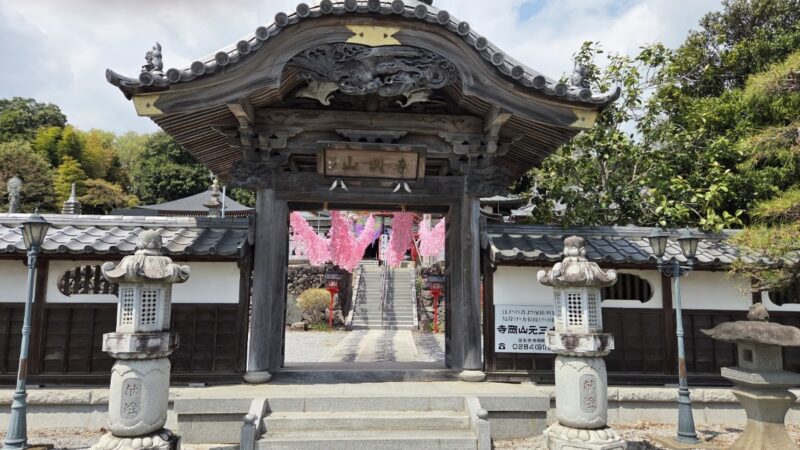
Located in Honjo, Ashikaga City, Tochigi Prefecture, Shintsuin is an ancient Soto Zen temple founded in 1566. As one of the temples on the Ashikaga Seven Lucky Gods pilgrimage, it enshrines Jurojin, the god of longevity, wealth, and good fortune, and is widely cherished by the local community. This article comprehensively introduces information you should know before visiting, including the history of Shintsuin, highlights of the temple grounds, goshuin (temple seal), perpetual memorial graves, and access methods.
What is Shintsuin? | A Historic Soto Zen Temple in Ashikaga City, Tochigi Prefecture
Shintsuin is a Soto Zen temple whose official name is Daienzan Shintsuin. Located at 1742 Honjo 1-chome, Ashikaga City, Tochigi Prefecture, it is approximately a 10-minute drive or a 30-minute walk from Ashikaga Station on the JR Ryomo Line and Ashikaga-shi Station on the Tobu Isesaki Line.
History and Founding of Shintsuin Temple
Shintsuin Temple was founded in Eiroku 9 (1566) by Masanaga, the fifth head of the Ashikaga Nagao clan, to commemorate his parents, Norinaga and his wife. The temple’s founding priest was Gakuei Soeki Daiohsho, the seventh abbot of Chorinji Temple in Nishinomiya Town, and for over 450 years since then, it has served as a center of local faith.
The Ashikaga Nagao clan was a samurai family that played an important role during the Sengoku period as a branch of the Ashikaga clan, and the Nagao Clan Cemetery, a city-designated important historical site, still exists on the grounds of Shintsuin Temple. This burial site is a valuable cultural asset that conveys the history of the Ashikaga Nagao clan, and is a place visited by many history enthusiasts.
Principal Image and Sect/Sect
The principal image of Shintsuin Temple is Shakyamuni Buddha. The Soto sect is a branch of Zen Buddhism that emphasizes self-reflection and attaining enlightenment through seated meditation. Shintsuin Temple bases its teachings on the spirit of altruistic action, which means “emptying oneself and serving others,” and values contribution to the local community and the peace of mind of believers.
Ashikaga Seven Lucky Gods Pilgrimage and Jurojin | Shintsuin Temple’s Faith
Shintsuin Temple is one of the temples and shrines on the Ashikaga Seven Lucky Gods Pilgrimage, and is visited by many worshippers. The Seven Lucky Gods Pilgrimage is a traditional Japanese religious event in which people pray for good fortune and prosperity by visiting seven temples and shrines.
Temples Dedicated to Jurōjin
At Shintsūin Temple, Jurōjin, one of the Seven Lucky Gods, is enshrined. Jurōjin is known as a god of fortune who brings longevity, wealth, and good fortune, and is generally depicted with a long white beard, a staff, and accompanied by a deer.
Jurōjin is a deity originating from Chinese Taoism, considered an incarnation of the South Star, and believed to bring longevity and happiness to people. Many visitors to Shintsūin Temple pray to Jurōjin for good health, longevity, and the happiness of their families.
Route of the Ashikaga Seven Lucky Gods Pilgrimage
The Ashikaga Seven Lucky Gods pilgrimage consists of a route visiting seven temples and shrines within Ashikaga City. Besides Shintsuin Temple, there are also Bannaji Temple (Daikokuten), Fukugonji Temple (Bishamonten), Nishinomiya Shrine (Ebisu), Jōnenji Temple (Hotei), Honjō Itsukushima Shrine (Benzaiten), and Saishōji Temple (Fukurokuju), each enshrining a different god of fortune.
The Seven Lucky Gods pilgrimage can be done on foot, by bicycle, or by car, and is a popular course where you can pray for good fortune while experiencing Ashikaga’s history and culture.
Highlights of the Temple Grounds | Safe Childbirth, Child-rearing, and Longevity Jizo and Dementia Prevention Kannon
Within the grounds of Shintsuin Temple, there are many Buddhist statues and historical sites that are objects of worship, in addition to Jurōjin.
Safe Childbirth, Child-rearing, and Longevity Jizo Bodhisattva
The temple grounds enshrine the Safe Childbirth, Child-rearing, and Longevity Jizo Bodhisattva, and many worshippers visit to pray for safe childbirth and the healthy growth of their children. Jizo Bodhisattva is widely worshipped as a protector of children, and the Jizo Bodhisattva at Shintsuin Temple is particularly revered by local pregnant women and families raising children.
Kannon Bodhisattva for Preventing Dementia
In today’s aging society, the Kannon Bodhisattva for preventing dementia at Shintsuin Temple is a source of comfort for many. Visitors praying for dementia prevention and good physical and mental health come to the temple, offering prayers to the Kannon Bodhisattva and seeking peace of mind.
Nagao Family Cemetery (City-Designated Important Historic Site)
Within the temple grounds is the Ashikaga City-Designated Important Historic Site, the Nagao Family Cemetery. This cemetery is a valuable historical site where the tombstones of successive heads and family members of the Ashikaga Nagao clan, who founded Shintsuin Temple, are lined up. As an important relic that conveys the samurai culture of the Sengoku period, it is attracting attention from history researchers and local history enthusiasts.
The cemetery is located in a quiet corner of the temple grounds, allowing visitors to quietly offer prayers while feeling the weight of history.
Atmosphere and Seasonal Scenery of the Temple Grounds
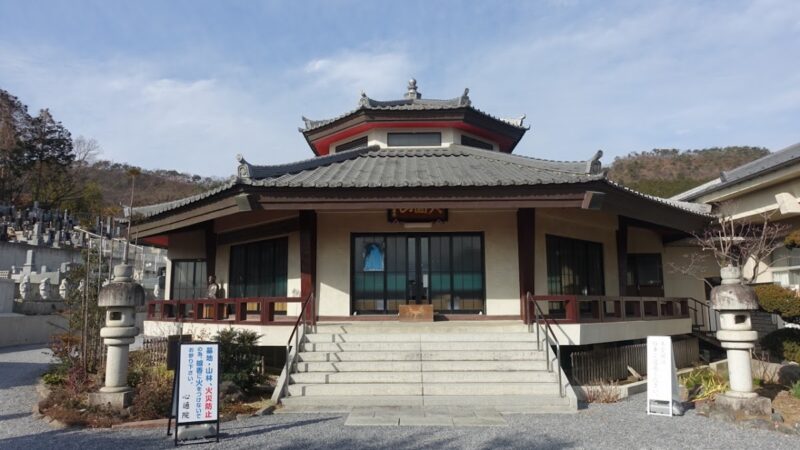
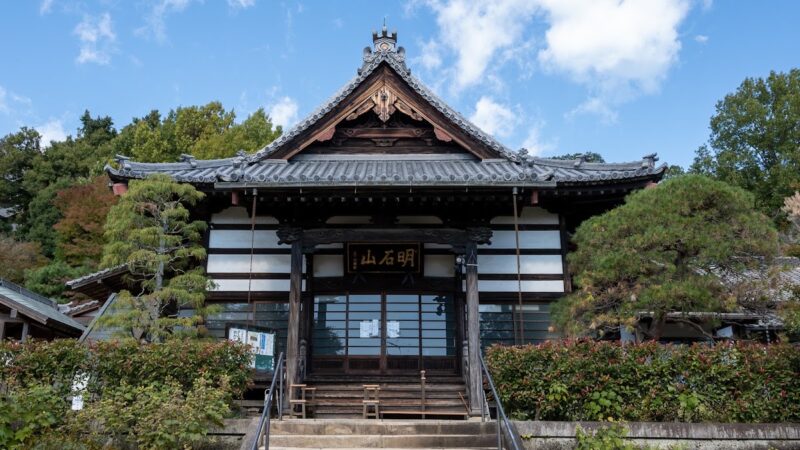
The grounds of Shintsuin Temple are a tranquil space enveloped in silence. In spring, cherry blossoms bloom; in early summer, fresh greenery; and in autumn, vibrant autumn leaves welcome visitors with the beauty of nature throughout the seasons. The temple buildings, including the main hall, living quarters, and bell tower, are neatly arranged, creating a Zen atmosphere characteristic of a Soto Zen temple.
Goshuin (Temple Seal) and Visiting Hours | Information for Visiting Shintsuin Temple
About Goshuin (Temple Seals)
You can receive a Goshuin at Shintsuin Temple. The Goshuin, stamped with the seal of Jurojin (one of the Seven Lucky Gods of Ashikaga), is a popular souvenir of the Ashikaga Seven Lucky Gods pilgrimage. Goshuin can be written directly into your Goshuincho (stamp book) as proof of your visit, or pre-printed Goshuin may be available.
When requesting a Goshuin, please speak to the temple office after completing your prayers. The offering fee (nosho-ryo) for a Goshuin (temple stamp) is generally around 300 to 500 yen.
Visiting Hours and Fees
Shintsuin Temple is generally open to visitors at any time during the day. However, if you wish to receive a Goshuin or require assistance at the temple office, the hours are generally from 9:00 AM to 5:00 PM. It is recommended to confirm by phone in advance.
There is no entrance fee, but please feel free to offer a donation or offering of your choice.
Contact Information
- Phone Number: 0284-41-3202
- Address: 1-1742 Honjo, Ashikaga City, Tochigi Prefecture 326-0808
For inquiries regarding visits and events, please contact the above phone number.
Information on Cemeteries and Perpetual Memorial Graves at Shintsuin Temple
Shintsuin Temple, as a temple deeply rooted in the community, manages the graves and perpetual memorial graves of its parishioners.
Information on Cemeteries
Shintsuin Temple has a general family cemetery, where graves passed down through generations of parishioners stand. The cemetery is adjacent to the temple grounds, providing a quiet and peaceful environment for remembering loved ones.
For those wishing to establish a new grave or who would like more detailed information about cemetery plots, please contact the temple office. They will provide a thorough explanation of plot availability, costs, and management methods.
Information on Perpetual Memorial Graves
In recent years, due to the declining birthrate, aging population, and the rise of nuclear families, interest in perpetual memorial graves has increased. Shintsuin Temple also accepts consultations regarding perpetual memorial graves, offering plans for perpetual memorial services for those without grave successors or those concerned about future grave maintenance.
Perpetual memorial graves have the advantage of reducing the burden on bereaved families, as the temple takes responsibility for management and memorial services. Since costs and contract details require individual consultation, please contact the temple office first.
Temple Membership Obligations and Religious Independence
At Shintsuin Temple, cemeteries and perpetual memorial graves generally have two policies: temple membership obligations and acceptance of people of any religion. Details depend on the temple’s policy, so it is important to confirm in advance. Those who sympathize with the teachings of the Soto Zen sect and wish to support the temple as temple members are also welcome.
About Funerals | Funeral and Memorial Services at Shintsuin Temple
Shintsuin Temple conducts funeral and memorial services for temple members. We provide funerals that respectfully send off the deceased and offer comfort to the bereaved family through ceremonies that adhere to the customs of the Soto Zen sect.
Funeral Process
Soto Zen funerals are positioned as a ceremony for the deceased to become a disciple of Buddha and embark on a journey to the world of Buddha. The entire process, from the wake, funeral service, cremation, and the first seven-day memorial service, is conducted solemnly under the guidance of the head priest.
Memorial Service Facilities and Dining Hall
Shintsuin Temple has a main hall for conducting memorial services and can accommodate post-funeral memorial services and annual memorial services. It is recommended to check with the temple office in advance regarding the availability and facilities of a dining hall.
Funeral Consultation and Estimates
Consultations and estimates regarding funerals are accepted at the temple office at any time. Even in the case of sudden news of a death, contacting the temple by phone first and consulting with the head priest or temple staff will allow you to proceed with funeral preparations smoothly.
Access | How to Get to Shintsuin Temple
Shintsuin Temple is accessible by both public transportation and private car.
Access by Train
- From JR Ryomo Line “Ashikaga Station”: Approximately 8 minutes by taxi, approximately 30 minutes on foot
- From Tobu Isesaki Line “Ashikaga-shi Station”: Approximately 10 minutes by taxi, approximately 30 minutes on foot
While city loop buses and rental bicycles are also available from the station, taxis are the most convenient.
Access by Car
- From Kita-Kanto Expressway “Ashikaga IC”: Approximately 10-15 minutes by car
The most common route is from central Ashikaga City via National Route 293 towards Honjo. Please enter “Shintsuin” or the address “1-1742 Honjo, Ashikaga City, Tochigi Prefecture” into your car navigation system.
Parking
Shintsuin has a parking lot for visitors. Spaces are limited, so early arrival is recommended, especially during peak seasons such as the Ashikaga Seven Lucky Gods pilgrimage or New Year’s.
About the Shuttle Bus
While a shuttle bus service is not provided for regular visits, it may be possible to arrange one for memorial services or group visits. Please contact the temple office for details.
Introduction to Shintsuin Temple Facilities | Temple Grounds and Accessibility
Main Facilities
- Main Hall: The central building housing the principal image of Shakyamuni Buddha
- Priest’s Quarters: The living quarters of the head priest and the temple office
- Bell Tower: The building where the temple bell is hung
- Cemetery: The burial grounds for parishioners and perpetual memorial graves
- Nagao Family Cemetery: A city-designated important historical site
Accessibility
Due to its historical significance, Shintsuin Temple’s grounds have some steps and gravel paths. Those wishing to visit in a wheelchair are advised to contact the temple office in advance to discuss assistance and routes.
Annual Events and Announcements at Shintsuuin Temple
Shintsuuin Temple holds various Buddhist and local events throughout the year.
Main Annual Events
- Shushōe: New Year’s memorial service
- Shunki Higane: Spring equinox memorial service
- Segakie: Summer ancestral memorial service
- Autumn Higane: Autumn equinox memorial service
- Kaisanki: Memorial service for the founding priest
These events may be open to general visitors as well as temple parishioners. Please contact the temple office for details.
How to Check Announcements
The latest information and announcements from Shintsuuin Temple can be found on the official website (https://www.shintsuuin.jp/). Information on event schedule changes and temporary closures is also posted, so we recommend checking before your visit.
Tourist Attractions Around Shintsuin Temple
When visiting Shintsuin Temple, combining your visit with a tour of other tourist attractions in Ashikaga City will make your trip even more fulfilling.
Bannaji Temple
Known as the family temple of the Ashikaga clan, this temple boasts a National Treasure main hall. It enshrines Daikokuten, one of the Ashikaga Seven Lucky Gods, and is a symbolic landmark of Ashikaga City.
Ashikaga School
A historical site known as Japan’s oldest school, where many Buddhist monks studied during the Edo period. Historical buildings such as the Confucius Temple and the study hall remain.
Orihime Shrine
A symbolic shrine of Ashikaga City, popular as a deity of matchmaking. From the shrine grounds, you can enjoy a panoramic view of Ashikaga city.
Ashikaga Flower Park
A popular theme park where you can enjoy wisteria and seasonal flowers. It is especially crowded with tourists during the wisteria season in spring.
Summary | Shintsuin Temple: A Temple Where Ashikaga’s History and Faith Breathe Life into It
Shintsuin Temple in Ashikaga City, Tochigi Prefecture, is an ancient Soto Zen temple that has supported the faith of the region for over 450 years since its founding in 1566. As a temple dedicated to Jurojin, one of the Ashikaga Seven Lucky Gods, it constantly attracts worshippers praying for longevity, wealth, and good fortune.
Within the temple grounds, statues of Jizo Bodhisattva for safe childbirth, child-rearing, and longevity, as well as Kannon Bodhisattva for warding off dementia, are enshrined, making it a place of worship that also meets modern needs. Furthermore, the Nagao family cemetery, a city-designated important historical site, is a valuable cultural asset that conveys the history of Ashikaga to the present day.
You can also consult about graves, perpetual memorial graves, funerals, and memorial services, making it a beloved temple deeply rooted in the community. When visiting Ashikaga, why not stop by Shintsuin Temple and find peace of mind in its tranquil space steeped in history and faith?
Address: 1-1742 Honjo, Ashikaga City, Tochigi Prefecture 326-0808
Phone: 0284-41-3202
Visiting Hours: Open to visitors at any time (Goshuin stamps available from 9:00 to 17:00)
Admission Fee: Free
Access: Approximately 10 minutes by car from JR Ashikaga Station or Tobu Ashikaga-shi Station; approximately 15 minutes by car from Ashikaga IC on the Kita-Kanto Expressway