Complete Guide to Koshōji Temple (Iruma City, Saitama Prefecture) | History, Goshuin (Temple Seal), and Access Information
Located in Busshi, Iruma City, Saitama Prefecture, Koshōji Temple is an ancient Soto Zen temple with a history of approximately 800 years. As the 21st temple on the Musashino Thirty-Three Kannon Pilgrimage and a center of local faith, it is beloved by many worshippers. This article provides a detailed introduction to Koshōji Temple, including its history, highlights, goshuin information, and access methods.
Basic Information on Koshōji Temple
Koshōji Temple is a Soto Zen temple located on the northern slope of the Kaji Hills in Iruma City, Saitama Prefecture.
Official Name: Suwa-san Manrei-in Koshōji
Mountain Name: Suwa-san
Temple Name: Manrei-in
Sect: Soto Zen
Principal Image: Kokuzo Bosatsu
Pilgrimage Site Principal Image: Sho Kannon Bosatsu
Address: 1511 Busshi, Iruma City, Saitama Prefecture 358-0053
Phone Number: 04-2968-8181
Pilgrimage Site: 21st of the Musashino Thirty-Three Kannon Pilgrimage, 69th of the Okutama New Shikoku Eighty-Eight Pilgrimage
History and Origin of Koshōji Temple
Founded in the Early Kamakura Period
The history of Koshōji Temple dates back to the Kenpo era (1213-1218) in the early Kamakura period. The temple was founded by Kaneko Yoichi Chikanori, also known as Kaneko Izunokami Chikanori, a samurai from Musashi Province.
Kaneko Chikanori was a powerful local lord who ruled the Kaji Hills area and is believed to have operated an iron-making business in the region at the time. His posthumous Buddhist name is “Kōshōji-dono Kansō Jōtetsu Daikoji,” and the temple’s name, “Kōshōji,” derives from this name.
Connection to Suwa Faith
The temple’s mountain name, “Suwayama,” originates from Kaneko Chikanori’s worship of Suwa deity as his guardian deity. The strong connection between Musashi samurai and Suwa faith is a historical characteristic of this region. Therefore, its official name is “Suwayama Manreiin Kōshōji.”
Restoration during the Daiei Era
After its founding, Kōshōji Temple was relocated to its current location during the Daiei era (1521-1528) by Abbot Kikuin Zuitan, the second head priest of Zuizen-in Temple, and was restored and re-established. It is believed that the foundation of the temple as it exists today was laid during this period.
Development during the Edo Period
During the Keian era (1648-1652), the temple received a shuinjō (official document granting land) of 4 koku from the Edo shogunate. This indicates its status as a temple officially recognized by the shogunate, demonstrating that Kōshōji Temple was recognized as an important religious facility in the region.
Highlights of Kōshōji Temple
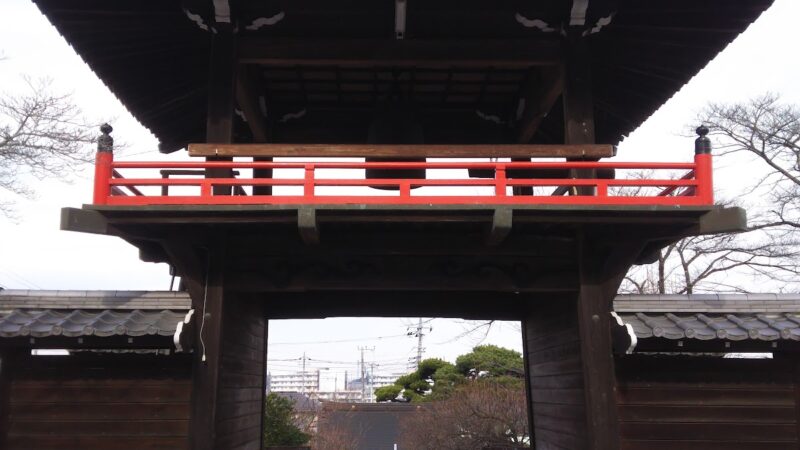
Bell Tower Gate
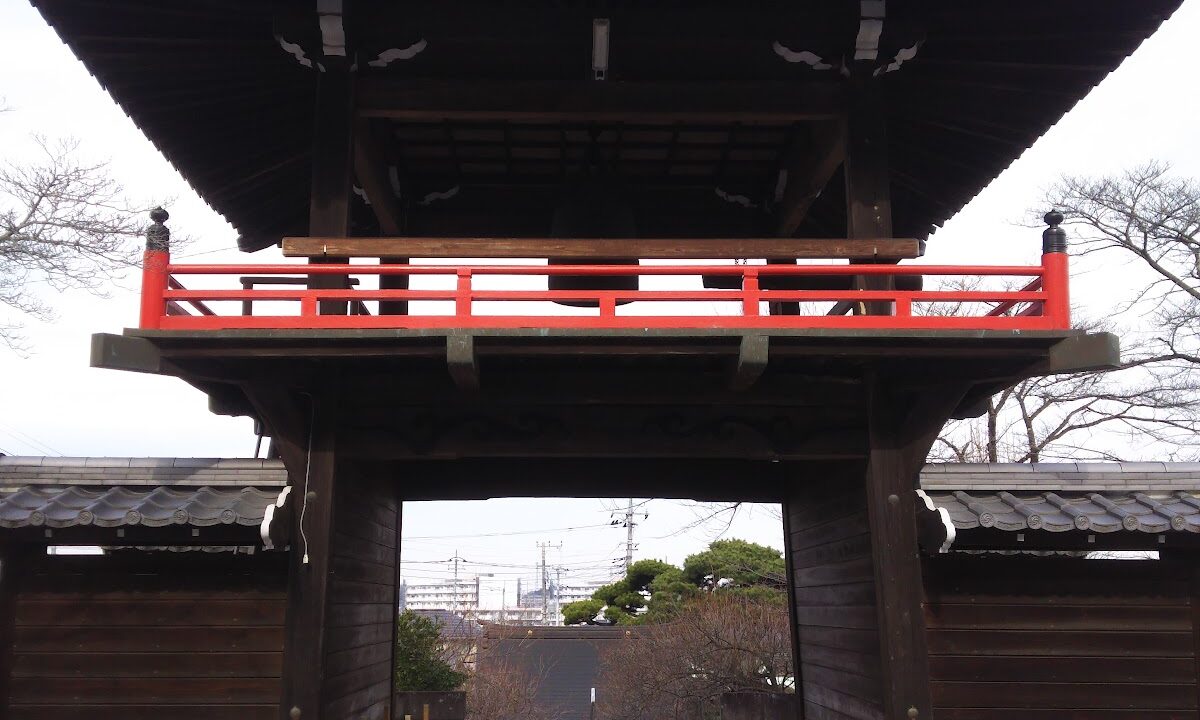
The first thing that catches the eye as a distinctive building of Kōshōji Temple is the bell tower gate. Its structure, integrating the main gate and bell tower, is typical of Sōtō Zen temples. Passing through this gate leads you into the tranquil temple grounds.
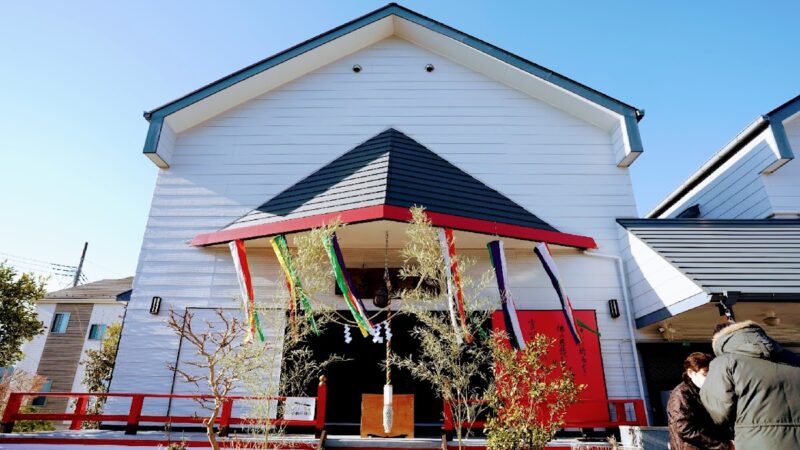
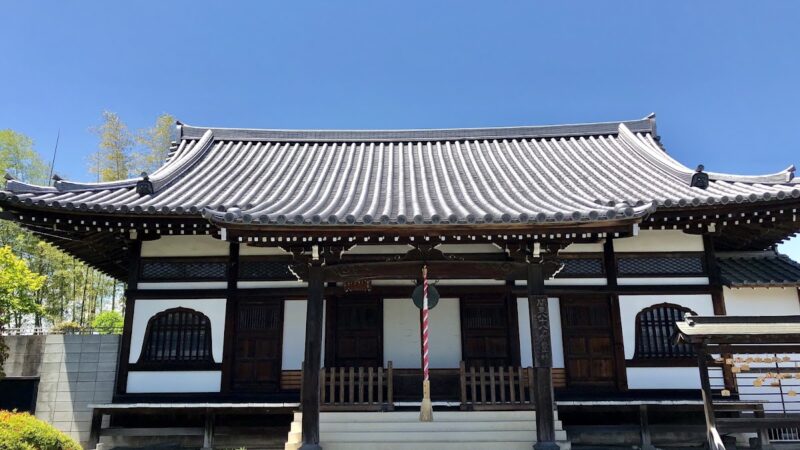
Main Hall
The main hall houses the principal image, Kokuzo Bosatsu (Akasagarbha Bodhisattva). Kokuzo Bosatsu is revered as a Buddha who bestows wisdom and good fortune. The hall is enveloped in a solemn atmosphere, allowing worshippers to quietly offer their prayers.
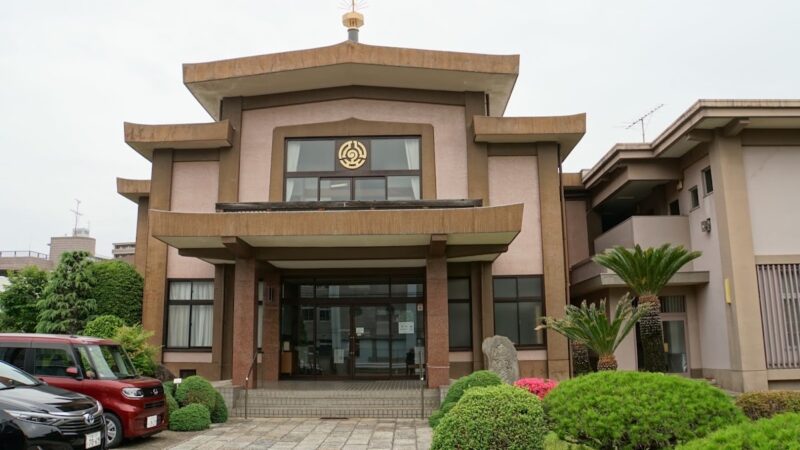
Kannon Hall and Holy Kannon Bosatsu
As the 21st temple of the Musashino Thirty-Three Kannon Pilgrimage, Koshōji Temple enshrines the principal image of the pilgrimage, Holy Kannon Bosatsu. It is an important place of worship for pilgrims visiting the Kannon pilgrimage sites, attracting many visitors.
Natural Environment of the Temple Grounds
Located on the northern slope of the Kaji Hills, the grounds of Koshōji Temple are surrounded by abundant nature. Visitors can experience the changing seasons, and particularly enjoy the beautiful scenery during the fresh green season and the autumn foliage season. It is a space where one can find peace of mind and offer prayers in a tranquil environment.
Musashino Thirty-Three Kannon Pilgrimage Site No. 21
Kōshōji Temple is designated as the 21st temple of the Musashino Thirty-Three Kannon Pilgrimage. The Musashino Thirty-Three Kannon Pilgrimage is a pilgrimage route spanning southwestern Saitama Prefecture and the Tama region of Tokyo, dating back to the Edo period.
For those undertaking the pilgrimage, Kōshōji Temple is an important place of worship, where people pay homage to the principal image of the pilgrimage, the Holy Kannon Bodhisattva. It is believed that by visiting each temple, one can experience the compassion of Kannon and find peace of mind.
Information on Goshuin (Temple Seals) at Koshōji Temple
Types of Goshuin
At Koshōji Temple, you can receive the following goshuin:
- Regular Goshuin: Calligraphy of the temple name “Koshōji” and the temple seal
- Musashino Thirty-Three Kannon Pilgrimage Goshuin: Calligraphy of “Number 21,” “Holy Kannon Bodhisattva,” etc.
- Okutama New Shikoku Pilgrimage Goshuin: Goshuin as the 69th pilgrimage site
Notes on Receiving Goshuin
Goshuin are given as proof of your visit. Please note the following:
- Always complete your prayers before receiving a Goshuin (temple stamp).
- Bringing your Goshuincho (stamp book) is recommended.
- Please prepare the Goshuin fee (usually around 300 yen).
- We may not be able to accommodate requests during temple events or memorial services.
- We recommend calling ahead to confirm, as staff may be absent.
Access Information
Access by Train
Nearest Station: Seibu Ikebukuro Line, “Bushi Station”
It is approximately a 15-20 minute walk from Bushi Station to Koshōji Temple. Exit the station and head north towards Kaji Hills. The route passes through a residential area, but you can reach your destination by following the signs.
Access by Car
If using the Kan-Etsu Expressway:
- Approximately 10 minutes from Iruma IC
- Approximately 15 minutes from Sayama-Hidaka IC
If using the Ken-Ō Expressway:
- Approximately 10 minutes from Iruma IC
Parking is available on the temple grounds. Parking is available for visitors, but spaces are limited, so we recommend using public transportation, especially during events.
Address and Navigation
Address: 1511 Busshi, Iruma City, Saitama Prefecture 358-0053
You can find directions by entering “Kōshōji Temple, Iruma City” or the above address into your car navigation system or smartphone map app.
Etiquette and Manners for Visiting a Temple
Basic Etiquette for Visiting a Temple
The etiquette for visiting a temple at Koshōji, a Sōtō Zen Buddhist temple, is as follows:
- Bow at the Temple Gate: Bow before entering the temple grounds.
- Purify at the Water Basin: Cleanse your hands and mouth.
- Worship at the Main Hall:
- Quietly place your offering in the offering box.
- Join your hands and bow.
- Pray with all your heart.
- Bow again.
- Worship at the Kannon Hall: As a pilgrimage site, also visit the Kannon Hall.
Manners During Your Visit
- Be quiet on the temple grounds.
- Take photographs only in designated areas.
- It is generally discouraged to take photographs inside the main hall.
- Be considerate of other visitors.
- Smoking is prohibited on the temple grounds.
- Check in advance regarding bringing pets.
Attractions Around Koshōji Temple
Kaji Hills
The Kaji Hills, where Koshōji Temple is located, are an area rich in natural beauty. Hiking trails are well-maintained, allowing visitors to enjoy nature walks.
Other Temples and Shrines in Iruma City
Iruma City is home to many other historical temples and shrines. Visiting these surrounding temples and shrines during your visit to Koshōji Temple is highly recommended.
Musashino Thirty-Three Kannon Pilgrimage
By undertaking a pilgrimage to the Musashino Thirty-Three Kannon Pilgrimage, including Koshōji Temple, you can experience a path of history and faith spanning Saitama and Tokyo prefectures. Each temple has its own history and characteristics, allowing you to connect with local culture through the pilgrimage.
Annual Events
As a Sōtō Zen temple, Koshōji Temple holds various Buddhist events throughout the year. The main events include the following:
Main Annual Events
- Shushōe: New Year’s memorial service
- Spring Equinox Service: Ancestor memorial service centered around the spring equinox
- Hanamatsuri (Buddha’s Birthday): Memorial service celebrating the birth of Buddha on April 8th
- Obon: Buddhist ceremony welcoming ancestors
- Autumn Equinox Service: Ancestor memorial service centered around the autumn equinox
- Founder’s Memorial Service: Memorial service commemorating the founder of the temple
For detailed event schedules and participation methods, please contact the temple directly.
Cemetery and Perpetual Memorial Services
Kōshōji Temple has an attached cemetery, and cemetery plots are available through the danka (parishioner) system. In recent years, options such as perpetual memorial graves and tree burials have also been considered.
For details regarding cemetery use and perpetual memorial services, please contact the temple directly.
Contact Information: 04-2968-8181
The Charm and Characteristics of Koshōji Temple
An Ancient Temple with 800 Years of History
The long history of Koshōji Temple, dating back to the early Kamakura period, is its greatest charm. Its unique origins, a fusion of the faith of Musashi samurai and Suwa faith, tell the story of this region’s history.
A Peaceful Environment for Worship
Nearby, the temple grounds offer a tranquil space away from the hustle and bustle of urban areas. This peaceful environment for worship is a valuable place for modern people.
A Hub for Pilgrimage
As a pilgrimage site for the Musashino Thirty-Three Kannon Pilgrimage and the Okutama New Shikoku Pilgrimage, it is an important place of worship for pilgrims. Through pilgrimages, one can gain a deeper faith experience.
A Temple Rooted in the Community
Deeply connected to the local community through the danka system (parishioner system), Koshōji Temple plays a central role in the community through funerals, memorial services, and annual events. ## Attire and Items to Bring When Visiting the Temple
Regarding Attire
There are no specific dress code requirements, but please dress appropriately and respectfully for visiting a temple:
- Avoid revealing clothing.
- It is considered good manners to remove hats and sunglasses within the temple grounds.
- Wear comfortable shoes (there may be steps within the temple grounds).
Items to Bring
- Goshuincho: Bring it if you wish to receive a Goshuin (temple stamp).
- Offering: It is convenient to have small change ready.
- Prayer Beads: Bring them if you have them (not mandatory).
- Camera: Bring if you wish to take commemorative photos (please observe proper photography etiquette).
Summary
Koshōji Temple in Iruma City, Saitama Prefecture, is an ancient Soto Zen temple with a history of approximately 800 years, dating back to the early Kamakura period. Founded by Kaneko Chikamori, this temple, with its unique history intertwined with Suwa faith, has been cherished by many as the 21st stop on the Musashino Thirty-Three Kannon Pilgrimage and a center of local faith.
Nearby surrounded by the rich natural beauty of the Kaji Hills, the tranquil temple grounds offer an ideal environment for peaceful worship. There are many elements worth visiting, including the bell tower gate, the main hall, the opportunity to pay respects to the Bodhisattvas Kokuzo and Kannon, and the chance to receive a Goshuin (temple stamp).
Its convenient location, within walking distance of Bushi Station on the Seibu Ikebukuro Line, is another attractive feature. When visiting Saitama Prefecture or undertaking the Musashino Thirty-Three Kannon Pilgrimage, be sure to visit Koshōji Temple. You will find a peaceful moment amidst its long history and serene environment.
When visiting, please observe temple etiquette, be considerate of other worshippers, and offer your prayers with sincerity. We hope that your visit to Koshōji Temple will be a meaningful experience for everyone.