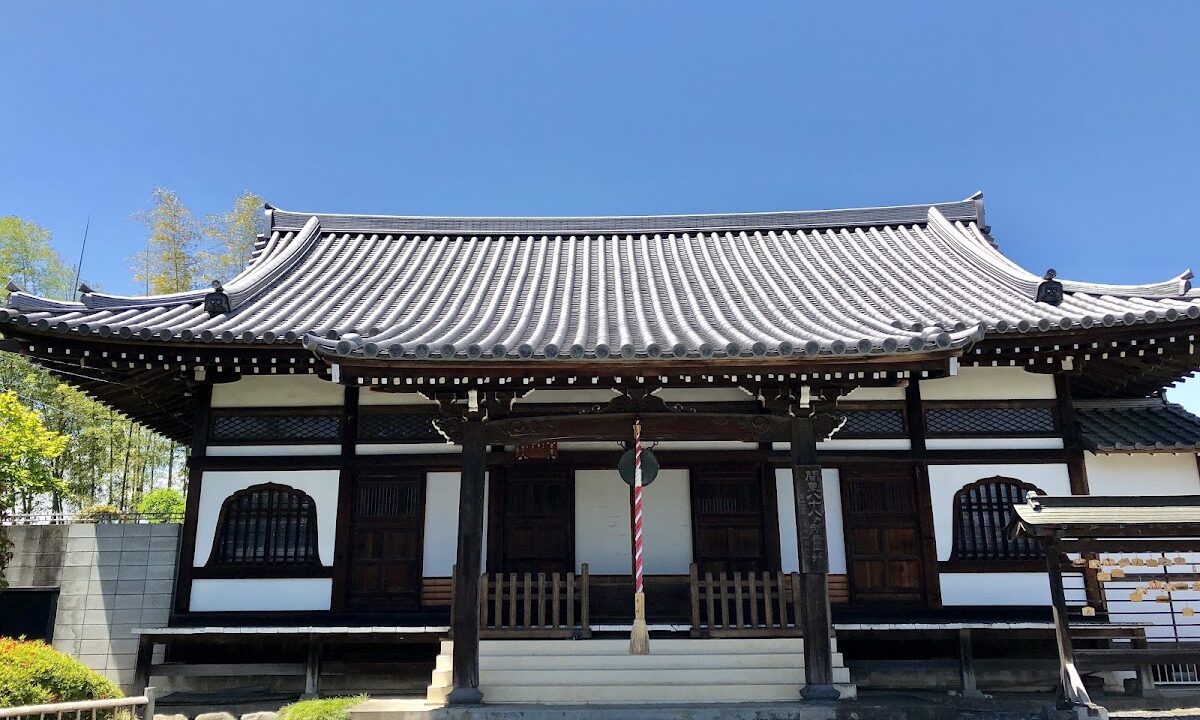
Ensho-ji Temple (Ema-dera) Complete Guide | Highlights and Visiting Information for a Historic Shingon Buddhist Temple in Iruma City, Saitama Prefecture
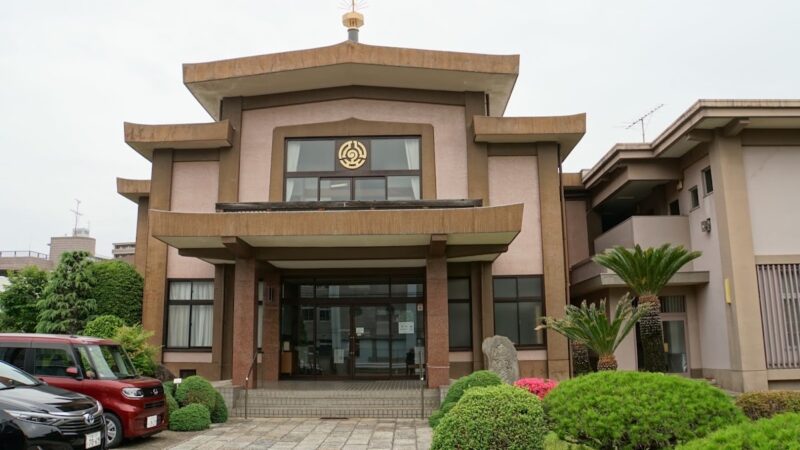
Ensho-ji Temple, located in Noda, Iruma City, Saitama Prefecture, is an ancient Shingon Buddhist temple affectionately known as “Ema-dera” (Ema Temple). Despite its convenient location just a 2-3 minute walk from Motokaji Station on the Seibu Ikebukuro Line, it boasts a tranquil temple grounds that retain the charm of Musashino. This article comprehensively introduces information useful for visiting Ensho-ji Temple, including its history, highlights, annual events, and access methods.
Basic Information and Overview of Ensho-ji Temple (Ema-dera)
Official Name and Sect
Ensho-ji Temple’s official mountain name and temple name are “Komyozan Shogakuin,” and it belongs to the Chizan branch of the Shingon sect. Its principal image is Fudo Myoo, and it continues to transmit the teachings of Shingon Esoteric Buddhism. Locally, it is often affectionately known as “Ema-dera” (Votive Tablet Temple), a nickname derived from the numerous votive tablets (ema) dedicated inside the main hall.
Location and Access
Location: 158 Noda, Iruma City, Saitama Prefecture
Access by Train:
- Approximately 2-3 minutes on foot from Motokaji Station on the Seibu Ikebukuro Line
- Located behind the station, making it very convenient to access
Access by Car:
- Approximately 10 minutes from the Iruma Interchange on the Ken-O Expressway
- Parking is limited, so using public transportation is recommended
Due to its convenient location within walking distance of Motokaji Station, it is an easily accessible pilgrimage site for those visiting the Musashino Thirty-Three Kannon Pilgrimage or the Musashino Seven Lucky Gods Pilgrimage.
History and Origin of Ensho-ji Temple
Background of Founding
While detailed records of Ensho-ji Temple’s founding date are unavailable, it has long been a center of local faith as one of the Shingon Buddhist temples that flourished in the Musashino region from the medieval to the early modern period. The Iruma City area has long been developed as part of the Musashino Plateau and prospered as an agricultural region. Ensho-ji Temple has functioned as a spiritual pillar for the people within this community.
Stone Steles and Historical Value
Ensho-ji Temple preserves valuable stone steles (itabi), which are designated as cultural properties of Iruma City. These steles are stone structures commonly found in the Kanto region as memorial stupas from the medieval period, and the steles at Ensho-ji Temple are important historical documents for understanding the region’s history. These steles offer a glimpse into the history of faith practiced in this region since the medieval period.
Origin of the Common Name “Ema-dera” (Votive Tablet Temple)
Ensho-ji Temple came to be known as “Ema-dera” (Votive Tablet Temple) because of the numerous votive tablets (ema) dedicated inside the main hall. Hundreds of votive tablets (ema) dedicated by people from the Edo period through the Meiji, Taisho, and Showa eras, each bearing various wishes, are preserved at Ensho-ji Temple. These include works by renowned artists and prominent figures from various fields. These tablets are not merely objects of faith but are also noteworthy as works of art of high historical value.
Highlights and Grounds Guide of Ensho-ji Temple
Main Hall and Principal Image
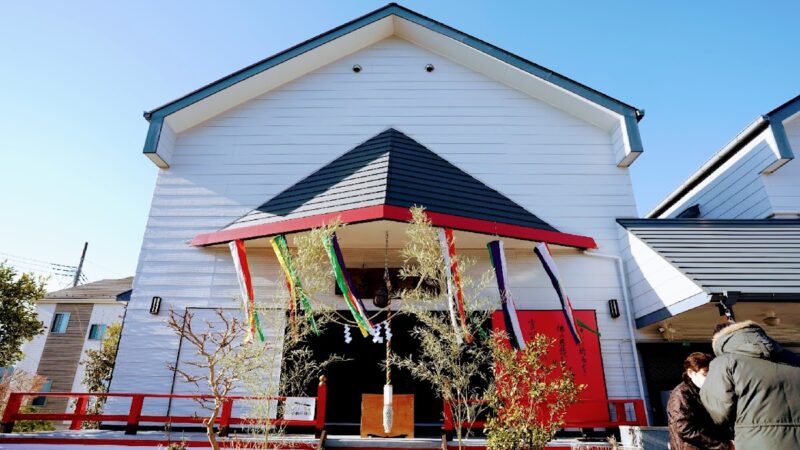
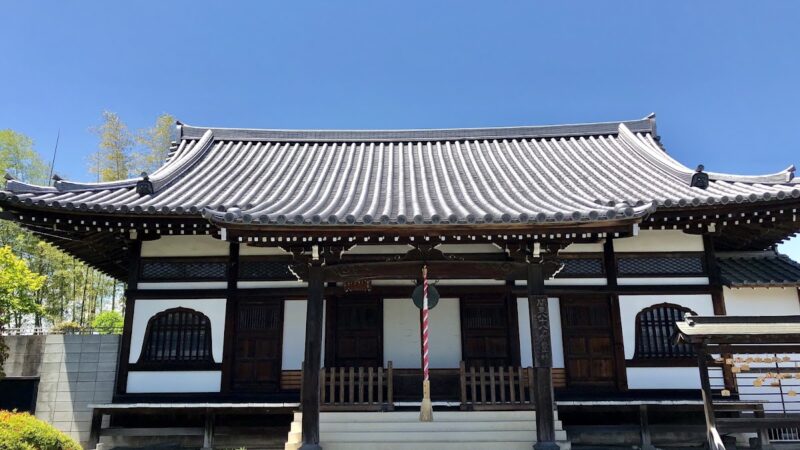
Ensho-ji Temple’s main hall is a magnificent building with an atmosphere befitting a Shingon Buddhist temple. The principal image, Fudo Myoo, is worshipped as a deity who cuts off worldly desires and saves all sentient beings. While the interior of the main hall is usually closed to the public, it is specially opened once a year during the Benzaiten Grand Festival, allowing visitors to view the tablets along with the dedicated tablets.
Hundreds of votive tablets from the Edo period to the present day are preserved within the main hall, and their diversity and artistry captivate visitors. The works dedicated by cultural figures of each era, including painters, calligraphers, and literary figures, are valuable resources that convey the richness of Japan’s votive tablet culture.
The Pond and Carp
The temple grounds feature a beautiful pond where numerous carp swim gracefully. The grounds, centered around the pond, retain the natural beauty of Musashino, maintaining a tranquil environment for worship despite its proximity to the city. Benzaiten, the goddess of water and performing arts, is enshrined by the pond.
The area around the pond offers seasonal beauty: cherry blossoms in spring, lush greenery in summer, vibrant autumn leaves, and a serene landscape in winter. When visiting, be sure to stroll around the pond and experience the natural beauty of Musashino.
Bell Tower
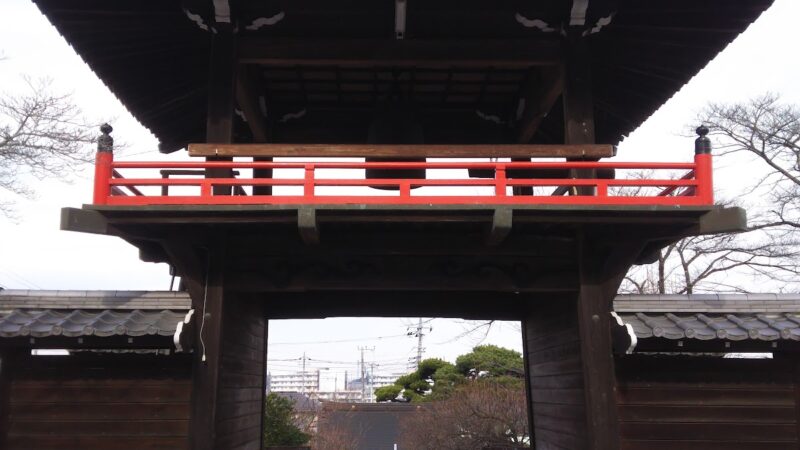
The temple grounds also boast a magnificent bell tower, housing a temple bell. Located behind Motokaji Station, the bell tower can be seen from the station platform. On New Year’s Eve, local residents gather for traditional New Year’s Day ceremonies.
Temple Office (22nd Temple of the Musashino Thirty-Three Kannon Pilgrimage)
Ensho-ji Temple is the 22nd temple of the Musashino Thirty-Three Kannon Pilgrimage, attracting many pilgrims. The temple office offers temple stamps (Goshuin), making it an important base for pilgrims on the pilgrimage. The Musashino Thirty-Three Kannon Pilgrimage is a pilgrimage route of Kannon worship that has continued since the Edo period, and Ensho-ji Temple is known as one of the temples that is easily accessible and convenient to visit.
Musashino Thirty-Three Kannon, Musashino Seven Lucky Gods, Kanto Eighty-Eight Pilgrimage
22nd Temple of the Musashino Thirty-Three Kannon Pilgrimage
The Musashino Thirty-Three Kannon Pilgrimage is a pilgrimage route that visits 33 Kannon temples scattered throughout the Musashino region. Ensho-ji Temple, as the 22nd temple, welcomes pilgrims seeking the compassion of Kannon Bodhisattva. Pilgrimages to sacred sites are a traditional Japanese form of faith where people visit various temples to purify their minds and bodies and accumulate merit. Many people continue these pilgrimages today.
Musashino Seven Lucky Gods
Ensho-ji Temple is one of the Musashino Seven Lucky Gods, enshrining Benzaiten. The Seven Lucky Gods pilgrimage is an auspicious pilgrimage, mainly held around New Year’s, where worshippers visit each temple and shrine to pray for good fortune and prosperity. Benzaiten is widely worshipped as the goddess of music, performing arts, learning, and wealth, and is particularly revered by artists and musicians.
Kanto Eighty-Eight Sacred Sites
Ensho-ji Temple is also included in the Kanto Eighty-Eight Sacred Sites pilgrimage, forming part of a pilgrimage in the Kanto region modeled after the Shikoku Eighty-Eight Sacred Sites pilgrimage. It is believed that visiting these sites brings the same merit as the Shikoku pilgrimage, making it a familiar pilgrimage route for believers living in the Kanto region.
Annual Event: Motokaji Benzaiten Grand Festival (January 14th)
Overview of the Benzaiten Grand Festival
The most important annual event at Ensho-ji Temple is the “Motokaji Benzaiten Grand Festival,” held every year on January 14th. This festival, a traditional event dating back to the Edo period, celebrates the auspicious day of Benzaiten enshrined on the temple grounds and has become a local New Year’s tradition.
Scenes on the Day of the Grand Festival
On the day of the Benzaiten Grand Festival, the interior of the main hall, normally closed to the public, is specially opened, and hundreds of votive ema (votive tablets) are displayed to the public. This is a rare opportunity, occurring only once a year, to view a diverse collection of ema from the Edo period to the present day up close.
Numerous street vendors set up stalls on the temple grounds, selling lucky charms and food. The temple grounds, bustling with worshippers, are filled with the vibrant atmosphere of the New Year. Many worshippers visit the temple not only from the local Iruma City but also from neighboring municipalities, praying to Benzaiten for improvement in performing arts, academic success, business prosperity, and more.
Special Exhibition of Ema (Votive Tablets)
Among the ema displayed on the day of the grand festival are works donated by renowned Japanese painters, Western-style painters, and calligraphers. These ema are not merely testaments of faith but also valuable historical materials that show a part of the history of modern Japanese art. The subjects depicted on the ema are diverse, including horses, warriors, landscapes, and abstract art, allowing us to see the changes in artistic styles from different eras.
Tourist Spots Around Ensho-ji Temple and the Charms of Iruma City
Overview of Iruma City
Iruma City, Saitama Prefecture, is a city with a population of approximately 140,000, located about 40 kilometers from central Tokyo. It is known as a production area for Sayama tea and uses the slogan “A fragrant green cultural city.” The Noda district, where Ensho-ji Temple is located, is a tranquil residential area in Iruma City, dotted with historical temples and shrines, while retaining the natural beauty of Musashino.
Nearby Temples and Shrines
Near Ensho-ji Temple, there are several other historical temples and shrines. Visiting these temples and shrines as part of the Musashino Thirty-Three Kannon Pilgrimage or the Musashino Seven Lucky Gods Pilgrimage will allow you to gain a deeper understanding of Iruma City’s history and culture.
Sayama Tea and Iruma City’s Local Specialties
When visiting Iruma City, be sure to try Sayama tea. As the tea-picking song goes, “The color is Shizuoka, the aroma is Uji, and the taste is unforgettable in Sayama,” Sayama tea is known for its rich flavor. After visiting Ensho-ji Temple, we recommend purchasing Sayama tea at a local tea shop or enjoying a cup at a tea house.
Iruma Air Base, Japan Air Self-Defense Force
Iruma City is home to the Iruma Air Base of the Japan Air Self-Defense Force, and the “Iruma Air Festival” is held annually around November 3rd. A variety of programs are offered, including demonstration flights by the Blue Impulse, attracting numerous aviation enthusiasts from all over Japan. Why not experience the diverse attractions of Iruma City in conjunction with a visit to Ensho-ji Temple?
Manners and Precautions for Visiting the Temple
Basic Manners for Visiting the Temple
When visiting Ensho-ji Temple, please observe the following basic manners:
- Bow at the Temple Gate: When entering the temple grounds, bow at the temple gate before entering.
- Be Quiet: The temple grounds are a sacred place. Please refrain from speaking loudly or running around.
- Photography: Photography is generally permitted on the temple grounds, but please be considerate of the privacy of those inside the main hall and other visitors.
- Offering: Place your offering in front of the main hall, then clasp your hands together in prayer.
- Temple Stamp: When receiving a temple stamp, pay the offering fee and request it respectfully.
Visiting Hours and Fees
Enjoying the grounds of Ensho-ji Temple is generally free. However, the interior of the main hall is usually closed to the public and is specially opened on January 14th during the Benzaiten Grand Festival. A offering fee (usually around 300 yen) is required to receive a temple stamp.
While there are no clearly defined visiting hours, it is generally recommended to visit during the daytime (around 9:00 AM to 5:00 PM). Visiting early in the morning or after sunset should be avoided out of consideration for nearby residents.
Parking
Ensho-ji Temple has its own parking lot, but spaces are limited. It becomes especially crowded during the Benzaiten Grand Festival, so using public transportation is strongly recommended. Taking advantage of its excellent location just a 2-3 minute walk from Motokaji Station, access by train is the most convenient.
If visiting by car, please consider using nearby coin parking lots. However, please absolutely avoid street parking in residential areas, as it will inconvenience local residents.
Cultural Value of Ensho-ji Temple (Ema Temple)
Importance of the Ema Collection
The hundreds of ema (votive tablets) held by Ensho-ji Temple are extremely important resources for studying Japanese ema culture. Ema are painted wooden tablets offered to convey wishes to gods and Buddhas, and this unique form of Japanese faith has continued since ancient times.
The Ensho-ji Temple ema collection includes works from the Edo period to the Showa period, reflecting the artistic styles, forms of faith, and social conditions of each era. Works offered by particularly renowned artists are especially valued as precious pieces that fuse their faith and artistic expression.
Stone Steles and Medieval Beliefs
The stone steles preserved at Ensho-ji Temple are protected as designated cultural properties of Iruma City. Itabi (stone steles) are memorial stupas mainly erected from the Kamakura period to the Muromachi period, and are a type of stone structure unique to the Kanto region. Itabi made from chlorite schist from Chichibu are indispensable resources for understanding medieval religious beliefs in the Musashino region.
The itabi at Ensho-ji Temple are inscribed with Sanskrit characters, Buddhist scriptures, the date of construction, and the names of the donors, conveying the state of the local community and religious practices of the time.
Temple Grounds Retaining the Musashino Landscape
While modern Iruma City is undergoing urbanization, the grounds of Ensho-ji Temple retain a strong sense of the Musashino landscape. The layout of the grounds, centered around a pond, and the surrounding trees evoke the natural landscape of Musashino in the past. The preservation of such a historical landscape despite being in the suburbs of a city is highly valued as a regional cultural heritage.
Visitor Voices and Reviews
Easy Access
Many visitors to Ensho-ji Temple highly praise its easy accessibility. Comments include: “It’s just a short walk from Motokaji Station, making it one of the most easily accessible temples among the Musashino Thirty-Three Kannon Pilgrimage Sites,” and “Despite its location behind the station, it has a quiet and peaceful atmosphere.”
Atmosphere of the Temple Grounds
Many reviews praise the atmosphere of the temple grounds, with comments such as: “The carp in the pond are beautiful and soothing,” “A tranquil space that makes you forget the hustle and bustle of the city,” and “A precious place where the nature of Musashino remains.”
Charm of the Benzaiten Grand Festival
Visitors who attended the Benzaiten Grand Festival on January 14th have commented: “The special exhibition of ema (votive tablets) was wonderful,” “There were many stalls, making it lively and fun,” and “It’s a festival where you can feel the warmth of the local people.” We recommend visiting this once-a-year opportunity.
Recommended Plan for Visiting Ensho-ji Temple
Day Trip Plan
Morning: Take the Seibu Ikebukuro Line to Motokaji Station. Ensho-ji Temple is a 2-3 minute walk from the station. Stroll through the temple grounds and pay your respects at the main hall. Enjoy the natural beauty of Musashino while gazing at the carp in the pond. Receive a Goshuin (temple stamp).
Lunch: Enjoy a meal in Iruma City or the nearby city of Hannō. Savor dishes using Sayama tea and local cuisine.
Afternoon: Visit other temples on the Musashino Thirty-Three Kannon Pilgrimage, or visit tourist spots in Iruma City (such as the Iruma City Museum).
Seven Lucky Gods Pilgrimage Plan
If you visit Enshōji Temple as part of the Musashino Seven Lucky Gods Pilgrimage, visiting the other six temples and shrines as well will make for a more fulfilling pilgrimage experience. The New Year period is considered particularly auspicious, and many visitors undertake the Seven Lucky Gods pilgrimage.
Benzaiten Grand Festival Pilgrimage Plan (January 14th Only)
The Benzaiten Grand Festival on January 14th is the perfect time to visit Enshōji Temple. It’s a rare opportunity to see the interior of the main hall and the ema (votive tablet) collection, which are usually not open to the public. Visiting from morning to afternoon, enjoying the open-air baths while making New Year’s prayers, is highly recommended. Since crowds are expected, please allow ample time for your visit.
Summary: The Charm of Ensho-ji Temple (Ema Temple)
Ensho-ji Temple (Ema Temple) in Iruma City, Saitama Prefecture, is an ancient Shingon Buddhist temple with a long history. It is an important temple listed among three sacred sites: the Musashino Thirty-Three Kannon Pilgrimage, the Musashino Seven Lucky Gods Pilgrimage, and the Kanto Eighty-Eight Sacred Sites Pilgrimage.
Main Attractions of Ensho-ji Temple:
- Excellent Accessibility: Conveniently located just a 2-3 minute walk from Motokaji Station.
- Abundant Collection of Ema (votive tablets): Hundreds of votive tablets have been dedicated, giving the temple its nickname, “Ema-dera” (Ema Temple).
- Annual Special Opening: The interior of the main hall and the votive tablets are open to the public during the Benzaiten Grand Festival on January 14th.
- Traces of Musashino: Natural scenery remains within the temple grounds, centered around a pond.
- Multiple Pilgrimage Sites: Functions as a base for pilgrimages to three pilgrimage sites.
- Cultural Assets: Possesses cultural assets of high historical value, such as stone steles.
Ensho-ji Temple, while located near the city, is a temple where history and nature harmonize, offering a peaceful place to worship. Please visit as part of the Musashino Thirty-Three Kannon Pilgrimage, the Musashino Seven Lucky Gods Pilgrimage, or on the special day of the Benzaiten Grand Festival. As its nickname, Ema-dera (Ema Temple), suggests, Ensho-ji Temple possesses a unique charm where faith and art are fused, leaving a deep impression on visitors.
When you visit Iruma City, be sure to experience the charm of Musashino to the fullest by visiting Ensho-ji Temple, as well as exploring Sayama tea and the local history and culture.