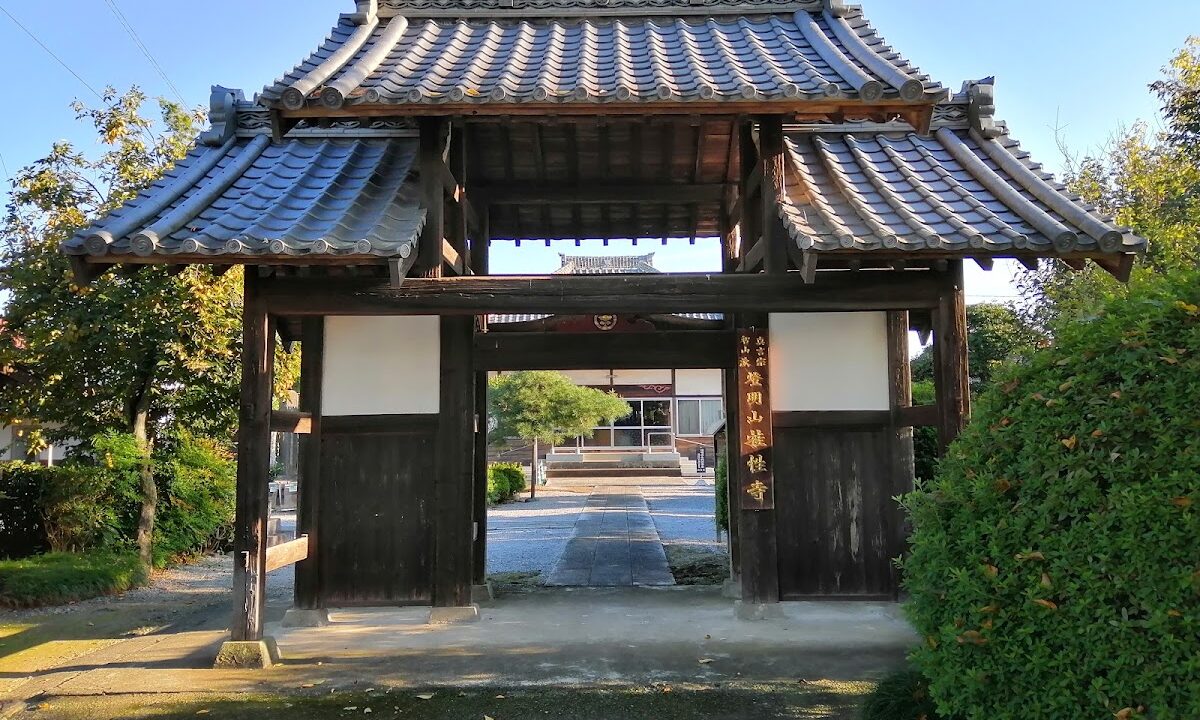
Keishoji Temple (Kazo City, Saitama Prefecture) Complete Guide | History, Access, Perpetual Memorial Services, and Cemetery Information
Located in Warime, Kazo City, Saitama Prefecture, Keishoji Temple is a historic temple belonging to the Chizan branch of the Shingon sect. It has been a center of local faith since the Edo period and currently offers a wide range of Buddhist services, including perpetual memorial graves, burial plots, and traffic safety prayers. This article comprehensively introduces information useful for local residents and those seeking burial plots, covering Keishoji Temple’s history, principal image, facilities, access methods, and details on perpetual memorial services.
Basic Information about Keishoji Temple
Temple Overview
Official Name: Tomyozan Keishoji Temple
Sect: Shingon-shu Chizan-ha
Location: 505 Warime, Kazo City, Saitama Prefecture
Phone Number: 0480-65-3014
Principal Image: Enmei Jizo Bodhisattva
Keishoji Temple is a temple blessed with a tranquil environment despite its convenient location approximately one hour from central Tokyo. Inheriting the lineage of the Shingon-shu Chizan-ha sect, it has long been a place of spiritual solace and faith for the local community.
About Shingon-shu Chizan-ha
The Shingon-shu Chizan-ha sect is a branch of Shingon Esoteric Buddhism, with Kobo Daishi Kukai as its founder and Kogyo Daishi Kakuban as its restorer. The main hall of Keishoji Temple enshrines the revered statues of the two founders of Shingon Buddhism, Kobo Daishi and Kogyo Daishi, and continues the tradition of Shingon Esoteric Buddhism to this day. Shingon Buddhist temples pray for the peace and happiness of their parishioners through Goma rituals and various other ceremonies.
History and Origins of Keishoji Temple
Founding History
Keishoji Temple was founded during the An’ei era of the Edo period (1772-1781) by Abbot Eizan. The An’ei era was the mid-Edo period, a time when Tanuma Okitsugu wielded great power as a senior councilor. During this period, land reclamation progressed in the Kanto region, and rural society developed in the Kazo area. It was against this historical backdrop that Keishoji Temple was established as a spiritual pillar for the local residents.
Inheritance of the Dharma Lamp
Since its founding, Keishoji Temple has continuously inherited the Dharma lamp of Shingon Esoteric Buddhism without interruption. Successive chief priests have upheld the teachings of Shingon Buddhism, and the miraculous powers of the principal deity, Enmei Jizo, have become widely known. It has a history of attracting the reverence of local people and developing into a central place of faith in the Warime district of Kazo City.
Changes in the Main Hall
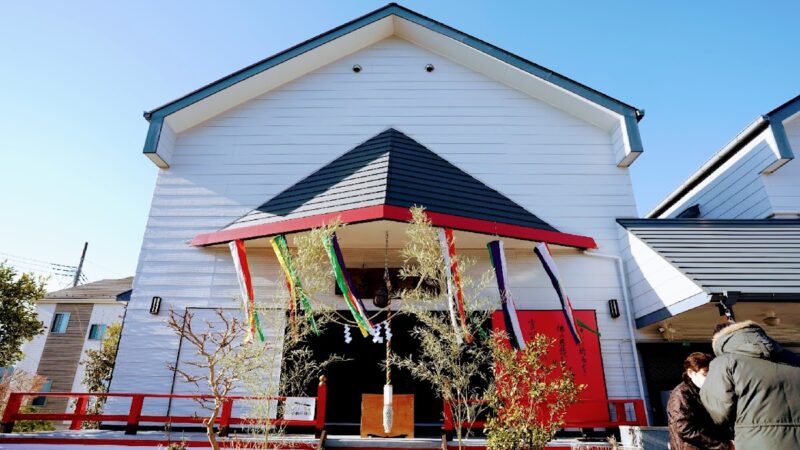
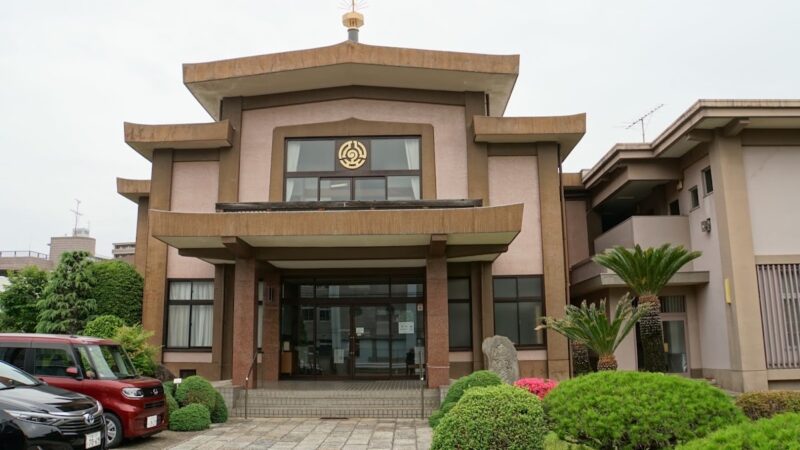
A noteworthy aspect of Keishoji Temple’s history is the changes in its main hall. The main hall where the principal deity was enshrined was unfortunately destroyed by fire during the Meiji era. However, thanks to the deep faith and enthusiasm of the parishioners, a new main hall was constructed in 1973 (Showa 48). The combined efforts of parishioners from all directions resulted in the completion of the magnificent main hall we see today.
This history of reconstruction speaks volumes about the important role Keishoji Temple has played in the local community.
About the Principal Image, Enmei Jizo Bodhisattva
The Faith of Enmei Jizo Bodhisattva
The principal image of Keishoji Temple is Enmei Jizo Bodhisattva. Jizo Bodhisattva has long been revered in Japan as a bodhisattva who saves all sentient beings in all six realms (hell, hungry ghosts, animals, asuras, humans, and heaven) from the time of Shakyamuni Buddha’s death until the appearance of Maitreya Bodhisattva.
In particular, Enmei Jizo Bodhisattva, as its name suggests, is believed to have the miraculous power to extend life and bring good health and longevity. It is also known as a guardian deity of children and is worshipped as a Jizo for child-rearing.
A Faithful Sense of Miracles
The Enmei Jizo Bodhisattva of Keishoji Temple is widely known in the region for its miraculous powers. Worshippers with various wishes, such as recovery from illness, prayers for good health, and prayers for the healthy growth of children, visit the temple. Combined with Shingon Esoteric Buddhist prayers, many believers have experienced its blessings.
Facilities and Grounds of Keishoji Temple
Main Hall
Rebuilt in 1973, the main hall is the central building of Keishoji Temple. The inner sanctuary houses the principal image, the Enmei Jizo Bodhisattva, and also enshrines statues of the two founding masters (Kobo Daishi and Kogyo Daishi). Various Buddhist services and prayers are held in this main hall.
Atmosphere of the Temple Grounds
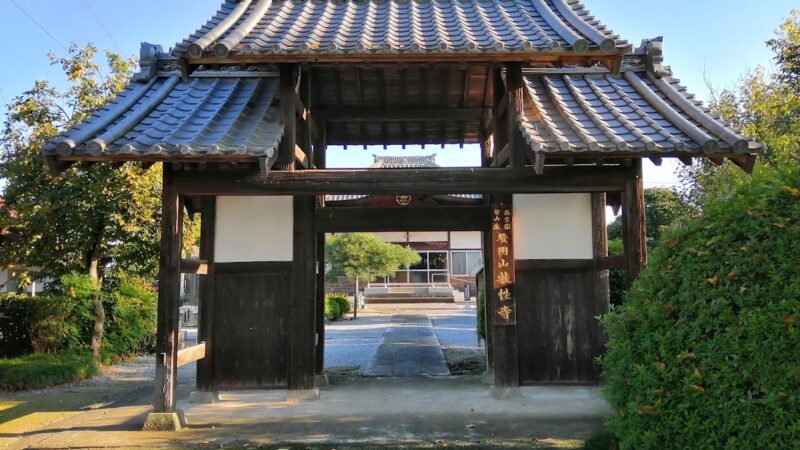
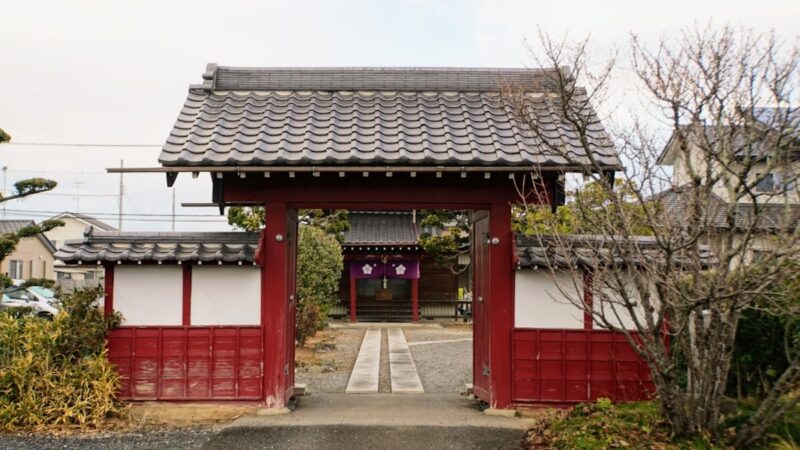
The grounds of Keishoji Temple are enveloped in a quiet and peaceful atmosphere. Despite its proximity to the city center, its tranquil environment offers peace of mind to visitors. Seasonal flowers and trees are planted on the grounds, allowing visitors to experience the beauty of nature throughout the seasons.
Cemetery and Burial Grounds
Keishoji Temple has a temple cemetery with both general burial plots and perpetual memorial graves. The cemetery is well-maintained, providing a convenient environment for visiting graves. The establishment of perpetual memorial graves, which can be used with peace of mind even by those without successors, meets the needs of modern times.
Information on Perpetual Memorial Graves and Cemeteries
Perpetual Memorial Joint Grave
Keishoji Temple offers a perpetual memorial joint grave. Perpetual memorial services are a form of memorial service where the temple takes responsibility for perpetual memorial services and management. It is a suitable option for those without successors, those who do not want to burden their children, and single individuals, and demand has been increasing in recent years.
Features of the Perpetual Memorial Joint Grave:
- No successor required
- Perpetual management and memorial services by the temple
- Available regardless of religion
- Lower costs compared to individual graves
- Often no annual management fees
Subdivision Cemetery
Keishoji Temple also offers general subdivision cemeteries. Suitable for those who want a family grave for generations or who wish to erect a traditional tombstone. Offers the peace of mind unique to a temple cemetery and the benefit of receiving Shingon Buddhist memorial services.
Features of the Subdivision Cemetery:
- Can be passed down through generations as a family grave
- Choice of tombstone design
- Comprehensive memorial services by the temple
- Convenient for memorial services
About Cemetery Costs
Cemetery costs vary depending on the size of the plot, the type of tombstone, and the perpetual use fee. For detailed costs, we recommend contacting Keishoji Temple directly. Free information requests and consultations for visits are also available.
Buddhist Services Available at Keishoji Temple
Traffic Safety Prayer
Keishoji Temple accepts prayers for traffic safety. We offer prayers for traffic safety through Shingon Esoteric Buddhism’s Goma ritual, including blessings upon purchasing a new car and prayers for safety upon obtaining a driver’s license.
Various Memorial Services and Ceremonies
- Annual Memorial Services: First anniversary, third anniversary, seventh anniversary, etc.
- Obon Memorial Services: Urabon-e Memorial Service
- Higan Memorial Services: Spring and Autumn Higan
- Monthly Memorial Services
- Memorial Services for Stillborn Children
- Pet Memorial Services
Goma Prayer Ceremony
The temple also performs the Goma prayer ceremony, a characteristic ritual of the Shingon sect. This prayer involves writing wishes on wooden sticks and burning them in the flames, thereby burning away worldly desires and fulfilling wishes.
Consultation Regarding the Temple Membership System
Keishoji Temple has a temple membership system. Becoming a member allows you to receive preferential support during memorial services and ceremonies. It may also be possible to use the cemetery without becoming a member; please consult the temple for details.
Access and Transportation Information
Access by Train
Nearest Station:
- Approximately 7 minutes by car or 46 minutes on foot from Washinomiya Station on the Tobu Isesaki Line
- Approximately 10 minutes by car from Hanazaki Station on the Tobu Isesaki Line
- Approximately 15 minutes by car from Kuki Station on the Tobu Isesaki Line and JR Utsunomiya Line
If using the train, it is convenient to take a taxi or bus from the nearest station.
Access by Bus
Take a bus operating within Kuki City and get off at the “Honmura” bus stop, then it’s approximately a 4-minute walk. A local community bus also operates, so it is recommended to check the timetable in advance.
Access by Car
Using Expressways:
- Approximately 10 minutes by car from the Shiraoka-Shobu IC on the Ken-O Expressway (Metropolitan Inter-City Expressway)
Major Roads:
- Accessible via National Route 122
- Via Saitama-Kurihashi Prefectural Road 3
Parking is available on the temple grounds, allowing you to visit by car with peace of mind when visiting graves or attending memorial services.
Access from Surrounding Areas
- Approximately 15 minutes from Kuki City, Saitama Prefecture
- Approximately 20 minutes from Hanyu City, Saitama Prefecture
- Approximately 25 minutes from Koga City, Ibaraki Prefecture
- Approximately 1 hour from Central Tokyo
The location boasts excellent transportation access, making it easily accessible from a wide area of eastern Saitama Prefecture.
Environment of Kazo City and the Surrounding Area of Keishoji Temple
About Kazo City
Kazo City is located in the northeastern part of Saitama Prefecture and is a naturally rich area through which the Tone River flows. Known nationwide as a production center for carp streamers (koinobori), a giant carp streamer is flown every May at the “Kazo Citizens’ Peace Festival.” Agriculture is thriving, particularly rice cultivation and horticultural crop cultivation.
Characteristics of the Warime District
The Warime district, where Keishoji Temple is located, is a quiet residential area with rural landscapes within Kazo City. It is a long-established settlement with strong community ties. Keishoji Temple is deeply rooted in the lives of the residents, serving as a spiritual pillar of the region.
Surrounding Temples and Shrines
There are many other historical temples and shrines scattered around Kazo City. Washinomiya Shrine (Kuki City) is known as the oldest grand shrine in the Kanto region and attracts many worshippers. Visiting these temples and shrines is one of the region’s attractions.
Points to Note and Manners When Visiting Keishoji Temple
Manners for Visiting a Temple
When visiting a temple, please observe the following basic manners:
- Attire: Please wear clean, understated clothing.
- Quietness: Please be quiet on the temple grounds and considerate of other visitors.
- Photography: Photography is only permitted in designated areas.
- Offering: Please offer your donation and bow in front of the main hall.
- Smoking and Eating: Please refrain from smoking or drinking outside of designated areas.
Advance Reservations for Memorial Services and Consultations
For memorial services, consultations regarding perpetual memorial services, and cemetery tours, we recommend making a reservation by phone in advance. Since the schedules of the head priest and temple office vary, it is smoother to visit after making a reservation rather than visiting unexpectedly.
Reception Hours
While the general reception hours for temples are from 9:00 AM to around 5:00 PM, please contact Keishoji Temple directly for their specific reception hours.
Advance Reservations for Memorial Services and Consultations
For memorial services, consultations regarding perpetual memorial services, and cemetery tours, we recommend making a reservation by phone in advance. Due to the schedules of the head priest and temple office, it is smoother to visit after making a reservation rather than visiting unexpectedly.
Reception Hours
Generally, temple reception hours are from 9:00 AM to around 5:00 PM, but please contact Keishoji Temple directly for their specific reception hours.
For Those Seeking a Grave
Advantages of Choosing Keishoji Temple
- History and Tradition: A venerable temple with a history dating back to the Edo period.
- Shingon Buddhist Ceremonies: Receive traditional Shingon esoteric Buddhist memorial services.
- Easy Access: Approximately 1 hour from the city center, and close to the nearest station.
- Quiet Environment: A peaceful atmosphere away from the hustle and bustle.
- Diverse Options: Offers both traditional burial plots and perpetual memorial graves.
- All Religions Accepted: Perpetual memorial graves are available regardless of religion.
- Community-Oriented: Courteous service rooted in the local community.
Points to Consider When Choosing a Grave
When choosing a grave, consider the following points:
- Location and Access: Is it within a reasonable distance for regular visits?
- Cost: Total cost including perpetual usage fee, gravestone cost, and annual maintenance fee.
- Management Condition: Are the cemetery and facilities kept clean?
- Religion/Sect: Does it align with your faith and wishes?
- Presence of a successor: Is there someone who can manage it in the future?
- Atmosphere: Is it an environment where you and your family can feel at ease?
Flow of Visit and Consultation
- Reservation by phone: Contact 0480-65-3014
- Scheduling a visit date and time: Discuss a convenient date and time.
- On-site visit: Actually check the cemetery and facilities.
- Detailed explanation: Receive an explanation about costs and contract details.
- Q&A: Resolve all your questions.
- Consideration: Discuss with your family and make a decision.
- Contract: Gather the necessary documents and complete the contract procedures.
Information on cemeteries and burial grounds around Kazo City, Saitama Prefecture
Main cemeteries in Kazo City
Besides Keishoji Temple, there are several other cemeteries and burial grounds in Kazo City. Each has its own characteristics, so we recommend comparing several.
- Temple Cemeteries: Cemeteries managed by traditional temples
- Private Cemeteries: Open to all religions and offering excellent facilities
- Public Cemeteries: Publicly run facilities that offer lower costs
Options in Neighboring Municipalities
By considering cemeteries in neighboring municipalities such as Kuki City, Hanyu City, and Gyoda City, in addition to Kazo City, you increase your chances of finding a cemetery that better suits your needs.
For those who want to know more about perpetual memorial services
Benefits of perpetual memorial services
- No successor required: No burden on children or relatives
- Clear costs: Only initial costs, with few additional fees
- No maintenance required: The temple handles cleaning and maintenance
- Peace of mind regarding memorial services: Regular joint memorial services are held
- No religious restrictions: In most cases, it is not limited to any particular sect
Types of perpetual memorial services
- Communal grave: A form where remains are interred together with others
- Individual grave: Individually placed for a certain period, then interred communally
- Columbarium: Interment in an indoor facility
- Tree burial: A natural burial where remains are interred under a tree
Keishoji Temple primarily offers communal graves, but please contact us directly for detailed information on other options.
Average Cost of Perpetual Memorial Services
The average cost of perpetual memorial graves in Saitama Prefecture is approximately 100,000 to 500,000 yen. Communal graves are relatively inexpensive, while costs tend to be higher if there is a period of individual interment. For specific costs at Keishoji Temple, please inquire through a free consultation or request for information.
Summary: Keishoji Temple is a Trusted Temple Rooted in the Community
Keishoji Temple is a Shingon sect Chizan-ha temple that has been serving the community of Kazo City, Saitama Prefecture for over 240 years since its founding during the An’ei era of the Edo period. With Enmei Jizo Bodhisattva as its principal deity, it continues to uphold the teachings of Shingon Esoteric Buddhism while also providing perpetual memorial graves and various Buddhist services that meet modern needs.
Its convenient location, approximately one hour from central Tokyo, combined with a quiet and peaceful environment, makes it an ideal choice for those seeking a grave. The peace of mind unique to a temple cemetery and its flexibility in accepting people of all religions are also attractive features.
If you are considering a grave or perpetual memorial service, why not start by requesting information or scheduling a visit? The head priest and staff at Keishoji Temple will provide careful consultation.
Contact Information:
Tomyozan Keishoji Temple
505 Warime, Kazo City, Saitama Prefecture
Phone: 0480-65-3014
Preparing for the end of life early brings peace of mind. At Keishoji Temple, find the perfect form of memorial service for you and your family.