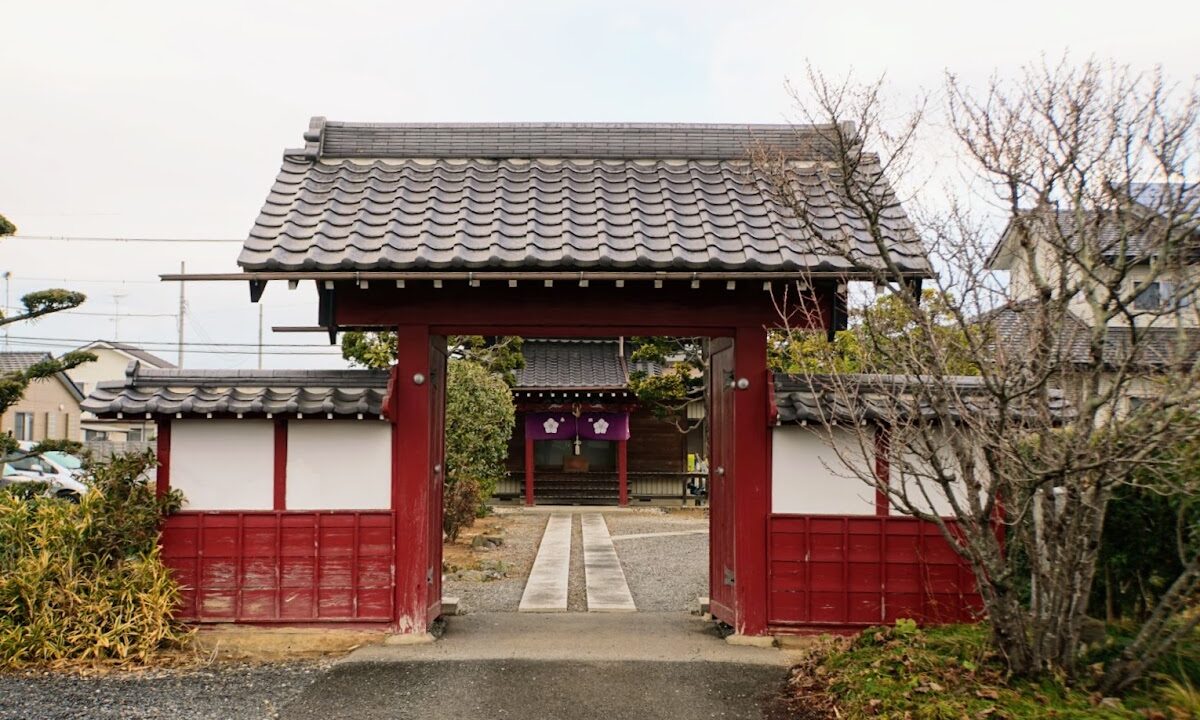
Nyotaiji Temple (Saitama Prefecture) Complete Guide: History, Access, and Highlights Explained in Detail
What is Nyotaiji Temple?
Nyotaiji Temple is a Buddhist temple located in Saitama Prefecture. It has a long history as a center of local faith and is known as a temple where one can pray in a peaceful environment.
This article provides detailed information useful for those considering a visit, including the historical background of Nyotaiji Temple, highlights within the temple grounds, access methods, and annual events.
History and Origin of Nyotaiji Temple
Background of Founding
Detailed records remain regarding the founding period and the first abbot of Nyotaiji Temple. Like many Japanese temples, it was built through the efforts of influential local figures and monks, and has taken its current form over many years.
The temple name “Nyotai” has a deep Buddhist meaning, and is thought to have been named as representing “the body of true reality,” that is, the essence of Buddha.
Historical Changes
Nyotaiji Temple has experienced various changes throughout history since its founding. Throughout the Sengoku and Edo periods, it has a history of developing in close connection with the local community.
It has overcome difficult times faced by Japanese temples, such as the anti-Buddhist movement of the Meiji era and the war damage of the Showa era, and has continued to preserve its religious traditions to this day.
Sect and Principal Image
Understanding the sect and principal image to which Nyotai-ji Temple belongs before visiting will lead to a deeper religious experience. The principal image is the central object of worship at the temple and warmly welcomes visitors.
Highlights of the Temple Grounds
Main Hall
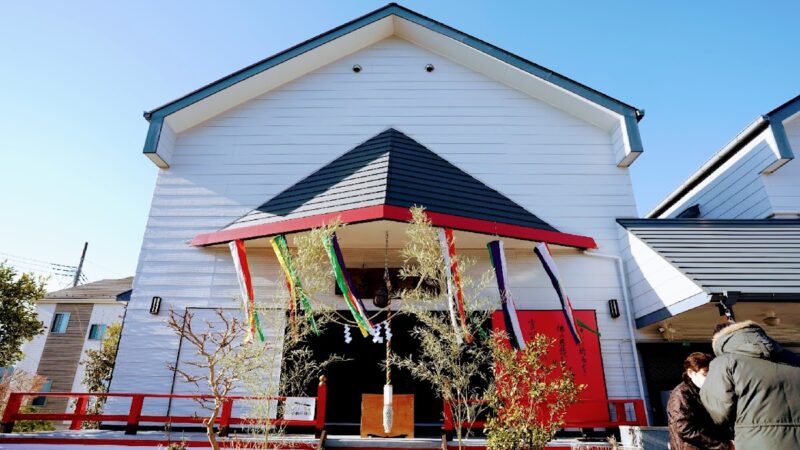
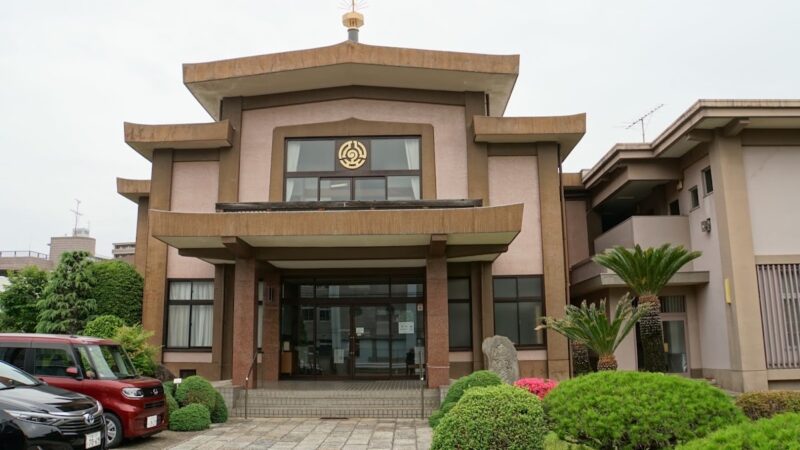
Nyotai-ji Temple’s main hall is a valuable building that conveys the traditional style of temple architecture to the present day. The principal image is enshrined here, and visitors can quietly offer their prayers.
The building’s structure and decorations showcase the craftsmanship of the time of its construction, making it a worthwhile sight for those interested in architectural styles.
Natural Environment of the Temple Grounds
Nyotai-ji Temple’s grounds offer an environment where visitors can enjoy the changing seasons. In spring, cherry blossoms and plum blossoms; in summer, lush greenery; in autumn, vibrant autumn leaves; and in winter, a tranquil landscape—each season offers a different facet of beauty.
Especially the ancient trees, living witnesses to the temple’s history, deeply move visitors.
Stone Monuments and Memorials
Throughout the temple grounds are stone monuments and memorials erected by successive chief priests and parishioners. These are important historical documents for understanding the temple’s history and also possess value as regional cultural assets.
About Goshuin (Temple Seals)
Types of Goshuin
Jyotaiji Temple offers goshuin as a memento of your visit. The goshuin features the temple name, the name of the principal deity, and the date of your visit, all written in ink and stamped with a red seal.
Goshuin are not merely stamps; they are cherished as proof of your visit. Bringing your goshuincho (stamp book) and respectfully requesting one is considered polite.
Goshuin (Temple Seal) Reception Hours
Goshuin are issued during the temple’s regular opening hours. However, this may not be possible during religious services or events, so it is recommended to check in advance if you wish to be sure to receive one.
The offering fee (for the Goshuin) is set at the same amount as other temples, so it is best to prepare the exact amount as change will not be available.
Annual Events and Religious Services
Main Annual Events
Nyotaiji Temple holds various religious services and religious ceremonies throughout the year.
Spring Events
- Spring Equinox Memorial Service: An important memorial service for ancestors.
- Hanamatsuri (Buddha’s Birthday Festival): A celebration of the birth of Buddha.
Summer Events
- Obon Memorial Service: A traditional event to welcome and honor the spirits of ancestors.
- Segaki-e (Feeding of Hungry Ghosts Ceremony): A memorial service to honor spirits suffering in the realm of hungry ghosts and those without relatives.
Autumn Events
- Autumn Equinox Memorial Service: An ancestor memorial service held during the autumn equinox.
Winter Events
- New Year’s Eve Bell Ringing: A New Year’s Eve event.
- New Year’s First Visit to the Temple: A visit to pray for happiness in the new year.
Special Memorial Services
Special memorial services are held on days that hold special significance for the temple, such as the founding anniversary or the anniversary of the principal image. Many parishioners and believers gather for these services, making them an important opportunity to pass on the temple’s history and traditions to future generations.
Access Methods
Location
Nyotaiji Temple is located in Saitama Prefecture and attracts many visitors from both within and outside the prefecture. For the detailed address, it is recommended to check with the temple directly for the most up-to-date information.
Access by Public Transportation
By Train
You can access the temple on foot or by bus from the nearest station. Travel time from major stations in Saitama Prefecture varies depending on the line and transfers, but checking the route in advance will ensure a smooth journey.
By Bus
If there is a bus route from the nearest station, the temple is within walking distance of the bus stop. It is recommended to check the bus schedule and frequency in advance.
Access by Car
By Expressway
The temple is accessible from major expressways that run through Saitama Prefecture, such as the Kan-Etsu Expressway and Tohoku Expressway. You can reach the temple via local roads from the nearest interchange.
Parking Information
The temple may have parking available for visitors. However, congestion is expected during religious services and events, so it is advisable to consider using public transportation. Regarding parking availability and capacity, it is recommended to check with the temple in advance.
Manners and Etiquette for Visiting a Temple
Basic Manners for Visiting a Temple
When visiting a temple, please observe the following basic manners:
- Attire: Modest and modest clothing is preferable.
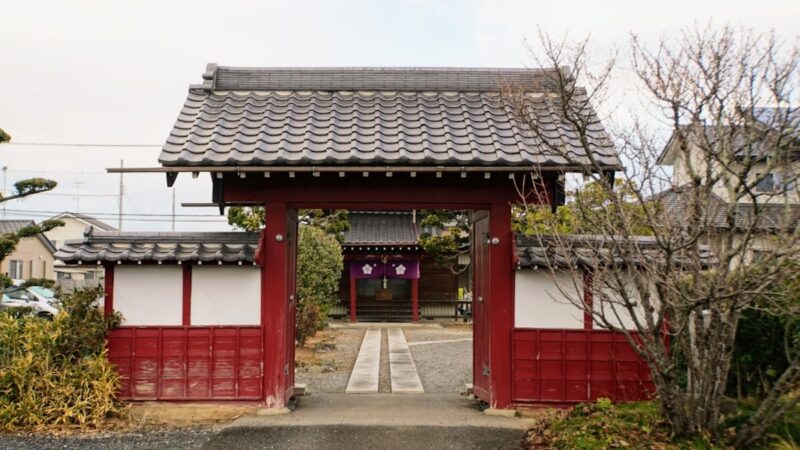
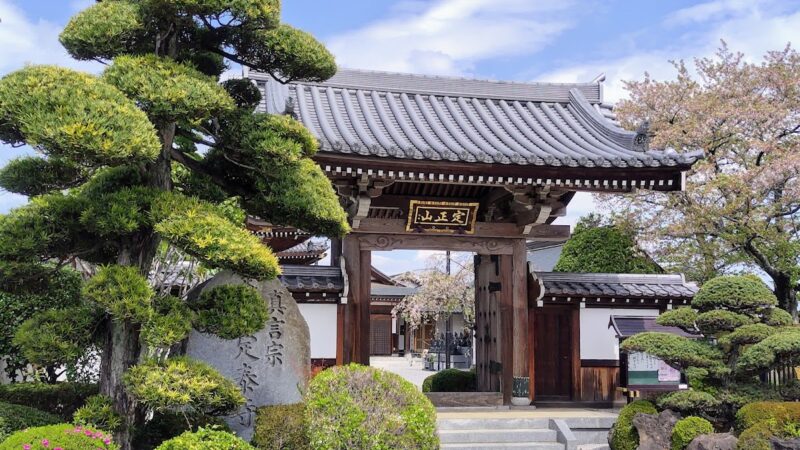
- Greeting: Bow when passing through the temple gate.
- Water Basin: Cleanse your hands and mouth before praying.
- Etiquette in the Main Hall: Quietly join your hands in prayer and pray sincerely.
- Photography: Photography is only permitted in designated areas on the temple grounds.
- Quietness: Refrain from loud conversations and noise.
How to Pray
The etiquette for praying at a Buddhist temple differs from that of a Shinto shrine.
- Stand up straight in front of the main hall.
- Quietly place your offering in the offering box.
- Ring the bell if there is one.
- Clasp your hands together and bow.
- Pray sincerely.
- Clasp your hands together again and bow.
In Buddhist temples, it is customary to quietly clap your hands without clapping.
Nearby Tourist Attractions
Temples and Shrines in Saitama Prefecture
When visiting Nyotaiji Temple, it is also recommended to visit other temples and shrines in the surrounding area. Saitama Prefecture has many historical temples and shrines, making it a great place to enjoy a temple and shrine tour.
Local Cultural Facilities
Nearby, there are museums and historical archives where you can learn about the local history and culture. Visiting these in conjunction with your visit to Nyotaiji Temple will allow you to experience the local culture more deeply.
Natural Spots
Saitama Prefecture also has many parks and walking trails rich in nature. After visiting the temple, it is a good idea to enjoy the seasonal nature.
Experiences and Training at Nyotaiji Temple
Zen Meditation and Sutra Copying Sessions
Many temples hold Zen meditation and sutra copying sessions that are open to the public. Nyotaiji Temple may also offer such activities, so those interested should inquire with the temple.
Zen meditation is a valuable opportunity to calm the mind and confront oneself. Beginners are often given careful instruction, so you can easily participate.
Sutra copying is a form of Buddhist practice involving the copying of scriptures. It is believed to enhance concentration and calm the mind.
Dharma Talks
Some temples hold regular Dharma talks led by the head priest. You can learn about Buddhist teachings and wisdom for life, gaining insights that can be applied to daily life.
Nyotaiji Temple’s Parishioning System and Funerals
About Parishioners
Nyotaiji Temple values its connection with the local community through its parishioner system. A parishioner is a family that supports a specific temple and requests funeral and memorial services from it.
Becoming a temple parishioner allows for the continuous performance of ancestral memorial services and fosters a deep bond with the temple.
Requests for Funerals and Memorial Services
Jyotaiji Temple conducts funerals and various memorial services for its parishioners. It is possible to discuss the format and cost of the funeral in advance.
In recent years, various funeral formats, such as family funerals and one-day funerals, have become available. These are conducted in accordance with the wishes of the deceased and their family.
Donations and Support for Jyotaiji Temple
Temple Maintenance
Maintaining temple buildings and grounds incurs significant costs. Donations from parishioners and believers are an important source of funding for temple operations.
Protection of Cultural Properties
Historical temples often house valuable cultural properties. Proper preservation and management are necessary to pass these on to future generations, and support for this is crucial.
Modern Initiatives of Jyotaiji Temple
Information Dissemination
In modern times, many temples disseminate information through websites and social media. We communicate with parishioners and the general public in various ways, such as by announcing events and distributing sermons.
Community Contribution Activities
Temples are not only religious facilities but also central to the local community. We contribute to the community in various ways, such as through local cleaning activities, welfare activities, and educational activities for children.
Precautions When Visiting
Visiting Hours
Temples have opening and closing times. Generally, visits are possible during the day, but the gates may be closed in the early morning or after evening.
If you wish to visit without any restrictions, it is recommended to check the opening hours in advance.
Precautions During Events and Ceremonies
General visits may be restricted during ceremonies and memorial services. Especially on days with important ceremonies, participation may be limited to parishioners and related parties only.
COVID-19 Countermeasures
As a measure against infectious diseases in recent years, wearing masks, hand sanitizing, and maintaining social distancing may be required when visiting temples. Please follow the temple’s instructions when visiting.
The Charm and Characteristics of Nyotaiji Temple
A Tranquil Environment
One of the greatest charms of Nyotaiji Temple is its tranquil environment, far removed from the hustle and bustle of the city. Stepping onto the temple grounds allows you to forget the busyness of everyday life and find peace of mind.
A Space Filled with History
Temples with long histories exude a spirituality that has been passed down through generations. Everything—the buildings, the Buddha statues, the trees on the grounds—conveys the weight of history.
Connections to the Community
Nyotaiji Temple is deeply connected to the local community and serves as a spiritual anchor for local residents. It also plays a role in strengthening community bonds through festivals and events.
Summary
Nyotaiji Temple is a historic Buddhist temple located in Saitama Prefecture. With a long history and tradition, it is a beloved center of faith for many people in the region.
The temple grounds offer a peaceful environment for worship, and various events are held throughout the year, including the issuance of Goshuin (temple stamps). Access is relatively convenient, and you can visit by public transport or car.
When visiting, it is important to observe basic manners and pray quietly and sincerely. If there are any experiential programs such as Zen meditation sessions or sutra copying sessions, participating in them is also recommended.
Through a visit to Nyotaiji Temple, you can escape the hustle and bustle of everyday life and find inner peace. When you visit Saitama Prefecture, please be sure to stop by.
—
Pre-Visit Checklist
- Check opening hours
- Check access methods
- Prepare your Goshuincho (stamp book) (if desired)
- Wear appropriate attire
- Prepare your offering
- Check parking availability (if traveling by car)
- Check the dates of events and memorial services
May your visit to Nyotaiji Temple be a enriching experience for everyone.