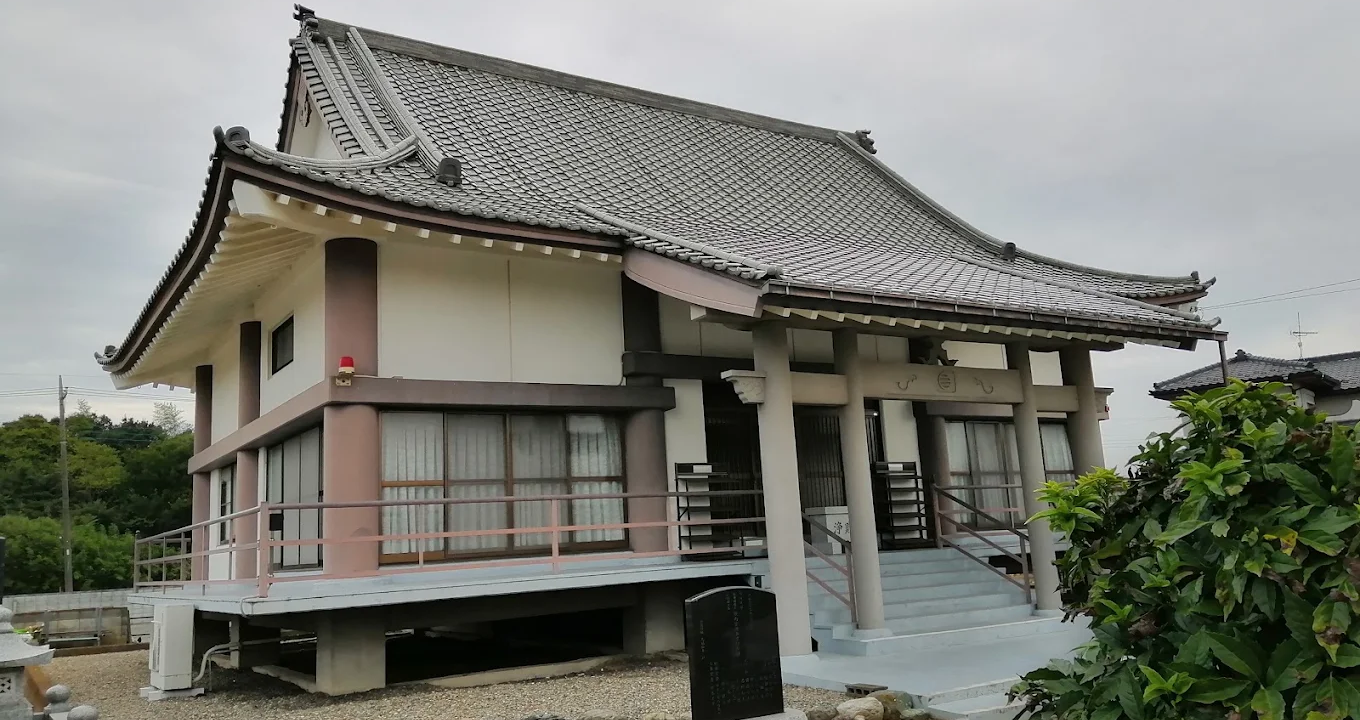
Complete Guide to Toinji Temple (Saitama Prefecture): History, Highlights, and Access Information
About Toinji Temple
Toinji Temple is a historic Buddhist temple located in Saitama Prefecture. It has a long history as a center of local faith and is known as a temple visited by many worshippers. This article will introduce the charm of this temple in its entirety, from its historical background to its highlights within the temple grounds and information on visiting hours.
While there are many temples scattered throughout Saitama Prefecture, Toinji Temple is a special place deeply intertwined with the history of the region. Its tranquil grounds provide a precious space for people seeking peace of mind away from the hustle and bustle of urban areas.
History of Toinji Temple
Origin of Founding and Temple Name
The founding of Toinji Temple is closely related to the history of the region. The temple name “Toin” is said to symbolize the eastward spread of Buddhist culture in the region. According to records dating back to the Edo period, the temple developed as a spiritual pillar of the community, supported by influential figures and parishioners in the region.
Through its establishment, the temple played various roles in response to the social conditions and needs of the region at the time. In particular, it functioned as a center for the education and cultural activities of local residents, and has a history of being cherished as more than just a religious institution.
Successive Chief Priests and the Temple’s Development
Essential to understanding the history of Toinji Temple are the temple’s management and contributions to the community by successive chief priests. Each chief priest not only spread Buddhist teachings but also addressed the challenges of the community, becoming a source of emotional support for the people.
Having overcome the difficult period of the anti-Buddhist movement during the Meiji era, the temple played a crucial role in rebuilding the community during the post-war reconstruction period. To this day, it continues to uphold tradition while adapting to the times.
Connections with the Community
Toinji Temple is not merely a religious institution, but also an important place that conveys the history and culture of the region. The various events and memorial services held throughout the year provide opportunities to deepen the bonds among local residents and function as a place for intergenerational exchange. Especially during the Obon and Higan periods, many parishioners and worshippers visit, making it a place to reaffirm family bonds through ancestral worship. Furthermore, it has deep ties with local traditional events, playing a central role in festivals and annual ceremonies.
Highlights of the Temple Grounds
Main Hall (Kondo)
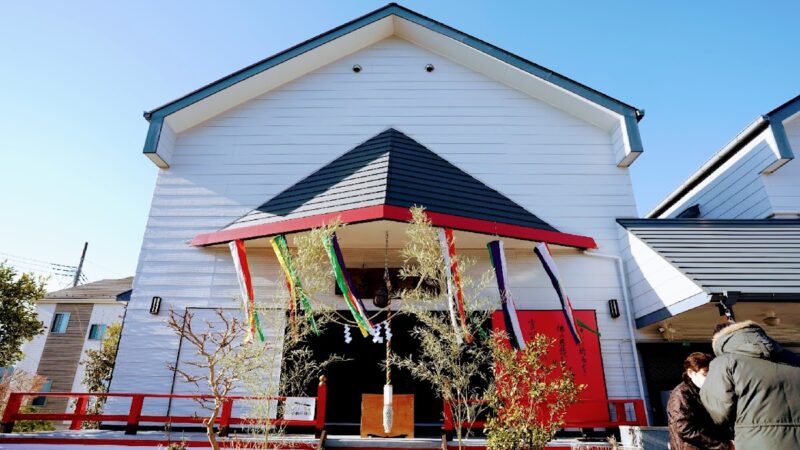
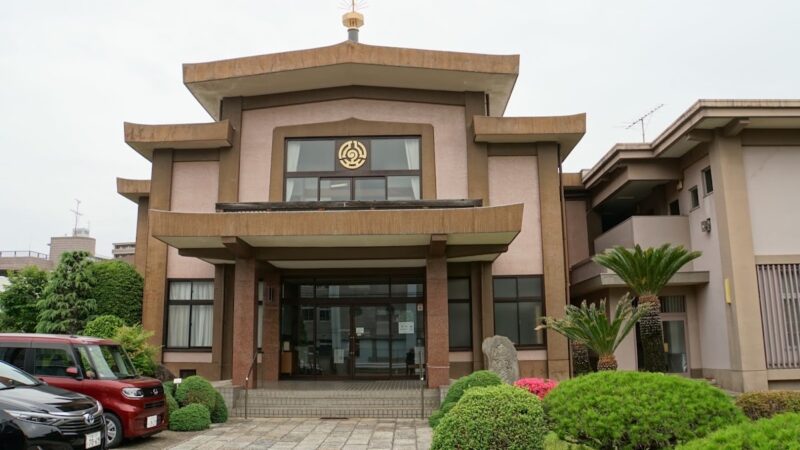
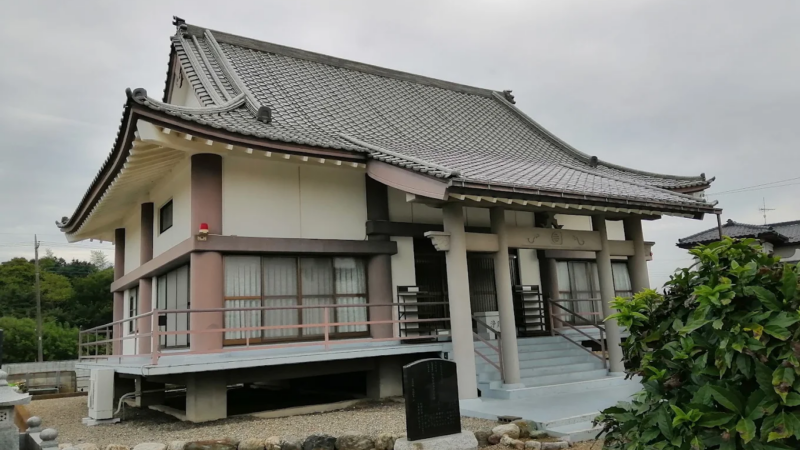
The main hall is the central building of Toinji Temple. While the current main hall follows the traditional style of temple architecture, its structure is adapted to the local climate and environment. The principal image is enshrined inside, and daily services and religious ceremonies are held here.
The architectural style of the main hall embodies the finest craftsmanship passed down from the Edo period, and the detailed decorations and carvings express the aesthetic sensibilities and faith of the time. In particular, the carvings on the transoms and the ceiling paintings depict Buddhist narratives and natural landscapes, delighting the eyes of worshippers.
Upon entering the hall, one is enveloped in a solemn atmosphere, and one’s mind naturally becomes calm. The space, filled with the scent of incense and the sound of chanting, is a special place that allows you to forget the hustle and bustle of everyday life.
Temple Buildings
Besides the main hall, several other buildings are located within the grounds of Toinji Temple. Each of these has a specific role and supports the overall function of the temple.
The Kuri (temple kitchen) is the living space for the head priest and temple family, as well as the place where the practical affairs of temple management are carried out. The Nokyosho (temple stamp office) is where temple stamps are issued and various prayers are accepted, serving as a point of contact with visitors.
A temple bell hangs in the bell tower, announcing the time in the morning and evening, and is also cherished by the local people as the New Year’s Eve bell. Its sound resonates throughout the surrounding area, becoming a seasonal tradition that evokes a sense of the changing seasons.
Gardens and Natural Environment
The grounds of Toinji Temple are blessed with the natural beauty of each season. The carefully maintained gardens are planted with plants that show different expressions in each season, soothing the hearts of visitors.
In spring, cherry blossoms bloom in profusion, painting the temple grounds in a delicate pink hue. In early summer, the fresh greenery is dazzling, and during the rainy season, hydrangeas bloom in vibrant colors. In autumn, the autumn leaves are beautiful, and in winter, the snowscape creates a serene atmosphere.
This natural environment is not merely decorative; it provides visitors with a profound understanding of the Buddhist teaching of “impermanence.” It is a precious space where one can feel the cycle of life and the flow of time through the changing seasons.
Buddhist Statues and Temple Treasures
Toinji Temple houses several Buddhist statues, including the principal image. These statues have been carefully preserved as objects of worship throughout its long history.
The principal image is either a Tathagata, Bodhisattva, or Myoo, each with a different role and meaning. Tathagatas are worshipped as enlightened beings, Bodhisattvas as beings who pray for the salvation of all sentient beings, and Myoo as powerful beings who crush worldly desires.
Furthermore, the ancient documents and Buddhist artifacts preserved as temple treasures contain valuable information that tells the story of the region’s history. While usually not open to the public, these are sometimes displayed on special occasions, making them invaluable resources for historical research.
Annual Events and Memorial Services
Major Annual Events
At Toinji Temple, various Buddhist events and memorial services are held throughout the year. These events provide opportunities to learn and practice Buddhist teachings, while also serving as important occasions for strengthening the bonds of the local community.
Shushōe is held in January as the first memorial service of the new year. Many parishioners and worshippers gather to pray for peace and happiness throughout the year.
During the spring and autumn equinoxes, memorial services for ancestors are held. The equinoxes are considered a time to reflect on the other world, and the temple is bustling with people visiting graves and participating in memorial services.
During the Obon season, the Urabon-e ceremony is held to welcome and honor the spirits of ancestors. A Segaki memorial service is also held concurrently, offering prayers for all spirits.
Monthly Events
Toinji Temple also holds regular monthly events. These monthly services include ancestral memorial services for parishioners and memorial services for stillborn babies, providing opportunities to engage with Buddhism in daily life.
In addition, regular sutra copying sessions and Dharma talks are held, serving as a place to learn Buddhist teachings and cultivate inner peace. These activities are gaining attention as practical methods for alleviating stress and anxiety in modern society and achieving inner peace.
Special Memorial Services and Prayers
Toinji Temple also accepts personal prayers and memorial services. Prayers are offered for various wishes, such as family safety, business prosperity, academic success, and recovery from illness.
Special prayers can be offered, especially during significant life events such as a baby’s first shrine visit, Shichi-Go-San (a traditional rite of passage for children), exorcism, and a 60th birthday celebration. These ceremonies are important opportunities to seek the protection of Buddha and find spiritual support during crucial moments in life.
Visiting Information
Opening Hours and Visiting Hours
The grounds of Toinji Temple are generally open during daytime hours. While opening hours vary slightly depending on the season, they are generally as follows:
Opening Hours: 6:00 AM to 5:00 PM (may vary seasonally)
Main Hall Visiting Hours: 9:00 AM to 4:00 PM (reception until 3:30 PM)
However, visiting hours may change during religious services and events, so it is recommended to check in advance. Also, opening hours may differ from the usual during the New Year holidays and other special periods.
Admission Fee
While strolling through the grounds of Toinji Temple is generally free, a donation may be requested for maintenance costs when viewing the interior of the main hall or during special public viewings.
Regular Visit: Free entry to the grounds (donation required)
Main Hall Visit: Approximately 300 yen (guideline)
Special Visit: Varies depending on the content
These donations are carefully used for the maintenance of the temple, the protection of cultural properties, and the operation of various activities.
Manners for Visiting a Temple
When visiting a temple, it is important to observe several basic manners.
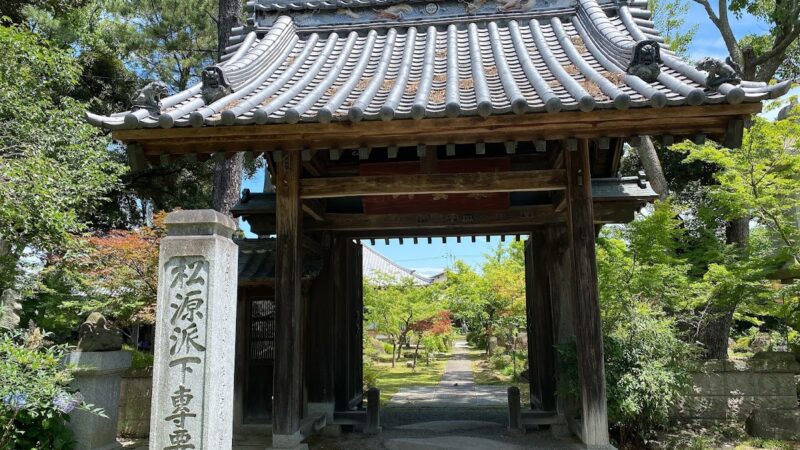
- Bow at the Temple Gate: When entering the temple grounds, bow at the temple gate. This is a gesture of respect for entering the realm of Buddha.
- Respectful Attitude: Refrain from loud conversations and noisy behavior within the temple grounds, and pray quietly.
- Photography: Even in areas where photography is permitted, please be considerate of other visitors. Photography inside the main hall and of Buddha statues may be prohibited, so please check beforehand.
- Proper Worship: In front of the main hall, join your hands in prayer and offer your prayers quietly. Bringing prayer beads will make your visit more respectful.
- Offerings: Offerings are a way of expressing gratitude. The amount is not as important as the sincerity of your gratitude.
Access Information
Location
Toinji Temple is located in a specific city or town within Saitama Prefecture. For the detailed address, it is recommended to inquire with the temple beforehand or check official information.
Access by Public Transportation
By Train:
The distance and travel time from the nearest station vary depending on the temple’s specific location. Generally, access is by walking or taking a bus from the nearest JR or private railway station.
If you plan to use the bus from the station, it’s helpful to check the local community bus and route bus timetables in advance. Since the number of buses may be limited, it’s recommended to plan with plenty of leeway.
If using the bus:
While the temple is often within walking distance of the nearest bus stop, it’s reassuring to check the specific route from the bus stop using a map app beforehand.
Access by car
Access from major roads:
If visiting by car, access the temple via local roads from the nearest highway interchange. Entering the temple name or address into your car’s navigation system will guide you to the appropriate route.
Parking:
Toinji Temple has a parking lot for visitors. However, congestion is expected during religious services and events, so please consider using public transportation. Parking is limited, so early arrival is recommended, especially on days when congestion is expected.
Parking is generally free, but donations may be requested as support for the temple’s maintenance.
Nearby Attractions
Local Historical Sites
The area surrounding Higashiinji Temple is dotted with spots where you can experience the history and culture of Saitama Prefecture. Other temples and shrines are also located in the same area, making it possible to combine them into a historical walking tour.
Local history museums and folk museums offer insights into the origins and cultural background of the region, helping to deepen your understanding of Higashiinji Temple’s historical significance.
Natural Environment and Walking Trails
The area surrounding the temple is blessed with Saitama Prefecture’s rich natural environment, allowing visitors to enjoy the scenery of each season. It’s possible to spend a relaxing time by combining it with visits to nearby parks and green spaces.
Especially during the cherry blossom season in spring and the autumn foliage season, the entire surrounding area is enveloped in beautiful scenery, attracting more visitors who enjoy nature walks in addition to temple visits.
What You Can Experience at Higashiinji Temple
Sutra Copying Experience
Higashiinji Temple regularly holds sutra copying sessions. Sutra copying is a practice of carefully transcribing Buddhist scriptures character by character, believed to have the effect of calming the mind and improving concentration.
Careful instruction is provided so that even beginners can participate. All necessary materials are provided by the temple, so you can participate empty-handed. Through sutra copying, you can escape the hustle and bustle of everyday life and spend a valuable time confronting yourself.
Zen Meditation and Sitting Sessions
For modern people seeking inner peace, Zen meditation and sitting meditation are effective practices. Toinji Temple regularly holds Zen meditation and sitting meditation sessions, open to a wide range of participants, from beginners to experienced practitioners.
Zen meditation, held in the quiet main hall or Zen meditation hall, allows you to regulate your breathing and calm your mind, providing an experience of liberation from daily stress. Careful explanations are provided by instructors, so even first-timers can participate with confidence.
Dharma Talks
In Dharma talks by the head priest, you can learn how to apply Buddhist teachings to modern life. Difficult Buddhist terms are explained in an easy-to-understand way, conveying practical wisdom for daily life.
Dharma talks are not just about listening to lectures; they also serve as a forum for interaction among participants, providing an opportunity to deepen connections with people who share similar interests.
Cultural Significance of Toinji Temple
Preservation of Local Culture
Toinji Temple transcends mere religious institutions, playing a crucial role in the preservation of local culture. Through traditional Buddhist ceremonies and festivals, culture is transmitted across generations.
In particular, its deep connection with local traditional performing arts and folk customs makes the temple a core element of local identity. These cultural activities strengthen community bonds and become a source of pride for residents.
Educational Function
Historically, temples have also functioned as educational institutions. During the Edo period, they served as terakoya (temple schools), teaching reading, writing, and morals to local children.
Even today, Toinji Temple offers various learning opportunities. Through Buddhist lectures and cultural classes, people of all ages can deepen their learning. Furthermore, through collaboration with local schools, it provides opportunities for children to experience traditional culture.
Role as a Place of Spiritual Support
In modern society, more and more people are seeking peace of mind and spiritual support. Toinji Temple serves as a place of spiritual support for such people.
Buddhist teachings offer universal wisdom for the worries and suffering faced in various aspects of life. Many people have regained their inner peace through dialogue with the head priest and temple staff.
Seasonal Guide to Visiting Toinji Temple
Spring (March-May)
In spring, Toinji Temple is enveloped in a vibrant atmosphere with the blooming cherry blossoms. The time when the cherry blossoms in the temple grounds are in full bloom is a popular season, attracting many visitors.
During the spring equinox, memorial services for ancestors are held, and the temple is bustling with families. The beauty of the fresh greenery is exceptional, making it a season where you can feel the breath of life.
Recommended Points: Quiet worship under the cherry blossoms, participation in the spring equinox memorial service
Summer (June-August)
In early summer, hydrangeas adorn the temple grounds, allowing you to enjoy the unique atmosphere of the rainy season. Summer is also a time when there are relatively few visitors, allowing for a relaxed time.
During the Obon period, the Urabon-e ceremony is held, and many people visit to pay respects to their ancestors. The temple grounds in the summer twilight have a cool and calming atmosphere.
Recommended Points: Hydrangea viewing, participation in the Obon memorial service, evening worship
Autumn (September-November)
Autumn is one of the most beautiful seasons at Toinji Temple. The autumn leaves vividly color the temple grounds, allowing you to fully enjoy the atmosphere of Japanese autumn.
Ancestral memorial services are held again during the autumn equinox, and many families visit. Visiting the temple in the crisp, clear air is a refreshing experience for both mind and body.
Recommended Points: Enjoying the autumn foliage, participating in the autumn equinox memorial service, and strolling around the area to enjoy autumn delicacies.
Winter (December-February)
Winter at Toinji Temple is characterized by its solemn atmosphere enveloped in silence. When it snows, the temple grounds transform into a fantastical world of white.
During the New Year period, special events such as the ringing of the temple bell on New Year’s Eve and the Shushō-e ceremony are held to welcome the new year. The temple is bustling with visitors for the first shrine visit of the year, and you can see people welcoming the start of the year before the Buddha.
Recommended Points: Ringing the temple bell on New Year’s Eve, first shrine visit of the year, and strolling through the temple grounds in the snow.
Contacting Toinji Temple
Inquiries Regarding Visits
For detailed information regarding visits to Toinji Temple and participation in events, we recommend contacting the temple directly. While telephone inquiries are the most reliable, contacting the temple in advance before visiting will ensure a more courteous response.
Especially if you are planning a group visit or wish to request a special prayer, advance reservations may be required.
Application for Various Prayers and Memorial Services
For various prayers such as family safety, business prosperity, and academic success, or for memorial services such as ancestral veneration or memorial services for stillborn babies, it is advisable to consult with the temple in advance.
When applying, please inform them of the content of the prayer, the date and time, and the number of participants so that you can receive appropriate guidance. You can also feel free to ask about the appropriate amount for the offering.
Participation in Sutra Copying and Zen Meditation Sessions
If you wish to participate in regularly held sutra copying or Zen meditation sessions, please check the date, time, and participation method in advance. There may also be orientation sessions for first-time participants.
It is also a good idea to check the participation fee and what to bring in advance. In most cases, arrangements are made to make it easy for beginners to participate.
Summary
Toinji Temple (Saitama Prefecture) is a long-established temple rooted in the community, and has been a center of faith and culture for many people. The tranquil atmosphere of the temple grounds offers a precious space for those seeking peace of mind, far removed from the hustle and bustle of modern society.
The temple buildings, including the main hall, the beauty of nature throughout the seasons, and the various events and ceremonies held throughout the year offer visitors profound inspiration and insight. Through experiential programs such as sutra copying and Zen meditation, visitors can also practically learn Buddhist teachings.
When visiting Saitama Prefecture, be sure to visit Toinji Temple and experience traditional Japanese temple culture and local history. The time spent in the quiet grounds will bring a sense of fulfillment rarely found in daily life.
As a historic temple and a center of the local community, Toinji Temple will continue to be a spiritual haven for many people. Through worship, you can connect with Buddhist wisdom and have an opportunity to reflect on yourself.
Please visit Toinji Temple many times to fully appreciate its charm, as it displays different expressions in each of the four seasons.