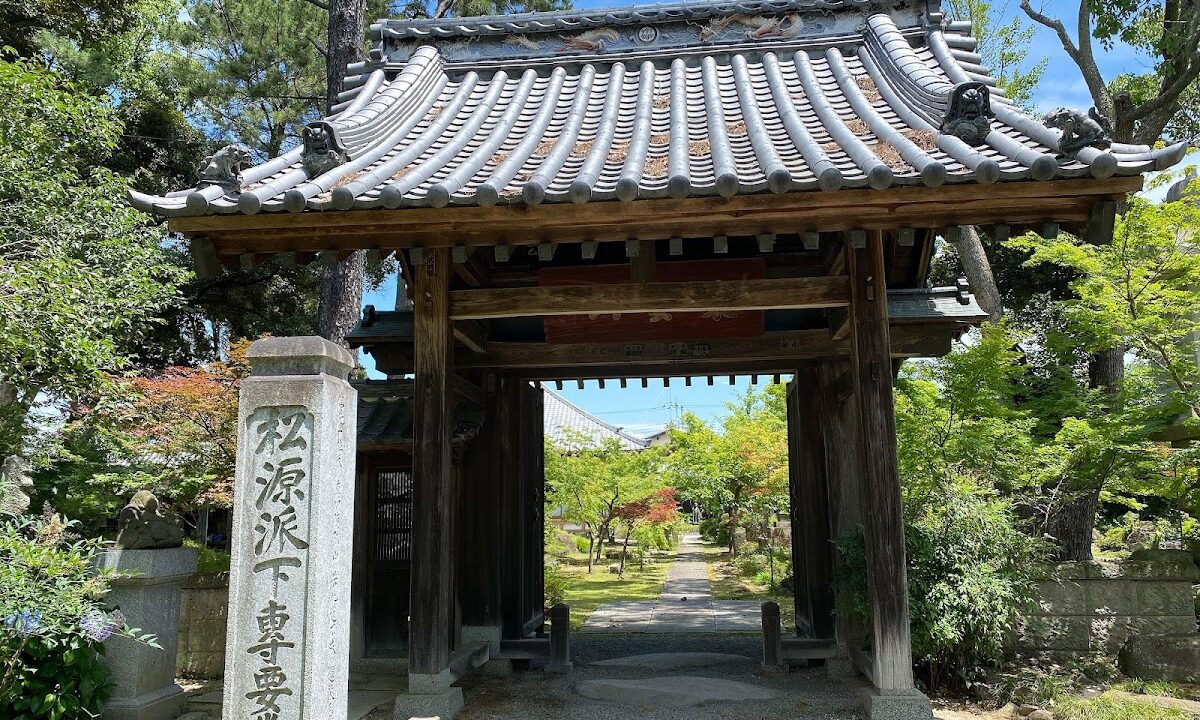
Honeiji Temple (Kazo City, Saitama Prefecture) Complete Guide: The History of the Kamakura Period and the Charm of the Amida Triad Statue by Sokei
Honeiji Temple, nestled in Hidean, Kazo City, Saitama Prefecture, is an ancient temple of the Myoshinji branch of the Rinzai school, founded at the end of the Kamakura period. With nearly 700 years of history, this temple houses valuable cultural assets, including the Amida Triad statue created by the Kei school sculptor Sokei, and conveys the spirit of Zen amidst a tranquil rural landscape. This article provides a detailed explanation of Honeiji Temple’s history, highlights, access methods, and the value of a visit.
History and Origins of Honeiji Temple
Founded at the End of the Kamakura Period
Honeiji Temple was founded in 1330 (Gentoku 2) by Zen Master Gyokuzan Tokusen. This period coincided with the end of the Kamakura Shogunate, a time when Zen Buddhism was deeply ingrained in samurai society. Reflecting its founding date, roof tiles and stone steles from the Kamakura period have been unearthed from the temple grounds, conveying the state of faith at that time.
Its mountain name is “Toanzan,” and as a Zen temple belonging to the Myoshinji branch of the Rinzai school, it has played a central role in Buddhist culture in northeastern Saitama Prefecture.
As a temple of the Myoshinji branch of the Rinzai school
The Rinzai school is a branch of Zen Buddhism that was introduced from China, and the Myoshinji branch is the largest of them. Hōnei-ji Temple, as a temple of the Myoshinji branch, has continued its practice centered on zazen (seated meditation) and missionary activities in the local community. The teachings of Zen, “no reliance on words” and “transmission of mind,” continue to bring peace of mind to many worshippers today.
Role in the Kazo region
Kazo City in Saitama Prefecture is located in the Tone River basin and has flourished since ancient times as an important hub for water transport. Hōnei-ji Temple has played an important role as a center of faith and culture for the people of this region. This temple has walked hand in hand with the history of the region from the late Kamakura period to the present day.
Cultural Assets and Highlights of Hōnei-ji Temple
Amida Triad by Sōkei: A Masterpiece of the Kei School of Buddhist Sculptors
The greatest highlight of Hōnei-ji Temple is the Amida Triad, created by Sōkei, a Buddhist sculptor of the Kei school. This triad is highly regarded as an excellent example of Buddhist sculpture from the Kamakura period.
About the Kei School and Sōkei
The Kei school was a leading group of Buddhist sculptors of the Kamakura period, producing many famous sculptors such as Unkei, Kaikei, and Tankei. Sōkei was a Buddhist sculptor who worked as a disciple or in the school of Unkei, and while inheriting the realistic and powerful style of the Kei school, he left behind works that added his own unique elegance.
Sōkei’s period of activity is thought to be from the late 13th century to the early 14th century, which roughly coincides with the founding of Hōnei-ji Temple. This suggests that this Amida Triad statue was likely enshrined here from the temple’s founding.
Characteristics of the Amida Triad Statue
This is a triad statue with Amida Buddha at the center, flanked by Kannon Bodhisattva on the right and Seishi Bodhisattva on the left. The skill of Sokei, a highly accomplished member of the Kei school, is evident throughout, and it has the following characteristics:
- Realistic Expression: The facial expressions and body proportions are natural, giving a lively impression.
- Powerful Form: The drapery is deeply carved, resulting in excellent three-dimensionality.
- Graceful Posture: In addition to the strength characteristic of the Kei school, it expresses the compassionate atmosphere befitting Amida Buddha.
- Condition: It remains in excellent condition despite being over 700 years old.
This Amida Triad statue is attracting attention from Buddhist statue researchers and enthusiasts as a valuable example for understanding Buddhist art of the Kamakura period.
Artifacts from the Kamakura Period
Excavations within the temple grounds have unearthed roof tiles and stone steles from the Kamakura period. These artifacts are important evidence that Hōnei-ji Temple was indeed founded at the end of the Kamakura period.
Stone steles are a type of memorial tower and provide clues to the religious practices and local community conditions of the time. The unearthed artifacts suggest that Hōnei-ji Temple was widely revered by the local people from its founding.
Atmosphere and Architecture of the Temple Grounds
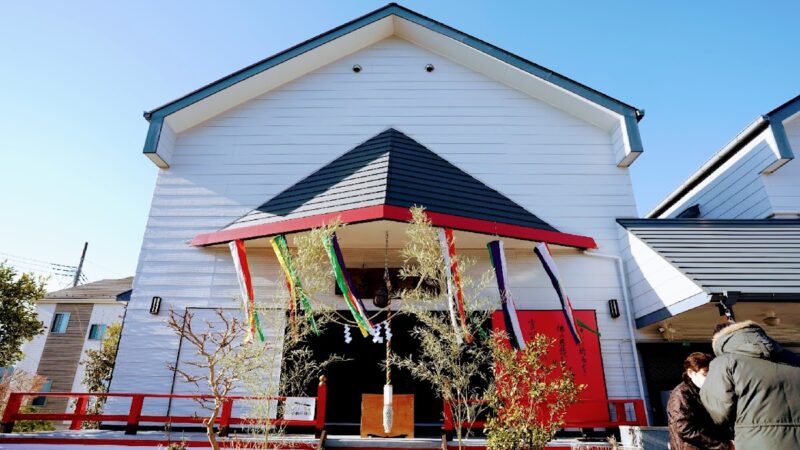
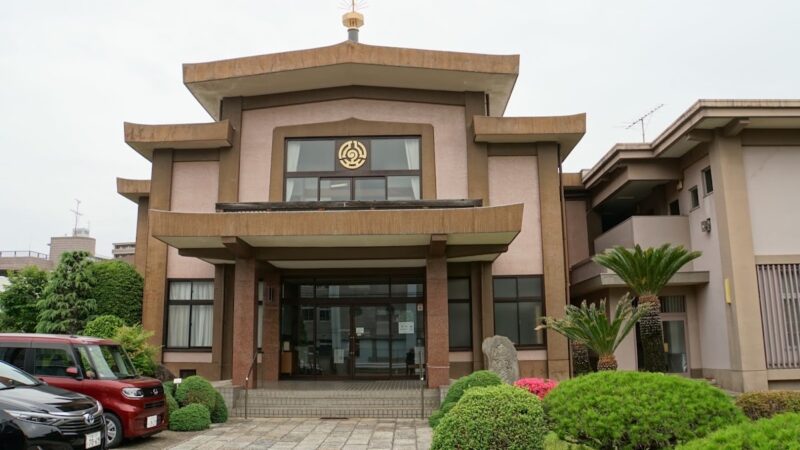
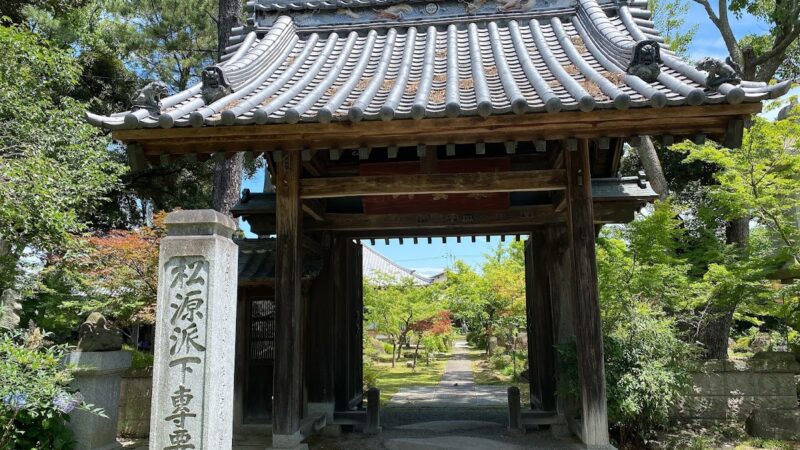
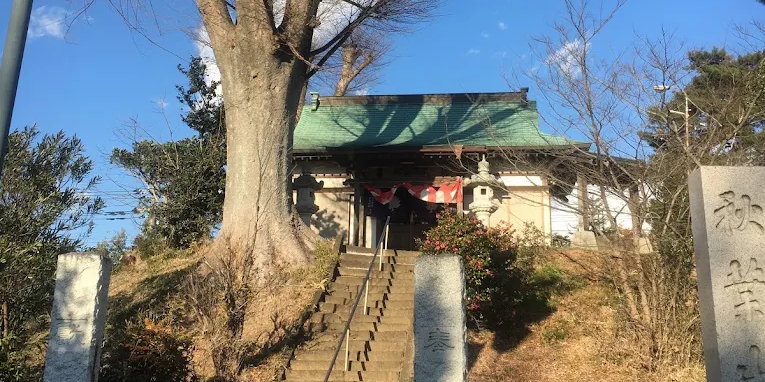
Hōnei-ji Temple’s grounds are situated amidst a quiet rural landscape, enveloped in a simple and tranquil atmosphere characteristic of a Zen temple. The temple buildings, including the main hall, maintain a typical layout for a Rinzai Zen temple, offering peace of mind to visitors.
Various flowers and trees adorn the grounds throughout the seasons, and the scenery is particularly beautiful during the cherry blossom season in spring and the autumn foliage season.
How to Access Hōnei-ji Temple
Access by Public Transportation
Hōnei-ji Temple is located in Kazo City, in the northeastern part of Saitama Prefecture. Access by public transportation is as follows:
Train and Bus Combination
- Get off at the north exit of Kazo Station on the Tobu Isesaki Line.
- Take the Asahi Bus bound for Kōnosu (approximately 10 minutes).
- Get off at the Hidean bus stop.
- Walk west from the bus stop for approximately 10 minutes.
Kazo Station is a major station on the Tobu Isesaki Line, making it convenient to access from the Asakusa area. Since bus service is limited, it is recommended to check the timetable in advance.
Access by Car
If traveling by car, the following route is convenient:
- Approximately 15 minutes from the Kazo Interchange on the Tohoku Expressway.
- Accessible via National Route 125.
There is parking space on the temple grounds, but it is recommended to check with the temple in advance.
Address and Contact Information
Address: 1286 Hidean, Kazo City, Saitama Prefecture
Sect: Rinzai Zen Myoshinji School
Mountain Name: Toanzan
If you wish to visit the temple or view cultural properties, it is recommended that you contact the temple in advance. In particular, viewing the Amida Triad statue may require advance reservations.
Points and Precautions for Visiting
About Viewing
Viewing cultural properties, including the Amida Triad statue at Hōnei-ji Temple, usually requires advance reservations. When planning a visit, be sure to contact the temple in advance to confirm available viewing dates and times.
Please note the following points during your visit:
- Photography of Buddhist statues is generally prohibited, so please check in advance.
- Please pray quietly and be considerate of other visitors.
- Smoking is prohibited on the temple grounds.
- Please avoid directly touching the cultural properties.
About Goshuin (Temple Seals)
Goshuin (temple seals) are available at Hōnei-ji Temple. However, since they don’t always provide this service, it’s recommended to contact them in advance to confirm if you wish to receive a Goshuin (temple stamp).
The Goshuin will have the calligraphy of “Higashi Anzan Hōnei-ji” and the temple’s seal stamped on it, making it a memento of your visit. Bring your Goshuincho (stamp book) and make your request respectfully.
Best Time to Visit
Hōnei-ji Temple is open year-round, but the following times are particularly recommended:
- Spring (March-May): Cherry blossoms and fresh greenery are beautiful, and the mild weather makes it ideal for visiting.
- Autumn (September-November): Autumn leaves color the temple grounds, creating a tranquil atmosphere for worship.
- Winter (December-February): The temple grounds are enveloped in silence, allowing you to more deeply experience the spirit of Zen.
Due to the intense heat of summer, early morning or evening visits are recommended.
Attractions Around Hōnei-ji Temple
Tourist Spots in Kazo City
When visiting Hōnei-ji Temple, we recommend also visiting other tourist spots in Kazo City:
Kazo Mirai-kan
A facility with a science museum and planetarium, popular with families.
Kisai Castle
A facility that recreates the ruins of a castle from the Sengoku period, where you can learn about the history of Kazo City.
Around Kazo City Gymnasium
There is a large park, suitable for strolling and picnicking.
Nearby Temples and Shrines
There are many other historical temples and shrines scattered around Kazo City. Visiting them in conjunction with Hōnei-ji Temple will allow you to gain a deeper understanding of the region’s Buddhist culture.
Local Specialties
Kazo City is known as the “City of Carp Streamers,” and is a major producer of carp streamers. It is also famous as a udon noodle producing area, and “Kazo Udon” is a local specialty. After visiting the temple, we recommend enjoying a meal at a local udon restaurant. ## Annual Events at Hōnei-ji Temple
Hōnei-ji Temple, as a Rinzai Zen Buddhist temple, holds various annual events. The main events include the following:
Spring Events (March-May)
- Spring Equinox Memorial Service: A memorial service is held to honor ancestors.
- Flower Festival (Buddha’s Birthday): A celebration of the birth of Buddha.
Summer Events (June-August)
- Obon Festival: A memorial service is held during the Obon period to honor ancestors.
Autumn Events (September-November)
- Autumn Equinox Memorial Service: Similar to the spring service, this is a memorial service for ancestors.
Winter Events (December-February)
- New Year’s Eve Bell Ringing: It may be possible to ring the New Year’s Eve bell on New Year’s Eve.
- New Year’s Day Ceremony: A memorial service to welcome the New Year.
For details on events and how to participate, please contact the temple directly.
Hōnei-ji Temple as a Zen Temple
Rinzai Zen Teachings
Hōnei-ji Temple belongs to the Rinzai school of Zen Buddhism, a branch that emphasizes practice centered on seated meditation (zazen). It is characterized by a training method using koans (Zen dialogues) called “Kanwa Zen,” aiming for enlightenment through direct dialogue with a master.
The core of Rinzai Zen teachings lies in the following points:
- Direct Pointing to the Mind: Directly pointing to the mind without relying on words or writing
- Seeing One’s True Nature and Attaining Buddhahood: Attaining enlightenment by discerning one’s true nature
- No Reliance on Words and Letters: Teachings that do not rely on words or writing
Possibility of Zazen Experience
Many Zen temples hold zazen sessions for the general public, but please contact Hōnei-ji Temple directly regarding the availability of zazen experiences. Zazen is a valuable opportunity to quiet the mind and reflect on oneself.
Cultural Value of Hōnei-ji Temple
A Temple Conveying Buddhist Culture of the Kamakura Period
Hōnei-ji Temple is one of the few ancient temples in Saitama Prefecture, with a history dating back to its founding at the end of the Kamakura period. The Amida Triad statue, created by Sōkei, is a valuable cultural asset that conveys the techniques and aesthetic sensibilities of the Kei school of Buddhist sculptors, exemplified by Unkei, and holds an important position in the history of Buddhist art.
Inheritance of Regional Culture
Within nearly 700 years of history, Hōnei-ji Temple has functioned as the center of spiritual culture in the Kazo region. It has attracted the faith of local people and is deeply connected to the community through weddings, funerals, and annual events.
Spread of Zen Culture
As a temple of the Myoshin-ji branch of the Rinzai school, Hōnei-ji Temple also plays a role in spreading Zen teachings in the region. The spirit of Zen has influenced many fields of Japanese culture, such as tea ceremony, flower arrangement, and calligraphy, and Hōnei-ji Temple is positioned as one of the origins of such culture.
A Recommendation for Visiting Hōnei-ji Temple
Why You Should Visit Hōnei-ji Temple
By visiting Hōnei-ji Temple, you can have the following experiences:
- Appreciation of Kamakura Period Buddhist Art: The Amida Triad statue by Sōkei offers a rare opportunity to see the excellent skills of the Kei school of Buddhist sculptors up close.
- Understanding History: By experiencing the atmosphere of a temple with nearly 700 years of history, you can truly appreciate the depth of Japanese Buddhist culture.
- Peace of Mind: Visiting the quiet temple grounds provides a time to calm your mind away from the hustle and bustle of everyday life.
- Experiencing the Spirit of Zen: As a Rinzai Zen temple, you can feel the teachings and spirituality of Zen.
Mindset for Visiting
When visiting a temple, please keep the following points in mind:
- With Respect: Show respect to the temple and its cultural assets with their long history.
- Quietly: Spend time quietly on the temple grounds and respect the atmosphere as a place for meditation and prayer.
- Please observe proper etiquette: Please respect the temple’s rules, including areas where photography and entry are prohibited.
- Prepare in advance: If you wish to visit or receive a temple stamp, please contact the temple beforehand to confirm.
Summary: The Charm and Value of Visiting Hōnei-ji Temple
Hōnei-ji Temple in Kazo City, Saitama Prefecture, is an ancient temple of the Myoshin-ji branch of the Rinzai school, boasting a history of nearly 700 years since its founding in 1330. It houses a valuable cultural asset: a statue of Amida Triad created by the Kei school sculptor, Sōkei, preserving Buddhist art from the Kamakura period.
Nestled amidst a tranquil rural landscape, Hōnei-ji Temple is filled with a calm atmosphere that evokes the spirit of Zen, offering peace of mind to visitors. The opportunity to see Sōkei’s works, a successor to Unkei’s lineage, up close is rare, making it a temple worth visiting not only for Buddhist statue enthusiasts but also for those interested in Japanese history and culture.
It is accessible by bus and on foot from Kazo Station on the Tobu Isesaki Line, making it suitable for day trips. If you wish to view the Amida Triad statues, advance reservations are required, so please be sure to contact the temple before your visit.
When you visit Kazo City, we highly recommend visiting Hōnei-ji Temple and experiencing its history, culture, and the spirit of Zen, which have continued since the Kamakura period. The time spent in its tranquility will allow you to forget the hustle and bustle of modern society and bring deep peace to your heart.