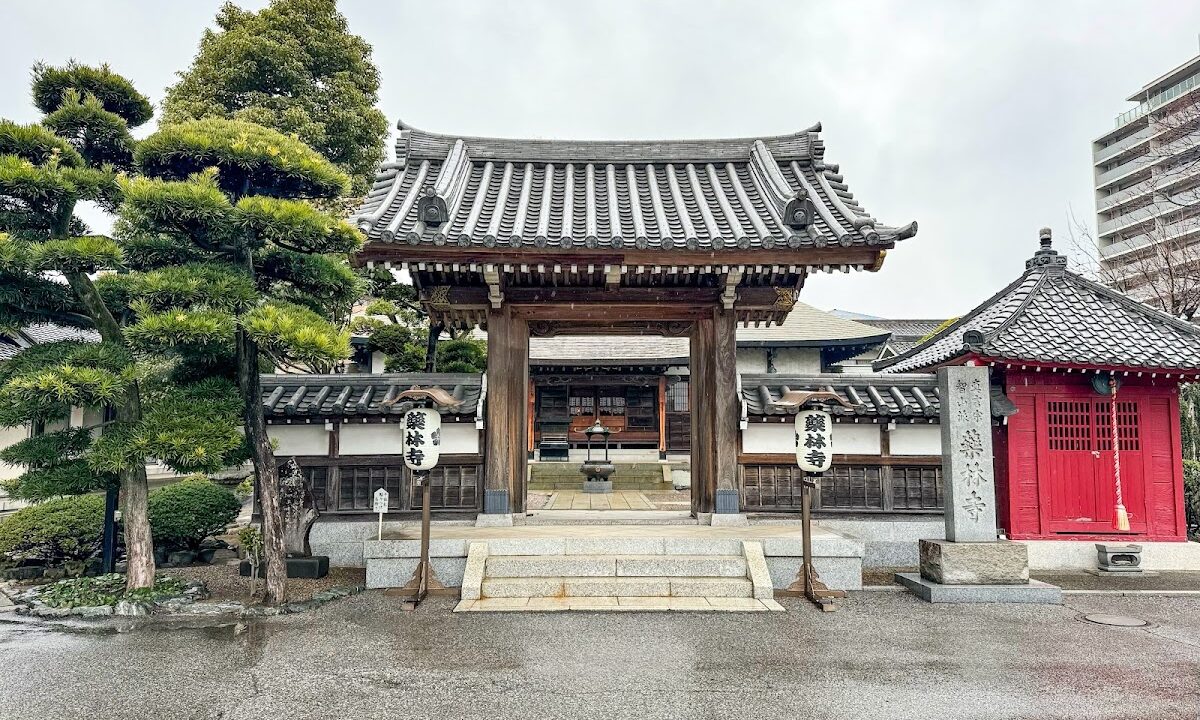
Yakurinji Temple (Kawaguchi City, Saitama Prefecture) Complete Guide | History, Goshuin (Temple Seal), and Access Information
About Yakurinji Temple
Yakurinji Temple is a Shingon sect Chizan school temple located in Asahi 1-chome, Kawaguchi City, Saitama Prefecture. It is a historic temple founded during the Muromachi period and is affectionately known locally as “Oka no Yakushi” (Yakushi of the Hill). Within the temple grounds is a Yakushi-do (Yakushi Hall), considered one of the three Yakushi temples of Kawaguchi, and has long attracted the faith of local people.
Its mountain name is Ruri-san, and its principal image is Yakushi Nyorai (Medicine Buddha). Currently, Yakurinji Temple boasts a grounds where modern temple buildings and a traditional Yakushi-do harmonize, and is known as a temple visited not only by parishioners and local residents but also by worshippers seeking Goshuin.
History of Yakurinji Temple
Founding and First Abbot
There are two theories regarding the founding of Yakurinji Temple. According to one theory, the temple was founded in Kansho 1 (1460) by the first abbot, Yujun. Another theory suggests it was founded in Bunmei 18 (1486) by Yuchin.
In any case, it is certain that the temple was founded in the mid-Muromachi period, a turbulent time leading up to the Sengoku period (Warring States period). It is said that at the time of its founding, it had a much larger temple complex than it does today, and is thought to have functioned as an important center of Shingon Esoteric Buddhism in the region.
Warfare and Reconstruction during the Tensho Era
During the Tensho era (1573-1592), the large temple complex of Yakurinji was destroyed by the warfare of the Sengoku period. This period was a time when the Kanto region was embroiled in fierce conflict, including the conflict between the Hojo and Uesugi clans, and Toyotomi Hideyoshi’s siege of Odawara.
Many temples suffered similar damage, but Yakurinji Temple gradually recovered during the Edo period. In particular, the Yakushi-do (Medicine Buddha Hall) is said to have been protected and rebuilt through the fervent faith of the local people.
Development in the Modern Era
Despite the impact of the anti-Buddhist movement after the Meiji Restoration, Yakurinji Temple survived as a center of local faith. Through the Showa and Heisei eras, in 1989 (Heisei 1) the temple grounds were renovated, leading to its current form.
In modern times, in addition to traditional temple activities, it engages in diverse activities to meet the needs of the times, such as operating a funeral hall and providing perpetual memorial graves.
Kawaguchi Three Yakushi: “Oka no Yakushi”
What are the Kawaguchi Three Yakushi?
The most distinctive feature of Yakurinji Temple is the Yakushi-do within its grounds, known as “Oka no Yakushi”. This Yakushi-do has been revered in the region as one of the Kawaguchi Three Yakushi.
The Kawaguchi Three Yakushi refers to the following three Yakushi Nyorai (Medicine Buddha) statues:
- Oka no Yakushi (Yakushi of Yakurinji Temple)
- Angyo Jirin no Yakushi (Yakushi of Jirinji Temple)
- Ryoke Koonji no Yakushi (Yakushi of Koonji Temple)
These have been the centers of Yakushi worship in the Kawaguchi region since the Edo period, attracting pilgrims seeking healing from illness and prayers for good health.
Yakushi Hall and Yakushi Nyorai
The Yakushi Hall of Yakurinji Temple houses a statue of Yakushi Nyorai. Yakushi Nyorai, formally known as “Yakushi Rurikō Nyorai,” is believed to be the principal deity of the Eastern Pure Land of Lapis Lazuli, possessing the merit of relieving the suffering of sentient beings and extending their lifespan.
The name “Oka no Yakushi” (Oka no Yakushi) is thought to originate from the fact that this area was located on a small hill. The Yakushi-do (Medicine Buddha Hall) on the temple grounds continues to attract many worshippers, who pray for good health and recovery from illness.
Highlights on the Temple Grounds
Main Hall
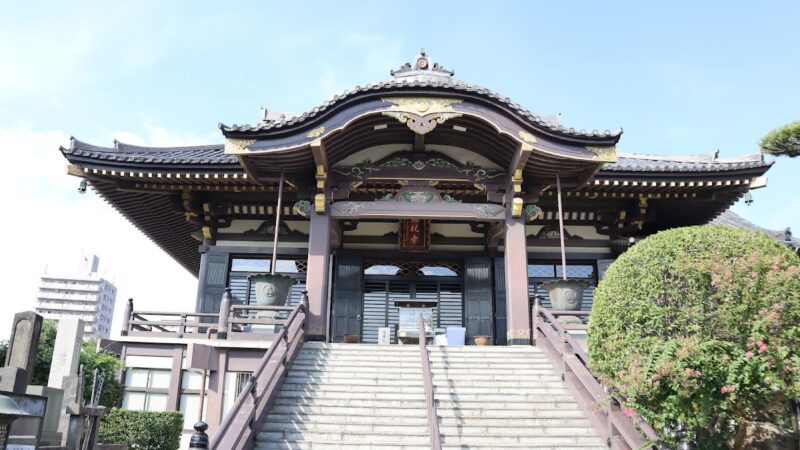
The main hall of Yakurinji Temple is a modern building incorporating the traditional style of Shingon Buddhism. The principal image, Yakushi Nyorai (Medicine Buddha), is enshrined in the inner sanctuary, where daily services and religious ceremonies are held.
Yakushi-do
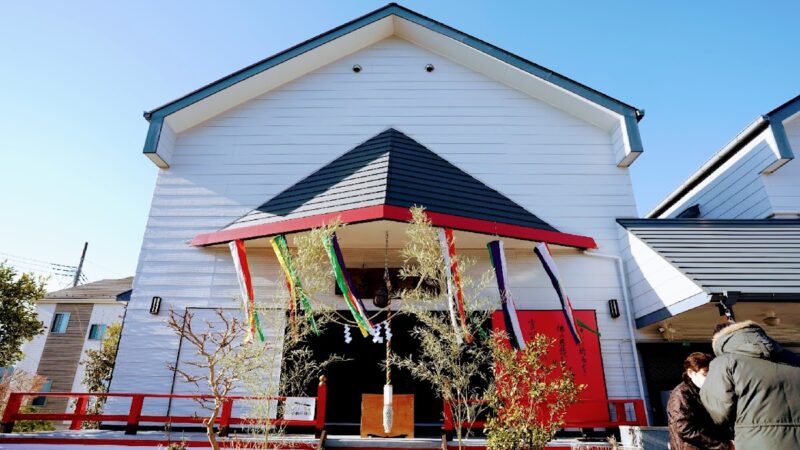
The Yakushi-do on the temple grounds is a historically significant building, one of the three Yakushi temples in Kawaguchi. Though small, it is a charming structure and an object of worship for the local community.
Yakurinji Hall
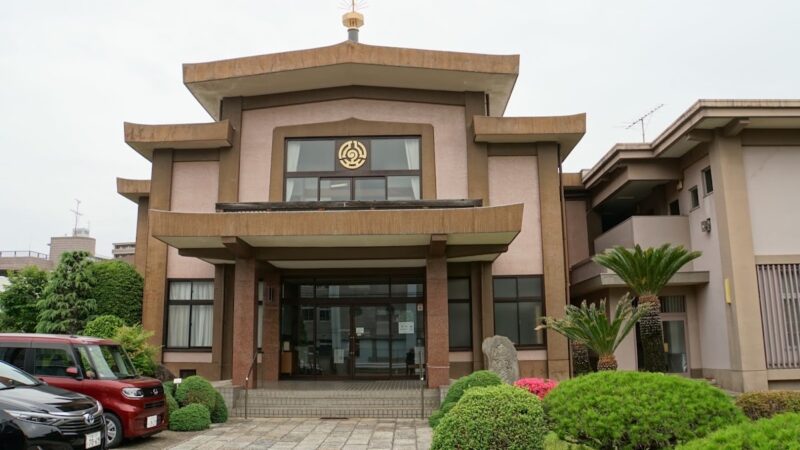
The temple grounds also house the Yakurinji Hall, a funeral hall. It can accommodate up to 80 seated guests and 150 mourners, and is open to the community regardless of religious affiliation. A parking lot with 70 spaces is also available, making it convenient for attendees traveling from afar.
Goshuin (Temple Seal) Information
You can receive a Goshuin at Yakurinji Temple. As a temple of the Shingon Chizan sect and one of the three Yakushi temples in Kawaguchi, the number of people seeking a Goshuin as a memento of their visit is increasing.
When requesting a Goshuin, it is recommended to confirm by phone in advance or inquire at the temple office during your visit. Please bring your Goshuincho (stamp book) and respectfully offer your prayers before requesting a Goshuin.
Main Events and Ceremonies Held at Yakurinji Temple
Annual Events
As a Shingon Buddhist temple, Yakurinji Temple holds various ceremonies and events throughout the year.
- First three days of the New Year: First shrine visit of the year, New Year’s prayers
- Spring and Autumn Equinoxes: Equinox memorial services
- Obon: Urabon-e (Buddhist festival)
- Yakushi Nyorai (Medicine Buddha) Memorial Day: 8th of every month (January 8th is especially important as the first Yakushi day)
Funerals and Memorial Services
Yakurinji Temple conducts funerals and memorial services for its parishioners and local residents. Funerals held at the Yakurinji Temple Hall range from family funerals to general funerals, and are conducted with care according to Shingon Buddhist customs.
Perpetual Memorial Services and Tree Burial
To meet the diverse needs of modern memorial services, Yakurinji Temple also offers perpetual memorial graves and columbariums. Perpetual memorial services are gaining attention as an option for those without successors or those who do not want to burden their descendants.
For detailed information on costs and usage conditions, please contact the temple directly for detailed guidance. Visitors are welcome; we recommend making a reservation in advance to see the temple grounds in person.
Access
Location
1-4-33 Asahi, Kawaguchi City, Saitama Prefecture 332-0001
Access by Train
Kawaguchi-Motogo Station on the Saitama Rapid Railway Line is the nearest station.
- Approximately 10-15 minutes on foot from Kawaguchi-Motogo Station
- Head east from the station and you will arrive at Yakurinji Temple after passing through the residential area.
It is also accessible from JR Keihin-Tohoku Line Kawaguchi Station, but it is a longer distance, so using a bus or taxi is more convenient.
Access by Bus
If using a bus from JR Kawaguchi Station, you can use Kokusai Kogyo Bus or Kawaguchi City Community Bus. Yakurinji Temple is a few minutes’ walk from the nearest bus stop.
Access by Car
It’s approximately 10-15 minutes from the Shingo IC or Kawaguchi-Nishi IC on the Shuto Expressway Kawaguchi Line. The temple grounds have a parking lot with a capacity of 70 cars, making it convenient for visitors arriving by car.
Nearby Attractions
Kawaguchi Three Yakushi Pilgrimage
When visiting Yakurinji Temple, why not also visit the other two Kawaguchi Three Yakushi temples: Jirinji Temple (Angyo) and Koonji Temple (Ryoke)? Visiting all three Yakushi Nyorai temples will provide a deeper religious experience and a better understanding of the local history.
Tourist Attractions in Kawaguchi City
Kawaguchi City has many attractions besides Yakurinji Temple:
- Kawaguchi Shrine: A shrine known as the guardian shrine of Kawaguchi
- Kawaguchi City Green Center: A large botanical garden where you can enjoy flowers of all seasons
- SKIP City: A multi-purpose facility themed around video
Manners and Precautions for Visiting a Temple
Etiquette for Visiting a Temple
At Yakurinji Temple, a Shingon Buddhist temple, it is recommended to follow these etiquette rules:
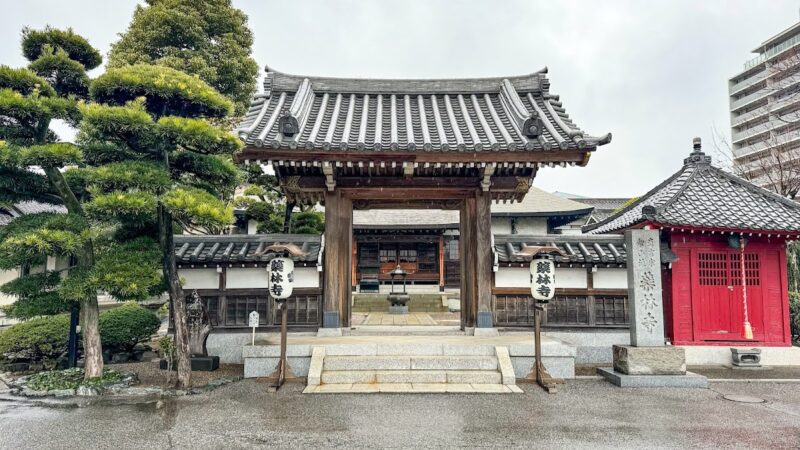
- Bow at the temple gate before entering the grounds
- Cleanse your hands and mouth at the water basin
- Bow in prayer at the main hall (in Shingon Buddhism, you may also chant “Namu Daishi Henjo Kongo”)
- Visit the Yakushi-do hall and pray for good health
- Bow at the temple gate when leaving
Photography
Photography is generally permitted on the temple grounds, but please refrain from taking pictures inside the main hall or during religious ceremonies. If you have any questions, we recommend checking with the temple office.
Visiting Hours
There are no specific visiting hours, but for assistance at the temple office or to receive a Goshuin (temple stamp), the general guideline is from 9:00 AM to 5:00 PM. Hours may differ during religious services or events, so it’s best to check in advance.
About Yakurinji Temple’s Sect
About the Shingon-shu Chizan-ha
Yakurinji Temple belongs to the Shingon-shu Chizan-ha, one of the major sects of Shingon Buddhism. Its head temple is Chishaku-in in Kyoto, and it inherits the tradition of esoteric Buddhism with Kobo Daishi Kukai as its founder.
The Shingon-shu Chizan-ha has many temples in Saitama Prefecture, and Yakurinji Temple belongs to the Saitama First Diocese. A characteristic of this sect is its emphasis on esoteric Buddhist rituals such as incantations and fire rituals, and its teachings of worldly benefits and attaining Buddhahood in this lifetime.
Positioning within Saitama First Diocese
Yakurinji Temple belongs to the Saitama First Diocese of the Shingon Chizan sect and operates as a center for Shingon Esoteric Buddhism in the region. It conducts educational and social contribution activities in cooperation with other temples within the diocese.
Contacting Yakurinji Temple
For detailed information regarding visits, funerals, and perpetual memorial services, you can contact Yakurinji Temple directly.
Address: 1-4-33 Asahi, Kawaguchi City, Saitama Prefecture 332-0001
Sect: Shingon Chizan sect
Mountain Name: Rurizan
For telephone numbers and detailed information, you can search online or visit the temple office directly.
Summary
Yakurinji Temple is a representative Shingon sect temple in Kawaguchi City, Saitama Prefecture, with a history of over 560 years since its founding in the Muromachi period. As one of the three Yakushi temples in Kawaguchi, “Oka no Yakushi” (Yakushi of the Hill) has garnered the faith of local people and continues to attract many visitors.
Having survived the destruction caused by the wars of the Sengoku period, Yakurinji Temple has survived from the Edo period to the present day as a spiritual pillar of the community. While preserving tradition, it also develops activities that meet the needs of the times. With modern services such as funeral arrangements at the Yakurinji Temple Hall and the provision of perpetual memorial graves, it functions as a temple open not only to its parishioners but also to the wider community.
Its convenient access, within walking distance of Kawaguchi-Motogo Station on the Saitama Rapid Railway, and its parking lot with a capacity of 70 cars are also attractive features. When visiting Kawaguchi City, why not visit the historic Yakurinji Temple and pray for health and peace to the Yakushi Nyorai, affectionately known as “Oka no Yakushi”?
This temple is worth visiting for various purposes, such as collecting temple stamps, visiting the three Yakushi temples of Kawaguchi, or experiencing the atmosphere of Shingon Esoteric Buddhism. You can spend a peaceful time away from the hustle and bustle of everyday life in the tranquil atmosphere of the temple grounds.