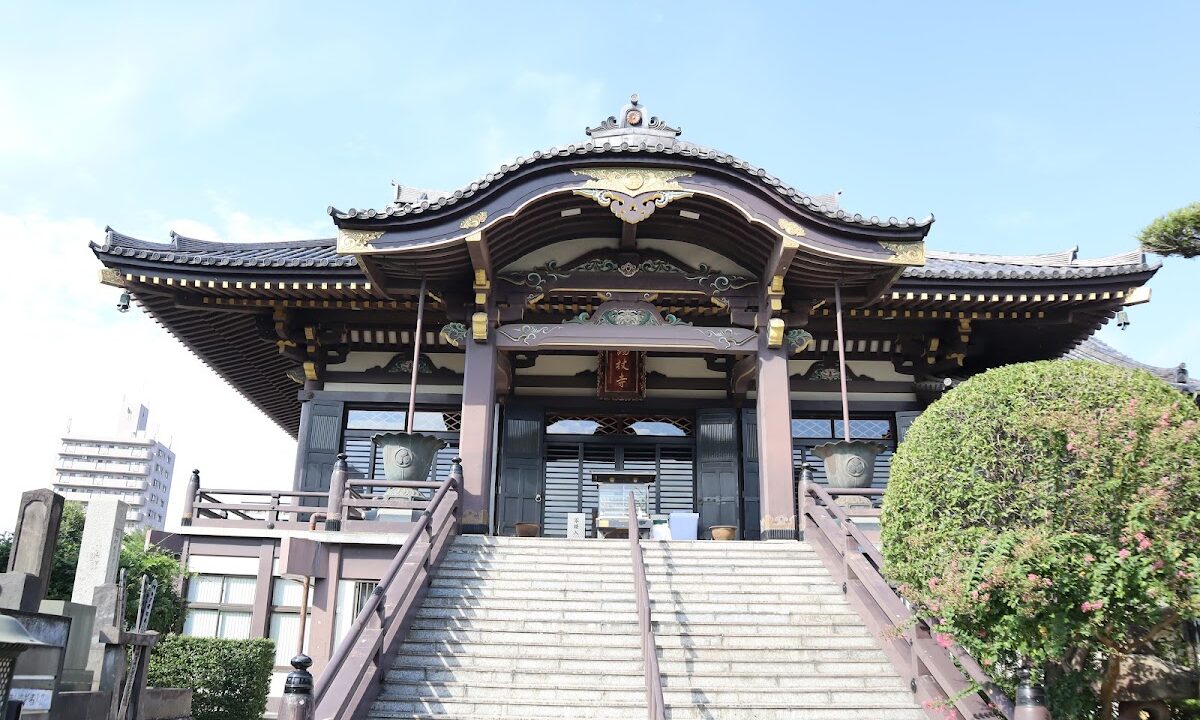
Shakujoji Temple (Kawaguchi City, Saitama Prefecture) Complete Guide | History, Cultural Properties, Goshuin (Temple Seal), and Access Information
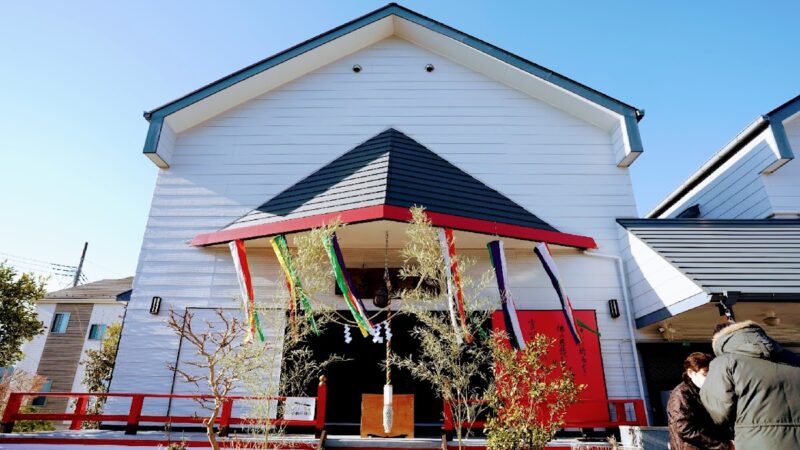
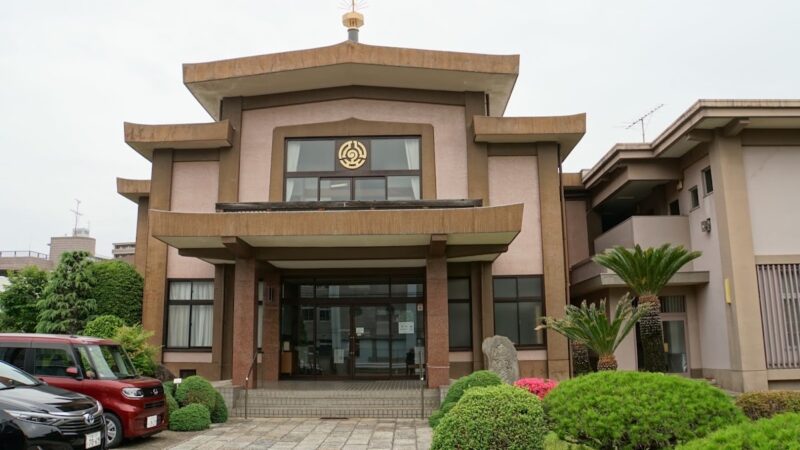
Shakujoji Temple, located in Honcho, Kawaguchi City, Saitama Prefecture, is an ancient temple of the Shingon Chizan sect with a history of over 1200 years. It is known as a temple with many attractions, including its founding by Gyoki Bodhisattva, its deep connection with the Tokugawa shogunate, and its role as a representative sacred site in the Kanto region. This article provides detailed information useful for visiting and sightseeing at Shakujoji Temple, from its historical background and cultural properties to goshuin information and transportation access.
Overview and Basic Information of Shakujoji Temple
Shakujoji Temple is a Shingon Chizan sect temple located in Honcho, Kawaguchi City, Saitama Prefecture. Its official name is “Kongozan Jizoin Shakujoji.” It is a particularly old temple in Kawaguchi City and a renowned temple that has attracted deep faith from the local people.
Sect and Principal Image
- Sect: Shingon-shu Chizan-ha
- Principal Image: Jizo Bodhisattva
- Mountain Name: Kongozan
- Temple Name: Jizoin
- Founder: Gyoki Bodhisattva
- Establishment: Tenpyo 12 (740 AD)
The Shingon-shu Chizan-ha is a branch of the Shingon sect, founded by Kobo Daishi Kukai. The head temple of the Chizan-ha is Chishakuin in Kyoto. Shakujoji Temple, belonging to this sect, is an important temple in the Kanto region and was once a large temple with 53 branch temples.
Status as a Sacred Site
Shakujo-ji Temple is known as a pilgrimage site for several sacred places:
- 76th Temple of the Kanto Eighty-Eight Sacred Sites
- Musashi Province Kawaguchi Seven Lucky Gods (Fukurokuju)
- 6th Temple of the Kanto One Hundred and Eight Jizo Sacred Sites (Child-Rearing Jizo)
Pilgrims visiting these sacred sites come throughout the year, and the temple is especially bustling with many pilgrims during the New Year and on festival days.
History of Shakujo-ji Temple
Origin of Founding and Gyoki Bodhisattva
Shakujo-ji Temple’s founding dates back to the 12th year of the Tenpyo era (740 AD). It is said to have begun when Gyoki Bodhisattva, a high-ranking monk of the Nara period, received an imperial order from Emperor Shomu to build a hermitage in this area to pray for the recovery of Empress Komyo from illness.
Gyoki was a representative monk of the Nara period, who spread Buddhism while undertaking social projects such as building bridges, roads, and reservoirs throughout Japan. Gyōki is said to have founded many temples in eastern Japan, and Shakujōji Temple is one of them. The temple’s name originates from a legend that when Gyōki struck his shakujō (a staff used by Buddhist monks) into the ground, clear water gushed forth.
Development from the Medieval to the Early Modern Period
From the Heian period to the Kamakura period, Shakujōji Temple developed as a central temple of the Shingon sect in the Kanto region. Especially during the Muromachi period, it was counted as one of the “Eleven Kantō Danrin” temples, which trained scholar-monks, and played an important role in the study of Buddhist teachings and the training of monks. It was also selected as one of the “Seven Kantō Temples,” and was recognized as a particularly prestigious temple among Shingon sect temples in the Kanto region.
Although affected by the turmoil of the Sengoku period, it flourished again in the Edo period due to its connection with the Tokugawa family.
Deep Connection with the Tokugawa Shogunate
A noteworthy aspect of Shakujōji Temple’s history is its deep connection with the Tokugawa shogunate. During the Edo period, Shakujo-ji Temple was located along the Nikko Kaido (Nikko Highway) and was used as a resting place for the shogun during his pilgrimages to Nikko Toshogu Shrine.
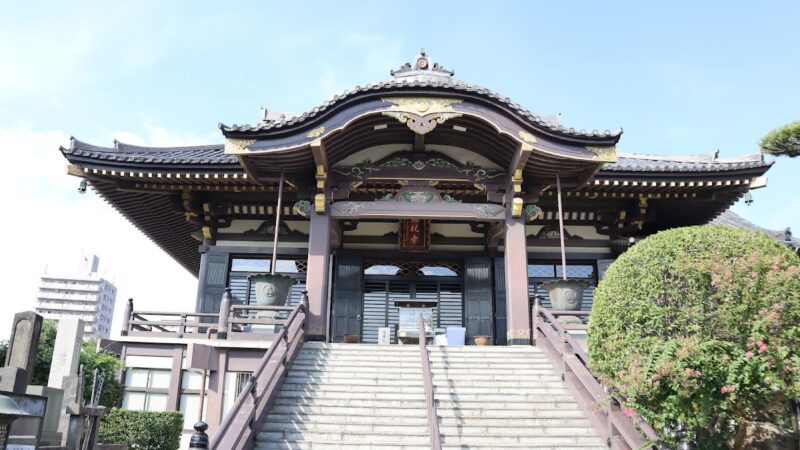
In particular, after Tokugawa Hidetada, the second shogun of the Edo shogunate, designated Shakujo-ji Temple as a resting place during his pilgrimage to Nikko, this became a custom, and successive shoguns began to visit the temple during their pilgrimages to Nikko. For this reason, Shakujo-ji Temple was permitted to use the “Aoi no Gomon” (the Tokugawa family crest), and this crest can still be seen today on the roof tiles of the main hall, on lanterns, and in various parts of the building.
The relationship with the Tokugawa family not only enhanced the temple’s status but also brought economic support and protection, greatly contributing to the development of Shakujo-ji Temple’s buildings and the preservation of its cultural properties.
Developments since the Modern Era
Despite the impact of the anti-Buddhist movement and the separation of Shinto and Buddhism during the Meiji era, Shakujo-ji Temple continued to exist as a center of local faith. Amidst the changing times of the Showa and Heisei eras, and in the increasingly urbanized city of Kawaguchi, Shakujo-ji Temple has become a valuable cultural heritage site that continues to preserve its history and traditions.
In 1995 (Heisei 7), the Kanto Eighty-Eight Sacred Sites Pilgrimage was established, and Shakujo-ji Temple took on a new role as the 76th temple. Currently, it continues to attract the faith of local residents and continues to promote its value as a temple visited by tourists and pilgrims interested in history and cultural properties.
Cultural Properties and Highlights
Shakujo-ji Temple preserves numerous valuable cultural properties accumulated over its long history.
Saitama Prefecture Designated Tangible Cultural Property: Bronze Bell (Temple Bell)
The bronze bell of Shakujo-ji Temple is a valuable cultural property designated as a Saitama Prefecture Designated Tangible Cultural Property. This temple bell is believed to have been cast in the early Edo period and is characterized by its excellent casting technique and beautiful decoration. An inscription is engraved on the surface of the bell, making it a valuable historical document that provides insight into the temple’s appearance at the time and the names of its donors.
The sound of the temple bell, rung on New Year’s Eve as the “New Year’s Eve Bell,” is also used in daily prayers, and its resonant sound throughout the surrounding area has become a characteristic feature of Kawaguchi.
Main Hall and the Aoi Crest
The main hall of Shakujo-ji Temple is a magnificent structure that preserves the architectural style of the Edo period. The Tokugawa family’s “Aoi Crest” is placed throughout the main hall, illustrating its deep connection to the shogunate.
Of particular note are:
- Roof Tiles: The Aoi Crest is adorning the gargoyles and eaves tiles.
- Lanterns: The Aoi Crest is also engraved on the stone lanterns placed within the temple grounds.
- Architectural Decorations: Designs related to the Tokugawa family can be seen in details such as the transoms and doors.
Inside the main hall, the principal image, a statue of Jizo Bodhisattva, is enshrined, allowing visitors to quietly offer their prayers.
Child-Rearing Jizo
Shakujo-ji Temple enshrines the “Child-Rearing Jizo” as the 6th temple on the Kanto 108 Jizo Pilgrimage. This Jizo is an object of worship for praying for the healthy growth and safety of children, and is especially revered by parents and grandparents raising children.
Many Jizo Bodhisattva statues line the temple grounds, creating a warm atmosphere of watching over children’s growth.
Fukurokuju (One of the Seven Lucky Gods of Kawaguchi, Musashi Province)
Shakujo-ji Temple enshrines Fukurokuju as one of the “Seven Lucky Gods of Kawaguchi, Musashi Province.” Fukurokuju is worshipped as a god who bestows the three virtues of happiness (Fuku), wealth (Roku), and longevity (Ju), and many worshippers visit the temple, especially during the New Year’s pilgrimage to the Seven Lucky Gods.
Fukurokuju is characterized by his long head and long beard, and is often depicted holding a staff and a scroll. The Fukurokuju statue at Shakujo-ji Temple is also created based on this traditional iconography. ### Other Highlights
- Temple Gate: The dignified temple gate welcomes visitors as the entrance to the temple.
- Stone Monuments on the Temple Grounds: Numerous historical stone monuments and memorial towers remain.
- Garden: The well-maintained temple grounds display different expressions throughout the seasons.
Takiyama’s Grave
Within the grounds of Shakujo-ji Temple lies the grave of Takiyama (Takitsurudai), a prominent Confucian scholar of the Edo period. Takiyama was a Confucian scholar active in the mid-Edo period, who studied Neo-Confucianism and trained many disciples.
Takiyama’s grave is one of the important historical sites in telling the history of Kawaguchi City and is a valuable resource for understanding the cultural history of the region. Detailed inscriptions are carved on the tombstone, providing clues to the life and thoughts of this intellectual of the time.
Goshuin (Temple Seal) Information
At Shakujo-ji Temple, you can receive Goshuin for multiple sacred sites.
Types of Goshuin (Temple Seals) Available
- Goshuin of the 76th Temple of the Kanto Eighty-Eight Sacred Sites
- Goshuin of the Musashi Kawaguchi Seven Lucky Gods (Fukurokuju)
- Goshuin of the 6th Temple of the Kanto One Hundred and Eight Jizo Sacred Sites
- Regular Goshuin
Goshuin Reception
- Reception Location: Temple Office (to the right of the main hall)
- Reception Hours: Approximately 9:00 AM to 4:00 PM (subject to change)
- Offering Fee: Approximately 300-500 yen each
- Notes: May not be available during events or memorial services
Please receive your Goshuin with sincerity as proof of your visit. Bringing your Goshuincho (stamp book) will allow for careful ink writing. Pre-printed Goshuin may also be available.
Goshuincho
Original Goshuincho from Shakujoji Temple may also be available. Please inquire directly about designs and stock availability during your visit.
Annual Events and Festivals
Shakujo-ji Temple holds various events throughout the year.
Main Annual Events
- First Three Days of the New Year: First shrine visit of the year, pilgrimage to the Seven Lucky Gods
- Setsubun Festival: Around February 3rd, bean-throwing ceremony
- Spring Equinox Festival: One week centered around the Spring Equinox
- Jizo Bon Festival: Around August 23rd and 24th, festival for the Child-Rearing Jizo Bodhisattva
- Autumn Equinox Festival: One week centered around the Autumn Equinox
- New Year’s Eve Bell Ringing: December 31st, bell-ringing ceremony
Especially during the New Year’s pilgrimage to the Seven Lucky Gods and the Jizo Bon Festival, the temple is bustling with many visitors, and stalls may be set up.
Access
Shakujo-ji Temple is located in the center of Kawaguchi City, Saitama Prefecture, and is easily accessible by public transportation.
Access by Train
Using the JR Keihin-Tohoku Line
- Nearest Station: JR Keihin-Tohoku Line “Kawaguchi Station”
- Travel Time: Approximately 15 minutes on foot from Kawaguchi Station East Exit (approx. 1.2 km)
- Route: Exit Kawaguchi Station East Exit and head north along National Route 122 (Nikko Onarimichi)
Using the Saitama Rapid Railway Line and Tokyo Metro Namboku Line
- Nearest Station: Saitama Rapid Railway Line / Tokyo Metro Namboku Line “Kawaguchi-Motogo Station”
- Travel Time: Approximately 12 minutes on foot from Kawaguchi-Motogo Station (approx. 900 m)
- Route: Exit Kawaguchi-Motogo Station Exit 2 and head west
From Akabane-Iwabuchi Station
- Nearest Station: Saitama Rapid Railway Line / Tokyo Metro Namboku Line “Akabane-Iwabuchi Station”
- Travel Time: Approximately 20 minutes on foot from Akabane-Iwabuchi Station, or by bus.
Access by Bus
You can also take a Kokusai Kogyo bus from Kawaguchi Station East Exit. The nearest bus stops are “Honmachi” and “Shakujoji-mae.” Please check the Kokusai Kogyo Bus official website for bus routes and timetables.
Access by Car
- Shuto Expressway Kawaguchi Line: Approximately 10 minutes from “Kawaguchi PA” or “Shingo Exit”
- Tohoku Expressway: Approximately 15 minutes from “Kawaguchi IC”
- Parking: There is parking space for visitors on the temple grounds, but the number of spaces is limited. If the parking lot is full, please use a nearby coin-operated parking lot.
Address and Contact Information
- Address: 2-4-37 Honcho, Kawaguchi City, Saitama Prefecture 332-0012
- Phone: Please contact the temple office directly (for details, please check with the tourist information center, etc.)
Nearby Tourist Attractions
There are many spots around Shakujo-ji Temple where you can experience the history and culture of Kawaguchi City.
Historical Sites of Kawaguchi-juku
Shakujo-ji Temple is located in Kawaguchi-juku, on the old Nikko Onari Road, and the surrounding area retains the atmosphere of a post town from the Edo period. You can experience the highway culture of the Edo period by visiting historical sites such as the Kamakura Bridge ruins.
Kawaguchi City Cultural Properties Center
This facility allows you to learn about the history and cultural properties of Kawaguchi City. You can learn about materials related to Shakujo-ji Temple and the history of Kawaguchi City.
Kawaguchi Shrine
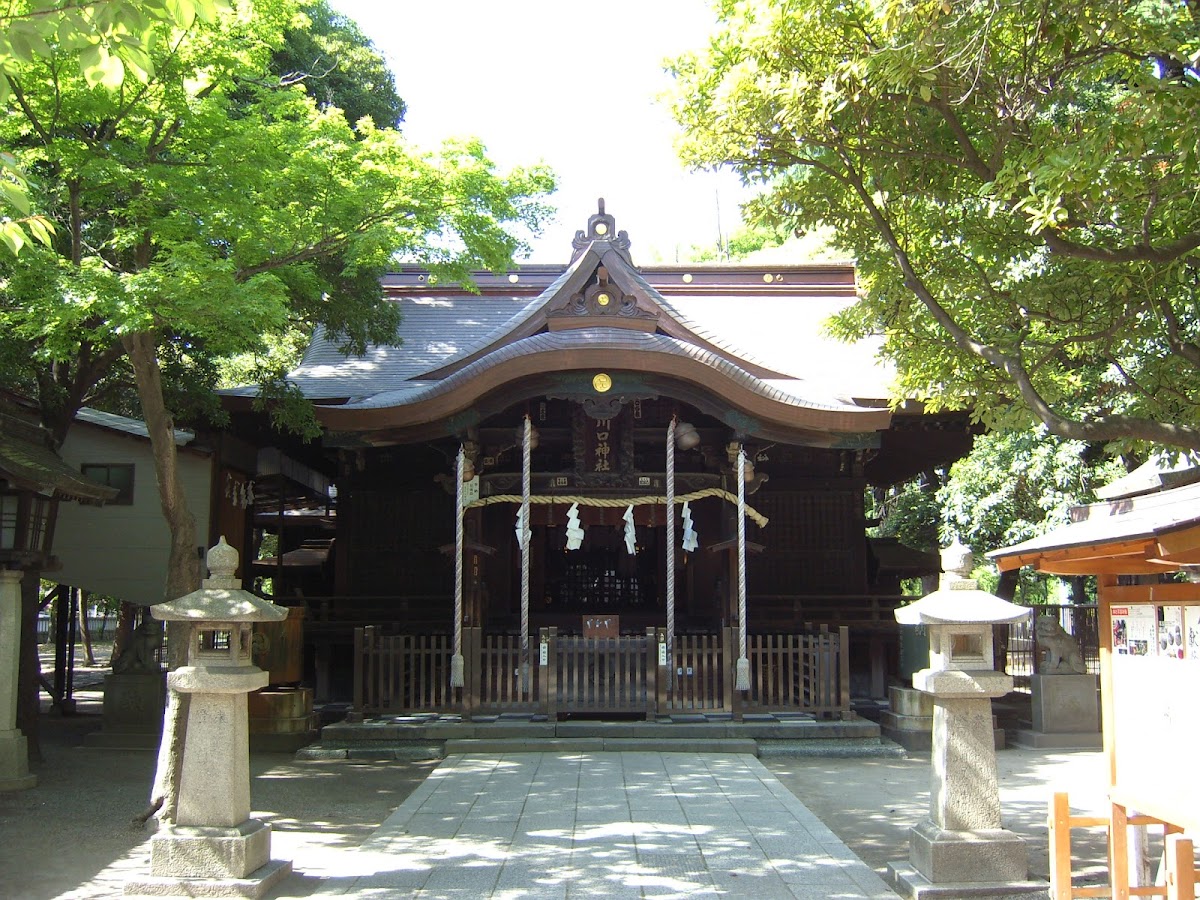
This shrine is known as the guardian shrine of Kawaguchi City and is within walking distance of Shakujo-ji Temple. Visiting both shrines and temples will give you a deeper understanding of Kawaguchi’s religious culture.
Arakawa Riverbank and Fireworks Festival
A short walk from Shakujo-ji Temple will take you to the Arakawa Riverbank. In the summer, the Kawaguchi Fireworks Festival, part of the “Tatara Festival,” is held here, attracting many people. The riverbank, rich in nature, is also ideal for strolling and cycling.
Manners and Precautions for Visiting a Temple
Basic Manners for Visiting a Temple
- Bow at the Temple Gate: Bow before passing through the temple gate.
- Purification at the Water Basin: Purify your hands and mouth.
- Worship at the Main Hall: Quietly join your hands in prayer and offer your prayers with sincerity.
- Photography: Photography is generally permitted on the temple grounds, but consideration for the interior of the main hall and other visitors is necessary.
- Quietness: Be quiet on the temple grounds and be mindful not to disturb other visitors.
Precautions for Visiting a Temple
- Dress Code: There are no specific rules, but avoid revealing clothing.
- Visiting Hours: Visiting during daylight hours is recommended.
- During Events: General worship may be restricted during memorial services and other events.
- Offerings: Any amount is acceptable.
- Pets: It is generally discouraged to bring pets onto the temple grounds.
The Charm and Worth of Visiting Shakujo-ji Temple
Shakujo-ji Temple is not merely a historical building; it is a “living cultural asset” that has attracted the faith of local people for over 1200 years. Its history and culture are intertwined in multiple layers, including the legend of its founding by Gyoki Bodhisattva, its deep connection with the Tokugawa shogunate, and its role as a representative sacred site in the Kanto region.
In Kawaguchi City, Saitama Prefecture, a rapidly urbanizing area, Shakujo-ji Temple is a precious space that continues to preserve history and tradition. Stepping into its tranquil grounds allows one to escape the hustle and bustle and find peace of mind.
Recommended for these people
- History buffs: You can experience the history of a temple that has continued since the Nara period.
- Pilgrims: It is a pilgrimage site for the Kanto Eighty-Eight Temples, Kanto One Hundred and Eight Jizo, and Seven Lucky Gods pilgrimage.
- Goshuin (temple stamp) collectors: You can receive goshuin from multiple pilgrimage sites.
- Those interested in architecture and cultural properties: There are many sights to see, such as the bronze bell and the Aoi crest, which are designated as prefectural cultural properties.
- Parents raising children: You can pray for the healthy growth of your children by visiting the Child-Rearing Jizo.
- Day-trippers: It is easily accessible from the city center and is an ideal base for sightseeing in Kawaguchi City.
Summary
Shakujoji Temple in Kawaguchi City, Saitama Prefecture, is a famous temple of the Shingon Chizan sect with a history of over 1200 years since its founding by Gyoki Bodhisattva. This temple possesses many attractions, including the Aoi crest, which demonstrates its deep connection with the Tokugawa shogunate, a bronze bell designated as a Saitama Prefecture cultural property, and its role as one of several pilgrimage sites representing the Kanto region.
Easily accessible on foot from JR Kawaguchi Station and Kawaguchi-Motogo Station on the Saitama Rapid Railway Line, it’s ideally located for day trips and sightseeing from central Tokyo. Why not spend some peaceful time reflecting on history in its tranquil grounds?
As part of a pilgrimage or as part of exploring the history of Kawaguchi City, please consider visiting Shakujo-ji Temple. The faith and culture preserved throughout its long history will surely provide a quiet sense of awe for those of us living in the modern age.