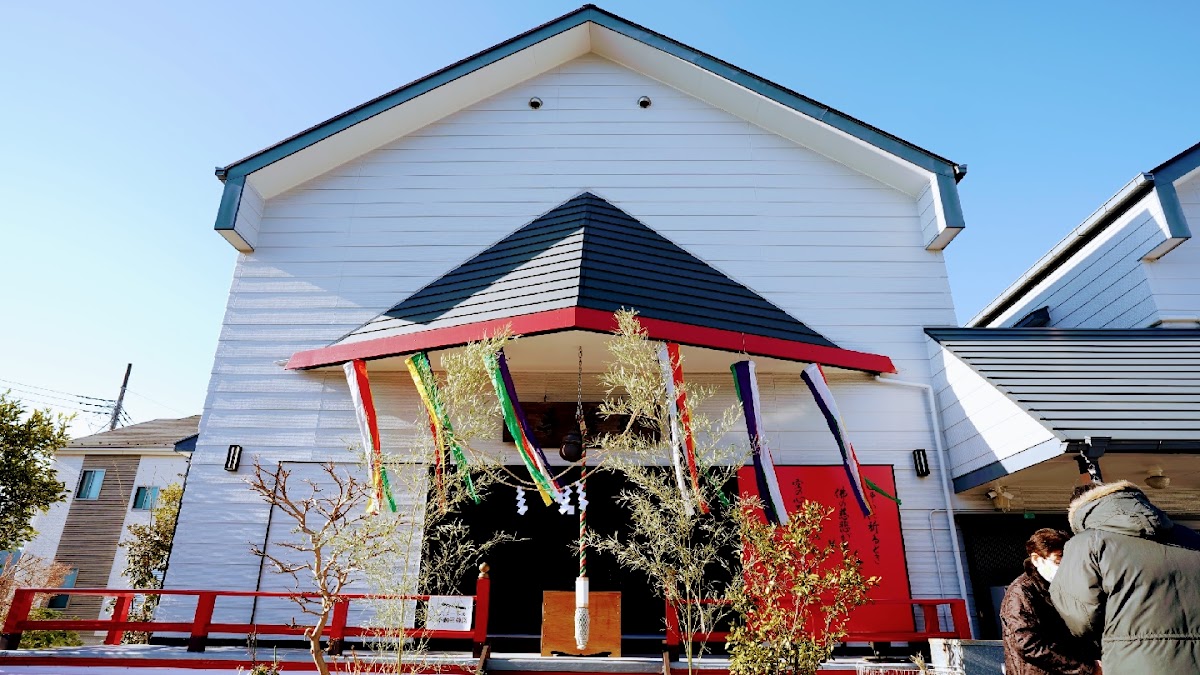
Complete Guide to Shinryuji Temple (Kawaguchi City, Saitama Prefecture) | Thorough Explanation of History, Memorial Hall, Funerals, and Perpetual Memorial Services
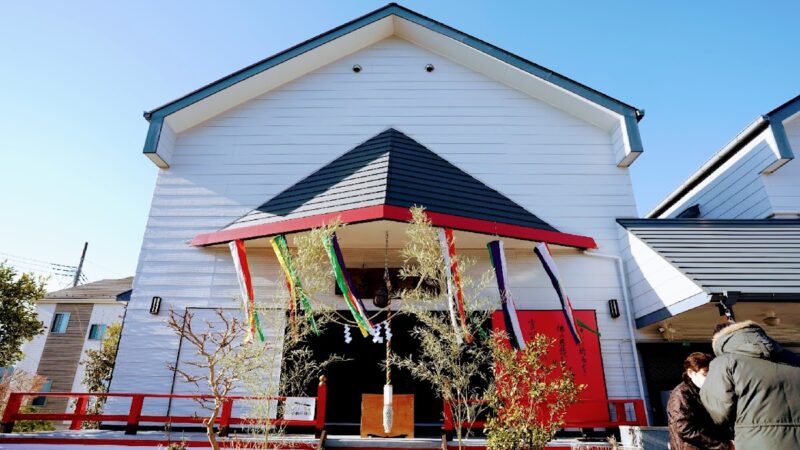
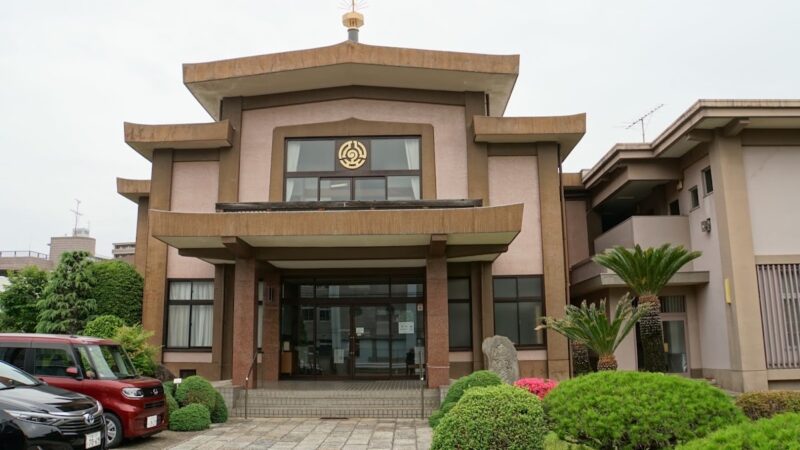
Shinryuji Temple, located in Angyo Dewa, Kawaguchi City, Saitama Prefecture, is a relatively new temple belonging to the Buzan branch of the Shingon sect. It was registered as a religious corporation in 2005 by the current head priest and is actively engaged in community-based activities. This article provides detailed information on Shinryuji Temple, including its history and characteristics, funeral and memorial service services in the memorial hall, perpetual memorial services, and access methods.
Basic Information and History of Shinryuji Temple
Temple Overview
Shinryuji Temple is a temple of the Buzan branch of the Shingon sect located at 4-5-18 Angyo Dewa, Kawaguchi City, Saitama Prefecture. The Buzan branch of the Shingon sect is a traditional sect with Kobo Daishi Kukai as its founder and Kogyo Daishi Kakuban as its branch founder, and its head temple is Hase-dera Temple in Sakurai City, Nara Prefecture.
Location: 4-5-18 Angyo Dewa, Kawaguchi City, Saitama Prefecture
Sect: Shingon-shu Buzan-ha
Principal Image: Holy Kannon Bodhisattva (created in 1863 by Takamura Toun)
Established: Registered as a religious corporation in 2005
Characteristics of a New Temple
Shinryuji Temple is a relatively new temple, established in 2005 by the current head priest. Its most notable features are its new and clean buildings and facilities, and its modern amenities. While upholding the traditional teachings of Shingon Buddhism, the temple operates in a way that meets modern needs.
About the Principal Image
The principal image of Shinryuji Temple is a statue of Holy Kannon Bodhisattva, created by Takamura Toun in 1863 during the late Edo period. Holy Kannon Bodhisattva is worshipped as a compassionate Buddha who relieves the suffering of all people and grants their wishes. The fact that this historic Buddhist statue is enshrined in a new temple symbolizes the fusion of tradition and innovation.
Features of Shinryuji Temple’s Memorial Hall (Kannon Hall)
Facility Overview
Shinryuji Temple’s Memorial Hall, also known as the “Kannon Hall,” is a dedicated facility for conducting funerals and memorial services. As it is a new temple, the building is brand new, clean, and equipped with modern facilities.
Features of the Ceremony Hall
Capacity: Accommodates large groups
Seating Style: Chair seating (consideration given to the elderly and those with mobility impairments)
Religious Affiliation: Open to all (including those of other denominations besides Shingon Buddhism)
Cleanliness of Facility: As it is newly built, it is extremely clean and comfortable.
Barrier-Free Accessibility
Shinryuji Temple’s Memorial Hall is designed with barrier-free access in mind, accommodating the elderly and those using wheelchairs. Chair seating is provided, allowing those who have difficulty sitting in the traditional kneeling position to attend comfortably. The facility is designed with consideration for all attendees, featuring a design with minimal steps and ample space for assistance as needed.
Family Waiting Room and Ancillary Facilities
The memorial hall is equipped with a family waiting room, providing a space where families can spend time comfortably before and after the funeral. The waiting room can be used for various purposes, such as funeral arrangements, rest, and interacting with attendees.
Regarding accommodation, please contact the funeral home or temple directly for guidance tailored to your needs. We can also discuss accommodation arrangements for consecutive wakes and funerals.
Parking Available
Shinryuji Temple has a parking lot that can accommodate up to 30 cars. Located in the suburbs of Kawaguchi City, it is easily accessible by car. Even during large funerals and memorial services, there will be no problem with parking for attendees.
About Funerals at Shinryuji Temple
Available Funeral Styles
Shinryuji Temple’s Funeral Hall accommodates various funeral styles:
Family Funeral: A small-scale funeral attended only by close relatives.
General Funeral: A funeral attended by many people, including relatives, friends, and colleagues.
One-Day Funeral: A funeral without a wake, consisting only of a funeral service.
Direct Cremation: A service that omits the ceremony at the funeral hall, consisting only of cremation.
Funeral Plans and Costs
Funeral costs at Shinryuji Temple vary depending on the chosen plan, the number of attendees, and the content of the funeral. Generally, the following are included in the cost:
- Funeral hall usage fee
- Altar and decoration costs
- Funeral items such as coffin and urn
- Chanting of sutras and posthumous name fee (offering)
- Food and return gifts
- Cremation fee
- Other incidental services
For specific funeral costs, consultation with a funeral home is necessary. Many funeral homes offer free consultations, so it’s recommended to get quotes from several companies beforehand.
Acceptance of All Religious Affiliations
Shinryuji Temple is a Shingon-shu Buzan-ha temple, but funeral services in the memorial hall are available regardless of religious affiliation. We can accommodate services of other Buddhist sects, and we can also conduct non-religious funerals upon request. However, as the funeral is held at a temple, prior consultation with the head priest and funeral home is necessary.
Post-Funeral Memorial Services
Shinryuji Temple handles not only funerals but also various post-funeral memorial services:
- First Seven Day Memorial Service
- Forty-Ninth Day Memorial Service
- Annual Memorial Services (First Anniversary, Third Anniversary, etc.)
- Joint Memorial Services during Obon and Higan
By using the memorial hall, memorial services can be held in the same location as the funeral, allowing for continued use as a place to remember the deceased.
Annual Events and Memorial Services at Shinryuji Temple
Regular Memorial Services
Shinryuji Temple holds various Buddhist services and memorial services throughout the year, including events open to non-parishioners:
New Year’s Goma Prayer: A Goma fire ritual praying for good health and safety for the family in the new year.
Spring Equinox Memorial Service: An ancestral memorial service centered around the spring equinox in March.
Segaki Memorial Service: An ancestral memorial service and memorial service for those without relatives, held in July.
Autumn Equinox Memorial Service: An ancestral memorial service centered around the autumn equinox in September.
These services are open events that anyone can participate in.
Characteristics of Goma Prayer
Goma prayer, a characteristic ritual of Shingon Buddhism, is a ceremony in which prayers are offered to various deities, such as Fudo Myoo, while a fire is lit. Shinryuji Temple holds Goma prayers during special times, including New Year’s, to pray for the various wishes of worshippers.
About Perpetual Memorial Services and Interment
Provision of Perpetual Memorial Graves
Shinryuji Temple offers perpetual memorial graves, meeting the needs of those without heirs to their graves or those who wish to avoid burdening their descendants. Perpetual memorial services are a system where the temple takes responsibility for perpetual memorial services and management.
Benefits of Perpetual Memorial Services
- No Successor Required: Peace of mind even without someone to inherit the grave.
- No Maintenance Required: The temple handles cleaning and management, providing peace of mind for family members living far away.
- Clear Costs: Compared to typical cemeteries, initial costs are clear, and annual maintenance fees may not be required.
- All Religious Affiliations Accepted: In most cases, it is available regardless of religious affiliation.
Options for Columbariums and Tree Burials
Shinryuji Temple may offer various memorial service options in addition to perpetual memorial graves. We recommend contacting the temple directly regarding memorial service methods suited to modern lifestyles, such as columbariums and tree burials.
Reservation and Application for Visit
If you are considering using a perpetual memorial grave or columbarium, it is important to first make a reservation for a visit and actually see the facility. You should directly check the atmosphere of the temple, the methods of memorial service, and the details of the costs, and then apply only after you are satisfied.
Access Information
Location
Address: 4-5-18 Angyo Dewa, Kawaguchi City, Saitama Prefecture
Access by Train
Nearest Station: Tozuka-Angyo Station, Saitama Rapid Railway Line
Distance from Station: Approximately 1.8km
Walking Distance: Approximately 20-25 minutes on foot from Exit 3 of Tozuka-Angyo Station
Tozuka-Angyo Station is a station on the Saitama Rapid Railway Line, and since it has direct service to the Tokyo Metro Namboku Line from Akabane-Iwabuchi Station, it is conveniently accessible from central Tokyo.
Other Nearest Stations
JR Musashino Line, Higashi-Kawaguchi Station: Approximately 10 minutes by taxi
Tobu Skytree Line, Nitta Station: Approximately 10 minutes by taxi
If walking is difficult or you have a lot of luggage, taking a taxi from these stations is convenient.
Access by Car
Shinryuji Temple has a parking lot that can accommodate up to 30 cars, making access by car the most convenient option. It is located in the suburbs of Kawaguchi City, and the surrounding roads are relatively easy to drive on.
When using a car navigation system, please search using the address “4-5-18 Angyo Dewa, Kawaguchi City, Saitama Prefecture” or the phone number.
Shuttle Service
For funerals and memorial services, some funeral homes may be able to arrange shuttle buses. If there are many attendees, or many elderly people, it is recommended to consult with the funeral home in advance and request shuttle service arrangements.
Subsidies and Grants for Funerals in Kawaguchi City
Funeral Expense Payment System
In Kawaguchi City, if a person who was enrolled in National Health Insurance or the Late-Stage Elderly Medical Care System passes away, funeral expenses will be paid to the person who conducted the funeral (the chief mourner).
Payment Amount: 50,000 yen (as of 2024)
Application Deadline: Within 2 years from the day after the funeral
Application Window: Kawaguchi City Hall National Health Insurance and Pension Division, each branch office/station liaison office
Required Documents for Application
- National Health Insurance Card or Late-Stage Elderly Medical Care Card
- Documents confirming that a funeral was held (funeral invitation, receipt for funeral expenses, etc.)
- Identification document of the applicant (chief mourner)
- Information on the bank account for transfer
- Seal/Stamp
Other Support Systems
If a person receiving public assistance passes away, the funeral assistance system may be available. For details, please contact the welfare department of Kawaguchi City.
Environment and Local Information Around Shinryuji Temple
Characteristics of the Angyo Area
The Angyo area of Kawaguchi City, where Shinryuji Temple is located, is nationally known as a production area for ornamental plants. Angyo has been a town of ornamental plants and landscaping since the Edo period, and is characterized by its lush green environment. The area around the temple is quiet and peaceful, making it a suitable environment for holding funerals and memorial services.
Nearby Facilities
The Angyo area has commercial facilities such as Aeon Mall Kawaguchi, offering a wide range of options for post-funeral meals. There are also facilities nearby where you can experience nature, such as Angyohara Nature Forest and Angyo Park.
Involvement with the Local Community
Shinryuji Temple conducts temple activities rooted in the local community and values interaction with local residents. Through events such as memorial services during the equinox and Obon festivals, which are easily accessible to local people, the temple fulfills its role as a member of the community.
Advantages of Choosing Shinryuji Temple for Funerals
New and Clean Facilities
As a newly established temple built in 2005, the entire facility is new and clean. Unlike older temples, it avoids the aging and inconvenient facilities often associated with such temples, providing a comfortable environment for funerals and memorial services.
Flexibility Regardless of Sect or Denomination
Although a Shingon Buddhist temple, it has a flexible stance of accepting funerals regardless of sect or denomination. You can choose a funeral format that suits the wishes of the deceased and their family, thus meeting a wide range of needs.
Ample Parking
With a parking lot accommodating up to 30 cars, attending by car is convenient. This is an advantage unique to a temple located in the suburbs, as ample parking space is often difficult to secure at venues in urban areas.
Ongoing Memorial Services After the Funeral
Not only the funeral, but also subsequent memorial services and perpetual memorial services can be handled continuously by a single temple. The ability to cherish the connection with the deceased and build a long-term memorial relationship is a significant advantage.
Easy Access
The nearest station is Tozuka-Angyo Station on the Saitama Rapid Railway Line, and direct service to the Tokyo Metro Namboku Line provides excellent access from central Tokyo. It’s also about a 10-minute taxi ride from the JR Musashino Line and Tobu Skytree Line, offering multiple transportation options.
Flow of Funeral and Memorial Services at Shinryuji Temple
Pre-consultation
First, contact Shinryuji Temple or an affiliated funeral home by phone. Inform them of the scale of the funeral, desired format, budget, etc., and schedule a free initial consultation.
Visit and Meeting
If possible, visit the memorial hall in advance to check the atmosphere and facilities. Discuss specific plans and costs with the funeral home representative.
Contact After Death
When a death occurs, contact the funeral home immediately. Many funeral homes offer 24-hour service, including late nights and early mornings.
Transportation and Placement of the Deceased
The deceased’s body will be transported from the hospital or facility and placed in a suitable location. The place of repose can be chosen from your home, a funeral home’s mortuary, or a temple.
Funeral Details Decision
The details of the funeral, such as the date, order of service, number of attendees, food, and return gifts, will be decided. The posthumous Buddhist name will be discussed with the head priest.
Wake and Funeral Ceremony
The wake, funeral, and memorial service will be held in the memorial hall. Chanting and incense offering will be performed according to Shingon Buddhist customs.
Cremation
After the memorial service, the body will be moved to the crematorium for cremation. A crematorium in Kawaguchi City or a nearby location will be used.
First Seven Days Memorial Service and Post-Funeral Meal
After cremation, the first seven days memorial service is generally held together. Afterward, a post-funeral meal is served to the attendees.
Choosing a Funeral Home and Consultation Services
Obtaining Quotes from Multiple Companies
Funeral costs can vary significantly depending on the funeral home. We recommend obtaining quotes from at least two to three companies and comparing their services and costs.
Utilizing Free Consultations
Many funeral homes offer free consultations. You can consult by phone, email, or in person, allowing you to resolve any questions or concerns before signing a contract.
Checking Partner Funeral Homes
If Shinryuji Temple has partnered with a funeral home, the facilities will be more convenient and coordination with the temple will be smoother. Contacting the temple to confirm recommended funeral homes is one option.
Checking Reviews and Reputation
Reviews and reputations from actual users are also helpful. Consider online reviews and recommendations from acquaintances as factors in your decision-making.
How to Contact
Direct Contact with the Temple
You can contact Shinryuji Temple by phone or in person. Please feel free to inquire about funerals, memorial services, perpetual memorial services, facility tours, and other matters.
Location: 4-5-18 Angyo Dewa, Kawaguchi City, Saitama Prefecture
Inquiries through Funeral Homes
If you wish to hold a funeral at Shinryuji Temple, you can also inquire through a partner funeral home. The funeral home will handle coordination and reservations with the temple, allowing for smooth preparations.
Visit Reservations
If you wish to visit the perpetual memorial grave or the memorial hall, we recommend making a reservation by phone in advance. A staff member will guide you, allowing you to inspect the facilities while receiving detailed explanations.
Summary
Shinryuji Temple is a Shingon-shu Buzan-ha temple located in Angyo Dewa, Kawaguchi City, Saitama Prefecture. It is a relatively new temple, established in 2005. The memorial hall (Kannon-do) is clean and equipped with modern facilities, allowing funerals and memorial services to be held regardless of religious affiliation.
Features include a parking lot accommodating up to 30 cars, barrier-free seating, and a family waiting room, demonstrating consideration for attendees. Shinryuji Temple is easily accessible, located approximately 20 minutes on foot from Tozuka-Angyo Station on the Saitama Rapid Railway Line, or about 10 minutes by taxi from stations on the JR Musashino Line and Tobu Skytree Line.
In addition to funerals, the temple also handles memorial services and perpetual memorial services throughout the year, engaging in community-based temple activities. The Kawaguchi City funeral expense subsidy system is also available, reducing the financial burden.
When considering funerals or perpetual memorial services at Shinryuji Temple, we recommend taking advantage of the free consultation and facility tour to get a feel for the atmosphere and detailed costs. Shinryuji Temple offers many options for a place to remember the deceased and say goodbye in a way that is comfortable for the family.
Frequently Asked Questions (FAQ)
Q1: Can Shinryuji Temple conduct funerals for denominations other than Shingon Buddhism?
A1: Yes, Shinryuji Temple’s memorial hall is available regardless of denomination. We can conduct funerals for other Buddhist denominations, and also non-religious funerals upon request. However, prior consultation with the temple and funeral home is necessary, so please contact us first.
Q2: How much does a funeral at Shinryuji Temple cost?
A2: Funeral costs vary greatly depending on the plan chosen, the number of attendees, and the content of the funeral. Family funerals are relatively inexpensive, but the cost of a general funeral increases with the number of attendees. For specific costs, we recommend obtaining an estimate from a funeral home. By obtaining estimates from multiple companies and comparing them, you can determine a fair price.
Q3: How many cars can be parked?
A3: Shinryuji Temple has a parking lot that can accommodate up to 30 cars. There is ample parking space even for large funerals and memorial services, but if there are a particularly large number of attendees, it is a good idea to consult with the funeral home in advance and consider arranging a shuttle bus.
Q4: How do I get there from the nearest station?
A4: The nearest station is Tozuka-Angyo Station on the Saitama Rapid Railway Line, about a 20-25 minute walk away. If walking is difficult, you can access the temple in about 10 minutes by taxi from Totsuka-Angyo Station, JR Musashino Line Higashi-Kawaguchi Station, or Tobu Skytree Line Nitta Station. Coming by car is the most convenient option, and parking is available.
Q5: Can memorial services after the funeral be held at Shinryuji Temple?
A5: Yes, Shinryuji Temple accommodates various memorial services after the funeral. Annual memorial services such as the seventh day, forty-ninth day, first anniversary, and third anniversary can be held in the memorial hall. Joint memorial services are also held during the spring and autumn equinoxes and Obon festival, and anyone is welcome to participate.
Q6: I am considering using the perpetual memorial grave. Is it possible to visit?
A6: Yes, it is possible to visit the perpetual memorial grave and ossuary facilities. We recommend making a reservation by phone in advance to actually see the facilities. During the visit, you can receive detailed explanations about the memorial service methods, costs, and contract details.
Q7: How do I apply for the funeral expense subsidy in Kawaguchi City?
A7: In Kawaguchi City, if a person enrolled in the National Health Insurance or the Late-Stage Elderly Medical Care System passes away, a funeral expense subsidy of 50,000 yen is provided to the bereaved family. Applications are made at the Kawaguchi City Hall National Health Insurance and Pension Division or at each branch office/station liaison office, and must be submitted within two years from the day after the funeral. Required documents include the insurance card, documents confirming that a funeral was held, identification documents, and bank account information for transfer.
Q8: I would like a family funeral, but how many people can it accommodate?
A8: Shinryuji Temple’s memorial hall is a facility that can accommodate a large number of people, so it can handle funerals of a wide range of sizes, from family funerals to general funerals. For family funerals, it is usually common to have around 10 to 30 people, but you can discuss the specific number and desired format in detail when consulting with the funeral home.
Q9: Is it possible to stay overnight during the wake?
A9: Please contact the temple or funeral home directly regarding the availability and conditions of accommodation facilities. We can provide accommodation arrangements tailored to your needs when the wake and funeral services are held consecutively. The funeral home may also arrange nearby hotels or inns on your behalf.
Q10: I would like to participate in Shinryuji Temple’s annual events. Is it okay even if I am not a temple parishioner?
A10: Yes, Shinryuji Temple’s New Year’s Goma prayer service, spring and autumn equinox services, and Segaki memorial services are open to non-parishioners as well. Anyone can participate, so if you wish to participate, please contact the temple in advance to confirm the date, time, and participation method.