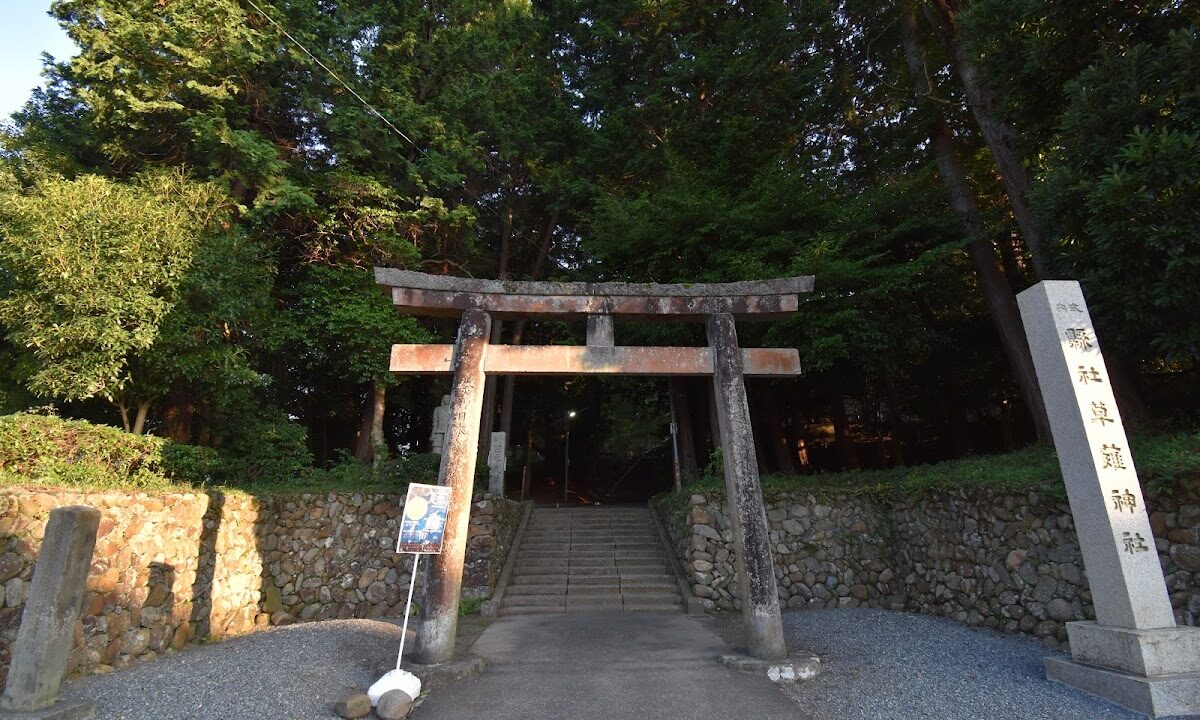
Complete Guide to Sesshu-ji Temple (Shizuoka City, Shizuoka Prefecture) | History, Goshuin (Temple Seal), and Access Information
Located in Kutsuya, Aoi Ward, Shizuoka City, Sesshu-ji Temple is a historic temple belonging to the Myoshin-ji branch of the Rinzai school of Zen Buddhism. Known as the 6th temple on the Shizuoka New Thirty-Three Kannon Pilgrimage, and with a Thousand-Armed, Thousand-Eyed Kannon as its principal image, this temple has long been a center of local faith. This article provides detailed information useful for visitors, including the history and characteristics of Sesshu-ji Temple, information on visiting, goshuin (temple seals), and access methods.
Basic Information about Sesshu-ji Temple
Location and Contact Information
Address: 1322-14 Kutsuya, Aoi-ku, Shizuoka City, Shizuoka Prefecture 420-0816
Phone Number: 054-261-4075
Sect: Rinzai Zen Myoshin-ji School
Principal Image: Thousand-Armed, Thousand-Eyed Kannon
Sacred Site: Shizuoka New Saigoku Thirty-Three Kannon Pilgrimage, Temple No. 6
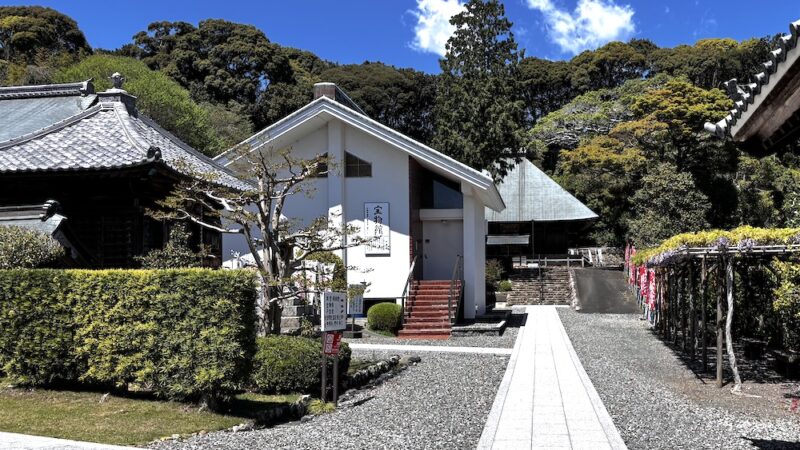
Sesshu-ji Temple is located slightly north of the center of Shizuoka City, in a quiet residential area. The surrounding area is enveloped in a tranquil atmosphere, providing a peaceful environment for worship.
Visiting Hours
Sesshu-ji Temple is generally open for worship during the daytime. If you wish to receive a temple stamp or receive assistance at the temple office, it is recommended to confirm by phone in advance. Hours may change during special ceremonies or events, so prior contact is recommended if you are visiting from afar.
History and Origins of Sesshu-ji Temple
About the Myoshin-ji School of Rinzai Zen Buddhism
Sesshu-ji Temple belongs to the Myoshin-ji School of Rinzai Zen Buddhism, a branch of Japanese Zen Buddhism with Myoshin-ji Temple in Kyoto as its head temple. It traces its lineage back to Rinzai Zen, which was introduced from China during the Kamakura period, and is now the largest Zen religious organization in Japan, with approximately 3,400 temples nationwide.
Rinzai Zen emphasizes practice centered on zazen (seated meditation), aiming for enlightenment through Zen dialogues called “koans.” Myoshin-ji temples engage in activities to spread the teachings of Zen in the local community through daily chanting and zazen sessions.
The 6th Temple of the Shizuoka New Saigoku Thirty-Three Kannon Pilgrimage
Sesshu-ji Temple is the 6th temple of the Shizuoka New Saigoku Thirty-Three Kannon Pilgrimage, and serves as a center of Kannon worship. This sacred site is a pilgrimage route established to deepen faith in Kannon Bodhisattva, and it is believed that one can accumulate merit by visiting 33 temples within Shizuoka Prefecture.
The principal image of the sacred site, the Thousand-Armed, Thousand-Eyed Kannon, is a depiction of Kannon Bodhisattva with a thousand arms and a thousand eyes, symbolizing compassion that saves all sentient beings in all directions. Pilgrims visiting Sesshu-ji Temple clasp their hands together in prayer to this Kannon, praying for peace of mind and the fulfillment of their wishes.
Meaning of the Temple Name “Sesshu”
The word “Sesshu” is a Buddhist term meaning “to embrace” or “to save.” In particular, in Pure Land Buddhism, the welcoming of all sentient beings into the Pure Land by Amida Buddha is expressed as “Sesshu Fusha” (to embrace and never abandon). It is believed that this temple name embodies the wish that all people will be saved by the compassion of Kannon Bodhisattva and the Buddha.
Goshuin Information
Goshuin Available at Sesshu-ji Temple
Sesshu-ji Temple offers goshuin (temple stamps) to visitors. As a pilgrimage site for the Shizuoka New Saigoku Thirty-Three Kannon Pilgrimage, the goshuin holds special significance for pilgrims. The goshuin includes the temple name, the name of the principal deity, and the date of visit, all written in ink and stamped with a red seal.
When receiving a goshuin, please bring your goshuincho (stamp book) and respectfully request it at the temple office. A goshuin is not merely a commemorative stamp, but a symbol of a connection with Buddha and should be cherished.
How to Receive a Goshuin and Etiquette
Here are some basic etiquette points for receiving a goshuin:
- Complete your visit first: Since the goshuin is proof of your visit, always visit the main hall before receiving your goshuin.
- Prepare your goshuincho: Prepare a dedicated goshuincho and open it to the page where you want the stamp to be written.
- Prepare the offering: Generally, 300 to 500 yen is appropriate. Please prepare the exact amount as change will not be provided.
- Request politely: Please politely request, “May I receive a Goshuin (temple stamp)?”
- Express gratitude: After receiving the stamp, express your thanks by saying, “Thank you very much.”
Sesshu-ji Temple may also carry Goshuin notebooks for the Shizuoka New Saigoku Thirty-Three Kannon Pilgrimage, so those beginning the pilgrimage should inquire.
Highlights of the Temple Grounds
Main Hall and Thousand-Armed, Thousand-Eyed Kannon
The main hall of Sesshu-ji Temple houses the Thousand-Armed, Thousand-Eyed Kannon, the principal image of the pilgrimage. The Thousand-Armed Kannon is formally called “Senju Sengan Kannon Bosatsu” (Thousand-Armed, Thousand-Eyed Kannon Bodhisattva), and is often depicted with 42 arms representing a thousand, each arm said to have an eye. This Kannon is a symbol of great compassion, saving people from all suffering.
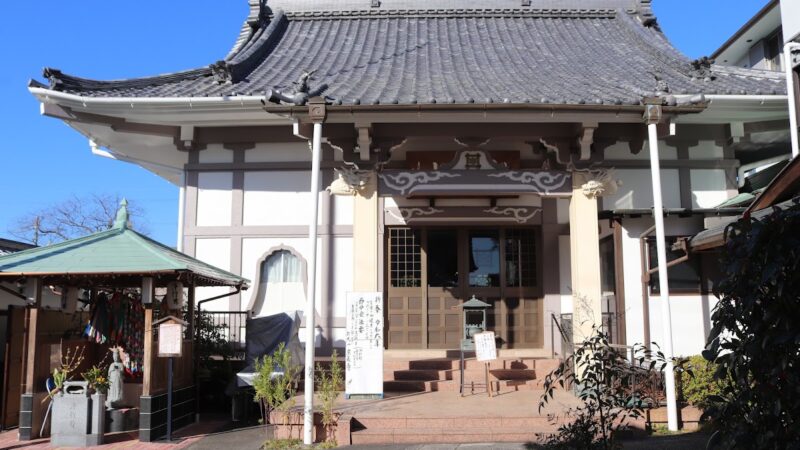
The main hall’s architectural style is characteristic of Rinzai Zen temples, exuding a simple yet solemn atmosphere typical of Zen Buddhism. Visitors can join their hands in prayer before the main hall, calming their minds and offering their solace.
Atmosphere and Environment of the Temple Grounds
Despite being located in a residential area of Shizuoka City, the grounds of Sesshu-ji Temple are enveloped in tranquility. The well-maintained grounds feature seasonal plantings that soothe the hearts of visitors.
A cemetery is also located on the grounds, and local parishioners can be seen visiting to pay respects to their ancestors. Beyond its religious function as a temple, it also serves as a central hub for the local community.
Access Information
Access by Public Transportation
Nearest Station: Shizuoka Railway Shizuoka-Shimizu Line “Naganuma Station”
Distance from Station: Approximately 15-20 minutes on foot
From Naganuma Station to Sesshu-ji Temple, head north through the residential area. The route is relatively flat and easy to walk. For first-time visitors, using a smartphone map app is recommended.
Access by Bus: If traveling from Shizuoka Station, take the Shizutetsu Bus bound for Kutsuya and get off at the nearest bus stop. The temple is a few minutes’ walk from there. Checking the bus timetable in advance is recommended.
Access by Car
Access from Major Roads:
- Approximately 15-20 minutes from the Tomei Expressway “Shizuoka IC”
- Approximately 20-25 minutes from the Shin-Tomei Expressway “Shin-Shizuoka IC”
You can access the temple from Shizuoka city center via National Route 1 or a prefectural road. Entering the address “1322-14 Kutsuya, Aoi-ku, Shizuoka City” or the phone number “054-261-4075” into your car navigation system will guide you to the exact location.
Parking: There may be parking spaces at the temple, but the number may be limited. Especially during memorial services and events, congestion is expected, so please consider using public transportation. We recommend calling ahead to confirm parking availability before your visit.
Map and Location of the Surrounding Area
Sesshuji Temple is located in the Kutsuya district of Aoi Ward, Shizuoka City, northeast of the city center. The surrounding area is a residential area, with other temples and shrines scattered nearby. Those undertaking the Shizuoka New Saigoku Thirty-Three Kannon Pilgrimage should plan an efficient route while checking the relative locations of the temples before and after their visit.
Perpetual Memorial Service and Cemetery Information
Perpetual Memorial Service Services at Sesshuji Temple
Sesshuji Temple offers services related to perpetual memorial services and interment. In recent years, due to the declining birthrate, aging population, and the rise of nuclear families, the difficulty of inheriting graves has increased, leading to growing interest in perpetual memorial services.
Perpetual memorial service is a system where the temple takes responsibility for performing perpetual memorial services. For those without descendants or those who find grave management difficult, it offers a reassuring option for entrusting memorial services.
Cemetery and Columbarium Visit and Consultation
If you are considering perpetual memorial services or burial plots at Sesshu-ji Temple, we recommend making a reservation for a visit first. Visiting the temple grounds and consulting directly with the head priest and temple staff will allow you to gain a concrete understanding of the costs, memorial service details, and contract details.
When visiting, you should confirm the following points:
- Cost and details of perpetual memorial services
- Whether there is an annual management fee
- Method and frequency of memorial services
- Number of people who can be interred
- Contract period and renewal options
- Support for grave closure and reburial
Making a reservation by phone (054-261-4075) in advance and preparing your questions will ensure a smooth consultation.
Rinzai Zen Practice and Chanting
Daily Practices of the Myoshin-ji School of Rinzai Zen
At temples of the Myoshin-ji School of Rinzai Zen, various scriptures are chanted as part of daily practice. The main scriptures include the following:
- Heart Sutra: The most widely recited scripture, expounding on the concept of emptiness.
- Great Compassionate and Unhindered Divine Mantra: A sutra praising the virtues of Kannon Bodhisattva.
- Ten-Verse Kannon Sutra for Longevity: A short sutra praying to Kannon Bodhisattva for longevity.
- Zazen Wasan: A verse by Zen Master Hakuin praising the merits of zazen (seated meditation).
It is believed that daily chanting at Sesshu-ji Temple centers around these scriptures. Given its nature as a sacred site for Kannon, scriptures concerning Kannon and Kannon Bodhisattva are likely given particular importance.
Zazen and Zen Practice
In the Rinzai school of Zen Buddhism, zazen is central to practice. Zazen is a method of awakening to one’s true self by sitting quietly, regulating breathing, and emptying the mind. Sesshu-ji Temple may also hold zazen sessions; those interested should inquire.
In Zen practice, “Shikantaza,” or simply “sitting,” is highly valued. This is not about seeking enlightenment, but rather the idea that sitting itself is the very essence of Buddhahood.
Shizuoka New Saigoku Thirty-Three Kannon Pilgrimage
Significance of the Pilgrimage
The Shizuoka New Saigoku Thirty-Three Kannon Pilgrimage is a pilgrimage route for deepening faith in Kannon Bodhisattva and accumulating merit. The number 33 originates from the teaching in the Lotus Sutra that Kannon Bodhisattva transforms into 33 different forms to save sentient beings.
Pilgrimage is not merely sightseeing; it is a form of spiritual practice for self-reflection and purification of the mind. By visiting each temple, one can have quiet time away from daily life and confront oneself.
Sesshu-ji Temple as the 6th Temple
Sesshu-ji Temple, as the 6th temple on the pilgrimage route, welcomes many pilgrims. Pilgrims visit all 33 temples, receiving a stamp at each temple and offering prayers to Kannon (Goddess of Mercy).
While some pilgrims wear white robes, straw hats, and walking sticks, these are not mandatory. What is important is visiting with a reverent heart.
Coordination with Preceding and Following Temples
To efficiently visit the Shizuoka New Saigoku Thirty-Three Kannon Pilgrimage, it’s crucial to understand the relative locations of the temples and plan your route. Check the locations of the temples before and after Sesshu-ji Temple (Temples 5 and 7) and create a schedule that takes travel time into account.
If visiting multiple temples in one day, it’s helpful to research the visiting hours of each temple and lunch locations in advance.
Nearby Temples and Shrines
Buddhist Temples in Aoi Ward, Shizuoka City
Aoi Ward in Shizuoka City, where Sesshu-ji Temple is located, is home to many historical temples. Besides the Rinzai sect, there are temples of various other sects, including the Soto, Jodo, and Shingon sects, each with its own unique characteristics.
Visiting nearby temples allows you to experience the diversity of Buddhist culture and gain a deeper understanding. Those undertaking pilgrimages, in particular, should take advantage of opportunities to visit multiple temples and learn about the history and characteristics of each.
Nearby Tourist Attractions
When visiting Sesshuji Temple, you can also visit other tourist attractions in Shizuoka City:
- Kunozan Toshogu Shrine: A national treasure shrine dedicated to Tokugawa Ieyasu
- Shizuoka Sengen Shrine: A grand shrine known as the guardian shrine of Shizuoka
- Sunpu Castle Park: The site of the castle where Tokugawa Ieyasu spent his later years
- Nihondaira: A scenic spot offering panoramic views of Mt. Fuji and Suruga Bay
Why not plan a trip to enjoy Shizuoka’s history and culture by combining these spots?
Manners and Etiquette for Visiting Temples
Basic Manners for Visiting Temples
Observing basic manners when visiting temples will lead to a more fulfilling experience:
- Bow at the Temple Gate: Bow at the temple gate before entering the temple grounds.
- Purification at the Water Basin: If there is a water basin, purify your hands and mouth.
- Quiet Worship: Walk quietly within the temple grounds and avoid disturbing other worshippers.
- Worship at the Main Hall: Join your hands in prayer in front of the main hall and pray sincerely. If there is a bell, ring it before praying.
- Consideration for Photography: Refrain from taking photos in areas where photography is prohibited, and even in areas where it is permitted, remember to be considerate of other worshippers.
- Proper Offering Etiquette: Do not throw your offering; quietly place it in the offering box.
Attire and Belongings
There are no specific dress code requirements for visiting the temple, but please avoid revealing or flashy clothing and aim for clean, understated attire. Shoes that are easy to remove are convenient.
Common belongings include a goshuincho (stamp book), rosary (prayer beads), offering money, and a camera. In summer, it’s a good idea to bring a parasol, hat, and drinks.
Annual Events and Memorial Services
Main Annual Events
It is believed that various Buddhist events and memorial services are held throughout the year at Sesshu-ji Temple. Common annual events at Rinzai Zen temples include the following:
- Shushōe: New Year’s service (January)
- Nehan-e: Service commemorating the passing of Shakyamuni Buddha (February)
- Higan-e: Ancestor memorial service during the spring and autumn equinoxes (March and September)
- Hanamatsuri (Kanbutsu-e): Service celebrating the birth of Shakyamuni Buddha (April)
- Urabon-e: Service during the Obon festival (August)
- Daruma-ki: Service commemorating the death anniversary of Bodhidharma (October)
- Jōdō-e: Service commemorating the enlightenment of Shakyamuni Buddha (December)
Due to its nature as a sacred site for Kannon (Avalokiteshvara), special services related to Kannon Bodhisattva may also be held. For detailed event schedules, please contact the temple directly.
Special Viewings and Participation in Events
During annual events, special viewings and Dharma talks may be held. Participating in these opportunities allows you to learn more about Buddhist teachings and deepen your connection with the temple.
Frequently Asked Questions (FAQ)
What is the sect of Sesshu-ji Temple?
Sesshu-ji Temple belongs to the Myoshin-ji branch of the Rinzai school of Zen Buddhism. The Rinzai school is a branch of Zen Buddhism that emphasizes practice centered on seated meditation.
Can I get a Goshuin (temple stamp)?
Yes, Sesshu-ji Temple offers Goshuin. You can receive a Goshuin as the 6th temple of the Shizuoka New Saigoku Thirty-Three Kannon Pilgrimage. Please bring your Goshuin book and request it at the temple office after your visit.
Is there parking?
We recommend calling the temple directly (054-261-4075) before your visit to confirm the availability and number of parking spaces.
Is there an admission fee?
There is no admission fee for general visits, but there may be additional fees for special viewings or events. Please contact the temple for details.
Can I consult about perpetual memorial services?
Sesshu-ji Temple accepts consultations regarding perpetual memorial services. Please make a reservation by phone in advance to arrange a date and time for your visit and consultation.
Are Zen meditation sessions held?
Please contact the temple directly regarding the holding of Zen meditation sessions. Many Rinzai Zen temples hold regular Zen meditation sessions.
Please tell me about the Shizuoka New Saigoku Thirty-Three Kannon Pilgrimage
The Shizuoka New Saigoku Thirty-Three Kannon Pilgrimage is a pilgrimage route of Kannon worship that visits 33 temples in Shizuoka Prefecture. Sesshu-ji Temple is the 6th temple on the pilgrimage, and the principal image of the pilgrimage is the Thousand-Armed, Thousand-Eyed Kannon. You will receive a Goshuin (temple stamp) at each temple as you proceed through the pilgrimage.
Summary
Sesshuji Temple is a Rinzai Zen temple of the Myoshinji school located in Kutsuya, Aoi Ward, Shizuoka City. It is the 6th temple on the Shizuoka New Saigoku Thirty-Three Kannon Pilgrimage and is popular with many visitors. Its principal image is the Thousand-Armed, Thousand-Eyed Kannon, and the temple’s name, “Sesshu,” embodies the Buddha’s compassion to save all sentient beings.
The temple grounds are enveloped in a quiet and peaceful atmosphere, providing a serene environment for worship. Goshuin (temple stamps) are also available, making it an important temple for pilgrims. Furthermore, it accepts consultations regarding perpetual memorial services and cemeteries, playing a role in supporting the religious lives of local residents.
Access is within walking distance of Shizuoka Railway’s Naganuma Station, and it is also easily accessible by car. Combining a visit with other Shizuoka City tourist spots will make for a more fulfilling trip.
When visiting Sesshuji Temple, it is recommended to call ahead to confirm visiting hours and parking. By observing proper temple etiquette and visiting with a reverent heart, you can surely experience inner peace and the compassion of Kannon (Goddess of Mercy).
For those considering a pilgrimage to the 33 Kannon temples of Shizuoka’s New Saigoku Pilgrimage, those interested in Shizuoka’s temple culture, or those considering perpetual memorial services, Sesshu-ji Temple is a temple well worth visiting. Why not pay a visit sometime?