Complete Guide to Zozenji Temple (Shizuoka Prefecture) | History and Highlights of an Ancient Temple Associated with Imagawa Ujichika and Tokugawa Ieyasu
Zozenji Temple, located in Jihio, Aoi Ward, Shizuoka City, is an ancient Soto Zen temple boasting a history of over 1300 years. As the family temple of Lord Imagawa Ujichika, and a place of spiritual solace for Lord Tokugawa Ieyasu during his time as a hostage, it conveys the history of the Sengoku period. Known as the 16th temple of the Suruga Thirty-Three Kannon Pilgrimage and the 2nd temple of the Suruga Seven Kannon Pilgrimage, this renowned temple attracts many visitors. We will introduce its complete picture.
History of Zozenji Temple | Transition from Shingon Sect Jihiji Temple to Soto Zen
From Founding to the Heian Period
The history of Zozenji Temple dates back to the 10th year of Emperor Tenmu’s reign (681 AD). This Shingon Buddhist temple was founded by the monk Dosho, the founder of the Hosso sect, and was originally called “Jihiji.” The place name “Shiinoo” is believed to originate from this temple’s name.
From its founding, the temple’s mountain name was “Jihisan,” and it was a magnificent temple with seven main buildings, one of the centers of Buddhist culture in Suruga Province. During the Heian period, it flourished as a Shingon Buddhist temple and functioned as a training ground where many monks practiced their disciplines.
Devastation due to War and Restoration by Imagawa Ujichika
From the Muromachi period to the Sengoku period, Jihiji fell into ruin due to repeated wars. The person who restored this dilapidated temple was Imagawa Ujichika, known as the restorer of the Imagawa family.
Imagawa Ujichika was the 11th lord of Suruga Province and a Sengoku daimyo who demonstrated great skill in managing his territory. In 1504, Ujichika invited Shin’ō Shōin Zenji, a high-ranking priest of the Sōtō sect, to be the founding abbot, and converted the temple to the Sōtō sect. At this time, the temple’s name was also changed to “Zōzenji,” marking the beginning of a new chapter in its history as the Imagawa family’s ancestral temple.
As the Ancestral Temple of Lord Imagawa Ujichika
When Imagawa Ujichika passed away in 1519, his funeral was held at Zōzenji according to his will. Ujichika’s tomb was established at Zōzenji, and thereafter, it played an important role as the mausoleum of successive generations of the Imagawa family.
The Imagawa family mausoleum contains the tombstones of Ujichika and successive heads of the Imagawa family and their relatives, preserving the history of this prestigious family that ruled Suruga Province during the Sengoku period. The Imagawa family crest, “Futatsu Hikiryō,” can be seen throughout the temple grounds, testifying to its deep connection with the Imagawa family.
History from the Edo Period Onward
During the Edo period, Zōzenji Temple became a center of local faith as a Sōtō Zen temple. With Enmei Jizō Bodhisattva as its principal deity, it became the 16th temple of the Suruga Thirty-Three Kannon Pilgrimage and the 2nd temple of the Suruga Seven Kannon Pilgrimage, welcoming many pilgrims.
Despite the impact of the anti-Buddhist movement of the Meiji era, it survived thanks to the fervent faith of the local residents, and has continued to uphold its religious traditions for over 1300 years to this day.
Tokugawa Ieyasu and Zōzenji Temple | A Spiritual Sanctuary During His Time as a Hostage
The Encounter Between Takechiyo and Abbot Tōzen
An indispensable aspect of Zōzenji Temple’s history is its deep connection with Tokugawa Ieyasu (childhood name: Takechiyo). From 1549 (Tenbun 18) for approximately 12 years, Takechiyo spent time in Sunpu as a hostage of Imagawa Yoshimoto.
During this period of hostageship, Takechiyo particularly admired Abbot Tozen (also known as Sosan) of Zozen-ji Temple. Abbot Tozen had known Takechiyo since his time in Okazaki and was one of the few people who understood his difficult circumstances as a hostage.
Spiritual Exchange and Teachings
It is said that Takechiyo frequently visited Zozen-ji Temple and engaged in Zen dialogues and discussions about life with Abbot Tozen. The Buddhist thought and Zen teachings he learned during this period are believed to have greatly influenced the character development of Tokugawa Ieyasu.
In particular, many of the qualities Ieyasu displayed as a ruler of Japan, such as his resilience in the face of adversity and his ability to view things from a broad perspective, are thought to have been cultivated through his training at Zozen-ji Temple and his interactions with Abbot Tozen.
Relationship After Becoming the Ruler of Japan
Even after becoming the ruler of Japan, Ieyasu never forgot his affection for Zōzenji Temple. It is said that he visited Zōzenji Temple during his later years in retirement at Sunpu Castle. As a temple associated with Ieyasu, Zōzenji Temple received generous protection from the Edo Shogunate.
Zōzenji Temple Grounds | Highlights and Cultural Assets
Main Hall and Enmei Jizō Bodhisattva
The main hall of Zōzenji Temple houses the principal image, the Enmei Jizō Bodhisattva. This Jizō Bodhisattva statue has long been cherished by local people as an object of worship for the healthy growth and longevity of children.
The main hall exhibits a typical Sōtō Zen architectural style, creating a space that is both solemn and warm. Zen meditation sessions and Dharma talks are regularly held inside the hall, and it continues to function as a living place of faith even today.
Kannon Hall of the Suruga Seven Kannon Pilgrimage
Zōzenji Temple, the second stop on the Suruga Seven Kannon Pilgrimage, enshrines a statue of Kannon Bodhisattva said to have been created by Gyōki Bodhisattva. This Kannon statue is a precious Buddhist image believed to have been carved by Gyōki, a high-ranking priest of the Nara period, during his pilgrimage through eastern Japan.
The Kannon Hall is built separately from the main hall and is an important pilgrimage site that all pilgrims visiting the Suruga Thirty-Three Kannon Pilgrimage or the Suruga Seven Kannon Pilgrimage must visit. Every year, many worshippers pray to Kannon, seeking her compassion and offering various wishes.
Imagawa Family Mausoleum
In a corner of the temple grounds is the Imagawa Family Mausoleum, the burial place of successive generations of the Imagawa family, including Imagawa Ujichika. As the burial place of a prestigious family that ruled Suruga Province during the Sengoku period, it is a historical site of great historical value.
In particular, the tombstone of Imagawa Ujichika is a magnificent example of the finest stonemasonry techniques of the time, conveying the power and influence of the Imagawa family to this day. The area around the mausoleum is enveloped in a tranquil atmosphere, creating a space that evokes a sense of historical romance.
Temple Gate and Approach
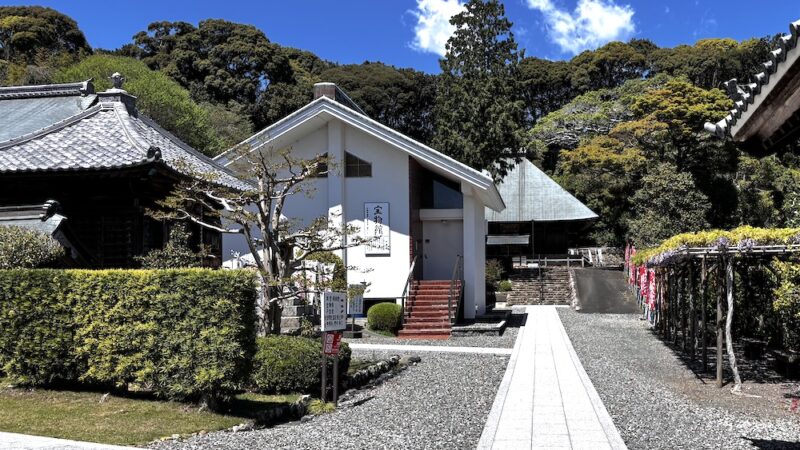
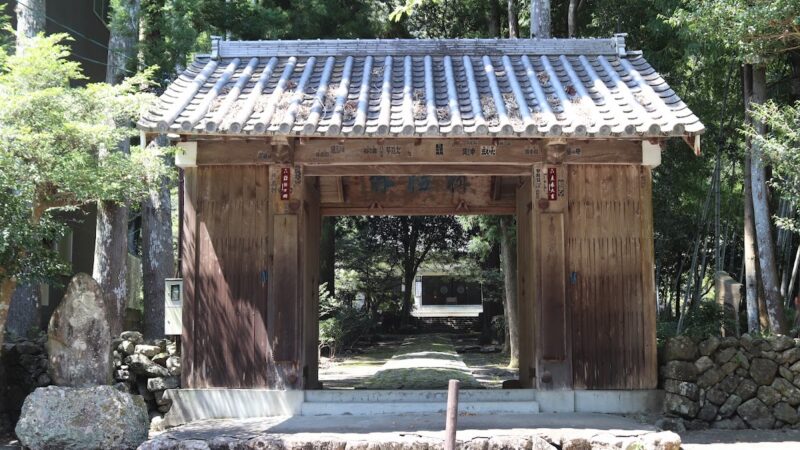
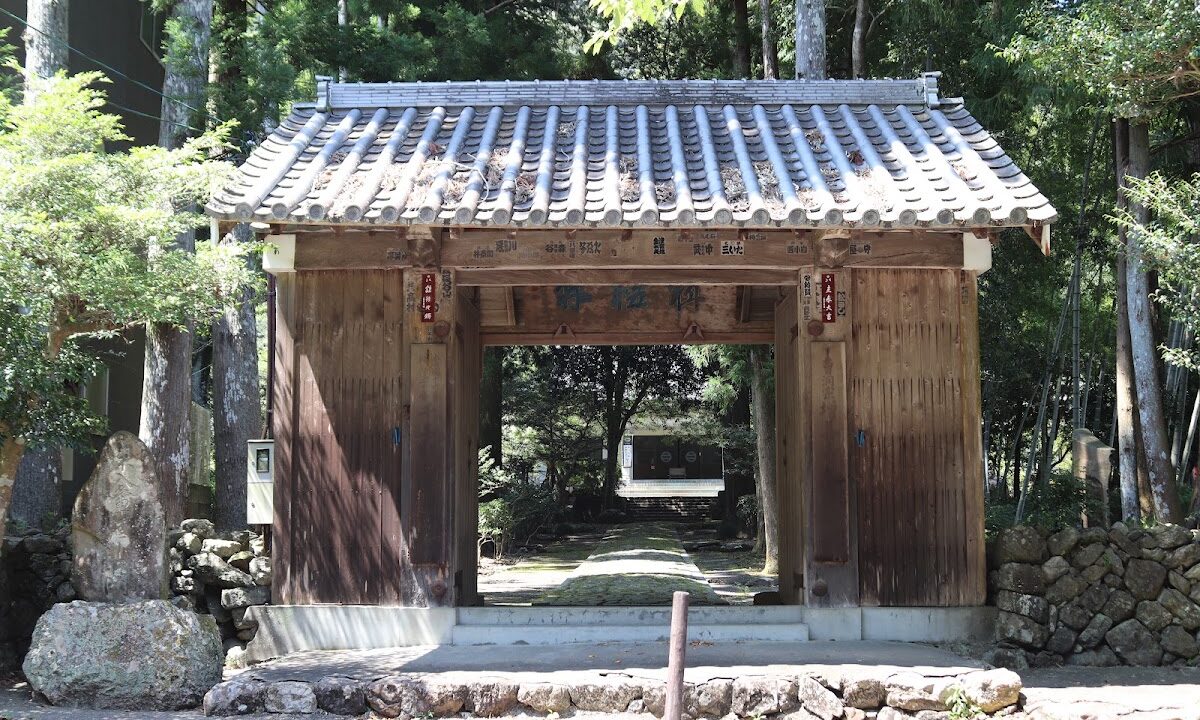
The temple gate of Zōzenji Temple has a dignified structure befitting a Sōtō Zen temple. Passing through the gate, a quiet approach stretches out to the main hall, lined on both sides with beautiful seasonal flowers welcoming visitors.
Walking along the approach, one is enveloped in a silence that makes one forget the hustle and bustle of the city, and one’s mind naturally calms down. Walking along this approach itself has the feel of a kind of meditative experience.
Garden and Natural Environment
Within the grounds of Zōzenji Temple is a beautiful garden that displays different expressions in each of the four seasons. The cherry blossoms in spring, the fresh greenery in early summer, and the autumn leaves are particularly magnificent, attracting many visitors and photography enthusiasts.
Despite its location relatively close to Shizuoka city center, it is blessed with a rich natural environment, allowing visitors to spend a relaxing time listening to the chirping of wild birds and the sound of the wind.
Suruga Thirty-Three Kannon Pilgrimage and Suruga Seven Kannon
16th Temple of the Suruga Thirty-Three Kannon Pilgrimage
Zōzenji Temple has a long history of pilgrimage as the 16th temple of the Suruga Thirty-Three Kannon Pilgrimage. The Suruga Thirty-Three Kannon Pilgrimage is a pilgrimage route that visits Kannon temples scattered throughout the central region of Shizuoka Prefecture, and has attracted many believers since the Edo period.
Kannon worship is a belief that one can gain worldly benefits through the compassionate power of Kannon Bodhisattva, and was particularly widespread among ordinary people. The number 33 is based on the teachings of the Kannon Sutra, which states that Kannon Bodhisattva transforms into 33 forms to save sentient beings.
2nd Temple of the Suruga Seven Kannon Pilgrimage
The Suruga Seven Kannon Pilgrimage consists of seven Kannon temples selected from within Suruga Province that are considered particularly efficacious, and Zōzenji Temple is positioned as the 2nd temple. The pilgrimage to the Seven Kannon of Suruga is said to have an even longer history than the pilgrimage to the Thirty-Three Kannon of Suruga.
Zōzenji Temple, which houses a statue of Kannon said to have been created by Gyōki Bodhisattva, is known as a particularly prestigious pilgrimage site among the Seven Kannon of Suruga.
About Goshuin (Temple Seals)
At Zōzenji Temple, you can receive goshuin for both the Thirty-Three Kannon Pilgrimage of Suruga and the Seven Kannon Pilgrimage. The goshuin features the mountain name “Jihizan,” the temple name “Zōzenji,” and the pilgrimage site number, all written in ink and stamped with a red seal.
Goshuin are not merely commemorative stamps; they are cherished as proof of worship and as evidence of a connection with Buddha. Carefully written goshuin possess a beauty that is almost like a work of art.
Annual Events and Points to Note at Zōzenji Temple
Main Annual Events
Zōzenji Temple holds various Buddhist events throughout the year. Particularly important events include the following:
Spring Equinox Service: For one week centered around the spring equinox, memorial services for ancestors are held. Many parishioners and worshippers visit to express their gratitude to their ancestors.
Kannon Festival: On the 17th of each month, a special memorial service is held as a festival day for Kannon (Goddess of Mercy). It is believed that visiting on this day brings greater merit than visiting on other days.
Autumn Equinox Service: For one week centered around the autumn equinox, memorial services for ancestors are held, similar to the spring service.
New Year’s Eve Bell Ringing: On New Year’s Eve, the temple bell is rung, and general worshippers are welcome to ring it. It is believed that this will cleanse oneself of the 108 worldly desires and allow one to welcome the new year with a refreshed mind.
Zen Meditation and Sutra Copying Sessions
Zōzenji Temple regularly holds Zen meditation and sutra copying sessions that are open to the public. Through Zen meditation, a practice of the Sōtō Zen sect, one can experience inner peace. Even beginners will receive careful instruction, so those new to Zen meditation or sutra copying can participate with confidence. It’s a valuable opportunity to escape the hustle and bustle of everyday life and spend time reflecting on yourself.
Manners and Points for Visiting the Temple
When visiting Zōzenji Temple, please pay attention to the following points:
- Attire: Modest, understated clothing is preferred. Especially when entering the main hall, please wear clothing that minimizes skin exposure.
- Photography: Photography is generally permitted on the temple grounds, but permission is required beforehand for photography inside the main hall or of Buddha statues.
- Quietness: Temples are places of practice and prayer. Please refrain from loud conversations and pray quietly.
- Offering: When receiving a temple stamp or during special viewings, please offer an appropriate offering.
Recommended Time to Visit and Highlights of Zōzenji Temple
Spring (March-May)
In spring, Zōzenji Temple is adorned with magnificent cherry blossoms. Especially from late March to early April, the Somei Yoshino cherry trees are in full bloom, creating a beautiful photo opportunity with the contrast between the main hall and the blossoms.
While the temple is bustling with visitors during the spring equinox, weekdays outside of this period offer a relatively quiet and peaceful experience. The fresh greenery of spring is refreshing, and simply walking along the approach to the temple feels cleansing for the soul.
Summer (June-August)
The hydrangeas during the rainy season are also beautiful, and you can enjoy a variety of colorful hydrangeas throughout the temple grounds. Summer brings lush greenery and pleasant shade.
If you plan to participate in a Zen meditation session, the cool early morning hours are recommended. Meditating while listening to the cicadas is a unique summer experience.
Autumn (September-November)
Autumn is the most beautiful season at Zōzenji Temple, when the temple grounds are adorned with vibrant autumn foliage. Especially from mid- to late November, the maple and ginkgo trees change color, creating a magnificent landscape.
The period of the Autumn Equinox is also suitable for visiting, allowing you to enjoy the autumn scenery while honoring your ancestors. The time spent quietly praying under the clear autumn sky is truly special.
Winter (December-February)
Winter at Zōzenji Temple is less crowded, making it a season for peaceful worship in the tranquil temple grounds. Many people visit on New Year’s Eve to ring the temple bell, marking the end of the year.
On snowy days, Zōzenji Temple displays a mystical beauty reminiscent of an ink painting. Although the cold is severe, visiting in the crisp, clear air is a truly invigorating experience for both mind and body.
Winter ## Access to and Surrounding Information for Zōzenji Temple
Transportation Access
Location: 302 Jihio, Aoi-ku, Shizuoka City, Shizuoka Prefecture
Access by Train/Bus:
- Approximately 30 minutes by bus from JR Shizuoka Station, get off at “Jihio” bus stop, then approximately 5 minutes on foot.
- Approximately 20 minutes by taxi from Shin-Shizuoka Station on the Shizuoka Railway Shizuoka-Shimizu Line.
Access by Car:
- Approximately 15 minutes from the Tomei Expressway Shizuoka IC.
- Approximately 20 minutes from the Shin-Tomei Expressway Shin-Shizuoka IC.
- Parking: 70-80 cars (free)
A large parking lot is available, making it convenient to visit by car. Especially recommended for those visiting Kannon pilgrimage sites.
Visiting Information
Visiting Hours: Grounds are freely accessible (advance notice is recommended for viewing the main hall)
Admission Fee: Free (excluding special viewings)
Telephone: 054-278-6333
If you wish to receive a Goshuin (temple stamp) or participate in a Zen meditation or sutra copying session, it is recommended to confirm by phone in advance.
Nearby Tourist Spots
The area around Zōzenji Temple is dotted with tourist spots where you can experience the history and culture of Shizuoka City.
Sunpu Castle Park: The site of Sunpu Castle, where Tokugawa Ieyasu spent his later years. Approximately 15 minutes by car from Zōzenji Temple.
Shizuoka Sengen Shrine: An ancient shrine known as the principal shrine of Suruga Province. Approximately 20 minutes by car from Zōzenji Temple.
Nihondaira: A scenic spot offering panoramic views of Mt. Fuji and Suruga Bay. Approximately 30 minutes by car from Zōzenji Temple.
By visiting these tourist spots in conjunction with your visit to Zōzenji Temple, you can gain a deeper understanding of Shizuoka’s history and culture. ## Reviews and Testimonials of Zōzenji Temple
Reviews from History Enthusiasts
Zōzenji Temple, as the family temple of Imagawa Ujichika and a temple associated with Tokugawa Ieyasu, is highly regarded by history enthusiasts. It is considered a must-see spot, especially for those interested in the history of Suruga Province during the Sengoku period.
The Imagawa family mausoleum is a valuable historical site where one can experience firsthand the history of a prestigious family from the Sengoku period, attracting many history researchers and fans.
Reviews from Pilgrims
Pilgrims visiting the 33 Kannon temples of Suruga and the 7 Kannon temples of Suruga have left many positive reviews, praising the temple’s “quiet and peaceful atmosphere for heartfelt prayer,” “careful and attentive writing of temple stamps,” and the “kindness of the head priest and temple staff.”
The Kannon statue in the Kannon Hall is said to be highly efficacious, and there are many stories of people having their wishes granted.
Feedback from General Visitors
General visitors have commented, “It’s wonderful that it’s so quiet and surrounded by nature, despite being close to downtown Shizuoka,” “The temple grounds are beautifully maintained,” and “The scenery changes beautifully with the seasons.”
Especially during the autumn foliage and cherry blossom seasons, it’s a popular spot for taking photos, and many beautiful pictures are posted on social media.
Feedback from Participants in Zen Meditation and Sutra Copying Sessions
Participants in Zen meditation and sutra copying sessions have commented, “Even beginners received careful instruction,” “I was able to forget the hustle and bustle of everyday life and spend a peaceful time,” and “I want to come regularly.”
It seems that many people become repeat visitors, as it’s a valuable opportunity to experience authentic Soto Zen meditation.
Summary | The Charm and Worth of Visiting Zōzenji Temple
Located in Jihio, Aoi Ward, Shizuoka City, Zōzenji Temple is a venerable temple of the Sōtō Zen sect with a history of over 1300 years. It is a renowned temple with many historical significances, serving as the family temple of Lord Imagawa Ujichika and a temple associated with Tokugawa Ieyasu.
As the 16th temple of the Suruga Thirty-Three Kannon Pilgrimage and the 2nd temple of the Suruga Seven Kannon Pilgrimage, it is a center of Kannon worship and a sacred site housing a Kannon statue said to have been created by Gyōki Bodhisattva, attracting many pilgrims.
The Imagawa family mausoleum, where one can feel the historical romance of the Sengoku period, the setting for Tokugawa Ieyasu’s interactions with Abbot Tōzen, who was his spiritual refuge during his time as a hostage, and the temple grounds surrounded by the beautiful nature of the four seasons, offer visitors deep emotion and peace.
When visiting Shizuoka City, be sure to visit Zōzenji Temple and spend some time quietly praying in its grounds steeped in 1300 years of history. The weight of history and the teachings of Buddhism will surely convey important messages to us living in the modern age.
You can also experience the practices of the Soto Zen sect by participating in Zen meditation sessions and sutra copying sessions. This precious time away from the hustle and bustle of everyday life, allowing you to confront yourself, is ideal for refreshing your mind and body.
Zōzenji Temple is one of Shizuoka’s leading temples, well worth visiting for various purposes, including historical exploration, pilgrimage to Kannon sacred sites, spiritual cultivation, and nature walks.