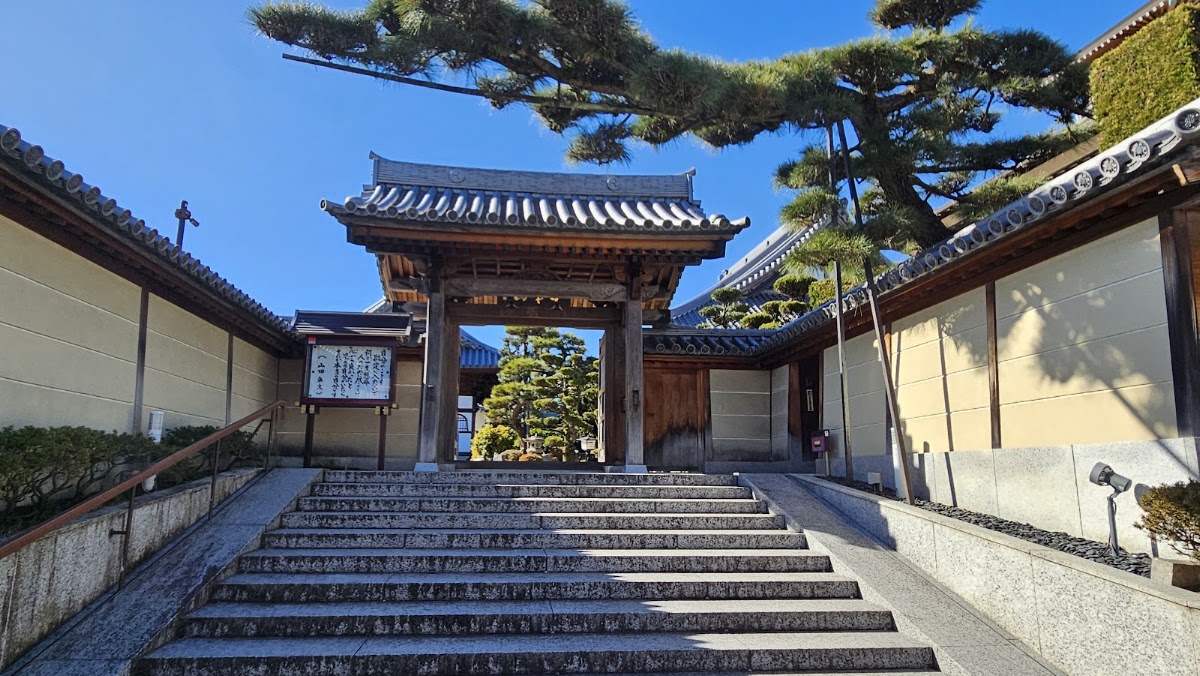
Zenso-ji Temple (Shizuoka Prefecture) Complete Guide | The Charm of a Historic Zen Temple Associated with Shimizu Jirocho and Information on Goshuin (Temple Seal)
Zenso-ji Temple, located in Kamishimizu-cho, Shimizu-ku, Shizuoka City, Shizuoka Prefecture, is a Rinzai Zen temple deeply intertwined with the history of the region. Known as the place where Shimizu Jirocho studied at a temple school during his childhood, and also having ties to the renowned Edo-period monk Hakuin Zenji, it is a prestigious Zen temple beloved by many visitors and history enthusiasts.
This article comprehensively introduces information you should know before visiting Zenso-ji Temple, including its history, cultural assets, goshuin information, details of the Zen meditation experience, and access methods.
Basic Information about Zenso-ji Temple
Official Name: Hakkasan Zenso-ji Temple
Sect: Rinzai Zen Myoshin-ji School
Address: 5-7 Kamishimizu-cho, Shimizu-ku, Shizuoka City, Shizuoka Prefecture
Postal Code: 424-0835
Phone Number: 054-352-6986
Nearest Station: Irieoka Station, Shizuoka Railway Shizuoka-Shimizu Line (approx. 7-minute walk)
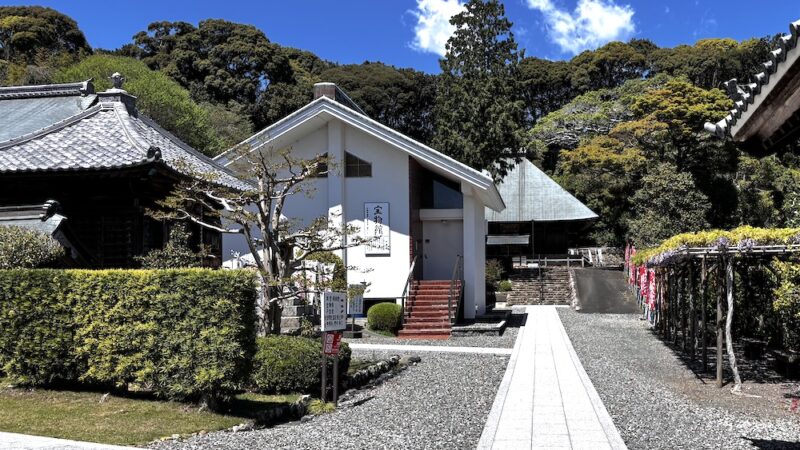
Zenso-ji Temple is a temple that maintains a tranquil atmosphere despite being located in a residential area of Shimizu-ku, Shizuoka City. While conveniently located within walking distance of Irieoka Station, stepping onto the temple grounds reveals a peaceful space that makes you forget the hustle and bustle of the city.
History and Origins of Zenso-ji Temple
Founding and Origin of the Place Name “Shimizu”
There are various theories regarding the founding date of Zenso-ji Temple, but it is known as a temple that has been rooted in the Shimizu area since ancient times. Of particular note is the fact that the well remaining at this temple is said to be the origin of the place name “Shimizu” (清水).
The pure water gushing from this well has been cherished by the local people since ancient times, and a legend remains that the name “Shimizu” originated from its purity. Even today, this historical well is preserved on the temple grounds and is one of the important sights to see when visiting Zenso-ji Temple.
Connection to Zen Master Hakuin
Zen Master Hakuin Ekaku, the restorer of the Rinzai sect who was active in the mid-Edo period, is one of the most important figures in the history of Japanese Zen Buddhism. Born in Suruga Province (present-day Shizuoka Prefecture), Zen Master Hakuin practiced and preached at many temples throughout his life.
Zenso-ji Temple is also known as one of the temples where Zen Master Hakuin trained, and it is an indispensable sacred site for tracing the footsteps of the Zen master. The Zen teachings left behind by Zen Master Hakuin are still carried on in the practice of Zen training at Zenso-ji Temple today. ### A Deep Connection with Shimizu Jirocho
When discussing Zenso-ji Temple, its connection to Shimizu Jirocho (real name: Yamamoto Chogoro), a renowned yakuza figure of the late Edo period, is indispensable. Jirocho learned reading, writing, and arithmetic at Zenso-ji Temple’s temple school during his childhood.
At that time, temples also served as educational institutions, and Zenso-ji Temple provided a place of learning for local children. The education Jirocho received here is a historically romantic episode, suggesting its impact on his later life.
Shimizu Jirocho later became famous as the “boss of the Tokaido,” and after the Meiji Restoration, he is also known for his contributions to the development of Shimizu Port. Zenso-ji Temple, as a place associated with Jirocho, is an important temple for understanding the history of Shimizu.
Highlights of the Temple Grounds and Cultural Properties
Main Hall and Buddhist Statues
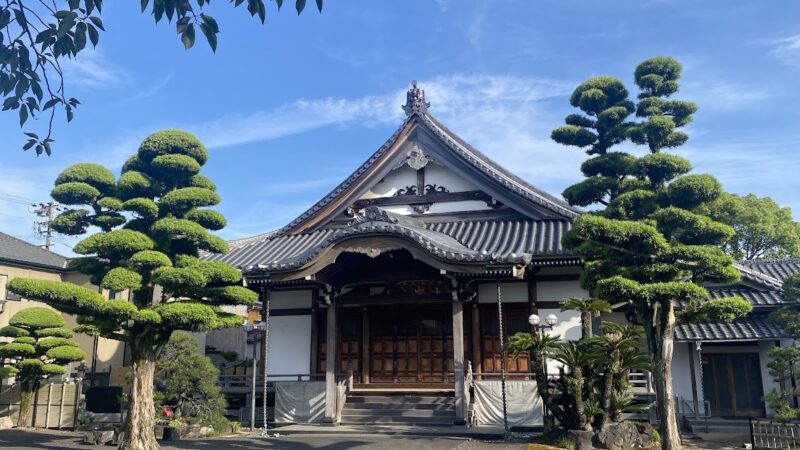
The main hall of Zenso-ji Temple is a building that preserves the traditional style of Zen Buddhist temple architecture. The simple yet dignified appearance embodies the Zen spirit of “beauty stripped of the unnecessary.”
Inside the main hall, various Buddha statues, including the principal image, are enshrined, allowing visitors to quietly offer their prayers. The tranquil atmosphere within the hall naturally calms the hearts of visitors.
Historic Well
As mentioned earlier, the well, which is said to be the origin of the place name “Shimizu,” is one of Zenso-ji Temple’s most important cultural assets. This well, which still remains on the temple grounds, has continued to produce pure water for hundreds of years.
The stonework surrounding the well and the surrounding landscape are also charming, making it a popular spot for photography. Spending quiet time in front of this well, while feeling the history, is one of the great pleasures of visiting Zenso-ji Temple.
Garden and Nature of the Temple Grounds
The grounds of Zenso-ji Temple are adorned with the beauty of nature throughout the seasons. Cherry blossoms and fresh greenery in spring, and autumn leaves in fall, offer beautiful scenery, each displaying a different face in each season.
The simple yet carefully designed garden layout, characteristic of a Zen temple, evokes a sense of tranquility and harmony. Strolling through the temple grounds, you can experience the Zen spirit of becoming one with nature.
About the Zen Meditation Experience
Zenso-ji Temple offers Zen meditation experiences for the general public. As a Rinzai Zen temple, this is a valuable opportunity to receive authentic Zen meditation instruction.
Contents of the Zen Meditation Experience
The Zen meditation experience begins with thorough instruction on basic sitting postures (full lotus or half lotus), breathing techniques, and mental attitude. The explanations are easy to understand, ensuring that even beginners can participate with confidence.
The actual meditation time is usually around 30 to 40 minutes, and you can also experience encouragement with a Zen stick called a kyosaku. This time spent facing yourself in silence will be a valuable experience rarely found in daily life.
How to Apply for a Zen Meditation Experience
Those wishing to participate in a Zen meditation experience are advised to contact Zenso-ji Temple by phone (054-352-6986) in advance. You can confirm details such as the date and time, participation fee, and what to bring.
Generally, it is recommended to wear comfortable clothing (avoid stiff materials such as jeans) and socks. Zen meditation is ideal for refreshing the mind and body, and is a meaningful experience for modern people living in a stressful society.
Goshuin (Temple Seal) and Goshuincho (Stamp Book) Information
Zenso-ji Temple’s Goshuin
You can receive a Goshuin at Zenso-ji Temple. Goshuin are popular among many visitors as proof of worship and as a way to preserve their connection with the temple.
The Zenso-ji Temple Goshuin features the temple name “Zenso-ji” written in ink and stamped with a red seal. The simple yet powerful brushstrokes evoke the dignified atmosphere characteristic of a Zen temple.
How to Obtain a Goshuin (Temple Stamp)
When requesting a Goshuin, first complete your prayers at the main hall, then speak to someone at the temple office or the main hall. It’s important to bring your Goshuincho (stamp book) and make your request politely.
The offering fee for a Goshuin is generally around 300 to 500 yen, but sometimes it’s left to your discretion. It’s best to have small change ready to avoid needing change.
About Goshuincho
We recommend calling ahead to confirm whether Zenso-ji Temple has its own original Goshuincho. Of course, bringing a Goshuincho from another temple or shrine is perfectly acceptable.
Collecting Goshuin is not just a stamp rally; it’s an act of cherishing a spiritual connection with the temple. Enjoy your pilgrimage while appreciating the meaning behind each Goshuin.
Access and Surrounding Area Information
Access by Public Transportation
By Train:
- Get off at Irieoka Station on the Shizuoka Railway Shizuoka-Shimizu Line, approximately 7 minutes on foot.
- Approximately 10 minutes by bus or taxi from Shimizu Station on the JR Tokaido Main Line.
The route from Irieoka Station is relatively easy to follow; you can walk through the residential area after leaving the station. Using a map app will help you arrive without getting lost.
Access by Car
Access from Major Roads:
- Approximately 15 minutes from Shimizu IC on the Tomei Expressway.
- From National Route 1, head towards Shimizu, near the Kamishimizu-cho intersection.
It is recommended to check with the temple before visiting regarding parking availability and capacity. Since the surrounding area is a residential area, please avoid street parking and park in designated areas.
Nearby Tourist Attractions
When visiting Zenso-ji Temple, you can also visit other tourist attractions in Shimizu Ward.
Shimizu Jirocho Related Facilities:
- Jirocho’s Birthplace (within walking distance)
- Baiinji Temple (Jirocho’s grave)
- Shimizu Jirocho Memorial Museum
Other Attractions:
- S-Pulse Dream Plaza (Shimizu Port)
- Miho no Matsubara (Japan’s New Three Views, World Cultural Heritage Site)
- Nihondaira (Scenic Spot)
Shimizu is a beautiful port town overlooking Mt. Fuji and boasts abundant seafood. You can fully enjoy the charm of Shimizu by combining a visit to Zenso-ji Temple with a trip to the temple.
Manners and Precautions for Visiting Temples
Basic Manners for Visiting Temples
When visiting temples, please observe the following basic manners.
- Bow at the Temple Gate: Before entering the temple grounds, bow at the temple gate.
- Remain Quiet: Do not speak loudly on the temple grounds and remain quiet.
- Photography: Check which areas are permitted and prohibited for photography, and obtain permission before taking pictures, especially inside the main hall.
- Attire: Avoid revealing clothing and wear modest attire.
- Smoking and Eating: Refrain from smoking and eating outside designated areas.
Visiting Hours
Zenso-ji Temple is generally open for visits during daylight hours. However, there may be times when visits are not possible due to specific times or religious services. Therefore, if you wish to visit, it is recommended to confirm by phone in advance.
Especially if you wish to receive a temple stamp or participate in a Zen meditation experience, prior contact is essential.
Annual Events at Zenso-ji Temple
Zenso-ji Temple holds various Buddhist events throughout the year.
Main Annual Events
- Shushōe: New Year’s memorial service (January)
- Spring Equinox: Memorial service for ancestors (March)
- Hanamatsuri: Memorial service celebrating the birth of Buddha (April 8th)
- Urabon-e: Memorial service for Obon (August)
- Autumn Equinox: Memorial service for ancestors (September)
- Jōdō-e: Memorial service commemorating the enlightenment of Buddha (December)
During these events, parishioners and local residents gather, and memorial services are held in a solemn atmosphere. Some events are open to the general public, so those interested should inquire.
Zensōji Temple’s Connection to the Community
Zensōji Temple has played a role not only as a religious facility but also as a center of the local community. ### History as a Terakoya (Temple School)
From the Edo period to the early Meiji era, Zenso-ji Temple served as a terakoya, playing a vital role in local education. Many children, including Shimizu Jirocho, learned reading, writing, arithmetic, and morality here.
Education at terakoya during that time was not merely about imparting knowledge, but also about nurturing a way of life and moral character. There is no doubt that learning at Zenso-ji Temple greatly contributed to the development of local talent.
Modern-Day Engagement with the Community
Even today, Zenso-ji Temple remains a beloved spiritual center for the local community. Through Buddhist services and annual events, it serves as a place to deepen community bonds.
Furthermore, through activities such as Zen meditation experiences, it plays a role in conveying the history and culture of Shimizu as a temple open to visitors from outside the region.
Photography Tips
Many visitors to Zenso-ji Temple will want to take memorable photos. There are several photo spots within the temple grounds.
Recommended Photo Spots
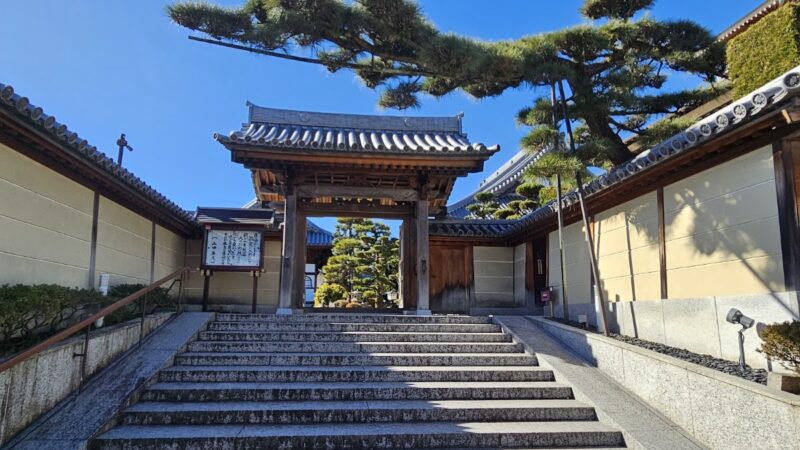
- Temple Gate: The temple gate, considered the face of the temple, is a classic photo spot to commemorate your visit.
- Main Hall: Capture the beauty of traditional architecture.
- Historical Well: The area around the well that gave rise to the place name “Shimizu” (clear water).
- Nature on the Temple Grounds: The combination of seasonal flowers and trees.
- Temple Stamp: Take a photo of the stamp you receive as a record.
Precautions When Taking Photos
- Always obtain permission before taking photos inside the main hall or of Buddha statues.
- Be considerate of the privacy of other visitors.
- Confirm in advance before using a tripod.
- Be careful about disclosing location information when posting on social media.
- Avoid using flash photography as it may damage Buddha statues and cultural artifacts.
Checkpoints When Visiting Zenso-ji Temple
Here are some points to check beforehand when planning your visit to Zenso-ji Temple.
Things to Check Before Your Visit
- Opening Hours: Check the hours when you can visit the temple.
- Memorial Service Schedule: Check if there are any times when you cannot visit due to memorial services, etc.
- Goshuin (Temple Stamp) Availability Hours: Check the hours when you can receive a Goshuin.
- Zen Meditation Experience: Check the dates and times and whether a reservation is required.
- Parking: Check the availability of parking spaces.
- Access: Check the route from the nearest station in advance.
Things to Bring
- Goshuincho (stamp book) (if you wish to receive a Goshuin)
- Small change (for the Goshuin offering fee)
- Camera/Smartphone (for recording)
- Comfortable walking shoes (for exploring the temple grounds)
- Rain gear or parasol depending on the weather
- Map app (to avoid getting lost)
Zen Teachings and Their Application to Modern Life
Visiting Zenso-ji Temple provides an opportunity to experience the teachings of Zen. The spirit of Zen offers many insights for modern life.
Fundamental Teachings of Zen
- Focus on the Present Moment: The Origin of Mindfulness
- Shrink Unnecessary Things: The Philosophy of Minimalism
- Put Your Mind into Everyday Actions: Cleaning and Eating as Practices
- Reflect on Yourself: The Importance of Introspection
Through a Zen meditation experience, you can learn these teachings experientially. In today’s busy society, the teachings of Zen can offer hints for regaining inner peace.
Summary
Located in Kamishimizu-cho, Shimizu-ku, Shizuoka City, Shizuoka Prefecture, Zenso-ji Temple is a Rinzai Zen temple with a rich history, serving as the temple school where Shimizu Jirocho studied, and as a temple associated with Zen Master Hakuin.
The temple grounds, where the well that gave rise to the place name “Shimizu” remains, evoke a sense of historical romance, and you can experience the spirit of Zen through a Zen meditation session. You can also receive a Goshuin (temple stamp), making it an important spot on a journey through the history of Shimizu.
Zenso-ji Temple, conveniently located about a 7-minute walk from Irieoka Station, maintains a tranquil atmosphere. When visiting Kiyomizu, be sure to stop by. A valuable experience of connecting with history and the spirit of Zen awaits you.
Before your visit, please check the opening hours and Zen meditation schedule by phone (054-352-6986). By observing proper etiquette during your visit, you can have a more fulfilling time.
Frequently Asked Questions (FAQ)
Q1: What are the visiting hours for Zenso-ji Temple?
A1: The general visiting hours for Zenso-ji Temple are during daylight hours, but these may vary due to religious services, etc. If you wish to visit or receive a temple stamp, we recommend checking in advance by phone (054-352-6986). Those wishing to participate in a Zen meditation experience must contact us in advance.
Q2: Can I get a Goshuin (temple stamp) at Zenso-ji Temple?
A2: Yes, you can get a Goshuin at Zenso-ji Temple. First, complete your prayers at the main hall, then speak to someone at the temple office or the main hall. Bringing your Goshuincho (stamp book) and having the offering fee (generally around 300 to 500 yen) ready will make the process smoother. Since the available times may be limited, we recommend contacting them in advance if you definitely want one.
Q3: Can beginners participate in the Zen meditation experience?
A3: Yes, beginners can participate in the Zen meditation experience at Zenso-ji Temple with confidence. You will receive careful instruction on how to sit, breathing techniques, and mental attitude, with clear explanations. Those wishing to participate should check the dates, times, fees, and required items by phone in advance. We recommend wearing comfortable clothing (avoid stiff materials such as jeans).
Q4: How do I get to Zenso-ji Temple?
A4: If using public transportation, it’s about a 7-minute walk from Irieoka Station on the Shizuoka Railway Shizuoka-Shimizu Line. From Shimizu Station on the JR Tokaido Main Line, it’s about a 10-minute bus or taxi ride. If traveling by car, it’s about a 15-minute drive from the Shimizu Interchange on the Tomei Expressway. Proceed towards Shimizu from National Route 1; it’s near the Kamishimizu-cho intersection. We recommend checking parking availability and capacity in advance.
Q5: Please tell me about the relationship between Shimizu Jirocho and Zenso-ji Temple.
A5: Shimizu Jirocho (real name: Yamamoto Chogoro) learned reading, writing, and arithmetic at the Zenso-ji Temple school during his childhood. Temples in the Edo period also served as educational institutions, and Zenso-ji Temple provided a place of learning for local children. The education Jirocho received here is a historically interesting episode, and it’s fascinating to consider how it influenced his later life. Zenso-ji Temple is an important temple for understanding the history of Shimizu, as it is a place associated with Jirocho.
Q6: What is the relationship between Zenso-ji Temple and the place name “Shimizu”?
A6: Within the grounds of Zenso-ji Temple, there remains a historical well that is said to be the origin of the place name “Shimizu.” Legend says that the pure water gushing from this well has been cherished by the local people since ancient times, and that the name “Shimizu” originated from its purity. This well is still preserved on the temple grounds and is one of the important sights to see when visiting Zenso-ji Temple.
Q7: Are there any recommended tourist spots around Zenso-ji Temple?
A7: Around Zenso-ji Temple, there are facilities related to Shimizu Jirocho (Jirocho’s birthplace, his grave at Baiin-ji Temple, Shimizu Jirocho Memorial Museum, etc.). Also, S-Pulse Dream Plaza (Shimizu Port), the World Heritage site Miho no Matsubara, and the scenic Nihondaira are all within a 30-minute drive. Shimizu is a beautiful port town with views of Mt. Fuji and is rich in seafood, so you can fully enjoy the charm of Shimizu in conjunction with your visit to Zenso-ji Temple. ### Q8: Is photography allowed at Zenso-ji Temple?
A8: Photography is generally permitted within the temple grounds, around the main gate and well, but please be sure to obtain permission before photographing inside the main hall or of the Buddha statues. Please be considerate of the privacy of other visitors and refrain from using flash photography, as it may damage cultural artifacts. Prior confirmation is required if you wish to use a tripod. By following proper etiquette, you can create wonderful memories.