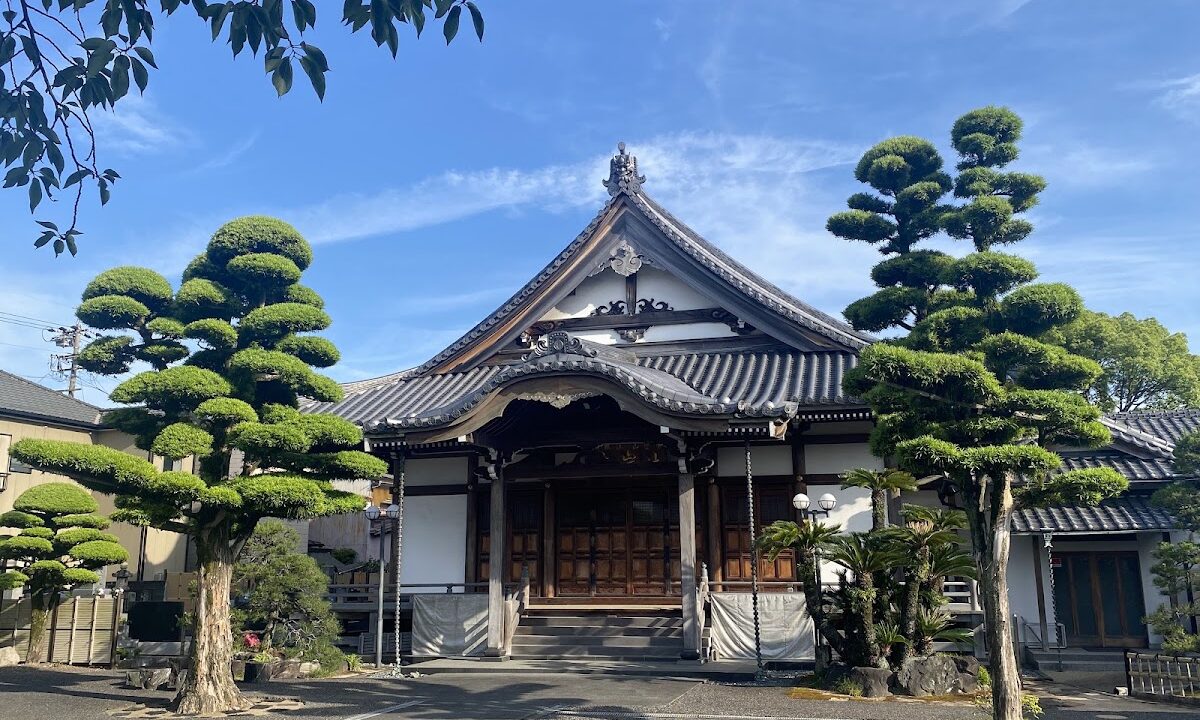
Hoganji Temple (Shizuoka Prefecture) Complete Guide | History, Access, and Highlights Explained in Detail
Located in Shimizu Ward, Shizuoka City, Shizuoka Prefecture, Hoganji Temple is a historic Jodo sect temple with a history dating back to the Muromachi period. Its official name is “Shionzan Koshōin Hoganji,” and it has a history of over 500 years, cherished by the local community. This article comprehensively covers everything from the historical background of Hoganji Temple to its highlights, access methods, and surrounding area information, providing helpful information for those considering a visit.
Basic Information about Hoganji Temple
Temple Overview
Official Name: Shiunzan Koshōin Hoganji Temple
Sect: Jodo-shu (Pure Land Buddhism)
Principal Image: Amida Buddha
Address: 3-33 Irie-minami-cho, Shimizu-ku, Shizuoka City, Shizuoka Prefecture 424-0831
Phone Number: 054-366-6566
Nearest Station: Approximately 5 minutes on foot from Irieoka Station on the Shizuoka Railway Shizuoka-Shimizu Line (approximately 300 meters north)
Hoganji Temple is a Jodo-shu temple that enshrines Amida Buddha as its principal image and continues to uphold the teachings of attaining rebirth in paradise through chanting the Buddha’s name. Despite being located in a residential area of Shimizu-ku, Shizuoka City, a tranquil atmosphere permeates the temple grounds, and it functions as a center of faith for the local community.
History and Origins of Hoganji Temple
Circumstances of its Founding
Hoganji Temple’s founding dates back to March of Entoku 2 (1490). It is believed to have originated in the late Muromachi period when a member of the Imagawa clan, who ruled Suruga Province, built it to commemorate their deceased mother.
The founding priest was Jakurensha Tokuyo Gen’anenko Shonin, who dedicated himself to spreading the teachings of the Jodo sect. The Imagawa clan is known as a powerful daimyo family during the Sengoku period, but they also had a deep devotion to Buddhism and are known for building and protecting many temples within their territory.
History Continuing from the Muromachi Period
Entoku 2 corresponds to the time of Ashikaga Yoshihisa, the 9th shogun of the Muromachi shogunate. During this period, the Imagawa clan was expanding their power in Suruga Province, and Buddhist faith was flourishing culturally. Hōganji Temple developed as a local Jōdo sect temple under the patronage of the Imagawa clan.
Through the turmoil of the Sengoku period, the stability of the Edo period, the anti-Buddhist movement of the Meiji Restoration, and up to the present day, Hōganji Temple has experienced various changes throughout history, while continuing to support the faith of the local people.
Meaning of the Mountain and Temple Names
The mountain name “Shiunzan” (紫雲山) means purple clouds, which are considered auspicious in Buddhism, and represents the auspicious clouds that are said to appear when Amida Buddha descends to welcome the deceased. The temple name “Kōshōin” (江照院) is thought to mean a temple that illuminates the Irie district.
Highlights of Hōganji Temple
Yakuyoke Enmei Jizō-son (厄除け円命実住像)
The most distinctive feature of Hōganji Temple is the Yakuyoke Enmei Jizō-son (厄除け円命実住像) enshrined in the memorial hall. This Jizō-son is known as the 79th temple on the “Suruga Province Hundred Jizō-son Pilgrimage,” and many worshippers visit it for its blessings of protection from evil and longevity.
Jizo Bodhisattva is worshipped as a bodhisattva who saves all sentient beings in the six realms of existence, and is especially revered as a guardian deity of children. The Yakuyoke Enmei Jizo-son (Exorcism and Longevity Jizo) at Hoganji Temple has received prayers from local residents for protection from misfortune and for health and longevity.
Main Hall and Temple Grounds
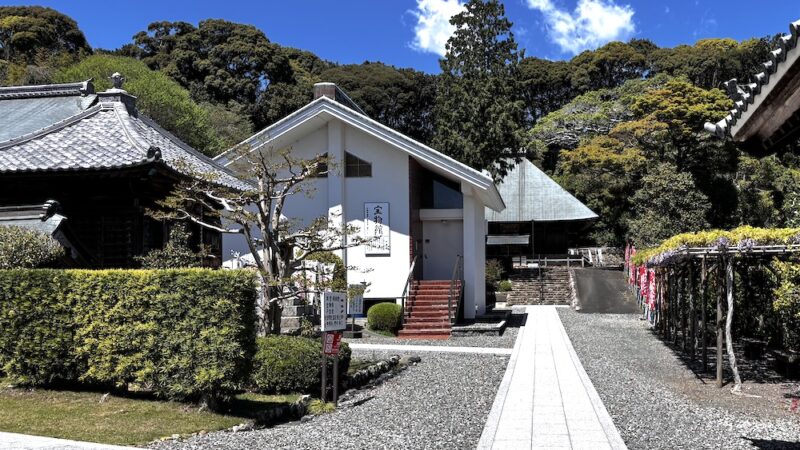
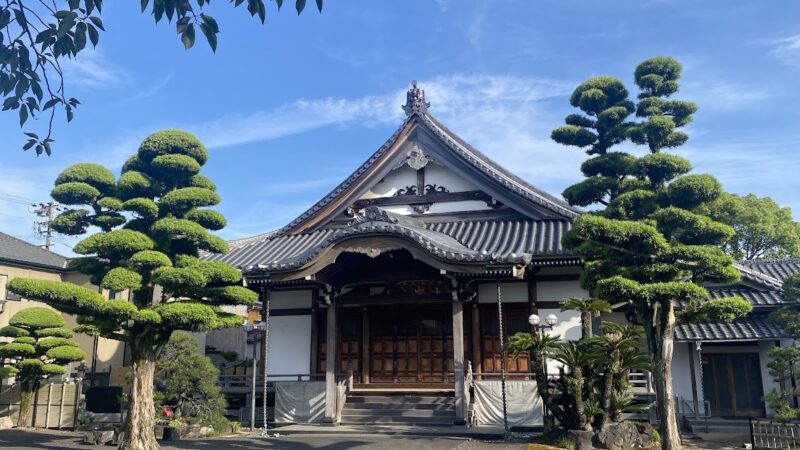
The main hall of Hoganji Temple is a magnificent structure typical of a Jodo sect temple. With the principal image of Amida Buddha at the center, and likely flanked by Kannon Bodhisattva and Seishi Bodhisattva, it is a space that embodies the doctrines of the Jodo sect.
The temple grounds, while located in a residential area of Shimizu Ward, maintain a well-maintained and quiet environment, allowing visitors to pray in a peaceful atmosphere.
Memorial Tablet Hall
The memorial tablet hall, a place for ancestral worship, houses the memorial tablets of many parishioners, and the Yakuyoke Enmei Jizo-son is also enshrined here. The Jodo sect places great importance on ancestral worship, and regular memorial services are held at Hoganji Temple. ## Access Methods
Access by Train
Public transportation is the most convenient way to access Hoganji Temple.
Nearest Station: Shizuoka Railway Shizuoka-Shimizu Line “Irieoka Station”
Distance from Station: Approximately 5 minutes on foot north (approximately 300 meters)
Irieoka Station is a Shizuoka Railway station connecting Shizuoka Station and Shin-Shimizu Station. It takes approximately 20 minutes from Shizuoka Station and approximately 10 minutes from Shin-Shimizu Station. Upon exiting the station and heading north, you will see the grounds of Hoganji Temple within a residential area.
Access by Car
Tomei Expressway: Approximately 15 minutes from Shimizu IC
National Route 1: Via National Route 149 from the Shimizu Ward area
It is recommended to inquire with the temple in advance regarding parking availability (Tel: 054-366-6566).
Landmarks in the vicinity
Hōganji Temple is located in Irie-minami-cho, Shimizu-ku, Shizuoka City, in a residential area near Irieoka Station. It is also relatively close to Shimizu Port and Miho no Matsubara.
Etiquette and Manners for Worship
How to Worship at a Jōdo Sect Temple
Hōganji Temple is a Jōdo sect temple, so it is desirable to worship according to Jōdo sect etiquette.
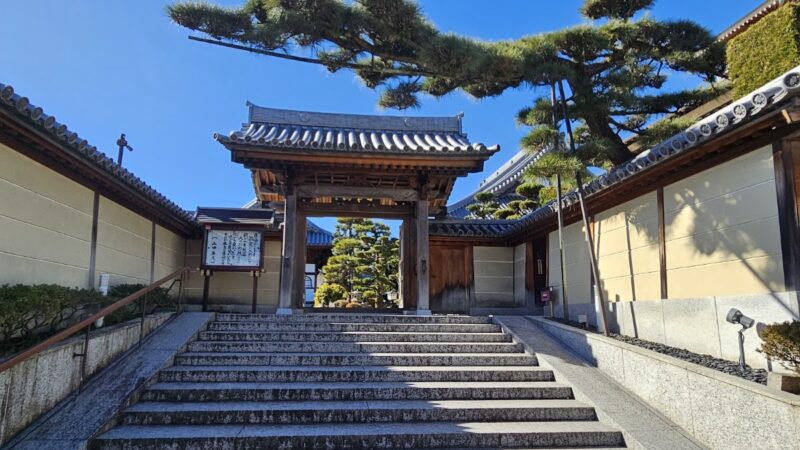
- A Bow at the Temple Gate: Bow before entering the temple grounds.
- Purification at the Water Basin: Cleanse your hands and mouth.
- Worship at the Main Hall: Join your hands in prayer and chant “Namu Amida Butsu.”
- Worship at the Jizo Bodhisattva: Pay your respects to the Jizo Bodhisattva for protection against misfortune and longevity.
- A Bow Upon Departure: Bow again when leaving the temple grounds.
Points to Note When Visiting
- Please be quiet within the temple grounds.
- Photography may require permission.
- Entry into the Main Hall may be restricted.
- If you wish to receive a Goshuin (temple stamp), please check in advance if it is possible.
Annual Events and Memorial Services
Main Annual Events
At Hoganji Temple, a Jodo sect temple, the following annual events are believed to be held.
- Shōshō-e (January): New Year’s memorial service
- Haru Higan-e (March): Memorial service for ancestors
- Obon-e (August): Obon festival
- Autumn Higan-e (September): Memorial service for ancestors
- Jūya-e (October or November): Important memorial service of the Jōdo sect
For specific dates and details, please contact the temple directly.
Exorcism Prayer
Hōganji Temple, which enshrines the Yakuyoke Enmei Jizō-son (Jizo Bodhisattva for warding off evil and promoting longevity), may accept exorcism prayers for those in their unlucky years. Unlucky years are considered to be 25, 42, and 61 for men, and 19, 33, and 37 for women. Visiting the temple is especially recommended for those in these age groups.
Nearby Attractions
Tourist Spots in Shimizu Ward
Shimizu Ward, Shizuoka City, where Hōganji Temple is located, has many tourist attractions.
Miho no Matsubara: One of the constituent assets of the World Cultural Heritage site “Mount Fuji – Object of Worship and Source of Artistic Inspiration.” Approximately 20 minutes by car from Hoganji Temple.
Shimizu Port: Japan’s leading international trading port. It also has commercial facilities such as the S-Pulse Dream Plaza.
Nihondaira: A scenic spot offering panoramic views of Mount Fuji and Suruga Bay. Access to Kunozan Toshogu Shrine is also possible via the Nihondaira Ropeway.
Nearby Temples and Shrines
Shimizu Ward has many other temples and shrines. Visiting the surrounding temples and shrines after visiting Hoganji Temple is also recommended.
- Kiyomiji Temple: A renowned Rinzai Zen temple known as a famous temple on the Tokaido road.
- Tesshuji Temple: A temple associated with Yamaoka Tesshu, a swordsman of the late Edo period.
- Shimizu Shrine: A shrine beloved as the local guardian deity.
Memorial Services and Buddhist Rites at Hoganji Temple
Funerals and Buddhist Rites
Hoganji Temple conducts funerals and Buddhist rites for its parishioners. Following the rituals of the Jodo sect, memorial services are held to pray for the deceased’s peaceful rebirth in paradise.
Perpetual Memorial Services
In modern times, the number of people wishing for perpetual memorial services is increasing. Please contact Hoganji Temple directly regarding its acceptance of perpetual memorial service requests.
Ancestor Memorial Services
During the equinox and Obon periods, joint memorial services for ancestors are held. Participation may be possible even for those who are not parishioners; please check with the temple for details.
About the Jodo Sect
Teachings of the Jodo Sect
The Jodo Sect, to which Hoganji Temple belongs, is a sect of Japanese Buddhism founded by Honen Shonin (1133-1212). It teaches that by chanting “Namu Amida Butsu,” one can attain rebirth in the Pure Land through the power of Amida Buddha’s original vow.
Head Temple
The head temple of the Jodo Sect is Chion-in Temple in Kyoto. Tokuyo Gen’an-ko Shonin, the founder of Hoganji Temple, also studied the teachings of the Jodo Sect and dedicated himself to its propagation in Suruga Province.
Characteristics of the Jodo Sect
- Exclusive Nembutsu: Emphasis on the sole practice of chanting the Nembutsu (invocation of Amida Buddha)
- Reliance on Other Power: Salvation through the power of Amida Buddha’s vow
- Equality: Salvation for all people, regardless of social status or gender
Connections with the Community
The Danka System (Parishioner System)
Hoganji Temple, as a local parishioner temple, supports the faith of its parishioners, primarily in the Irie district of Shimizu Ward. The Danka system was established during the Edo period and remains the foundation of temple management in Japan today.
Participation in Local Events
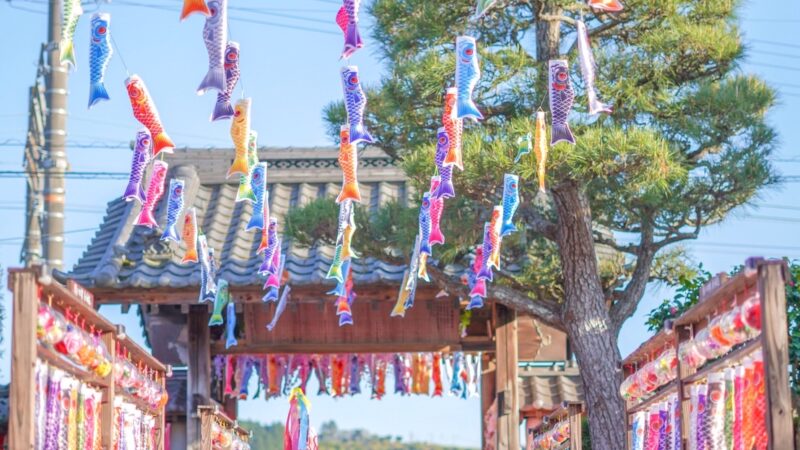
Hoganji Temple is believed to be actively involved in local summer festivals and events. Temples are not merely religious institutions, but also central figures in the local community.
Protection of Cultural Properties
Hoganji Temple, with its history of over 500 years, may possess historically and culturally valuable Buddhist statues and documents. These cultural properties are invaluable resources that convey the history of the region.
Visitor Feedback
Visitors to Hoganji Temple have shared the following comments:
- “It’s a quiet temple located in a residential area, a peaceful and calming space.”
- “I prayed to the Yakuyoke Enmei Jizo (a Jizo Bodhisattva for warding off evil) and offered a prayer for protection from misfortune.”
- “It’s conveniently located near Irieoka Station.”
- “I felt the atmosphere of a historical temple.”
Contact Information for Hoganji Temple
Contact Details
Phone Number: 054-366-6566
Address: 3-33 Irie Minami-cho, Shimizu-ku, Shizuoka City, Shizuoka Prefecture 424-0831
Examples of Inquiries
- Visiting Hours
- Annual Event Schedule
- Availability of Goshuin (temple stamps)
- Application for Exorcism Prayers
- Consultation Regarding Buddhist Memorial Services/Funerals
- Parking Availability
Confirming by phone before your visit will ensure a smoother experience.
Jodo Sect Temples in Shizuoka Prefecture
Besides Hoganji Temple, Shizuoka Prefecture has many other Jodo Sect temples. Within Shizuoka City, Jodo Sect temples are scattered throughout Suruga Ward and Aoi Ward, each with its own unique history and faith.
A “temple pilgrimage” visiting Jodo Sect temples is a great opportunity to learn about the region’s history and culture while experiencing the teachings of Jodo Sect. Starting from Hoganji Temple, visiting other Jodo Sect temples throughout Shizuoka Prefecture is highly recommended.
About the Suruga Province Hundred Jizo Pilgrimage
Hoganji Temple’s Yakuyoke Enmei Jizo (Jizo Bodhisattva for Protection Against Misfortune) is the 79th temple on the Suruga Province Hundred Jizo Pilgrimage. This pilgrimage involves visiting temples enshrining Jizo Bodhisattvas scattered throughout the central Shizuoka Prefecture, offering a valuable opportunity to experience the region’s faith and culture.
Those interested in the pilgrimage will gain a deeper faith experience and regional understanding by visiting multiple temples, including Hoganji Temple.
Summary
Hōganji Temple, located in Shimizu Ward, Shizuoka City, Shizuoka Prefecture, is a historic Jōdo sect temple founded in 1490 by the Imagawa clan. Its official name is Shionzan Kōshōin Hōganji, and its founding priest was Jakurensha Tokuyo Gen’a Zenkō Shōnin.
The temple grounds house a Jizō Bodhisattva statue for warding off evil and promoting longevity. As the 79th temple on the Suruga Province Hundred Jizō Pilgrimage, it attracts many worshippers. It is easily accessible, approximately a 5-minute walk from Irieoka Station on the Shizuoka Railway, and is a beloved center of local faith.
For over 500 years, Hōganji Temple has supported the faith of the local people, making it a valuable temple that continues to pass on the teachings of the Jōdo sect. Why not visit it for protection against evil, ancestral veneration, or simply as a place to find peace and tranquility?
It is recommended to call in advance (054-366-6566) before visiting. We hope that your visit to Hoganji Temple will be a time of peace and tranquility for everyone.