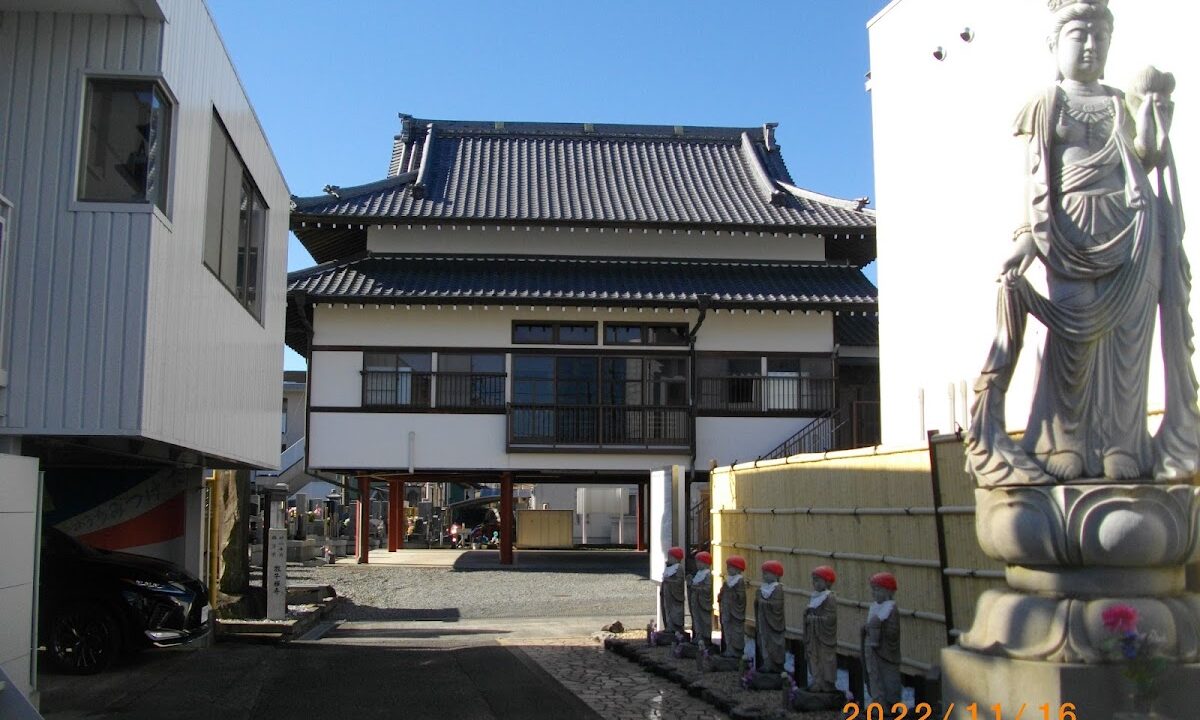
Bokugyuji Temple (Suruga Ward, Shizuoka City, Shizuoka Prefecture) | A Thorough Explanation of a Historic Temple of the Rinzai Myoshinji School
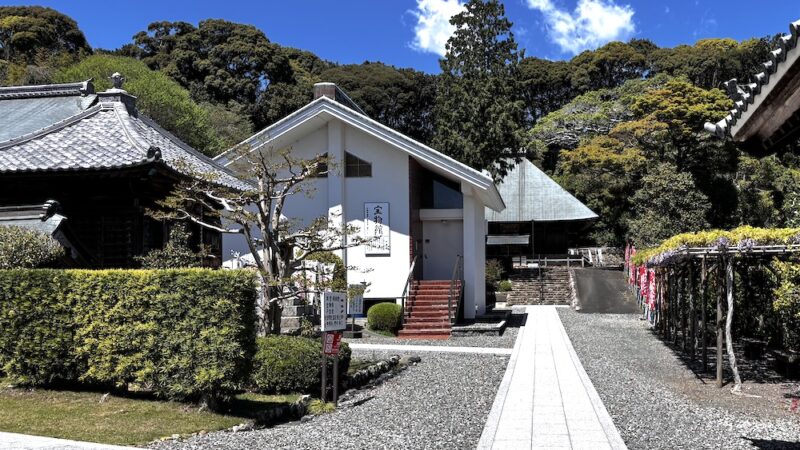
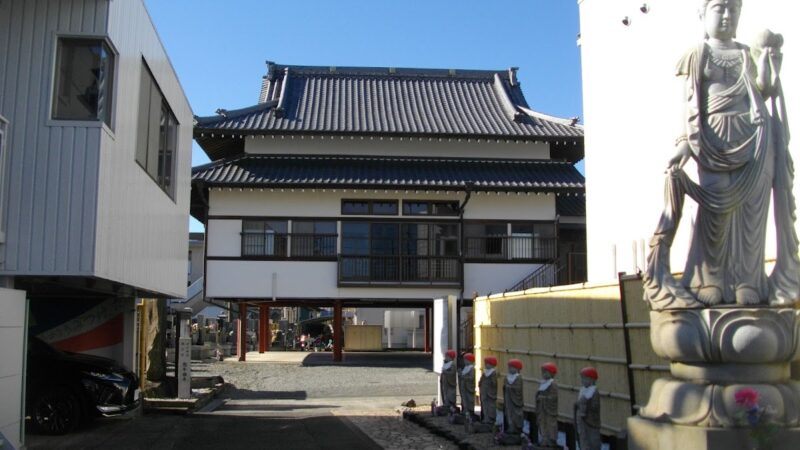
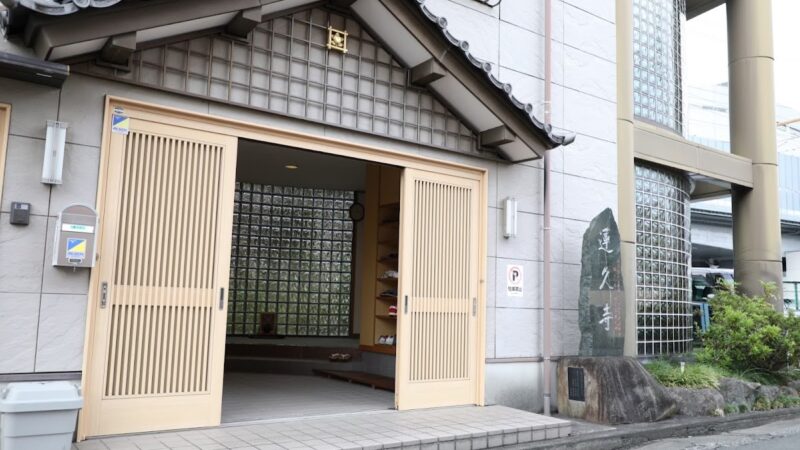
Located in Suruga Ward, Shizuoka City, Shizuoka Prefecture, Bokugyuji Temple is a Zen Buddhist temple belonging to the Rinzai Myoshinji school. Quietly situated in the Ishida district of Shizuoka City, this temple is known as a historic Buddhist temple cherished by the local community. This article provides detailed information about Bokugyuji Temple, from basic information and access methods to information about surrounding temples.
Basic Information about Bokugyuji Temple
Bokugyuji Temple is a Rinzai Myoshinji school temple located at 3-18-12 Ishida, Suruga Ward, Shizuoka City, Shizuoka Prefecture.
Location and Postal Code
- Address: 3-18-12 Ishida, Suruga-ku, Shizuoka City, Shizuoka Prefecture
- Postal Code: 〒422-8042
- Location District: Ishida area, Suruga-ku, Shizuoka City
Suruga-ku is one of the three administrative districts that make up Shizuoka City, and is a transportation hub through which the Tokaido Main Line and Tomei Expressway pass. The Ishida area is a mixed residential and commercial area, located south of Shizuoka Station.
Sect and Doctrine
Makigyu-ji Temple is a Zen Buddhist temple belonging to the Rinzai-shu Myoshin-ji School. The Rinzai school is one of the five major schools of Chinese Zen Buddhism and is a branch of Buddhism that was introduced to Japan during the Kamakura period. The Myoshin-ji School is the largest branch of the Rinzai school, with Myoshin-ji Temple in Kyoto as its head temple, and has approximately 3,400 temples nationwide.
The defining characteristics of the Rinzai school of Zen Buddhism are its emphasis on meditation (zazen) and its use of koans (Zen dialogues) to guide the path to enlightenment. In a practice called “Kanna Zen,” practitioners aim to attain truth beyond words and logic by deeply contemplating koans given by their master.
Temple Characteristics
As a temple of the Myoshinji branch of the Rinzai school, Makigyu-ji Temple conducts religious activities based on Zen teachings. Zen temples generally hold activities such as zazen sessions and sutra copying sessions, and also function as a place for interaction with local residents.
The temple name “Makigyu” may originate from the “Ten Ox Herding Pictures” (Jūgyūzu) in Zen Buddhism. The Ten Ox Herding Pictures are Zen teachings depicted as a story of finding and taming an ox, symbolically representing the spiritual growth of a practitioner.
Access to Makigyu-ji Temple
Here are the main ways to access Makigyu-ji Temple in Ishida, Suruga-ku, Shizuoka City.
Access by Public Transportation
Access from JR Shizuoka Station
- The nearest major station is JR Tokaido Main Line “Shizuoka Station”.
- Take a bus or taxi from the south exit of Shizuoka Station.
- The distance from the station to the Ishida area is approximately 2-3 km.
Local Bus
There is a bus route from the south exit of Shizuoka Station to the Ishida area using Shizutetsu buses. It is accessible on foot from the nearest bus stop.
Access by Car
Using Expressways
- Approximately 15-20 minutes from the Tomei Expressway “Shizuoka Interchange”.
- Approximately 20-25 minutes from the Shin-Tomei Expressway “Shin-Shizuoka Interchange”.
General Roads
- From National Route 1 towards Shizuoka city center.
- Access to the Ishida area via prefectural roads.
For information regarding parking availability and other details, it is recommended to contact the temple directly before your visit.
About the Myoshinji School of the Rinzai Zen Sect
This section provides a more detailed explanation of the Myoshinji School of the Rinzai Zen sect, to which Makigyu-ji Temple belongs.
History and Teachings of the Rinzai Zen Sect
The Rinzai Zen sect is a branch of Zen Buddhism founded by Linji Yixuan (?-867), a Zen monk of the Tang Dynasty in China. It was introduced to Japan during the Kamakura period by Eisai (1141-1215).
Characteristics of Rinzai Zen teachings:
- Koan Zen: Aiming for enlightenment through koans (Zen dialogues) given by the master.
- The Mind is Buddha: The teaching that the mind itself is Buddha.
- No Reliance on Words: Transmitting truth from mind to mind without relying on words or writing.
- Transmission Outside the Scriptures: A teaching that is transmitted directly to the mind, separate from the teachings of the scriptures.
Origins of the Myoshinji School
Myoshinji Temple, the head temple of the Myoshinji school, is located in Hanazono, Ukyo-ku, Kyoto City. Its origins date back to 1337 when Emperor Hanazono converted his detached palace into a Zen temple. The founding abbot was Zen Master Kanzan Egen.
The Myoshinji school spread throughout Japan from the Muromachi period onward and is now the largest sect within the Rinzai school. There are four main lineages known as the “Four Myoshinji Schools,” each developing while preserving its own unique traditions.
Rinzai Zen Temples in Shizuoka Prefecture
Shizuoka Prefecture has numerous Rinzai Zen temples. In particular, temples of the Myoshinji school are scattered throughout the prefecture, playing an important role as centers of local faith. There are also several Rinzai Zen temples within Suruga Ward, Shizuoka City, each with its own unique history and tradition.
Temple Information Around Makigyu-ji Temple
Many Buddhist temples exist in Suruga Ward, Shizuoka City, and the surrounding areas. Here are some nearby temples you can visit when you come to Makigyu-ji Temple.
Major Temples in Suruga Ward, Shizuoka City
Rinzai Zen Temples
In addition to Makigyu-ji Temple, there are several other Rinzai Zen temples in Suruga Ward, Shizuoka City. These temples, which carry on the teachings of Zen Buddhism, sometimes hold Zen meditation sessions and Dharma talks.
Temples of Other Sects
Suruga Ward has temples of various sects, including Nichiren Buddhism, Jodo Buddhism, Soto Zen Buddhism, and Shingon Buddhism. Each temple operates according to the teachings of its respective sect, serving as a place of faith rooted in the local community.
Distribution of Temples throughout Shizuoka City
Shizuoka City is composed of three wards: Aoi Ward, Suruga Ward, and Shimizu Ward. There are several hundred temples throughout the city.
Temples in Aoi Ward
Aoi Ward, the central part of Shizuoka City, has numerous historical temples. Temples associated with Tokugawa Ieyasu and temples with a long history dating back to the Sengoku period are scattered throughout the area.
Temples in Shimizu Ward
Shimizu Ward, which developed as a port town, also has many temples that attracted the faith of people involved in shipping and fishing.
Buddhist Culture and Temples in Shizuoka Prefecture
Shizuoka Prefecture occupies an important position in Japanese Buddhist culture.
Characteristics of Temples in Shizuoka Prefecture
Shizuoka Prefecture has over 2,500 temples, making it one of the prefectures with the most temples in Japan. It has a long history of prosperity as a key point on the Tokaido road, and many temples of various sects have been established there. Distribution of Major Buddhist Sects
- Rinzai Zen: Myoshinji School, Kenchoji School, etc.
- Soto Zen: Another major branch of Zen Buddhism
- Nichiren Buddhism: Deeply connected to the worship of Mount Fuji
- Jodo Buddhism/Jodo Shinshu Buddhism: Temples of Nembutsu faith
- Shingon Buddhism: Esoteric Buddhist temples
- Tendai Buddhism: Temples with Mount Hiei as its head temple
Tokugawa Ieyasu and Temples in Shizuoka
Shizuoka is where Tokugawa Ieyasu spent his childhood and later years. Ieyasu was a devout Buddhist and protected and built many temples. Therefore, there are many temples in Shizuoka Prefecture associated with the Tokugawa family.
Shizuoka, as the resting place of Ieyasu, including Kunozan Toshogu Shrine, has deep ties to the Tokugawa family, and this influence is strongly reflected in its temple culture.
Mount Fuji Worship and Temples
Shizuoka Prefecture is located on the southern side of Mount Fuji and has been a region with a long history of Mount Fuji worship. Not only are there Shinto shrines such as Fujisan Hongu Sengen Taisha, but Buddhist temples also exhibit forms of worship linked to Mount Fuji.
Unique religious cultures have developed, including temples associated with Shugendo (mountain asceticism) and temples related to Fuji-ko (Fuji pilgrimage groups).
Etiquette for Visiting Zen Temples
This section introduces basic etiquette for visiting Rinzai Zen temples such as Makigyu-ji Temple.
Etiquette at the Temple Gate
- Bow before entering the temple grounds.
- Be careful not to step on the threshold of the temple gate.
- Remain quiet within the temple grounds, being mindful that this is a place of spiritual practice.
Worship at the Main Hall
- Bow slightly before the main hall.
- Quietly place your offering in the offering box.
- Join your hands in prayer and pray with sincerity.
- In Zen Buddhism, clapping your hands is generally not practiced.
- Bow before leaving.
Participating in Zen Meditation Sessions
Many Zen temples hold Zen meditation sessions open to the public. If you wish to participate, it is recommended to inquire with the temple in advance.
Basic Posture for Zen Meditation
- Sit in the full lotus position (kekkafuza) or half lotus position (hankafuza).
- Straighten your spine and tuck your chin.
- Half-close your eyes and look about 1 meter ahead.
- Breathe naturally, focusing on diaphragmatic breathing.
Manners and Etiquette for Visiting Temples
Temples are places of worship and spiritual practice. Please observe the following manners when visiting.
Regarding Attire
- Avoid revealing clothing.
- Remove hats and sunglasses inside the main hall.
- Please dress neatly and cleanly.
Regarding Photography
- Photography inside the main hall and of Buddha statues is prohibited in principle.
- It is advisable to obtain permission in advance for photography on the temple grounds.
- Please be considerate of the privacy of other visitors.
Other Precautions
- Put your mobile phone on silent mode or turn it off.
- Refrain from eating or drinking on the temple grounds except in designated areas.
- Do not pick plants on the temple grounds or touch buildings without permission.
- Avoid parking for extended periods, even if there is a parking lot.
History and Culture of Suruga Ward, Shizuoka City
This section explains the history and cultural background of Suruga Ward, Shizuoka City, where Makigyu-ji Temple is located.
Origins of Suruga Ward
Suruga Ward is an administrative district established in 2005 when Shizuoka City became a designated city. The ward name originates from the former provincial name “Suruga Province.” This region faces Suruga Bay and enjoys a mild climate and abundant nature.
Historical Background
Suruga Province flourished as an important base on the Tokaido road from ancient times. In the Middle Ages, it developed as the base of the Imagawa clan, and during the Sengoku period, it was ruled by the Takeda and Tokugawa clans. In the Edo period, it prospered as a post town on the Tokaido road.
Due to this historical background, many historical sites and temples and shrines remain throughout Shizuoka City, including Suruga Ward.
Modern Suruga Ward
Present-day Suruga Ward is a city that has developed as a harmonious blend of residential, commercial, and industrial areas. Located south of Shizuoka Station, it boasts convenient transportation and is a residential area for many people.
The Ishida district has developed as a residential area, and temples like Makigyu-ji exist in a quiet environment, serving as a spiritual center for the community.
About Japanese Buddhist Sects
This section provides an overview of the major Japanese Buddhist sects, including the Rinzai sect to which Makigyu-ji belongs.
Zen Buddhism
Rinzai School
This is the school to which Makigyu-ji Temple belongs. It is characterized by its use of koans in Zen meditation and is also known for its unique teaching methods, such as “katsu” (shout) and “bo” (stick).
Soto School
A branch of Zen Buddhism founded by Zen Master Dogen. It emphasizes “shikan taza” (just sitting), simply and wholeheartedly practicing seated meditation.
Obaku School
A branch of Zen Buddhism introduced from China in the early Edo period. It is characterized by its Chinese-style architecture and rituals.
Pure Land Buddhism
Jodo School
Founded by Honen Shonin, it aims for rebirth in the Pure Land through the recitation of “Namu Amida Butsu.”
Jodo Shinshu School
Founded by Shinran Shonin, it preaches salvation through faith in the original vow of Amida Buddha.
Ji School
Founded by Ippen Shonin, it is known for its “Odori Nenbutsu” (dancing recitation of Amida Buddha’s name). ### Nichiren Buddhism
Nichiren Buddhism
Founded by Nichiren Shonin, it emphasizes chanting the mantra “Namu Myoho Renge Kyo.” Many Nichiren temples exist in Shizuoka Prefecture.
Esoteric Buddhism
Shingon Buddhism
A sect of esoteric Buddhism founded by Kukai (Kobo Daishi). It performs incantations, prayers, and goma rituals.
Tendai Buddhism
Founded by Saicho, its head temple is Enryaku-ji Temple on Mount Hiei. Its fundamental scripture is the Lotus Sutra.
Nara Buddhism
Traditional sects from the Nara period, such as the Kegon, Ritsu, and Hosso sects, continue to be practiced today.
Social Role of Temples
This section examines the role of temples in modern society.
Role as a Place of Worship
Temples serve as central places of Buddhist faith, performing religious ceremonies such as memorial services, prayers, and supplications. Temples with a danka system (parishioner system) maintain deep ties with their parishioners through ancestral worship, funerals, and memorial services.
Community Hub
Many temples also function as places for local residents to interact. Through activities such as Zen meditation sessions, sutra copying sessions, and Dharma talks, they provide a place where local people can gather and find peace of mind.
Protection of Cultural Properties
Temples often house valuable cultural properties such as Buddhist statues, paintings, buildings, and ancient documents. Protecting these cultural properties and passing them on to future generations is an important role of temples.
Educational and Welfare Activities
Some temples operate nurseries, kindergartens, and facilities for the elderly, contributing to social welfare activities. They also provide moral education through Buddhist teachings.
Temple Tours in Shizuoka Prefecture
Here are some tips for enjoying temple tours in Shizuoka Prefecture.
Major Temples in Shizuoka City
Kunozan Toshogu Shrine
This Toshogu shrine, dedicated to Tokugawa Ieyasu, boasts a national treasure-designated shrine building. While a Shinto shrine, it is an important sacred site with a history of Shinto-Buddhist syncretism.
Seikenji Temple
An ancient temple of the Rinzai sect, Myoshinji school, known as a famous landmark on the Tokaido road. It also has strong ties to Tokugawa Ieyasu.
Tesshuji Temple
A temple associated with Yamaoka Tesshū, a renowned swordsman of the late Edo period.
Temples in the Fuji Region
Fuji City and Fujinomiya City have numerous temples deeply connected to the worship of Mount Fuji. Around Fujisan Hongu Sengen Taisha Shrine, there are also temples with a history of Shinto-Buddhist syncretism.
Temples in the Izu Region
The Izu Peninsula is dotted with ancient temples, including Shuzenji. Shuzenji Onsen, famous as a hot spring resort, developed as a temple town.
Temples in the Enshu Region
The Enshu region, centered around Hamamatsu City, is home to many historic temples. Zen temples such as Hokoji Temple (Okuyama Hansobo) are particularly famous.
Summary
Makigyu-ji Temple is a Rinzai Zen temple of the Myoshinji school located in Ishida, Suruga Ward, Shizuoka City, Shizuoka Prefecture. As a temple that transmits the teachings of Zen Buddhism, it plays an important role in the local community.
Suruga Ward in Shizuoka City has many temples, including Makigyu-ji Temple, each with its own unique history and tradition. Temples are not merely tourist attractions; they are places of faith and important elements supporting the spiritual culture of the region.
When visiting a temple, reflecting on its history and teachings, and quietly praying with a calm mind, can provide peace of mind away from the hustle and bustle of everyday life.
If you are considering visiting Makigyu-ji Temple, it is recommended that you contact them in advance to confirm visiting hours and precautions. Please visit as an opportunity to experience the teachings of Zen and spend a peaceful time.
Shizuoka Prefecture’s rich Buddhist culture and the existence of temples deeply rooted in the community continue to hold enduring value in modern society. We hope that local temples like Makigyu-ji will continue to exist as spiritual havens for people in the future.