Hakuryuzan Kyo-o-den Renkyu-ji Temple (Shizuoka Prefecture) Complete Guide | History, Goshuin (Temple Seals), and Prayers
About Hakuryuzan Kyo-o-den Renkyu-ji Temple
Hakuryuzan Kyo-o-den Renkyu-ji Temple is a Nichiren Buddhist temple located in Mabuchi, Suruga-ku, Shizuoka City, Shizuoka Prefecture. Its former head temple is Minobu-san Kuon-ji Temple, and it belongs to the Datsushi lineage. It boasts excellent access, being approximately a 10-12 minute walk from the south exit of Shizuoka Station.
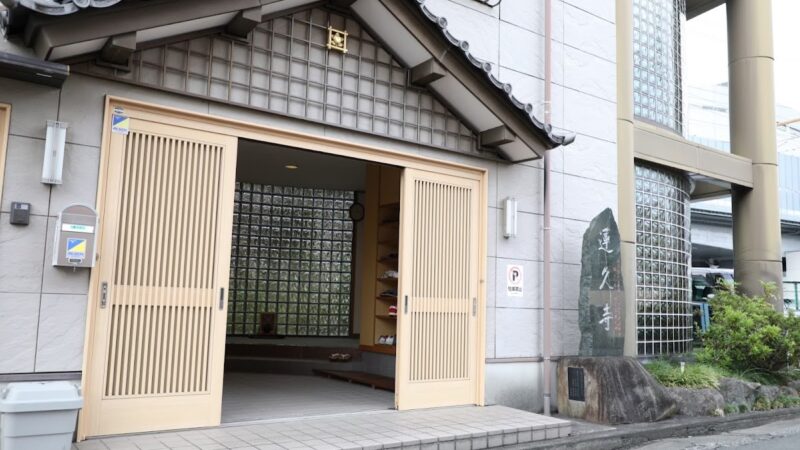
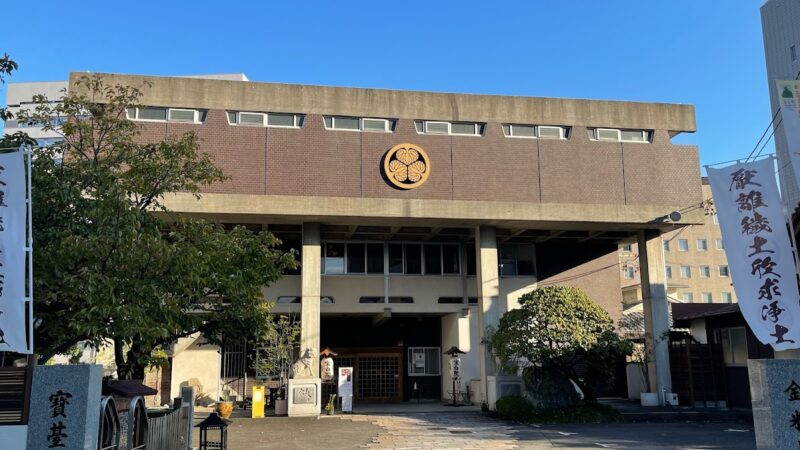
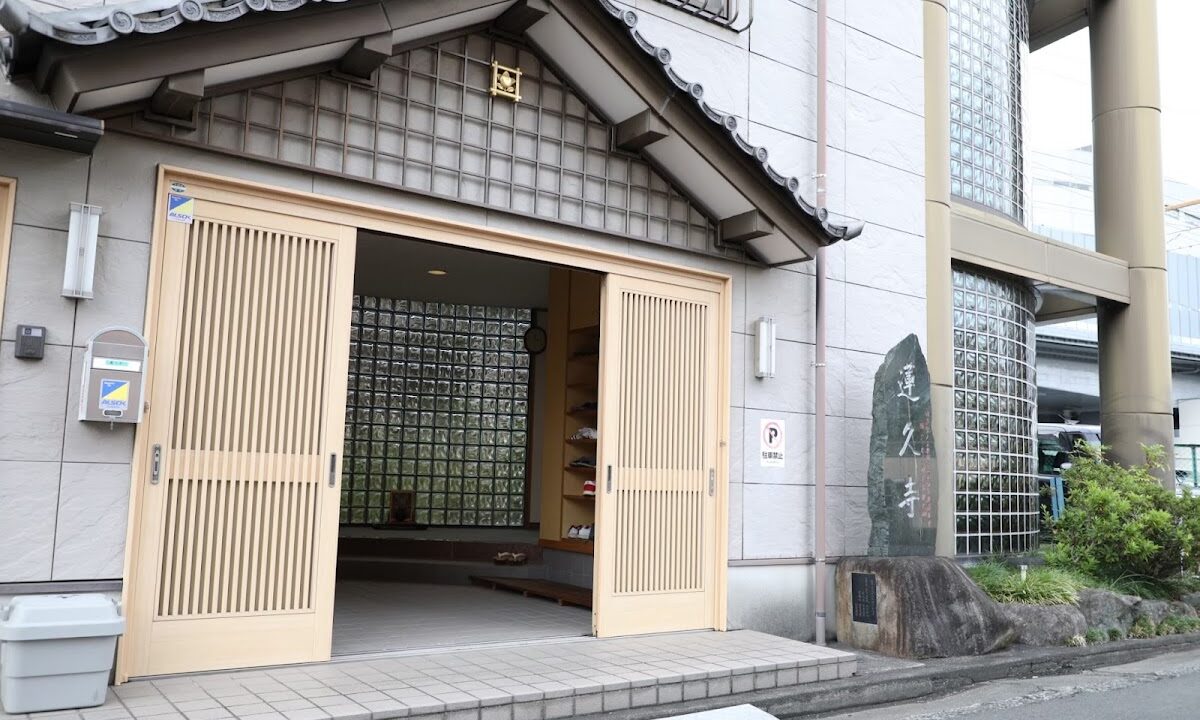
The modern building, situated along the Tokaido Shinkansen line, has a strikingly modern exterior that might not immediately suggest a temple, yet it is a distinctive temple that continues to uphold the traditional teachings and rituals of Nichiren Buddhism.
Basic Temple Information
- Official Name: Hakuryuzan Keioden Renkyuji Temple
- Sect: Nichiren Buddhism
- Address: 1-17-22 Mabuchi, Suruga-ku, Shizuoka City, Shizuoka Prefecture 422-8063
- Phone Number: 054-285-3973
- Nearest Station: Approximately 10-12 minutes on foot from the South Exit of JR Shizuoka Station
- Former Head Temple: Minobu-san Kuonji Temple
- Dharma Lineage: Datsushi Dharma Lineage
History
Founding History
The history of Renkyuji Temple dates back to Eiroku 2 (1559). It began when the great lawyer Nichikoku Shonin visited Umegashima Onsen, located at the uppermost reaches of the Abe River in northern Shizuoka City, for therapeutic bathing. He decided to spread his teachings in this area and founded the temple.
Umegashima Onsen has long been known as a place of recuperation, and it was here that Nichikaku Shonin preached the teachings of the Lotus Sutra to many people and established Renkyu-ji Temple as a center of faith. It is believed that the temple was originally located in the vicinity of Umegashima Onsen, upstream of the Abe River.
Trials of the Meiji Era
In the early Meiji era, Renkyu-ji Temple faced a major trial. A tsunami swept away its buildings, leaving the temple uninhabited. This disaster forced the long-established temple to temporarily cease its activities.
Restoration in the Showa Era
Renkyu-ji Temple, which had been uninhabited, underwent a dramatic restoration in December 1950 (Showa 25) during the time of the 18th head priest, Nichisei Shonin. With the patronage (faithful support) of Sakata Myogyō Hōni, it was relocated and restored to its current location in Mabuchi, Suruga Ward, Shizuoka City.
This relocation allowed Renkyu-ji Temple to shift its base from a mountainous area to an urban area, creating an environment that is more easily accessible to a wider range of people. Its location within walking distance of Shizuoka Station was a crucial choice when considering the role of temples in modern times.
Modern Renkyu-ji Temple
More than 70 years after its reconstruction, Renkyu-ji Temple now boasts modern buildings and continues to develop as a temple that resonates with modern people while preserving the traditional teachings of Nichiren Buddhism. The monks, including Vice Abbot Mochizuki Shuntoku, have completed rigorous ascetic practices and received the orthodox transmission of the Bokken Shuho (wooden sword ritual), responding to the prayers of many worshippers.
Prayer using the Bokken Shuho
Training in the Great Ascetic Hall
One of the major characteristics of Renkyu-ji Temple is its prayer using the orthodox Bokken Shuho (wooden sword ritual). This prayer method is a secret technique that has been passed down in Nichiren Buddhism since ancient times and is not something that just anyone can perform.
Every year, from November 1st to February 10th, for 100 days during the coldest part of winter, only those who have undergone rigorous ascetic training at the “Dai-Aragyo-do” (Great Ascetic Training Hall) at Hokkeji Temple in Ichikawa City, Chiba Prefecture, can receive the transmission of this wooden sword ritual. The training at the Dai-Aragyo-do is known as one of the “Three Great Ascetic Trainings in the World,” and is considered extremely rigorous.
What is the Wooden Sword Ritual?
The Wooden Sword Ritual is a unique prayer and blessing method of the Nichiren sect, a special ritual performed using a wooden sword. In this ritual, a monk who has completed the Dai-Aragyo-do earnestly performs prayers, imbuing them with the wishes of the supplicant.
It addresses a variety of wishes, including recovery from illness, family safety, business prosperity, protection from evil, conception, and safe childbirth, and many worshippers visit Renkyu-ji Temple seeking the Wooden Sword Ritual.
Types of Prayers
Renkyu-ji Temple accepts the following types of prayers and rituals:
- Healing from Illness: Prayers for recovery from illness
- Family Safety: Prayers for the health and safety of the family
- Business Prosperity: Prayers for the development and prosperity of the business
- Exorcism: Prayers to ward off misfortune during the unlucky year
- Traffic Safety: Prayers for safety in vehicles and travel
- Childbearing and Safe Childbirth: Prayers for having children and a safe delivery
- Prayer for Success in Exams: Prayers for success in exams and tests
- Prayer for Good Relationships: Prayers for finding a good partner
Those wishing to request a prayer are advised to consult and make a reservation by phone in advance.
Goshuin (Temple Seal) and Goshuincho (Stamp Book)
Regular Goshuin
Renkyu-ji Temple provides Goshuin to visitors. You can also receive a Goshuin (a type of temple stamp) from the Nichiren sect, which is cherished by many visitors as a testament to the temple’s history and faith.
The Goshuin bears the characters “Hakuryuzan,” “Kyo-o-den,” and “Renkyu-ji,” and features calligraphy and a red seal that conveys the dignity of a Nichiren sect temple.
Monthly Limited Edition Goshuin
One of Renkyu-ji’s major attractions is its monthly limited edition Goshuin. A different design is available each month, allowing visitors to receive a special Goshuin that reflects the season or Buddhist events.
For example, in March, a limited edition Goshuin featuring Hotei, one of the Seven Lucky Gods, is offered. Renkyu-ji enshrines a “Nade Hotei-san” (stroking Hotei), and it is believed that stroking its head or belly while praying will bestow good fortune.
Many people visit the temple frequently each month specifically to obtain these monthly limited edition Goshuin, making it a popular way to collect them.
Points to Note When Receiving a Goshuin (Temple Stamp)
- A Goshuin is proof of your visit, so be sure to pray before receiving it.
- Bringing your Goshuincho (stamp book) is recommended.
- The temple staff may be absent, so if you want to be sure to receive one, it’s best to contact them in advance.
- Limited edition Goshuin may be limited in quantity, so early visits are recommended.
Highlights of the Temple Grounds
The “Nade Hotei-san” (Stroking Hotei)
Within the grounds of Renkyu-ji Temple, there is a statue of “Nade Hotei-san.” Hotei-son, one of the Seven Lucky Gods, is believed to bring good fortune, prosperity in business, and family prosperity.
Visitors are believed to receive many blessings by stroking Hotei-san’s head and belly while praying, and many people stroke him while making their wishes. The limited edition Goshuin for March, in particular, features a design based on this Hotei-son.
The Modern Main Hall
The main hall of Renkyu-ji Temple is a modern building, different from traditional temple architecture. Located along the Tokaido Shinkansen line, its exterior doesn’t immediately suggest a temple, but inside lies a solemn space of faith.
This modern architectural style was adopted during its reconstruction in 1950, and it’s an interesting example of how temples can function in urban areas.
Cremation Ceremony
What is a Cremation Ceremony?
At Renkyu-ji Temple, a cremation ceremony is held every year on the winter solstice. It has been believed since ancient times that objects cherished for generations and imbued with people’s feelings possess a soul.
When it becomes necessary to dispose of such objects, it is crucial to perform a respectful memorial service. At Renkyu-ji Temple’s cremation ceremony, a sutra is recited to remove the soul, and the objects are respectfully cremated using purifying fire.
Items that can be cremated
The following items can be cremated:
- Old amulets and talismans
- Buddhist altars and memorial tablets
- Dolls and stuffed animals
- Photographs and letters
- Other items with sentimental value
If you wish to have items cremated, we recommend consulting with the temple in advance.
Access Information
Access by Train
From JR Shizuoka Station
- Approximately 10-12 minutes on foot from the South Exit of Shizuoka Station
- Head south from the station, towards the Tokaido Shinkansen line
Due to its convenient location within walking distance of Shizuoka Station, access by train is very easy. Visitors from Shizuoka City and surrounding areas, as well as those traveling from further away using the Shinkansen, are welcome.
Access by Car
Renkyu-ji Temple has a parking lot. While it is possible to visit by car, we recommend checking with the temple in advance regarding the exact location and number of parking spaces.
Address: 1-17-22 Mabuchi, Suruga-ku, Shizuoka City, Shizuoka Prefecture 422-8063
When using a car navigation system, please search using the above address or phone number (054-285-3973).
Surrounding Environment
Renkyu-ji Temple is located in a residential area near the south exit of Shizuoka Station, and boasts a distinctive location along the Tokaido Shinkansen line. There are numerous commercial facilities and restaurants in the surrounding area, allowing you to enjoy exploring Shizuoka City before or after your visit.
Manners and Points for Visiting a Temple
Etiquette for Visiting a Temple
At Renkyu-ji Temple, a Nichiren Buddhist temple, the following etiquette is fundamental for visiting a temple:
- Bow at the Temple Gate: Bow before entering the temple grounds.
- Purification at the Water Basin: Purify your hands and mouth (if available).
- Worship at the Main Hall: Join your hands in prayer and chant “Namu Myoho Renge Kyo.”
- Offering a Money Token: Offer your money with gratitude.
- Bow Upon Exit: Bow again when leaving the temple grounds.
Attire for Visiting a Temple
There are no specific dress code requirements, but clean and subdued attire is desirable when visiting a temple. If you are receiving prayers, more formal attire is appropriate.
Photography
When taking photographs on the temple grounds, please be considerate of other visitors. Always obtain permission before taking photographs inside the main hall or during prayers.
Annual Events
Main Annual Events
At Renkyu-ji Temple, annual events are held in accordance with the traditions of the Nichiren sect:
- New Year’s Day: New Year’s prayers, first shrine visit of the year
- Setsubun Festival: Prayers for warding off evil
- Spring Equinox Festival: Ancestor memorial service
- Obon Festival: Obon festival, Ancestor memorial service
- Autumn Equinox Festival: Ancestor memorial service
- Winter Solstice: Burning of offerings
For detailed dates and content of each event, please contact the temple directly.
About the Deputy Chief Priest
The deputy chief priest of Renkyu-ji Temple, Reverend Shuntoku Mochizuki, is a prayer practitioner who has completed the Nichiren sect’s rigorous 100-day ascetic practice. Even in the Reiwa era, he has completed the traditional 100-day ascetic practice and received the transmission of the orthodox wooden sword ritual.
After completing the rigorous ascetic training, a ceremony was held at Renkyu-ji Temple to report the successful completion of the training to the Buddha. Prayers offered by monks who have undergone such rigorous training have earned the trust of many worshippers.
The Charm of Renkyu-ji Temple
Fusion of Tradition and Modernity
The greatest charm of Renkyu-ji Temple lies in its ability to maintain the traditional teachings and rituals of the Nichiren sect while being accessible to many people through modern buildings and management methods.
The modern exterior makes it approachable even for those who feel intimidated by temples, and its location within walking distance of Shizuoka Station provides an environment that makes it easy to visit regularly.
Authentic Prayer
The wooden sword ritual performed by monks who have completed the rigorous ascetic training is highly trusted as an authentic prayer method of the Nichiren sect. The prayers offered by monks who have undergone 100 days of training in the Daikogyo-do (one of the world’s three most rigorous ascetic training halls) are a major characteristic of Renkyu-ji Temple.
Enjoying Monthly Goshuin Stamps
The limited-edition goshuin stamps, each with a different design each month, enhance the enjoyment of your visit. Designs that evoke a sense of the seasons or feature motifs of the Buddhas enshrined at the temple make them valuable collectibles.
A Friendly and Supportive Environment
A supportive environment where you can easily discuss life’s worries, problems, and prayers. We also accept telephone consultations in advance, making it a safe and comfortable experience even for first-time visitors.
Exploring Temples in Suruga Ward, Shizuoka City
When visiting Renkyu-ji Temple, we recommend exploring other temples and shrines in Suruga Ward, Shizuoka City, and the surrounding areas. Shizuoka City is known as a place associated with Tokugawa Ieyasu, and many historical temples are scattered throughout the area.
Renkyu-ji Temple is close to Shizuoka Station, making it an ideal starting point for exploring temples and shrines in Shizuoka City. After your visit, you can also enjoy Shizuoka’s famous cuisine and sightseeing spots.
Summary
Hakuryuzan Keioden Renkyu-ji Temple is a Nichiren Buddhist temple with a history of over 460 years since its founding in 1559. After being damaged by a tsunami during the Meiji era, it was rebuilt in its current location in 1950.
Despite its convenient location, approximately a 10-minute walk from Shizuoka Station, it is a rare temple where visitors can receive authentic prayers using the wooden sword ritual performed by monks who have completed rigorous ascetic practices. It boasts a blend of tradition and modernity, with modern buildings, monthly limited-edition goshuin (temple stamps), and a Hotei statue to be stroked.
Visiting people with various wishes, such as recovery from illness, family safety, and business prosperity, Renkyu-ji Temple continues to welcome many worshippers today as one of Shizuoka Prefecture’s leading Nichiren Buddhist temples.
When visiting Shizuoka, we highly recommend visiting Hakuryuzan Keioden Renkyu-ji Temple to experience its history and faith.