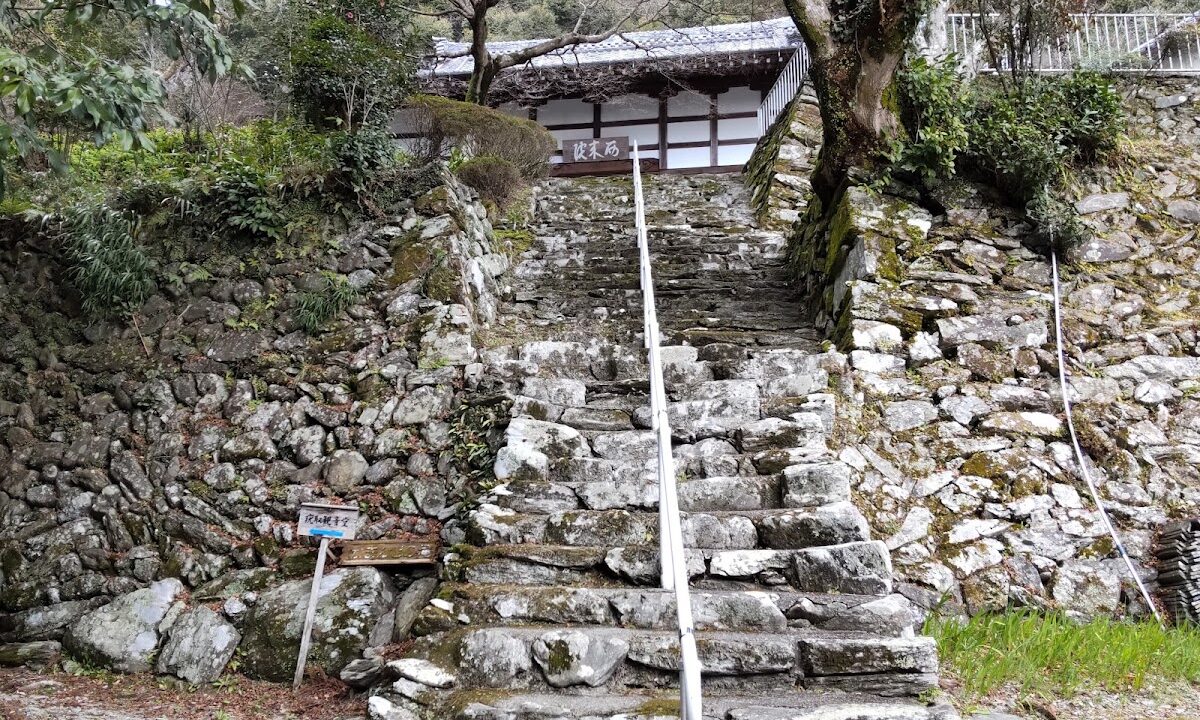
Complete Guide to Seirai-in Temple (Hamamatsu City, Shizuoka Prefecture): Tsukiyama-gozen’s Mausoleum and Historical Highlights
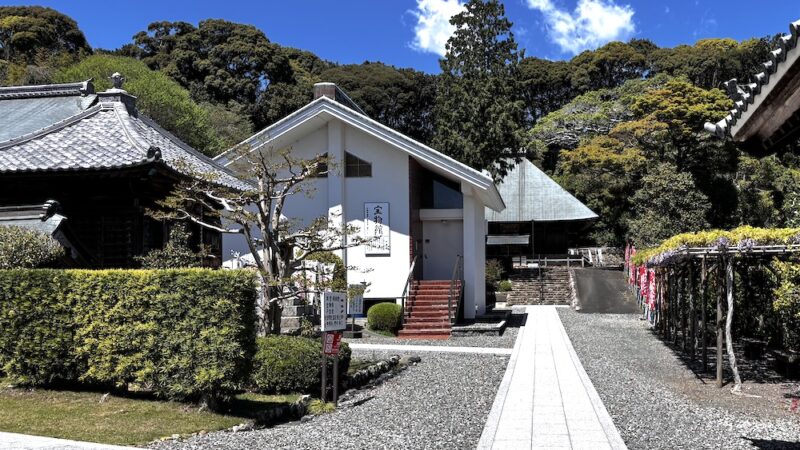
Nearby in a quiet residential area of Naka Ward, Hamamatsu City, Shizuoka Prefecture, Seirai-in Temple is a Soto Zen Buddhist temple where Tsukiyama-gozen (Sena-hime), the wife of Tokugawa Ieyasu and a tragic heroine of the Sengoku period, is buried. Founded in 1428, this ancient temple boasts a history of approximately 600 years and preserves numerous valuable historical sites, including the Gekkutsu Mausoleum.
History and Origins of Seirai-in Temple
From Founding to the Present
Seirai-in Temple, also known as Koshōzan Seirai Zen-in, was founded in 1428 by Zen Master Getsusō Giun. As a Soto Zen temple, it enshrines a statue of Shakyamuni Buddha as its principal image.
Seirai-in Temple, which has preserved its Buddhist traditions in Hamamatsu for approximately 600 years since its founding, played an important role as a temple associated with the Tokugawa family from the Sengoku period to the Edo period. It is particularly known for its deep connection to Tokugawa Ieyasu as the family temple of Tsukiyama Gozen.
Relationship with Tsukiyama Gozen (Sena-hime)
The most historically significant reason for Seirai-in Temple is that it houses the tomb of Tsukiyama Gozen, the principal wife of Tokugawa Ieyasu. Tsukiyama Gozen was born as the niece of Imagawa Yoshimoto and married Ieyasu (then Matsudaira Motoyasu) while he was a hostage.
Tsukiyama Gozen bore Ieyasu two children, Nobuyasu (Matsudaira Nobuyasu) and Kamehime, but tragically met her end in 1579 when she was murdered by Ieyasu on the orders of Oda Nobunaga. Her turbulent life has been the subject of many historical dramas and novels.
Highlights of Seirai-in Temple
Gekkutsu-byo (Moon Cave Mausoleum)
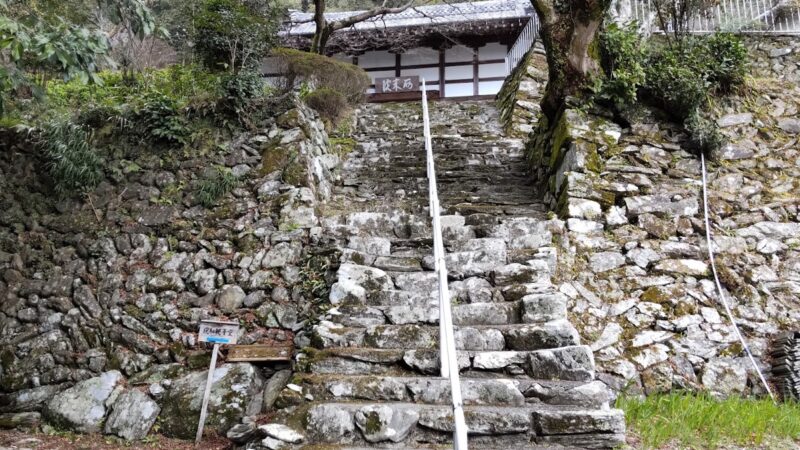
The greatest highlight of the temple grounds is the Gekkutsu-byo, dedicated to Tsukiyama-gozen. This mausoleum was built to commemorate Tsukiyama-gozen, and its tranquil atmosphere conveys the tragedy of the Sengoku period.
When visiting the Gekkutsu-byo, one can quietly offer prayers while reflecting on Tsukiyama-gozen’s turbulent life. It is a place to pay tribute to her life as a woman, a mother, and a human being who became a victim of politics.
Historical Figures Residing in the Cemetery
Besides Tsukiyama-gozen, other historically important figures rest in the cemetery of Seirai-in Temple.
Matsudaira Gensaburo Yasutoshi: He was the half-brother of Tokugawa Ieyasu, born to Ieyasu’s mother, Oda-no-kata, and her second husband, Hisamatsu Toshikatsu. His relationship with Ieyasu as a half-brother demonstrates his deep connection to the Tokugawa family.
Sugiura Masaki: A leading female poet of Hamamatsu during the Edo period. Her excellent waka poetry was highly regarded among cultural figures of the time.
Mori Shigeko: Also known as a female poet of Hamamatsu during the Edo period.
These graves demonstrate that Seirai-in is not merely a temple, but an important historical site that conveys the history and culture of Hamamatsu.
Beautiful Wisteria Trellis
Seirai-in Temple boasts a magnificent wisteria trellis, which blooms with beautiful purple flowers from late April to early May every year. During the wisteria season, the entire temple grounds are enveloped in an elegant fragrance, delighting visitors.
The harmonious blend of historical atmosphere and seasonal flowers is a unique charm of Seirai-in. Those planning a spring visit should definitely aim for the wisteria season.
Protected Forest
The forest within the temple grounds is designated as a protected forest by Hamamatsu City, making it a valuable green space in the increasingly urbanized city of Hamamatsu. Located in a quiet residential area, yet surrounded by a rich natural environment, Seirai-in Temple offers a tranquil atmosphere for worship, which is a major attraction.
Basic Information
Location and Contact Information
Address: 2-10-1 Hirosawa, Naka-ku, Hamamatsu City, Shizuoka Prefecture
Phone Number: 053-452-7584
Sect: Soto Zen
Mountain Name: Takamatsu-san
Principal Image: Shakyamuni Buddha
Founding Year: Shōchō 1 (1428)
Founder: Zen Master Getsusō Giun
Visiting Hours and Fees
The temple grounds are generally open for free worship. However, due to the nature of a temple, it is recommended to avoid visiting early in the morning or late at night, and instead visit during daylight hours.
There is no set entrance fee, but we would appreciate your cooperation in maintaining the temple through offerings or donations.
Access Methods
Access by Public Transportation
From JR Hamamatsu Station:
- Get off at the “Hirosawa” bus stop on the Enshu Railway Bus, approximately 5 minutes on foot.
- Approximately 15 minutes from the “Hamamatsu Station” bus stop on the Enshu Railway Bus.
Enshu Railway:
- Get off at the “Enshu Hospital Station” on the Enshu Railway, approximately 10 minutes on foot.
If using a taxi from Hamamatsu Station, it will take approximately 10 minutes.
Access by Car
Tomei Expressway:
- Approximately 20 minutes from the Hamamatsu Interchange.
- Approximately 25 minutes from the Hamamatsu West Interchange.
Regarding parking, it is recommended to check with the temple in advance. Since the surrounding area is residential, please avoid street parking.
Nearby Attractions
When visiting Seiraiin Temple, you can enjoy a more fulfilling sightseeing experience by also visiting other historical spots in Hamamatsu City.
Hamamatsu Castle
Hamamatsu Castle, where Tokugawa Ieyasu spent 17 years from age 29 to 45, is about a 10-minute drive from Seiraiin Temple. Known as the “Castle of Success” where Ieyasu laid the foundation for unifying Japan, the castle tower offers a panoramic view of Hamamatsu city.
It was also Ieyasu’s residence during the time of Tsukiyama Gozen, and visiting it together with Seiraiin Temple will allow you to gain a deeper understanding of the relationship between Ieyasu and Tsukiyama Gozen during the Sengoku period.
Hikima Castle Ruins (Hamamatsu Motoshirocho Toshogu Shrine)
This Toshogu Shrine stands on the site of Hikima Castle, the predecessor of Hamamatsu Castle. It was the first castle Ieyasu entered, and it was later expanded into Hamamatsu Castle. It is within walking distance of Seiraiin Temple and is an important spot for tracing the history of Hamamatsu.
Hamamatsu Castle Park
A vast park centered around Hamamatsu Castle, where you can enjoy nature throughout the seasons. The park is especially bustling with tourists during the cherry blossom season in spring and the autumn foliage season. Within the park, there is also the Hamamatsu City Museum of Art and the Shōintei tea house, offering cultural experiences.
Hamamatsu City Museum
Located next to the Shijimitsuka Ruins, this museum systematically teaches about Hamamatsu’s history from the Paleolithic period to the present day. It also features exhibits on Tokugawa Ieyasu and Tsukiyama Gozen, making it ideal for preparation and review before visiting Seiraiin Temple.
Shijimitsuka Ruins
A nationally designated historical site, this is a shell midden site dating from the late to final Jomon period. A valuable spot to experience Hamamatsu’s ancient history, it’s a must-visit for history buffs.
Saigagake Ancient Battlefield
A historical site related to the Battle of Mikatagahara, this was the site of a fierce battle after Tokugawa Ieyasu’s crushing defeat against Takeda Shingen. It was a crucial turning point in Ieyasu’s life and can be included in a tour of Ieyasu-related sites along with Seiraiin Temple.
Hotel Concord Hamamatsu
For those considering accommodation near Seiraiin Temple, Hotel Concord Hamamatsu, located in front of Hamamatsu Station, is convenient. It boasts an ideal location as a base for sightseeing in Hamamatsu City, offering excellent access to various locations, including Seiraiin Temple. Combining the functionality of a business hotel with the comfort of a city hotel, it is popular with tourists.
Points to Note When Visiting Seiraiin Temple
Temple Etiquette
Seirain Temple is a temple that still functions as a place of worship. Please observe the following points when visiting:
- Behave quietly within the temple grounds and refrain from loud conversations.
- Photography is permitted, but please be considerate of other visitors.
- The Gekkutsu-byo (Moon Cave Shrine) is a sacred place; please treat it with respect.
- Always take your trash with you and maintain the beauty of the temple grounds.
Regarding Clothing
There are no specific dress code requirements, but please dress appropriately and modestly for visiting a temple. Especially during the summer months, it is advisable to avoid excessive exposure.
Consideration for the Surrounding Environment
Seirain Temple is located in a quiet residential area. Please respect the living environment of the surrounding residents and be careful not to cause any inconvenience with noise or illegal parking.
To Deepen Your Understanding of Seiraiin Temple’s Charm
Learning About Tsukiyama Gozen
Having some background knowledge about Tsukiyama Gozen’s life before visiting Seiraiin Temple will make your visit more meaningful.
Tsukiyama Gozen (Sena-hime) was born as the niece of Imagawa Yoshimoto and married Matsudaira Motoyasu (later Tokugawa Ieyasu), who was a hostage in Sunpu. After the Battle of Okehazama, when Ieyasu became independent from the Imagawa family, Tsukiyama Gozen found herself caught between the two sides.
Her son, Nobuyasu, married Tokuhime, the daughter of Oda Nobunaga, but the relationship between Tokuhime and Tsukiyama Gozen deteriorated. Ultimately, Nobunaga issued an order for the execution of Tsukiyama-gozen and Nobuyasu, and on August 29, 1579 (Tensho 7), Tsukiyama-gozen was killed in Koyabu Village, Shikichi District, Totomi Province (present-day Tomizuka-cho, Naka Ward, Hamamatsu City). She was 38 years old.
This tragic incident continues to attract the attention of many people today as a symbol of women who became victims of the politics of the Sengoku period.
The Relationship Between Hamamatsu and Tokugawa Ieyasu
Hamamatsu is a crucial place for Tokugawa Ieyasu, as it marked the beginning of his path to becoming the ruler of Japan. Ieyasu spent the prime of his life, from age 29 to 45, in Hamamatsu, where he nurtured many retainers, learned from his defeat at the Battle of Mikatagahara, and eventually laid the foundation for his unification of Japan.
Visiting Seirai-in Temple means not simply seeing a temple, but also experiencing the story of Tokugawa Ieyasu, one of the most important figures in Japanese history, and Tsukiyama-gozen, his wife who led a turbulent life.
Seasonal Highlights
Spring (April-May)
This is one of the most beautiful times to visit Seirai-in Temple, as the wisteria blossoms are in full bloom. The purple wisteria flowers adorn the temple grounds, creating a scene where historical atmosphere and natural beauty harmonize.
Summer (June-August)
The lush green forest of the temple grounds is covered in deep green, creating a tranquil space that makes you forget the hustle and bustle of the city. The shade of the protected trees provides coolness, making it a comfortable place to visit even in the hot summer.
Autumn (September-November)
During the autumn foliage season, the trees on the temple grounds begin to change color. This is the perfect season to reflect on history in a calm atmosphere.
Winter (December-February)
This is a season with fewer visitors, allowing for a quieter visit. The time spent praying for the repose of Tsukiyama-gozen in the crisp air will hold special meaning.
Summary
Nishirai-in Temple in Hamamatsu City, Shizuoka Prefecture, is a historically significant temple where Tsukiyama-gozen, the principal wife of Tokugawa Ieyasu, is buried. Founded in 1428, it boasts a history of approximately 600 years and preserves valuable historical sites, including the Gekkutsu Mausoleum.
Nestled in a quiet residential area, the temple grounds are surrounded by abundant nature designated as a protected forest by Hamamatsu City, and in spring, beautiful wisteria blossoms bloom. Besides Tsukiyama-gozen, the temple also contains the graves of Ieyasu’s half-brother, Matsudaira Yasutoshi, and female poets of the Edo period, conveying the history and culture of Hamamatsu to the present day.
Numerous historical sites related to Tokugawa Ieyasu are located nearby, such as Hamamatsu Castle and the ruins of Hikuma Castle. Visiting these sites in combination will allow for a deeper understanding of Hamamatsu’s history from the Sengoku period to the Edo period.
When visiting Hamamatsu, be sure to visit Nishirai-in Temple and spend some quiet time reflecting on Tsukiyama-gozen, the tragic heroine of the Sengoku period. It will be a memorable experience, where the weight of history and the beauty of nature come together in harmony.