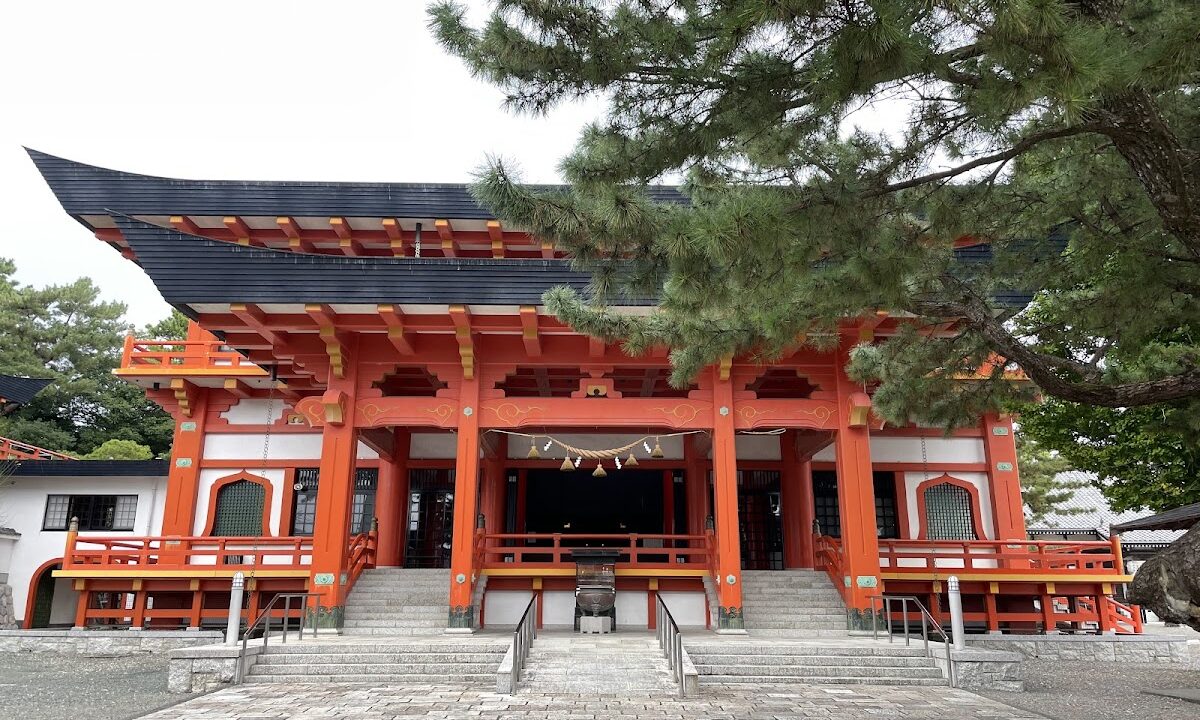
Kamoeji Temple (Shizuoka Prefecture) Complete Guide: History, Highlights, Goshuin (Temple Seal), and Access Information
Located in Chuo Ward, Hamamatsu City, Shizuoka Prefecture, Kamoeji Temple is a special head temple of the Koyasan Shingon sect, affectionately known to local residents as “Kamoe Kannon” or “O-Kamoe-san.” With a long history dating back to the Heian period, it is a representative temple of Hamamatsu City, bustling with tens of thousands of visitors during New Year’s and the equinox.
This article comprehensively introduces all the information you need to know before visiting Kamoeji Temple, including its history, highlights within the temple grounds, annual events, goshuin information, and access methods.
Basic Information about Kamoeji Temple
Official Name: Kokozan Kamoeji Temple
Common Name: Kamoe Kannon, Okamoe-san
Sect: Koyasan Shingon Sect
Temple Rank: Special Head Temple
Principal Image: Holy Kannon Bodhisattva
Address: 4-17-1 Kamoe, Chuo-ku, Hamamatsu City, Shizuoka Prefecture 432-8023
Phone Number: 053-454-5121
Visiting Hours: 9:00 AM – 4:00 PM
Admission Fee: Free
Kamoeji Temple is also known as “Enshu Koyasan” and is an important center of faith in the Tokai region as a temple of the Koyasan Shingon sect. It is also known as one of the Hamana Lake Seven Lucky Gods and attracts many pilgrims.
History of Kamoeji Temple
Founding and the Heian Period
Kamoeji Temple’s founding dates back to the Heian period. According to temple tradition, a temple was built as a center of Buddhist faith because of the miraculous power of Kannon Bodhisattva in this area. From the beginning, it attracted the faith of local people as a temple of Kannon worship.
Since its founding in the Heian period, Kamoeji Temple has developed as a temple that transmits the teachings of Shingon Esoteric Buddhism and has also served as a training ground where many monks gather.
Development from the Medieval to the Early Modern Period
In the medieval period, it flourished as one of the central temples of the Shingon sect in Tōtōmi Province (present-day western Shizuoka Prefecture). Although it suffered damage from war during the Sengoku period, it was restored in the Edo period and expanded its influence under the patronage of the Tokugawa family.
In the Edo period, it became widely known as “Kamoe Kannon” and attracted the faith of travelers on the Tōkaidō road and local residents. Especially as a temple for Kannon worship and ancestral memorial services, it has attracted many worshippers.
Development since the Modern Era
Despite the impact of the anti-Buddhist movement after the Meiji Restoration, it survived thanks to the fervent faith of the local people. In the Showa era, it was designated a special head temple of the Koyasan Shingon sect, and to this day, it continues to welcome many worshippers as a representative temple of Hamamatsu City.
After the war, it has continued to develop as a temple that meets the needs of the times by establishing perpetual memorial graves and enhancing modern memorial and prayer services.
Highlights of the Temple Grounds
Kannon Hall (Main Hall)
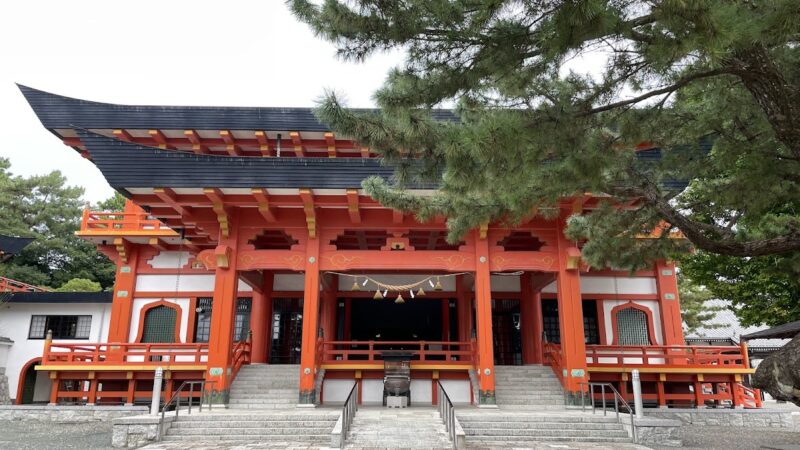
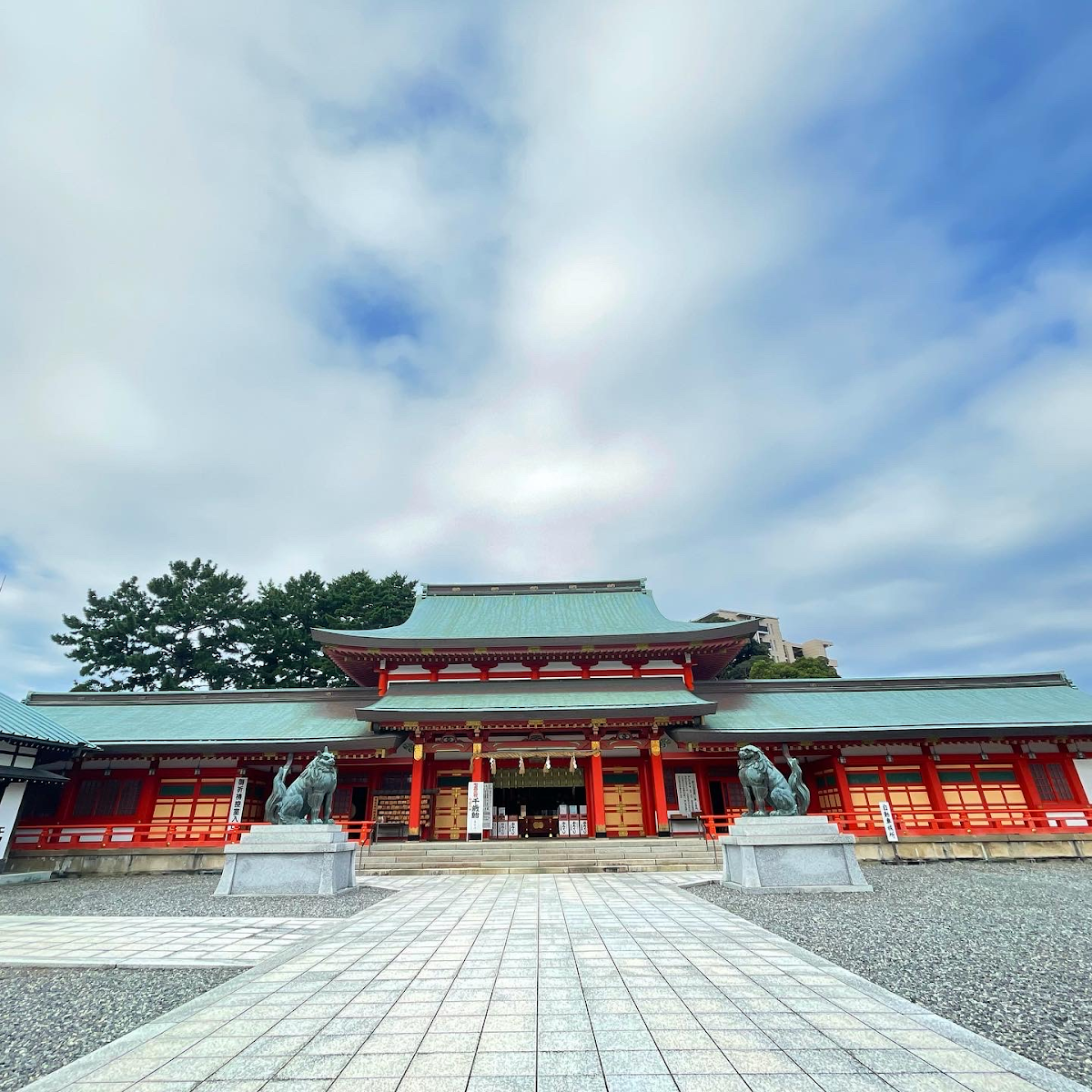
The Kannon Hall, the heart of Kamoeji Temple, houses the principal image, the Holy Kannon Bodhisattva. This Kannon statue has long been considered miraculous and has attracted many worshippers. In addition to the Holy Kannon Bodhisattva, the Kannon Hall also enshrines the Zenkoji Nyorai and Prince Shotoku, each with its own deep history of faith.
The architectural style of the Kannon-do Hall inherits the traditions of Shingon Esoteric Buddhism, allowing for quiet worship in a solemn atmosphere.
Daishi-do Hall
As a temple of the Koyasan Shingon sect, the Daishi-do Hall, dedicated to Kobo Daishi (Kukai), is also an important building. For followers of the Shingon sect, Kobo Daishi is a special figure as the founder of the sect, and many worshippers offer prayers at the Daishi-do Hall.
Bell Tower and Bell
The temple grounds feature a magnificent bell tower with a temple bell. During the New Year’s Eve bell-ringing ceremony, many worshippers visit, creating a solemn atmosphere for welcoming the new year.
Perpetual Memorial Graves and Columbarium
Kamoe-ji Temple is also known as a temple for ancestral memorial services, and perpetual memorial graves and a columbarium are provided on the temple grounds. Many people utilize these facilities as a form of memorial service suited to modern lifestyles.
Perpetual memorial graves are chosen by those without successors or those who do not want to burden their descendants with grave maintenance. The temple takes responsibility for providing perpetual memorial services.
Atmosphere of the Gardens and Temple Grounds
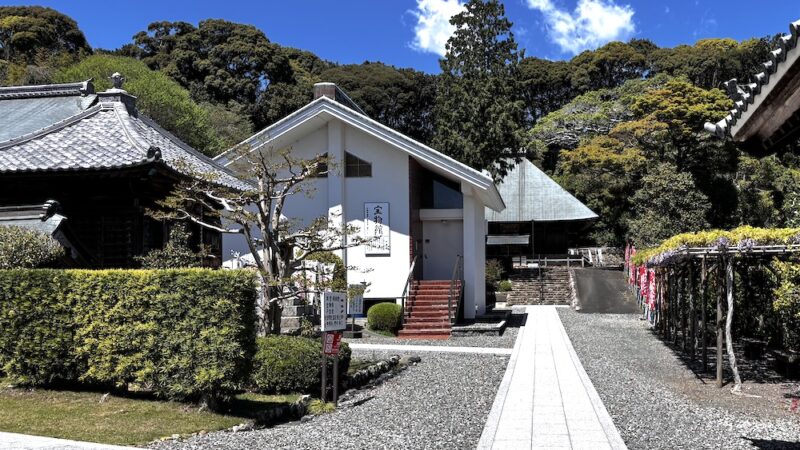
The temple grounds feature well-maintained gardens where visitors can enjoy the beauty of nature throughout the seasons. Especially during the cherry blossom season in spring and the autumn foliage season, the scenery is stunning.
Weekdays without events are relatively quiet, allowing visitors to stroll through the grounds and find peace of mind. One of the charms of Kamoeji Temple is that it maintains a tranquil space despite being located in an urban area.
Annual Events
Kamoeji Temple holds various religious events throughout the year. The following events, in particular, attract many visitors:
New Year’s Visit (January 1st-3rd)
The New Year’s visit is one of the busiest events at Kamoeji Temple. From New Year’s Day to the third day of the year, tens of thousands of worshippers visit the temple to pray for safety and happiness in the new year. Stalls line the temple grounds, creating a festive New Year’s atmosphere.
Setsubun Festival (around February 3rd)
During Setsubun, a bean-throwing ceremony is held, attracting many families. With the chant of “Good fortune in, demons out!”, people pray for good health and protection from illness throughout the year.
Spring and Autumn Equinoxes (March and September)
During the equinox periods, many worshippers visit the temple to pay respects to their ancestors. Kamoeji Temple is known as a temple for ancestor worship, and special memorial services are held during the equinox periods. Many people visit the Kannon Hall to pray in conjunction with visiting graves.
The spring equinox period is the seven days before and after the vernal equinox, and the autumn equinox period is the seven days before and after the autumnal equinox.
Obon (August 13th-16th)
During the Obon period, many worshippers visit the temple as it is an important time to welcome and send off the spirits of ancestors. The Urabon-e memorial service is held, offering gratitude and prayers to ancestors.
Monthly Events
Regular memorial services and Goma fire rituals are held every month, and many worshippers visit regularly. For detailed schedules, please check the official website of Kamoeji Temple or inquire by phone.
Goshuin (Temple Seal) Information
Goshuin are available at Kamoeji Temple. Goshuin are cherished by many worshippers as proof of their visit and as an important symbol of their connection to the temple.
Types of Goshuin
The goshuin at Kamoeji Temple features the calligraphy of “Kamoe Kannon” and the temple’s seal. It is characterized by its simple yet powerful calligraphy, and many people receive it as a memento of their visit.
This temple offers a Goshuin (temple stamp) as one of the Hamana Lake Seven Lucky Gods, making it popular with those undertaking the Seven Lucky Gods pilgrimage.
Goshuin Reception Hours and Location
Reception Hours: 9:00 AM – 4:00 PM
Reception Location: Temple Office (Nokyo-sho)
Offering Fee: Usually around 300-500 yen
If you bring your Goshuincho (stamp book), it will be carefully written on the spot. Those without a Goshuincho can purchase an original Kamoeji Temple Goshuincho.
Manners When Receiving a Goshuin
A Goshuin is proof of worship and is not a stamp rally. The correct etiquette is to first complete your prayers at the main hall before receiving your Goshuin. Also, remember to greet the temple office staff politely and express your gratitude.
Cultural Properties and Treasures of Kamoeji Temple
Kamoeji Temple possesses cultural properties and treasures that have been preserved and passed down through its long history.
Principal Image: Statue of the Holy Kannon Bodhisattva
The principal image, a statue of the Holy Kannon Bodhisattva, has long been revered for its miraculous powers. Kannon Bodhisattva is worshipped as a compassionate Buddha, rescuing suffering beings and granting wishes.
Statues of Zenkoji Buddha and Prince Shotoku
The Kannon Hall also houses statues of Zenkoji Buddha and Prince Shotoku. These are revered figures of significant importance in the history of Japanese Buddhism, reflecting the deep faith of Kamoeji Temple.
Other Temple Treasures
The temple also possesses Buddhist implements and ancient documents that have been preserved and passed down by successive chief priests, conveying the history of Kamoeji Temple to the present day.
About Perpetual Memorial Services, Prayer, and Ceremonies
Kamoeji Temple offers various religious services as a “temple of memorial services and prayers.”
Perpetual Memorial Graves
Perpetual memorial graves are available for those without successors or those who do not wish to burden their descendants. Since the temple takes responsibility for performing perpetual memorial services, you can use this service with peace of mind.
Perpetual memorial graves include individual graves and communal graves, which can be selected according to your wishes and budget. For detailed information on costs and application procedures, please inquire at the temple office.
Various Memorial Services
- Ancestral Memorial Service: Annual memorial services, monthly memorial services, etc.
- Memorial Service for Stillborn Children: A memorial service to comfort the spirits of stillborn children.
- Pet Memorial Service: A memorial service for pets that were members of the family.
Prayers and Sorting Services
- Exorcism Prayer: Exorcism for those in their unlucky years.
- Family Safety: Prayers for the health and safety of the family.
- Business Prosperity: Prayers for the success of your business.
- Academic Success: Prayers for passing exams and academic improvement.
- Traffic Safety: Blessing of cars, etc.
Advance reservations are recommended for prayers and blessings. It is recommended to consult with us by phone to schedule a date and time before visiting.
Hamana Lake Seven Lucky Gods Pilgrimage
Kamoeji Temple is one of the “Hamana Lake Seven Lucky Gods.” The Seven Lucky Gods pilgrimage, visiting temples and shrines around Hamana Lake, is a popular pilgrimage route for praying for good fortune and prosperity.
At Kamoeji Temple, you can check which of the Seven Lucky Gods is enshrined there upon your visit. Special commemorative paper and stamp books for the Seven Lucky Gods pilgrimage are available, and it is believed that visiting all the temples and shrines brings great merit.
Access Information
Access by Train
Nearest Station: Enshu Railway “Shin-Hamamatsu Station”
Travel Time: Approximately 15 minutes on foot from Shin-Hamamatsu Station
It is also within walking distance from JR Tokaido Main Line “Hamamatsu Station,” approximately 15-20 minutes on foot from Hamamatsu Station. The route from the station to the temple is relatively flat, and you can walk through the town on your way there.
Access by Bus
Bus Stop: “Kamoe Kannon”
Route: From Hamamatsu Station Bus Terminal Platform 3, take the “Kamoe-mawari Medical Center” bus
Travel Time: Approximately 10 minutes
Using the bus is convenient as it takes you very close to the temple. Buses run relatively frequently during the daytime.
Access by Car
Tomei Expressway: Approximately 20 minutes from Hamamatsu Interchange
Parking: Free parking available for visitors on the temple grounds
While there is usually ample parking, it can become full during peak seasons such as New Year’s and the equinox. During these busy periods, using public transportation is recommended.
Address and Navigation
Address: 4-17-1 Kamoe, Chuo-ku, Hamamatsu City, Shizuoka Prefecture 432-8023
Searching for “Kamoe-ji Temple” or “Kamoe Kannon” on your car navigation system or smartphone map app will display the exact location.
Nearby Tourist Attractions
When visiting Kamoe-ji Temple, it is recommended to also visit other tourist attractions in Hamamatsu City.
Hamamatsu Castle
Hamamatsu Castle, where Tokugawa Ieyasu spent his youth, is about a 10-minute drive from Kamoe-ji Temple. The castle tower offers a panoramic view of Hamamatsu city, making it a must-see spot for history buffs.
Hamamatsu Museum of Musical Instruments
This museum, unique to Hamamatsu, the city of musical instruments, exhibits instruments from around the world. Recommended for those interested in music and musical instruments.
Lake Hamana
Around Lake Hamana, there are various tourist attractions, including eel dishes and Kanzanji Onsen hot springs. Combining your visit to Kamoeji Temple with sightseeing in the Lake Hamana area is highly recommended.
Manners and Etiquette for Visiting Temples
Attire
While there are no specific dress code requirements, clean and subdued attire is preferred when visiting temples. Avoid revealing or flashy clothing.
Etiquette for Visiting Temples
- Bow at the Temple Gate: Bow at the temple gate before entering the temple grounds.
- Purify at the Water Basin: If a water basin is available, purify your hands and mouth.
- Pray at the Main Hall: Place your offering in the offering box in front of the main hall and quietly clasp your hands together in prayer.
- Express Gratitude: After praying, walk quietly through the temple grounds and bow once more as you leave the temple gate.
Photography
Photography of the temple grounds and building exteriors is permitted, but photography of the interior of the main hall and Buddha statues may be prohibited. Check before taking photos, or inquire at the temple office if unsure.
Please be quiet
The temple grounds are a place for prayer and meditation. Please refrain from speaking loudly or making noise.
Frequently Asked Questions (FAQ)
Q1: Is there an entrance fee to Kamoeji Temple?
A: There is no charge to enter the temple grounds. However, there is a separate fee for receiving a Goshuin (temple stamp) or special prayers.
Q2: Can I get a Goshuin at any time?
A: You can get a Goshuin at the temple office between 9:00 and 16:00. However, the staff may be absent for religious services, so it is recommended to call ahead to confirm if you want to be sure to get one.
Q3: Is there parking available?
A: There is a free parking lot for visitors. However, it may be full during busy times such as New Year’s Day and the equinox, so please consider using public transportation.
Q4: Is it possible to visit with a pet? **
A: While it is often possible to visit with small dogs, etc., if you carry them or keep them in a carrier, please refrain from letting them roam freely on the temple grounds. It’s best to check with the temple office beforehand.
Q5: How much does an eternal memorial grave cost?
A: The cost of an eternal memorial grave varies depending on the type you choose, such as individual or communal grave. Please contact the temple office directly for details.
Q6: Are the visiting hours different during the New Year’s holiday?
A: Visiting hours may be extended during the New Year’s visit period. It may also be possible to visit all night from New Year’s Eve to New Year’s Day, so we recommend checking in advance.
Summary
Kamoeji Temple (Kamoe Kannon) is a historic temple representing Hamamatsu City, Shizuoka Prefecture, and has attracted the faith of many people since its founding in the Heian period. Affectionately known as “Okamoe-san,” this temple is a spiritual haven for Hamamatsu residents, attracting tens of thousands of visitors during New Year’s and the equinox.
As a special head temple of the Koyasan Shingon sect, it has served as a place of worship for Kannon (Goddess of Mercy) and ancestor veneration, and has also provided perpetual memorial graves to meet modern needs, continuing to support many people across generations.
Its convenient location within walking distance of Hamamatsu Station is another attractive feature, making it easy to visit during Hamamatsu sightseeing. The time spent calming your mind in the tranquil grounds and praying to Kannon will be a precious moment to forget the hustle and bustle of everyday life.
When you visit Hamamatsu, be sure to visit Kamoe-ji Temple. You will be able to experience the quiet atmosphere of this temple with over a thousand years of history and the compassionate welcome of Kannon.