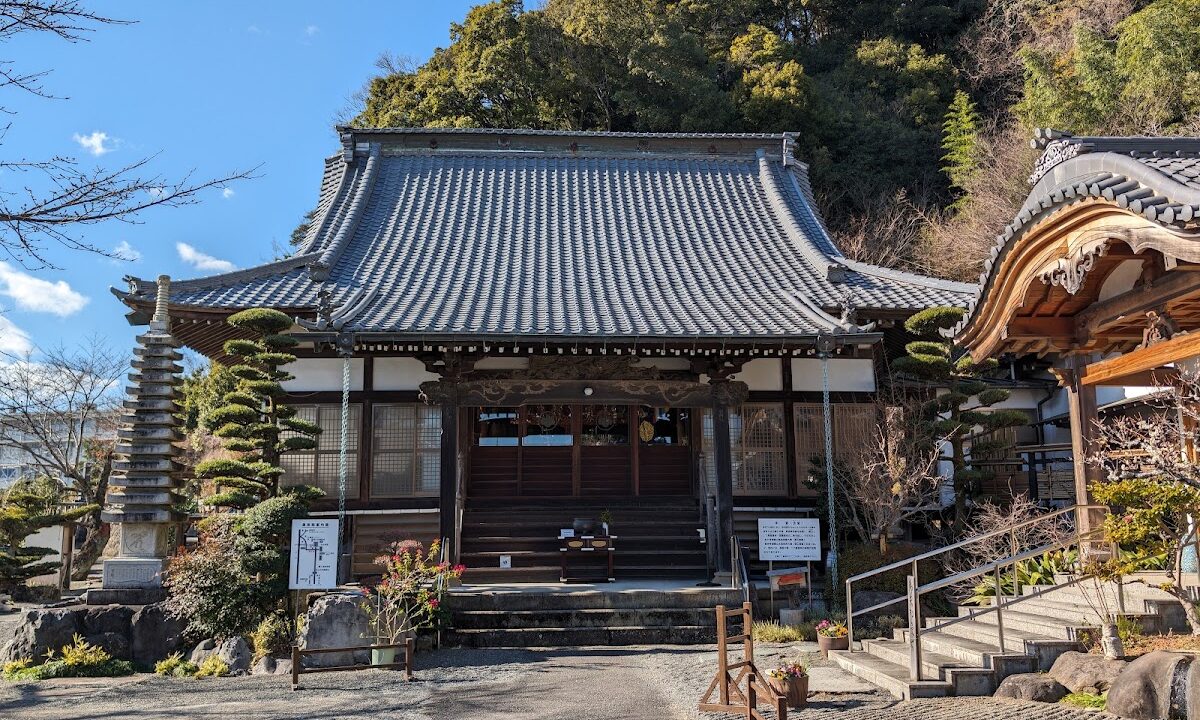
Complete Guide to Shinjuin Temple (Shizuoka Prefecture) | History, Highlights, and Access Information for the Temple Associated with Princess Yaehime
There are several temples named “Shinjuin” in Shizuoka Prefecture, each with its own unique history and cultural value. This article will provide a detailed introduction to the charms of each temple, focusing on the Shinjuin associated with Princess Yaehime in Izunokuni City and the Shinjuin associated with the Imagawa family in Shizuoka City. We will provide comprehensive information useful for history enthusiasts and tourists.
What is Shinjuin? | Major Temples in Shizuoka Prefecture
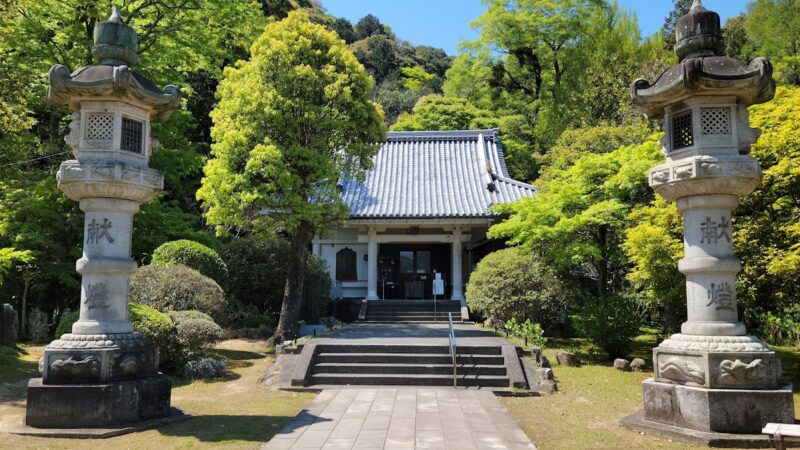
There are mainly two prominent Shinjuin temples in Shizuoka Prefecture. One is a Soto Zen temple located in Nakajo, Izunokuni City, and the other is also a Soto Zen temple located in Shimizu Ward, Shizuoka City. Both have long histories and have been cherished as centers of local faith.
Shinjuin in Izunokuni City
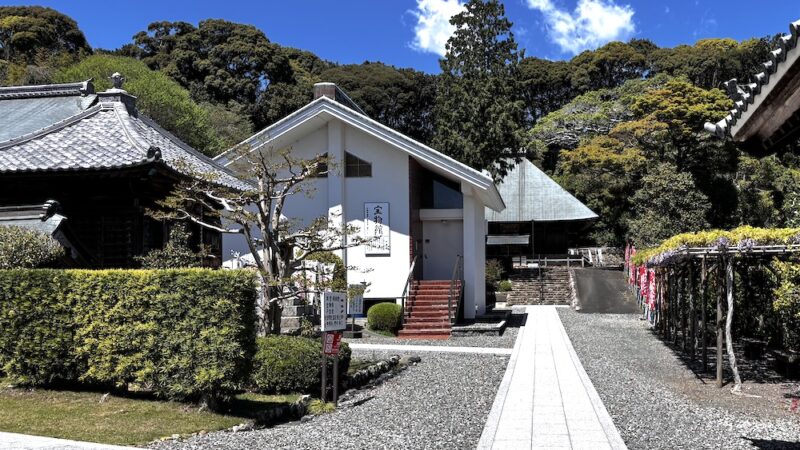
Located at 145-2 Nakajo, Izunokuni City, Shinjuin is a historical temple founded as a Shingon Buddhist temple during the Kamakura period and converted to the Soto Zen sect during the Muromachi period. This temple is particularly known for its “Yaehime Memorial Tower,” and as a place associated with the legend of Yaehime, said to be the first wife of Minamoto no Yoritomo, it attracts many history buffs and fans of the historical drama “The 13 Lords of Kamakura.”
Shinjuin Temple, Shizuoka City
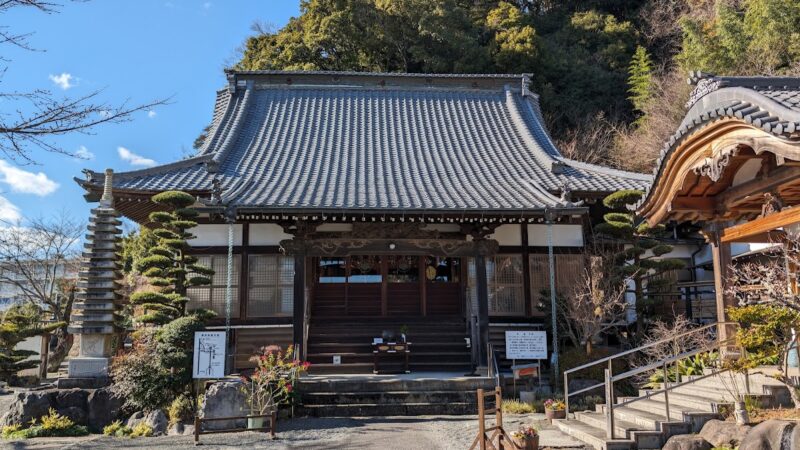
Located in Shimizu Ward, Shizuoka City, Shinjuin Temple, also known as Hōōzan Shinjuin, is said to have been founded around 1507. It is believed to have been restored by the Sengoku period daimyo Imagawa Yoshitada, and currently houses the memorial tablets of successive generations of the Imagawa family and possesses several Imagawa documents, making it a historically significant Soto Zen temple. Notably, its reinforced concrete bell tower is designated as a National Registered Tangible Cultural Property.
History of Shinjuin Temple | A Place of Worship Since the Kamakura Period
History of Shinjuin Temple in Izunokuni City
Shinjuin Temple in Izunokuni City was founded as a Shingon Buddhist temple during the Kamakura period. Initially, it is believed to have functioned as a training ground for esoteric Buddhism, but in the Muromachi period, it converted to the Soto Zen sect. This change in sect is thought to reflect the rise of Zen Buddhism at the time and the changing faith of local power holders.
Regarding its connection to Yaehime, the temple is rooted in the tragic love story of Minamoto no Yoritomo, who was exiled to Izu, and Yaehime, the daughter of Ito Sukechika. Yaehime bore a son, Chizurumaru, with Yoritomo, but due to her father’s anger, Chizurumaru was killed, and Yaehime herself met a tragic end. A memorial tower for Yaehime stands at Shinjuin Temple, and many worshippers still visit it today.
History of Shinjuin Temple, Shizuoka City
Shinjuin Temple (Hōōzan Shinjuin) in Shizuoka City is said to have been founded around 1507 (Eishō 4), but detailed records do not remain. According to temple tradition, it was restored by Imagawa Yoshitada (father of Imagawa Ujichika), indicating a deep connection with the Imagawa family.
The Imagawa family was a prestigious daimyo family that ruled Suruga Province from the Muromachi period to the Sengoku period, and Shinjuin Temple is thought to have served as the Imagawa family’s ancestral temple. Even today, the temple houses the memorial tablets of successive generations of the Imagawa family, and valuable historical materials such as the Imagawa documents are preserved. These documents are invaluable historical sources for understanding the political and social conditions of Suruga Province during the Sengoku period.
Highlights of Shinjuin Temple | Cultural Properties and the Legend of Yaehime
Yaehime Memorial Tower (Izunokuni City)
The biggest highlight of Shinjuin Temple in Izunokuni City is the memorial tower for Yaehime. This memorial tower stands quietly within the temple grounds, serving as a spiritual haven for those who remember the tragic heroine, Yaehime. Especially since the start of the 2022 NHK Taiga drama “The 13 Lords of Kamakura,” Yaehime has attracted much attention, and many history enthusiasts have begun visiting the temple.
The area around the memorial tower is well-maintained, and visitors can offer incense. It is a precious place where one can reflect on the tragic love story of the Kamakura period in a tranquil atmosphere.
Nationally Registered Tangible Cultural Property Bell Tower (Shizuoka City)
Of particular note at Shinjuin Temple in Shizuoka City is its bell tower, designated as a nationally registered tangible cultural property. While a modern reinforced concrete structure, it recreates the beauty of traditional temple architecture by adding a skirt-like base and veranda, and applying paint to the pillars, lintels, and rafters.
This bell tower is highly regarded as a fine example of modern temple architecture innovation and is a beloved element of the temple landscape. As a building that blends tradition and innovation, it is a cultural property of high architectural historical value.
Cultural Properties Associated with the Imagawa Family (Shizuoka City)
Shizuoka City’s Shinjuin Temple houses the memorial tablets of successive generations of the Imagawa family and Imagawa documents. While these are not always open to the public, they are a valuable collection of materials that convey the history of Suruga Province during the Sengoku period. The Imagawa family was a prestigious family that produced Imagawa Yoshimoto, and Shinjuin Temple has played a significant role as a temple commemorating him.
About the Sect and Soto Zen of Shinjuin Temple
Both Shinjuin temples currently belong to the Soto Zen sect. The Soto Zen sect is a branch of Zen Buddhism founded by Zen Master Dogen, and emphasizes “shikan taza,” that is, single-minded devotion to seated meditation.
In Soto Zen temples, the teaching that daily practice and work (samu, labor) itself constitute practice is put into practice. At Shinjuin Temple, the spirit of the Soto Zen sect is carried on, and it serves as a spiritual anchor for the local people.
The background to Shinjuin Temple’s conversion from Shingon Buddhism to Soto Zen Buddhism in Izunokuni City lies in the spread of Zen Buddhism during the Muromachi period and the penetration of Zen philosophy into samurai society. Zen Buddhism was widely accepted by the samurai class, and many temples converted to Zen Buddhism.
How to Access Shinjuin Temple
Access to Shinjuin Temple, Izunokuni City
Location: 145-2 Nakajo, Izunokuni City, Shizuoka Prefecture
Postal Code: 410-2121
Phone Number: 055-949-3544
Access by Train:
- Approximately 10-15 minutes on foot from Izunagaoka Station on the Izuhakone Railway Sunzu Line
- It is within walking distance from the station and is relatively easy to access.
Access by Car:
- Approximately 30 minutes from Numazu IC on the Tomei Expressway via the Izu Jukan Expressway
- It is recommended to check in advance whether parking is available.
Access to Shinjuin Temple, Shizuoka City
Location: Shimizu Ward, Shizuoka City, Shizuoka Prefecture (Detailed address needs to be confirmed)
Access by Train:
- Take a bus or taxi from Shimizu Station on the JR Tokaido Main Line
- Also accessible via the Shizuoka Railway Shizuoka-Shimizu Line
Access by Car:
- From the Tomei Expressway “Shimizu IC” towards the city center
- Also accessible from the Shin-Tomei Expressway “Shin-Shimizu IC”
Recommended Tourist Spots Around Shinjuin Temple
Around Izunokuni City
Nirayama Reverberatory Furnace: A World Cultural Heritage site, an industrial heritage site from the late Edo period. Located about 10 minutes by car from Shinjuin Temple, it offers a glimpse into the history of Japan’s modernization.
Izunokuni Panorama Park: Take the ropeway to the mountaintop for spectacular views of Mt. Fuji and Suruga Bay. Approximately 15 minutes by car from Shinjuin Temple.
Ganjojuin Temple: A famous temple housing a national treasure Buddhist statue. Known as a temple associated with Hojo Tokimasa, it is recommended for those interested in the history of the Kamakura period.
Hirugashima Island: A historical site believed to be the place of exile for Minamoto no Yoritomo when he was banished to Izu. It is also known as the place where Tokugawa Ieyasu met Yaehime.
Around Shizuoka City
Miho no Matsubara: A scenic spot famous for its views of Mt. Fuji. It is one of the constituent assets of the World Cultural Heritage site “Mt. Fuji”.
Kunozan Toshogu Shrine: A magnificent shrine dedicated to Tokugawa Ieyasu. The national treasure shrine building is a must-see.
Nihondaira: A scenic spot offering panoramic views of Mt. Fuji and Suruga Bay. You can also access Kunozan Toshogu Shrine via the Nihondaira Ropeway.
Sunpu Castle Park: The site of Sunpu Castle, where Tokugawa Ieyasu spent his later years. Perfect for historical walks.
Recommended Gourmet Around Shinjuin Temple
Around Izunokuni City
Traditional Japanese Inns in Izu-Nagaoka Onsen Town: Enjoy kaiseki cuisine using fresh seafood and mountain produce from Izu. Some inns offer day-trip lunch plans.
Nirayama Soba: Many popular local handmade soba noodle restaurants are scattered throughout the area. Recommended for lunch after visiting Shinjuin Temple.
Strawberry Picking Farms: Izunokuni City is also famous for its strawberries. Depending on the season, you can enjoy a combination of strawberry picking and a visit to Shinjuin Temple.
Around Shizuoka City
Seafood Cuisine at Shimizu Port: Enjoy fresh tuna, whitebait, sakura shrimp, and other seafood from Suruga Bay.
Shizuoka Oden: A Shizuoka specialty characterized by its dark broth and green laver. Many specialty restaurants are located throughout the city.
Abekawa Mochi: A representative Japanese confectionary of Shizuoka. Perfect as a souvenir.
Hotels and Accommodations Around Shinjuin Temple
Around Izunokuni City
Ryokans and Hotels in Izunagaoka Onsen: Numerous hot spring inns are located within walking distance or a few minutes’ drive from Shinjuin Temple. Enjoy a trip exploring places associated with Princess Yaehime while relaxing in a natural hot spring bath.
Business Hotels near Nirayama: There are also relatively affordable accommodations available.
Shizuoka City Area
Hotels near Shimizu Station: A variety of accommodations are available, from business hotels to tourist hotels.
Hotels near Shizuoka Station: Located in the heart of Shizuoka City, convenient as a base for sightseeing.
Nihondaira Hotel: A luxury hotel situated on a hill overlooking Mount Fuji. Recommended for special trips.
Precautions and Manners When Visiting Shinjuin Temple
Temple Visit Manners
When visiting a temple, please observe the following basic manners:
- Bow at the Temple Gate: Bow before entering the temple grounds.
- Be Quiet: Be quiet within the temple grounds and refrain from loud conversations.
- Photography: Follow instructions regarding areas where photography is prohibited or cultural artifacts are off-limits.
- How to Offer Incense: When offering incense at memorial towers, etc., be careful with the fire.
- Offering Money: When visiting the main hall or memorial towers, offer your money respectfully.
Points to Note When Visiting
- Visiting Hours: Check the visiting hours in advance. Generally, temples are only open during the daytime.
- Events and Ceremonies: General visits may be restricted when events such as memorial services are being held.
- Protection of Cultural Properties: Please be careful not to touch nationally registered tangible cultural properties.
- Questions: If you have questions about the temple’s history or cultural properties, please ask politely at the temple office.
Events held around Shinjuin Temple
Events in Izunokuni City
Izu Nagaoka Onsen Fireworks Festival: A fireworks display held in the summer. Enjoy beautiful fireworks illuminating the night sky over the hot spring town.
Nirayama Reverberatory Furnace Light-up: The Nirayama Reverberatory Furnace, a World Heritage Site, is lit up for a limited time.
Strawberry Picking Season: Strawberry picking can be enjoyed in various locations throughout the city from December to around May.
Events in Shizuoka City
Shimizu Minato Festival: Shimizu’s largest festival held in the summer. A fireworks display over the sea is also held. Street Performance World Cup in Shizuoka: A world-renowned street performance festival held in autumn. Performances take place throughout the city.
Shizuoka Festival: Shizuoka City’s largest festival, held in spring. Various events are held, centered around Sunpu Castle Park.
Visitor Trends and Reviews of Shinjuin Temple
Visitor Trends
Shinjuin Temple in Izunokuni City has seen a significant increase in visitors, particularly history buffs and women, since the broadcast of the historical drama “The 13 Lords of Kamakura.” Many people who sympathize with the tragic love story of Princess Yae can be seen paying their respects at the memorial tower. Also, many tourists staying at Izu-Nagaoka Onsen visit as part of their stroll through the hot spring town.
Shinjuin Temple in Shizuoka City attracts people interested in the history of the Imagawa family and the Sengoku period, as well as those interested in architecture and cultural properties. Many visitors can be seen taking photographs of the bell tower, a nationally registered tangible cultural property.
Visitor Feedback
The following are some comments from people who have actually visited Shinjuin Temple:
- “Standing before the memorial tower for Yaehime, the sad story of the Kamakura period came to mind.”
- “In the quiet temple grounds, I was able to slowly reflect on history.”
- “I was impressed by the beauty of the bell tower. While it’s modern architecture, you can feel the beauty of tradition.”
- “It’s conveniently located near Izu-Nagaoka Onsen, so it was easy to stop by while taking a walk.”
Other Temples and Shrines in Shizuoka Prefecture to Visit
Izu Area
Shuzenji Temple: An ancient temple located in Izu City. Known as a temple associated with Minamoto no Yoriie, it is located in the heart of the Shuzenji Onsen hot spring resort area.
Mishima Taisha Shrine: The Ichinomiya (first-ranked shrine) of Izu Province, located in Mishima City. A historically significant shrine where Minamoto no Yoritomo is said to have prayed for the restoration of the Minamoto clan.
Ganjojuin Temple: A temple located in Izunokuni City that houses a national treasure Buddhist statue. These are famous temples worth visiting along with Shinjuin Temple.
Around Shizuoka City
Kunozan Toshogu Shrine: A magnificent shrine dedicated to Tokugawa Ieyasu. The national treasure shrine building is a must-see.
Asama Shrine: The main guardian shrine of Shizuoka City. The beautiful vermilion-lacquered shrine building is impressive.
Rinzai-ji Temple: A temple associated with Imagawa Yoshimoto. Normally closed to the public, but during special openings, you can see valuable cultural artifacts.
Historical Background of Shinjuin Temple, the Imagawa Family, and Yaehime
Relationship between the Imagawa Family and Shinjuin Temple
The relationship between Shinjuin Temple in Shizuoka City and the Imagawa family is important for understanding the history of Suruga Province during the Sengoku period. The Imagawa family, a prestigious branch of the Ashikaga clan, ruled Suruga and Totomi from the Muromachi period to the Sengoku period.
Imagawa Yoshitada led the Imagawa family during the chaotic period after the Onin War and dedicated himself to managing the domain. The fact that the Imagawa family was involved in the restoration of Shinjuin suggests that they protected Buddhism and sought to demonstrate the legitimacy of their rule through temples.
The fact that the ancestral tablets of successive generations of the Imagawa family are enshrined at Shinjuin indicates that this temple served as the Imagawa family’s ancestral temple. The storage of historical documents such as the Imagawa documents also indicates that Shinjuin was not merely a place of worship, but an important place for conveying the history of the Imagawa family.
The Legend of Yaehime and Shinjuin
Yaehime, enshrined at Shinjuin in Izunokuni City, is a tragic heroine said to be the first wife of Minamoto no Yoritomo. Born as the daughter of Ito Sukechika, Yaehime fell in love with Yoritomo, who was exiled to Izu, and bore him a son named Chizurumaru.
However, her father, Sukechika, a warrior on the Taira side, did not approve of the relationship with Yoritomo, an enemy of the Taira, and had Chizurumaru killed. Later, Yaehime was married off to another samurai, but a legend remains that she could not let go of her feelings for Yoritomo and threw herself into a pond near Shinjuin Temple.
The memorial tower for Yaehime at Shinjuin Temple was erected to pass on this sad story to future generations and to comfort Yaehime’s spirit. In the NHK Taiga drama “The 13 Lords of Kamakura,” Yaehime was depicted as one of the main characters, and her tragic love story touched the hearts of many viewers. After the drama aired, the number of visitors to Shinjuin Temple increased dramatically, indicating the heightened interest in Yaehime.
About Perpetual Memorial Services and Cemeteries at Shinjuin Temple
Shinjuin Temple in Shizuoka City may offer various memorial services, including perpetual memorial graves, tree burials, and columbariums. In modern times, many temples offer perpetual memorial services to meet the needs of those without successors or those who do not want to burden their descendants with the responsibility of maintaining their graves.
If you are interested in perpetual memorial services or burial plots at Shinjuin Temple, we recommend contacting the temple in advance to schedule a visit. During your visit, you should ask about the following:
- Cost and details of perpetual memorial services
- Method and frequency of memorial services
- Environment of the ossuary and burial plots
- Restrictions on religious affiliation
- Post-contract support system
Visiting the temple in person, observing the atmosphere, and speaking directly with the head priest and staff will help you determine if you feel comfortable entrusting your loved one’s memorial services to them.
Sightseeing Model Course Including a Visit to Shinjuin Temple
Izunokuni City 1-Day Sightseeing Course
Morning:
- 9:00 Arrive at Izu-Nagaoka Station
- 9:15 Visit Shinjuin Temple (Visit the memorial tower for Yaehime)
- 10:00 Visit Hirugakojima Island (A place associated with Minamoto no Yoritomo and Yaehime)
- 11:00 Visit Ganjojuin Temple (View the national treasure Buddha statue)
Lunch:
- 12:00 Enjoy local cuisine around Nirayama
Afternoon:
- 13:30 Visit the Nirayama Reverberatory Furnace (World Cultural Heritage Site)
- 15:00 Ride the ropeway at Izunokuni Panorama Park and enjoy the spectacular view
- 17:00 Day trip to Izu-Nagaoka Onsen or overnight stay
Shizuoka City Historical Exploration Course
Morning:
- 9:00 Arrive at Shizuoka Station or Shimizu Station
- 9:30 Visit Shinjuin Temple (a temple associated with the Imagawa family; visit the bell tower)
- 11:00 Visit Kunozan Toshogu Shrine (view the national treasure shrine buildings)
Lunch:
- 12:30 Seafood cuisine at Shimizu Port
Afternoon:
- 14:00 Stroll through Miho no Matsubara (view of Mt. Fuji)
- 16:00 Visit Sunpu Castle Park (a place associated with Tokugawa Ieyasu)
- 17:30 Enjoy Shizuoka Oden in Shizuoka City
Summary: Experiencing Shizuoka’s History and Culture at Shinjuin Temple
The Shinjuin temples in Shizuoka Prefecture each possess their own unique historical value and cultural significance. At Shinjuin Temple in Izunokuni City, you can learn about the tragic love story of Yaehime and feel the human drama of the Kamakura period. At Shinjuin Temple in Shizuoka City, you can learn about the history of the Imagawa family and reflect on Suruga Province during the Sengoku period.
Both temples are not merely tourist attractions, but precious places that convey the history and culture of the region to the present day. By joining your hands in prayer and offering incense in the tranquil grounds, we who live in the modern age can become a part of history and inherit the thoughts of our ancestors.
When visiting Shizuoka Prefecture, be sure to visit Shinjuin Temple and experience its depth of history and rich culture. Combining a visit with hot springs and other tourist attractions will create even more fulfilling travel memories.
Frequently Asked Questions (FAQ)
Q1: Is there an entrance fee to Shinjuin Temple?
A1: Generally, entry to the temple grounds is free, but there may be an entrance fee for viewing special cultural properties or touring the interior of the main hall. We recommend checking with each temple in advance.
Q2: Can I get a Goshuin (temple stamp) at Shinjuin Temple?
A2: Many temples offer Goshuin, but please inquire directly with Shinjuin Temple regarding their availability. It is important to bring your Goshuincho (stamp book) and make a polite request. ### Q3: When is the best time to visit Shinjuin Temple?
A3: You can visit throughout the year, but the scenery is especially beautiful during the cherry blossom season in spring and the autumn foliage season. Also, Shinjuin Temple in Izunokuni City, which is associated with Princess Yaehime, tends to see an increase in visitors during periods related to historical dramas.
Q4: Is there parking near Shinjuin Temple?
A4: The availability and size of parking vary depending on the temple. Parking may be crowded, especially during peak seasons, so please consider using public transportation.
Q5: Can I request memorial services or funerals at Shinjuin Temple?
A5: As a Soto Zen temple, they may accept consultations regarding memorial services, funerals, and perpetual memorial services. Please contact the temple directly for details.
Q6: How can I learn more about Princess Yaehime?
A6: You can obtain information from pamphlets distributed at Shinjuin Temple or from the Izunokuni City Tourist Information Center. Also, books and history books related to “The 13 Lords of Kamakura” can be helpful.
Q7: Is photography allowed at Shinjuin Temple?
A7: While general landscape photography within the temple grounds is often permitted, photography may be prohibited inside the main hall or of certain cultural properties. Please always follow the instructions at the site.
Q8: Can I enjoy Izu-Nagaoka Onsen and Shinjuin Temple together?
A8: Yes, Shinjuin Temple in Izunokuni City is within walking distance of Izu-Nagaoka Station and close to the hot spring resort area, making it possible to combine sightseeing with hot springs and temple visits. There are also many day-trip hot spring facilities available.