Ganjoju-in Temple (Shizuoka Prefecture) Complete Guide | A Temple with National Treasure Buddhist Statues by Unkei and Connections to Hojo Tokimasa
Located in Jike, Izunokuni City, Shizuoka Prefecture, Ganjoju-in Temple is a Shingon Buddhist temple of the Koyasan sect, founded by Hojo Tokimasa, an important figure in the Kamakura Shogunate. It houses five Buddhist statues by Unkei, designated as National Treasures, and is a valuable place where one can view the finest masterpieces of Kamakura period Buddhist art up close, attracting considerable attention from history enthusiasts and Buddhist statue fans.
This article comprehensively introduces information you should know before visiting Ganjoju-in Temple, including its historical background, details of the National Treasure Buddhist statues, highlights of the temple grounds, visiting information, and access methods.
History and Founding Background of Ganjoju-in Temple
Founded by Hojo Tokimasa
Ganjoju-in Temple was founded in 1189 (Bunji 5) by Hojo Tokimasa. Hojo Tokimasa was the first regent of the Kamakura Shogunate and a key figure known as the father of Hojo Masako, wife of Minamoto no Yoritomo.
The temple’s purpose was to pray for Minamoto no Yoritomo’s victory in his campaign against the Oshu Fujiwara clan. The Oshu War was a crucial battle for Minamoto no Yoritomo’s unification of Japan, and a major event that would determine the future of the Hojo clan. It is said that the temple was named “Ganjoju-in” (meaning “prayer fulfillment temple”) because this prayer was answered.
Prosperity in the Kamakura Period
At the time of its founding, Ganjoju-in was a much larger temple than it is today. It boasted a magnificent complex with a large main hall (Omidō) at its center, surrounded by pagodas and numerous other buildings. As the Hojo clan’s family temple and an important center of Shingon Buddhism in the Izu region, it continued to prosper throughout the Kamakura period.
The entire temple grounds are designated as a national historic site, “Ganjoju-in Ruins,” and archaeological excavations have revealed the original layout of the temple complex. These research findings make this a valuable archaeological site for understanding the characteristics of temple architecture during the Kamakura period.
Changes from the Edo Period Onward
During the Edo period, Ganjoju-in Temple gradually reduced in size. However, the Buddhist statues created by Unkei were carefully preserved and continue to serve as a center of local faith to this day. Although affected by the anti-Buddhist movement of the Meiji era, the precious statues were preserved and were designated as National Treasures during the Showa and Heisei periods.
Five Buddhist Statues by Unkei Designated as National Treasures
The greatest attraction of Ganjoju-in Temple is undoubtedly the five Buddhist statues created by Unkei, which have been designated as National Treasures. Unkei was a leading Buddhist sculptor of the Kamakura period and a genius sculptor known for works such as the Kongo Rikishi statues at the South Gate of Todai-ji Temple.
Seated Amida Buddha Statue
The seated Amida Buddha statue, the principal image enshrined in the main hall, is a masterpiece that clearly demonstrates Unkei’s style. The statue stands approximately 138 centimeters tall and is characterized by its imposing physique and serene expression. The carving of the drapery is deeply realistic, combining the strength and precision of Kamakura period sculpture.
Designated a National Treasure in 2013, this Buddha statue is believed to have been created by Unkei in his late 30s, during his mature period, and is highly regarded as an important work that represents the establishment of the Unkei style.
Fudo Myoo and Two Attendants
The standing statue of Fudo Myoo and the two attendants, Seitaka Doji and Kongara Doji, stand out among Unkei’s works for their particularly powerful expression. Fudo Myoo’s wrathful expression, his figure with flames behind him, and the contrasting expressions of the two attendants on either side exude an overwhelming presence that captivates the viewer.
These statues were designated National Treasures in 1993 and are widely known as representative works demonstrating the high level of Unkei’s sculptural skill.
Standing Statue of Bishamonten
The standing statue of Bishamonten depicts him in armor, trampling on evil spirits in a magnificent pose. Standing approximately 156 centimeters tall, the statue combines the strength of a warrior with the dignity of a guardian deity.
This statue was also designated a National Treasure in 2013. It is a valuable work among Unkei’s collection, boasting excellent preservation and retaining traces of its original coloring and gold leaf.
Characteristics and Value of Unkei’s Works
The five statues by Unkei at Ganjoju-in Temple are all believed to have been created between his 30s and 40s. This period was crucial as Unkei established his unique style and ushered in a new era of Kamakura sculpture.
You can experience the essence of Unkei’s art up close, with its realistic yet idealized depiction of the human body, the deeply powerful carving of the drapery, and the expression of vitality that seems to emanate from within. Furthermore, the fact that all five statues have survived together is extremely rare, making them first-class resources for Unkei research.
Highlights of the Temple Grounds
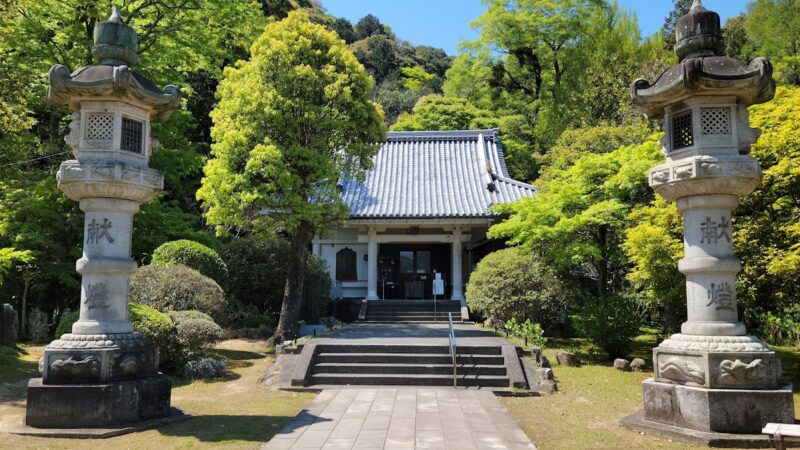
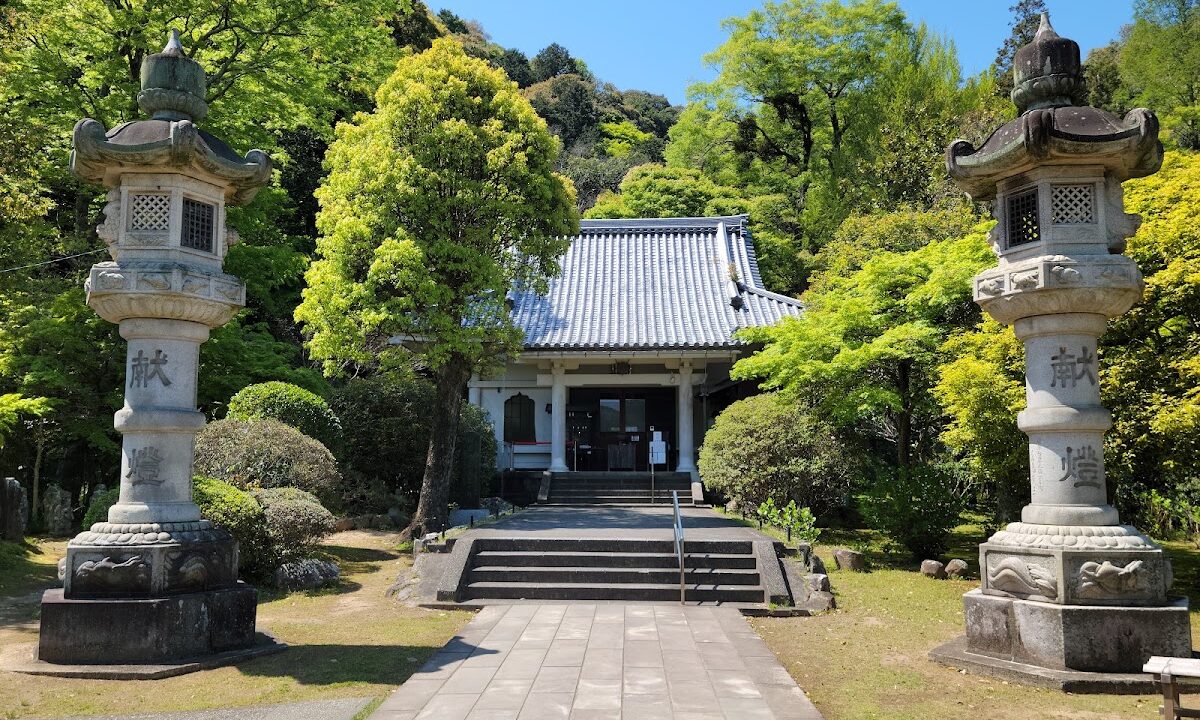
Daigodō (Main Hall)
The Daigodō is the central building housing the national treasure Buddha statues. While the current building was rebuilt after the Edo period, the interior retains the solemn atmosphere of the original construction. Inside, you can view Unkei’s Buddha statues up close, and the lighting and arrangement are carefully designed to maximize the appeal of the statues.
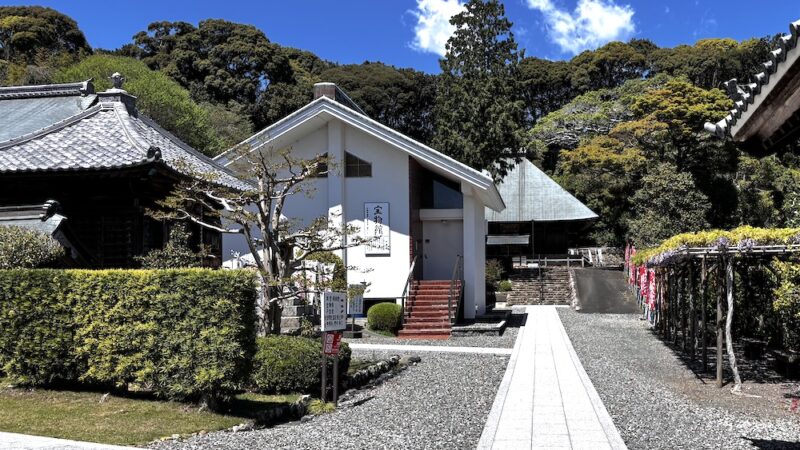
Treasure Hall
The temple grounds also house a treasure hall, displaying temple treasures other than Buddha statues, as well as materials related to the Hojo clan. You can see valuable documents for understanding the history of Ganjōjuin Temple, as well as artifacts unearthed during archaeological excavations.
The Treasure Hall displays a model showing the layout of the temple complex at the time of its founding, as well as architectural materials such as roof tiles from the Kamakura period, allowing visitors to imagine the magnificent appearance of the temple in its heyday.
Designated Historic Site
The entire temple grounds were designated as a national historic site, “Ganjojuin Ruins,” in 1973. Excavations have confirmed the remains of a pagoda and bell tower in addition to the main hall, and some remains can still be seen today.
Strolling through the grounds, you can find remnants of Kamakura-period temple architecture, such as foundation stones and traces of earthworks, creating a space where you can feel the romance of history.
Gardens and Seasonal Scenery
The temple grounds feature well-maintained gardens where you can enjoy the beauty of nature throughout the seasons. Cherry blossoms in spring, fresh greenery in early summer, and autumn leaves in fall—each season presents a different face. The tranquil atmosphere provides an environment where you can visit and worship at your leisure.
Visiting Information, Fees, and Opening Hours
Visiting Hours
The opening hours for the Daido Hall and Treasure Hall of Ganjoju-in Temple are as follows:
- Regular Period: 10:00 AM to 4:00 PM (Last entry at 3:30 PM)
- Closed Days: Tuesdays; if Tuesday is a public holiday, the following weekday will be closed.
- New Year’s Holidays: Closed from December 28th to January 3rd.
*Please note that visiting hours may change during special ceremonies or events. We recommend checking the official website before your visit.
Admission Fees
- General: 500 yen
- Junior and Senior High School Students: 300 yen
- Elementary School Students: 200 yen
- Group Discount (20 or more people): 50 yen off each fee
Considering that you can view the five national treasure Buddhist statues created by Unkei, the fees are very reasonable.
Estimated Time Required
A visit including a tour of the temple grounds and viewing of the Buddhist statues typically takes 30 minutes to 1 hour. For those who wish to carefully appreciate the statues or enjoy photography (within permitted limits), we recommend allowing at least 1 hour.
Access Method
Address
83-1 Jike, Izunokuni City, Shizuoka Prefecture 410-2122
Phone: 055-949-7676
Access by Train
Using the Izuhakone Railway Sunzu Line
- Get off at Nirayama Station, approximately 15 minutes on foot (approx. 1.2 km)
- Get off at Izunagaoka Station, approximately 15 minutes on foot (approx. 1.3 km)
Both stations are within walking distance, but Nirayama Station is slightly closer. The path from the station to Ganjoju-in Temple is flat, and there are guide signs along the way, so even first-time visitors can arrive without getting lost. ### Access by Car
Using the Tomei Expressway
- Approximately 20 minutes from Numazu Interchange
- Approximately 25 minutes from Nagaizumi-Numazu Interchange
Using the Shin-Tomei Expressway
- Approximately 25 minutes from Nagaizumi-Numazu Interchange
The most common route is via National Route 136. Entering the address or phone number into your car navigation system will ensure a smooth arrival.
Parking Information
Free parking is available on the temple grounds. There is space for approximately 20 regular cars, and it is generally uncrowded except during peak tourist seasons. However, it can get crowded during the cherry blossom season in spring and the autumn foliage season, so please consider using public transportation.
If visiting by large bus, it is recommended to contact the temple in advance to confirm parking availability.
Nearby Tourist Attractions
When visiting Ganjoju-in Temple, you can enjoy a more fulfilling Izu trip by also visiting nearby historical sites and tourist attractions.
Nirayama Reverberatory Furnace
Located about a 5-minute drive or 20-minute walk from Ganjoju-in Temple, the Nirayama Reverberatory Furnace is one of the constituent assets of the World Cultural Heritage site “Sites of Japan’s Meiji Industrial Revolution.” It is a valuable industrial heritage site, the only surviving practical reverberatory furnace in Japan built during the late Edo period, and a must-see spot for history buffs.
Hojo Clan Residence Site (Moriyama)
Near Ganjoju-in Temple is Moriyama, believed to be the site of Hojo Tokimasa’s residence. Currently developed as a historical park, it offers opportunities to learn about the history of the Hojo clan. Visiting both Ganjoju-in Temple and Moriyama will provide a deeper understanding of the Hojo clan’s footsteps during the Kamakura period.
Izu Nagaoka Onsen
Izu Nagaoka Onsen is located about a 10-minute drive from Ganjoju-in Temple. This historic hot spring resort boasts numerous day-trip bathing facilities and accommodations. Relaxing in the hot springs after visiting Ganjoju-in Temple is highly recommended.
Strawberry Picking Spots
The area around Izunokuni City is known as a mecca for strawberry picking. Popular strawberry picking facilities such as “Ichigo BonBonBERRY Izunokuni Factory” and “Strawberry Farm 21 Ema” are scattered throughout the area, making it ideal for family sightseeing.
Points to Note When Visiting Ganjoju-in Temple
Photography
Photography is generally permitted within the temple grounds, but photography of the Buddha statues inside the main hall is prohibited. Photography of the exterior and gardens is permitted, allowing you to capture the beautiful scenery of the temple grounds. Please observe photography etiquette and be considerate of other visitors.
Clothing and Items to Bring
While most of the temple grounds are paved, there are some gravel paths. We recommend wearing comfortable shoes. Also, since the sun is strong in the summer, it’s a good idea to bring a hat, parasol, and drinks. Even in Izu, it can get cold in winter, so don’t forget to take precautions against the cold.
Accessibility Information
The temple grounds are relatively flat, but there are some steps. Those wishing to visit in a wheelchair are advised to contact the temple in advance to confirm their accessibility.
Recommended Time to Visit
Ganjoju-in Temple is open year-round, but the following times are particularly recommended:
- Spring (late March to early April): The temple grounds are enveloped in a vibrant atmosphere during cherry blossom season.
- Early Summer (May to June): The fresh greenery is beautiful, and visitors can enjoy the refreshing weather.
- Autumn (mid-November to early December): The autumn leaves are at their peak, allowing visitors to enjoy a landscape where historical atmosphere and natural beauty harmonize.
Cultural Value of Ganjoju-in Temple
Ganjoju-in Temple is not merely a tourist spot; it holds an extremely important position in the preservation of Japanese cultural properties.
Primary Source Materials for Unkei Research
The Buddhist statues at Ganjoju-in Temple are indispensable for studying Unkei’s style. Their clearly established production dates and the fact that all five statues have been preserved together make them invaluable resources for tracing Unkei’s artistic development. It is also an academically important site frequently visited by art historians and curators.
Evidence of Faith and Power in the Kamakura Period
Ganjoju-in Temple is also an important historical site illustrating the relationship between the power structure of the Kamakura Shogunate and Buddhist faith. It serves as living evidence of how much the Hojo clan valued Buddhism and how Buddhism supported the legitimacy of the samurai government.
Preservation of Regional Culture
Ganjoju-in Temple is an important center that conveys the history and culture of the Izu region to the present day. It continues to be an object of faith for local residents and also plays an educational role in raising awareness of cultural property preservation.
Summary
Ganjoju-in Temple, located in Izunokuni City, Shizuoka Prefecture, is a treasure trove of Japanese Buddhist art, housing five Buddhist statues by Unkei that are designated as National Treasures. Established in 1189 by Hojo Tokimasa to pray for Minamoto no Yoritomo’s victory in battle, this temple continues to fascinate many visitors and researchers as a valuable historical site that conveys the history and culture of the Kamakura period.
Unkei’s seated Amida Buddha statue, Fudo Myoo and two attendant figures, and standing Bishamonten statue are all masterpieces that exemplify the essence of Unkei’s art. Their realistic and spiritual expressions deeply move viewers. The temple grounds are enveloped in tranquility, allowing visitors to spend peaceful time surrounded by the beauty of nature throughout the seasons.
Its convenient access, just a 15-minute walk from Nirayama Station or Izunagaoka Station on the Izuhakone Railway, is also a major attraction. The surrounding area boasts numerous other tourist attractions, including the Nirayama Reverberatory Furnace and Izu Nagaoka Onsen, making it possible to enjoy a leisurely day trip immersed in the history and culture of Izu.
For those interested in Japanese Buddhist art, the history of the Kamakura period, and those seeking tranquility in a peaceful temple, Ganjoju-in Temple is a must-see. We highly recommend visiting this historic temple to experience the solemn atmosphere emanating from its national treasure Buddha statues and the historical romance of this place associated with the Hojo clan.