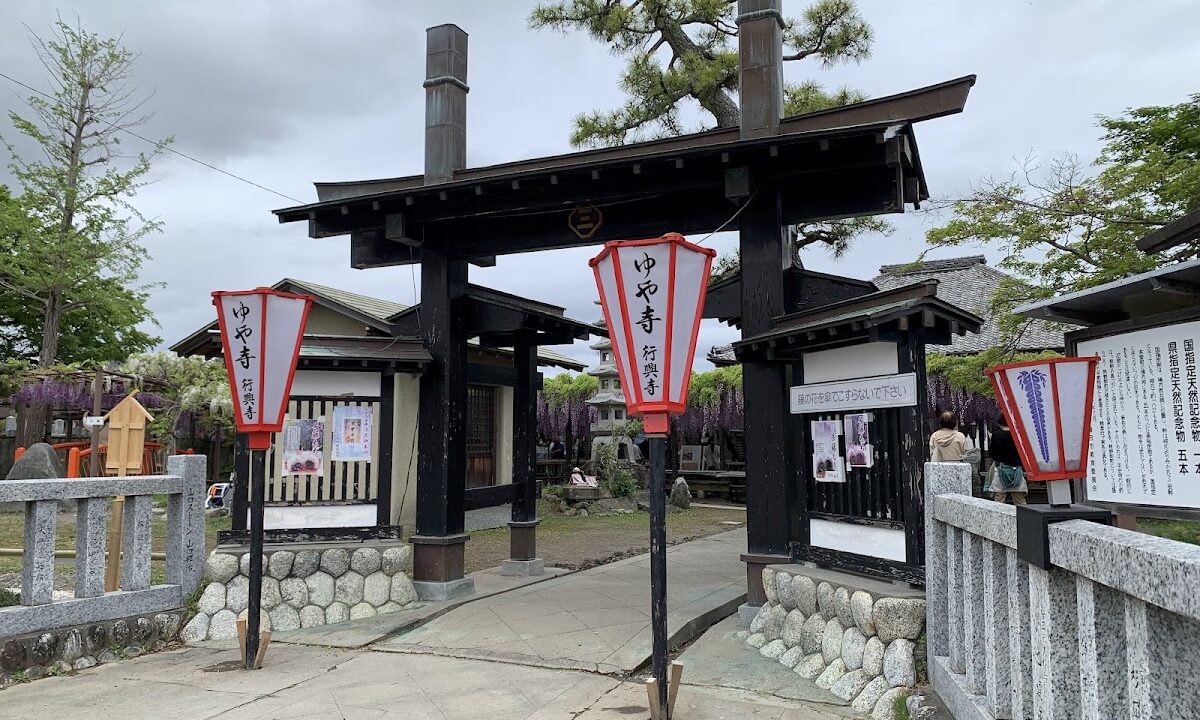
Gyokoji Temple (Iwata City, Shizuoka Prefecture) Complete Guide | Visiting Information on Kumano’s Long Wisteria and History
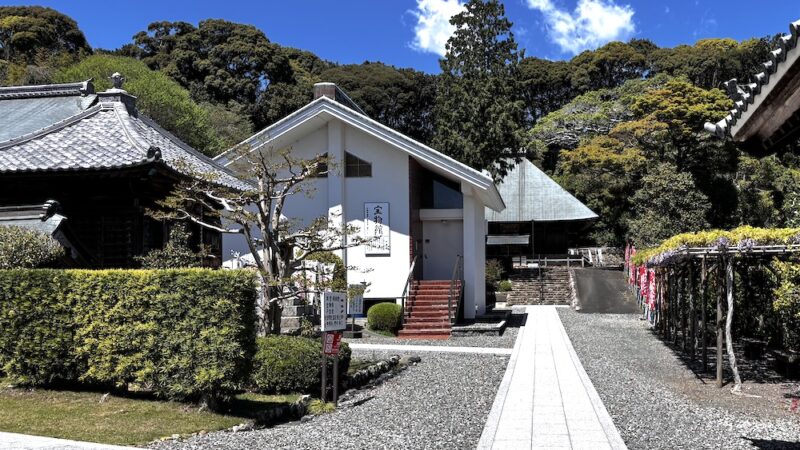
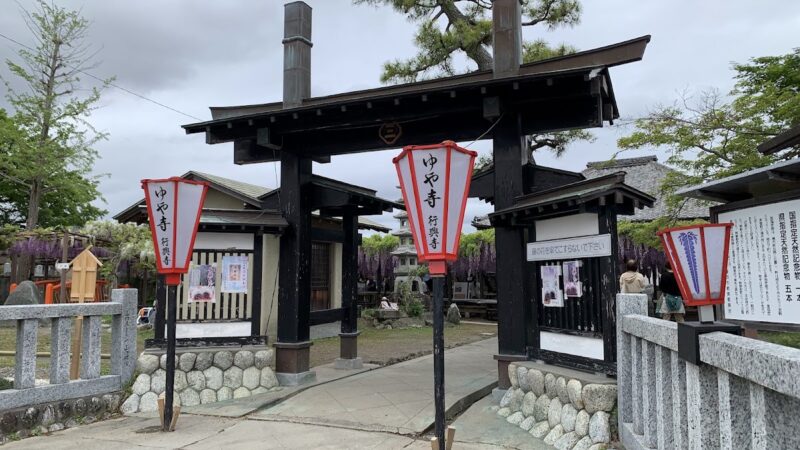
Gyokoji Temple, located in Ikeda, Iwata City, Shizuoka Prefecture, is an ancient temple of the Jishu sect known for its “Kumano’s Long Wisteria,” a nationally designated natural monument. This temple, where historical romance from the late Heian period harmonizes with natural beauty, captivates visitors every spring with wisteria blossoms exceeding one meter in length. This article comprehensively introduces everything you need to know before visiting Gyokoji Temple, from its history and highlights to access information and visiting details.
History and Origins of Gyokoji Temple
Founding and Establishment of the Temple
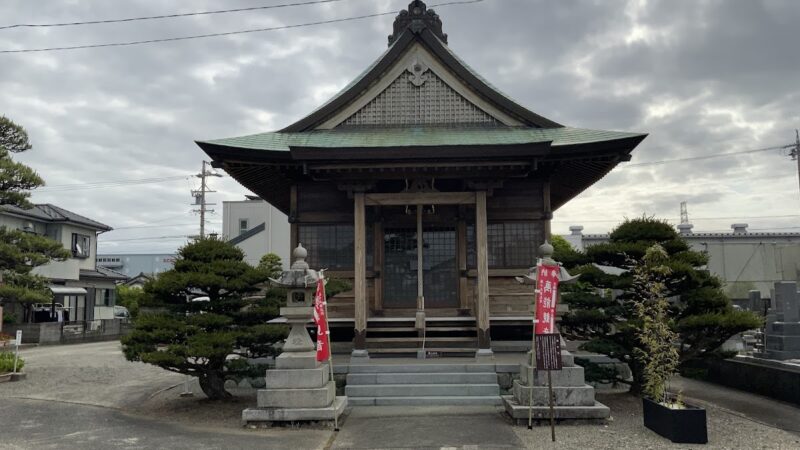
Gyokoji Temple is said to have been founded in 1061 (Enkyu 1), but detailed records are not available. As a Jishu sect temple, it enshrines an eleven-faced Kannon Bodhisattva as its principal image. This Kannon Bodhisattva is said to be a Buddhist statue deeply revered by Kumano Gozen (described later), and it serves as the spiritual center of the temple.
The Jishu sect is a branch of Pure Land Buddhism founded by Ippen Shonin during the Kamakura period, and is known for its “Odori Nenbutsu” (dancing nenbutsu), a form of Buddhist chanting accompanied by dance. While it’s unclear when Gyokoji Temple converted to the Jishu sect, it has functioned as a center of Jishu faith in this region since the medieval period.
Deep Connection with Kumano Gozen
Gyokoji Temple’s current reputation stems from its deep connection with Kumano Gozen, a woman from the late Heian period. Kumano Gozen was born and raised as the daughter of Fujiwara no Shigenori, the steward of Ikeda Manor.
She was known as a highly cultured and beautiful woman, skilled in the art of waka poetry, and was praised by people of her time as a “role model for women.” She is particularly known for her filial piety, and her virtues have been depicted in the Noh play “Kumano.”
Kumo Gozen, who was favored by Taira no Munemori, the leader of the Taira clan, never forgot her hometown even amidst her glamorous life in the capital, and maintained her faith in Gyokoji Temple. The temple grounds still contain the graves of Kumano Gozen and her mother, attracting many visitors.
Kumano’s Long Wisteria | Highlights of a Nationally Designated Natural Monument
A Giant Wisteria Tree Estimated to be Over 800 Years Old
The greatest highlight of Gyokoji Temple is the “Kumano’s Long Wisteria,” which grows in a corner of the temple grounds. This wisteria is said to have been cherished and planted by Kumano Gozen herself, and its estimated age ranges from 800 to 850 years.
Designated a national natural monument on July 25, 1932 (Showa 7), this long wisteria is a giant tree with a circumference of over 2 meters at its base, and is one of Japan’s most representative wisteria trees. In addition to the 800-year-old wisteria designated as a national natural monument, there are also five wisteria trees approximately 300 years old, designated as prefectural natural monuments, bringing the total number of wisteria trees on the temple grounds to 17, forming a wisteria trellis.
A Breathtaking View Created by Flower Clusters Over 1 Meter Long
The most striking feature of Kumano’s wisteria is the length of its flower clusters. When in full bloom, the purple flower clusters, reaching 1 to 1.5 meters in length, hang down like a waterfall—a truly spectacular sight.
The wisteria trellis, spanning approximately 400 tsubo (about 1,320 square meters), invites viewers into a fantastical world of purple. The sight of the wisteria blossoms swaying in the wind is truly a work of art created by nature.
Best Viewing Period and the Long Wisteria Festival
The best time to see Kumano’s long wisteria is typically from late April to early May. The “Long Wisteria Festival” is held during this period, featuring a variety of events.
During the festival, local specialty products are sold, traditional folk arts are performed, and the area is illuminated at night, attracting many visitors from both within and outside the prefecture. Since the wisteria blooming period varies from year to year, it is recommended to check the latest information by consulting Iwata City’s tourist information or contacting the temple before visiting.
Highlights and Cultural Assets on the Temple Grounds
The Graves of Kumano Gozen and Her Mother
The graves of Kumano Gozen and her mother stand side by side on the temple grounds. Befitting Kumano Gozen, known for her deep filial piety to her mother, the two graves are quietly situated close together.
Even today, visitors constantly come to pay their respects at the graves, remembering Kumano Gozen’s virtues and reaffirming the importance of family bonds and filial piety. It is a particularly meaningful spot for Mother’s Day visitors and female visitors.
Poetry and Literary Monuments
A monument inscribed with Kumano Gozen’s poetry stands on the temple grounds, preserving her talent for waka poetry. In recent years, several monuments to poets and haiku poets who visited the temple have also been erected, making it an interesting spot for literature lovers.
These monuments tell the story of Gyōkōji Temple, not merely a tourist destination, but a place rich in culture and art. Enjoying the wisteria blossoms while contemplating the hearts of ancient poets is a unique pleasure of visiting this temple.
Principal Image: Eleven-Faced Kannon Bodhisattva
The main hall houses an Eleven-Faced Kannon Bodhisattva, said to have been worshipped by Kumano Gozen. The Eleven-Faced Kannon is revered as a compassionate bodhisattva who watches over all directions and saves all sentient beings.
The anecdote that Kumano Gozen continued to think of this Kannon from her hometown even while living in the capital is passed down as evidence of her deep faith and affection for her hometown.
Visiting Information and Access
Basic Information
Location: 330 Ikeda, Iwata City, Shizuoka Prefecture 438-0805
Sect: Jishu Sect
Principal Image: Eleven-faced Kannon Bodhisattva
Visiting Hours: Grounds are freely accessible (extended hours during wisteria blooming season)
Admission Fee: Free (a donation may be requested during the Wisteria Festival)
Parking: Available (temporary parking is also available during wisteria blooming season)
Access by Train and Bus
Nearest Station: JR Tokaido Main Line “Toyoda-cho Station”
From Toyoda-cho Station to Gyokoji Temple, the Iwata City-operated bus “Yuya-go” is convenient. It’s about a 15-minute bus ride; get off at the “Gyokoji-mae” bus stop and it’s a short walk from there.
Since the number of buses is limited, it is recommended to check the timetable on the Iwata City website in advance. If taking a taxi, it’s about a 10-minute ride from Toyoda-cho Station.
Access by Car
Tomei Expressway: Approximately 15 minutes from Iwata Interchange
National Route 1: Approximately 10 minutes north from Iwata city center
During the wisteria blooming season, many tourists visit, and surrounding roads can become congested. Especially on weekends and holidays, we recommend visiting earlier in the day. Please check the official information for the Nagafuji Festival regarding the location of temporary parking.
Nearby Tourist Attractions
There are several attractive tourist spots in Iwata City scattered around Gyokoji Temple.
Former Mitsuke School: One of the oldest existing wooden pseudo-Western style elementary school buildings in Japan (a nationally designated historical site), approximately a 15-minute drive from Gyokoji Temple. You can tour educational facilities from the Meiji era.
Iwata City Museum of Fragrance: Japan’s only museum of fragrance, introducing perfumes and fragrance culture from around the world. It is approximately a 20-minute drive from Gyokoji Temple.
Tōtōmi Kokubunji Temple Ruins: The ruins of a provincial temple built during the Nara period, a recommended spot for history buffs.
Shishigahana Park: Known as a famous cherry blossom viewing spot, this park attracts many tourists in spring, often visiting in conjunction with the wisteria at Gyōkōji Temple.
Goshuin (Temple Stamp) Information
You can receive a Goshuin at Gyōkōji Temple. A Goshuin is proof of worship at a temple, and in recent years, the number of visitors who collect Goshuin as a hobby has increased.
The Goshuin at Gyōkōji Temple is related to the principal image, the Eleven-Faced Kannon Bodhisattva. It is recommended to contact the temple in advance to ensure you receive a Goshuin. Especially during the wisteria blooming season, there are many visitors, so waiting times may occur.
Bringing your Goshuincho (stamp book) and making a polite request is considered good manners. The offering fee is generally around 300 to 500 yen, but please offer what you feel is appropriate.
Points to Note and Manners When Visiting Gyokoji Temple
Manners for Visiting
Gyokoji Temple is both a tourist spot and a place of worship. Please observe the following manners when visiting:
- Behave quietly within the temple grounds and refrain from loud conversations.
- Remove your hat and show respect in the main hall and cemetery.
- Photography is permitted, but please be considerate of other visitors.
- Always take your trash with you.
- Do not touch the wisteria trees or flowers, or break any branches.
Crowd Control During the Wisteria Blooming Season
During the Wisteria Festival, many tourists visit, especially on weekends and holidays. To avoid crowds, weekday mornings or the early and late stages of the blooming season are recommended.
The parking lot is often full, so please consider using public transportation. Also, surrounding restaurants can get crowded, so bringing a packed lunch and enjoying a picnic is a good idea.
Clothing and Items to Bring
Since some parts of the temple grounds are unpaved, we recommend wearing comfortable shoes. Although the wisteria blooms in spring, temperatures can fluctuate from day to day, so it’s best to wear clothing that can be easily adjusted.
As the sun can be strong on some days, a hat and sunscreen are recommended. Also, if you plan to take photos, make sure your camera or smartphone is fully charged.
Seasons and Annual Events at Gyokoji Temple
Spring (March-May)
Spring is the most beautiful season for Gyokoji Temple. From late April to early May, during the wisteria blooming season, the temple grounds are bathed in purple and filled with a sweet fragrance. The Nagafuji Festival features various events, allowing visitors to experience local culture.
Summer (June-August)
After the wisteria blooms, the temple grounds are enveloped in lush greenery and tranquility. Even on hot summer days, the area under the wisteria trellises remains cool, making it ideal for a stroll. There are fewer tourists, making it a time for a peaceful visit.
Autumn (September-November)
In autumn, the trees on the temple grounds begin to change color, offering a different kind of beauty. Visiting in the cooler weather is pleasant, making it the perfect season for quietly reflecting on history.
Winter (December-February)
In winter, Gyōkōji Temple is less crowded, enveloped in a tranquil atmosphere. The wisteria trees shed their leaves, storing energy for their blooming in the spring. Although it’s a cold time of year, visiting in the crisp, clear air is also a unique experience.
The Story of Kumano Gozen and the Noh Play “Kumano”
Kumano Gozen in the Tale of the Heike
Kumano Gozen is a historical figure who also appears in “The Tale of the Heike.” Favored by Taira no Munemori, she one day receives news that her mother in her hometown is ill. She requests permission to leave the capital and return home, but Munemori is reluctant to grant it.
Kumano Gozen composed the poem, “What shall I do? Though I regret leaving the capital’s spring, the flowers of the east that I grew so accustomed to are surely falling,” expressing her longing for her mother. It is said that Munemori was deeply moved by this poem and finally allowed her to return home.
The World of the Noh Play “Kumano”
The Noh play “Kumano” is based on the story of Kumano Gozen. The universal themes of filial piety, poetic talent, and love for one’s hometown resonate with many people across generations.
Knowing this historical background will allow you to appreciate the temple’s charm more deeply when visiting Gyokoji Temple. Why not reflect on Kumano Gozen’s feelings in front of the monument inscribed with the poem on the temple grounds?
To Maximize Your Enjoyment of Gyokoji Temple
Prior Information Gathering
Before visiting Gyokoji Temple, it is recommended to check the Iwata City tourism information website and temple information. In particular, the wisteria blooming status varies from year to year, so checking the latest information is essential. On social media, you can find photos and impressions from people who have actually visited, allowing you to get real-time information. Try searching with hashtags like “#Gyokoji” and “#KumanoNoNagafuji”.
Enjoying Local Specialties
During the Nagafuji Festival, local specialty products are also sold. Iwata City is known as a tea-producing region, and locally produced tea and Japanese sweets make excellent souvenirs.
Furthermore, there are restaurants in the surrounding area that use local ingredients, so enjoying a meal after visiting the temple is another pleasure. Trying the regional cuisine of the Enshu area is highly recommended.
Photography Tips
There are several points to keep in mind when taking beautiful photos of Kumano’s Nagafuji.
- Time of Day: The soft morning light and the slanted evening light beautifully enhance the wisteria’s color.
- Angle: An angle looking up from below the wisteria trellis emphasizes the length of the flower clusters.
- Background: A blue sky background makes the purple color stand out even more vividly.
- Macro Photography: The details of each flower are also beautiful, so try close-ups.
Please be considerate of other visitors when using a tripod. Handheld shooting is recommended during crowded times.
Summary: Experience the Harmony of History and Nature at Gyokoji Temple
Gyokoji Temple in Iwata City, Shizuoka Prefecture, is a rare place where the natural miracle of the Kumano Wisteria, over 800 years old, merges with a historical romance that has continued since the Heian period.
The nationally designated natural monument, the wisteria, continues to captivate visitors every spring with its purple flower clusters exceeding one meter in length. The story of the talented woman Kumano Gozen speaks to us living in the modern age with universal themes of filial piety and love for one’s hometown.
Both the vibrant atmosphere during the wisteria blooming season and the tranquil ambiance of the quieter seasons have their own unique charms. When visiting Iwata City, be sure to stop by Gyokoji Temple and experience the beauty of nature and the weight of history firsthand.
Gyokoji Temple, a temple of the Jishu sect, has continuously upheld the faith in the Eleven-Faced Kannon Bodhisattva. Spending time on its grounds will be a precious experience, allowing you to forget the hustle and bustle of everyday life and calm your mind. Why not immerse yourself in the romance of history beneath the wisteria blossoms that Kumano Gozen loved?