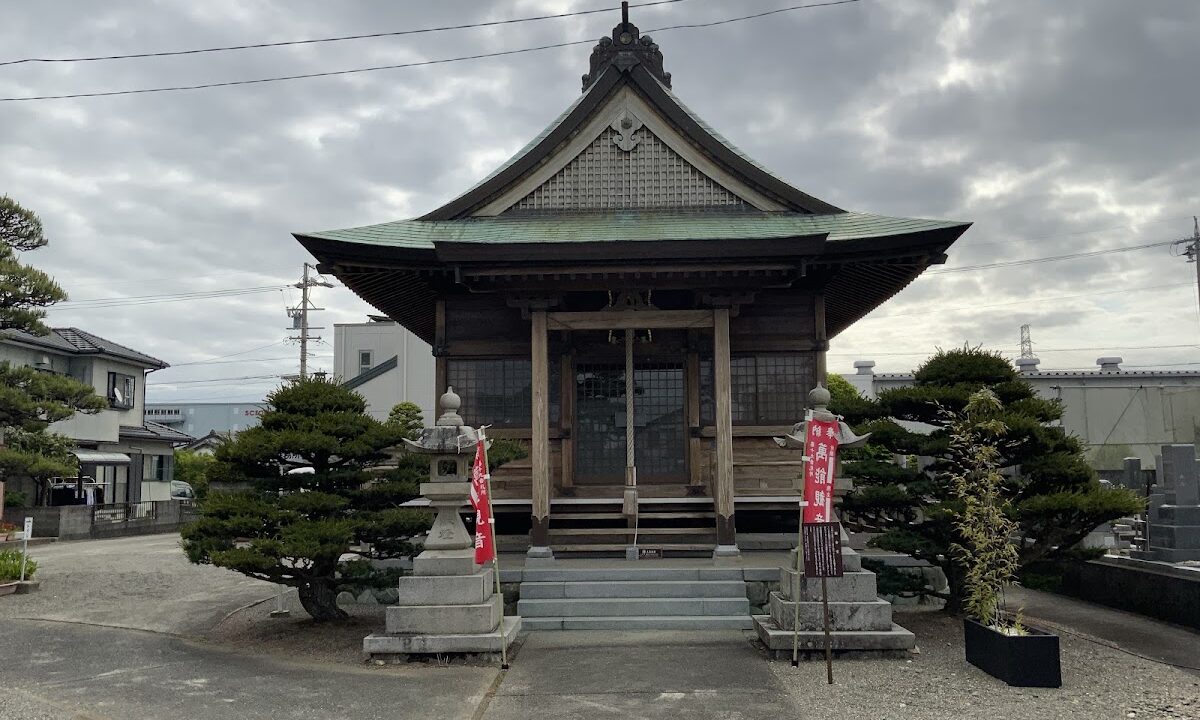
Complete Guide to Shoi-ji Temple (Iwata City, Shizuoka Prefecture) | History and Highlights of the 19th Temple of the Enshu Thirty-Three Kannon Pilgrimage
Located in Shimobanno, Iwata City, Shizuoka Prefecture, Shoi-ji Temple is a historically significant temple said to have been founded in 782 AD. As the 19th temple of the Enshu Thirty-Three Kannon Pilgrimage, it is known as an ancient Soto Zen temple visited by many pilgrims. This article provides a detailed introduction to Shoi-ji Temple, including its history, highlights, and access information.
History and Origins of Shoi-ji Temple
From Founding to Conversion to the Soto Zen Pilgrimage
The history of Shoi-ji Temple dates back to 782 AD. This period was the early Heian period, a time when Japanese Buddhism was flourishing under the reign of Emperor Kanmu. While records of the temple’s founding sect and details are limited, it has survived as a center of local faith for approximately 800 years.
A major turning point occurred on March 10, 1600 (Keicho 5). In that year, the temple was officially founded by Abbot Kyozan Sogei, and converted to the Soto Zen sect. Keicho 5 was also the year of the Battle of Sekigahara, a turbulent period of transition from the Sengoku period to the Edo period, during which Shoi-ji Temple took a new step in its history.
The Current Main Hall and Yakushi Nyorai
The current main hall was built in 1868 (Keio 4). This year marked the start of the Meiji Restoration, and as a building constructed during a time of transformation in Japan into a modern nation, it holds historical value.
The main hall enshrines the principal image, Yakushi Nyorai. Yakushi Nyorai, also known as the “King of Medicine,” has long been revered as a Buddha who heals illness and suffering. The temple’s name, Shōi-ji, is also thought to be deeply connected to this belief in Yakushi Nyorai (Medicine Buddha).
Role as the 19th Temple of the Enshu Thirty-Three Kannon Pilgrimage
What is the Enshu Thirty-Three Kannon Pilgrimage?
The Enshu Thirty-Three Kannon Pilgrimage is a pilgrimage route that visits 33 Kannon temples scattered throughout the Enshu region in western Shizuoka Prefecture. Based on faith in Kannon Bodhisattva, it has attracted many pilgrims since the Edo period. Similar to the Saigoku Thirty-Three Kannon and Bandō Thirty-Three Kannon pilgrimages, it attracts people who seek the compassion of Kannon and pray for worldly benefits and rebirth in paradise.
Significance of the 19th Temple
Shōi-ji Temple is designated as the 19th temple of the Enshu Thirty-Three Kannon Pilgrimage. Located almost midway along the pilgrimage route, it serves as an important place of rest and prayer for pilgrims. As a pilgrimage site, it has served not merely as a transit point, but as a place of encounter with Kannon (Goddess of Mercy), providing spiritual support to many pilgrims.
Several other pilgrimage sites are scattered around Iwata City, making it possible to visit them all in the area, including Shoi-ji Temple. Visitors can receive a Goshuin (temple stamp) at each temple, which is cherished as a memento of their pilgrimage.
Shoi-ji Temple Grounds and Highlights
Architectural Style of the Main Hall
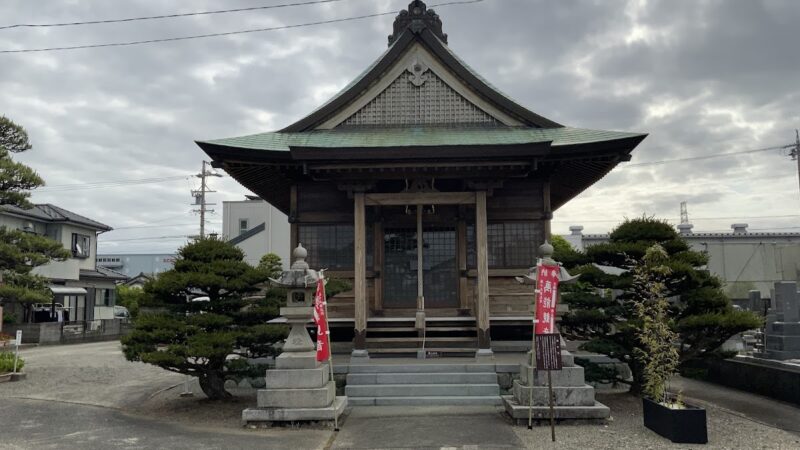
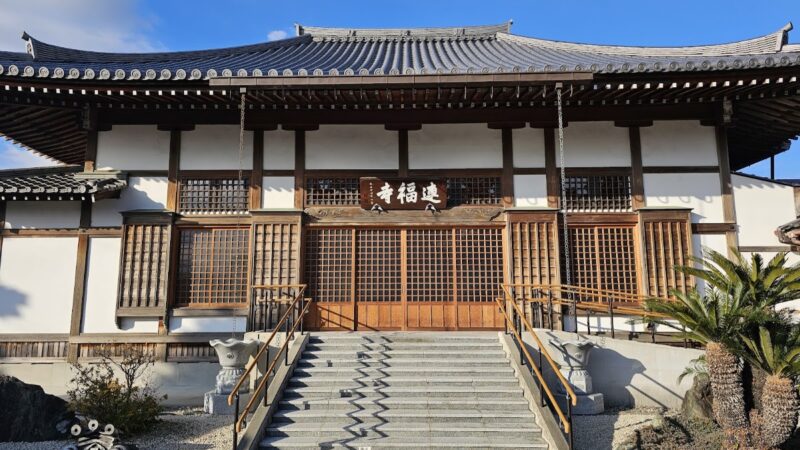
Built in 1868 (Keio 4), the main hall is a valuable structure that preserves the architectural style of the late Edo period. It exhibits the characteristics of Soto Zen temple architecture, exuding a simple yet solemn atmosphere. A statue of Yakushi Nyorai (Medicine Buddha) is enshrined inside, welcoming visitors in a tranquil space.
Atmosphere and Nature of the Temple Grounds
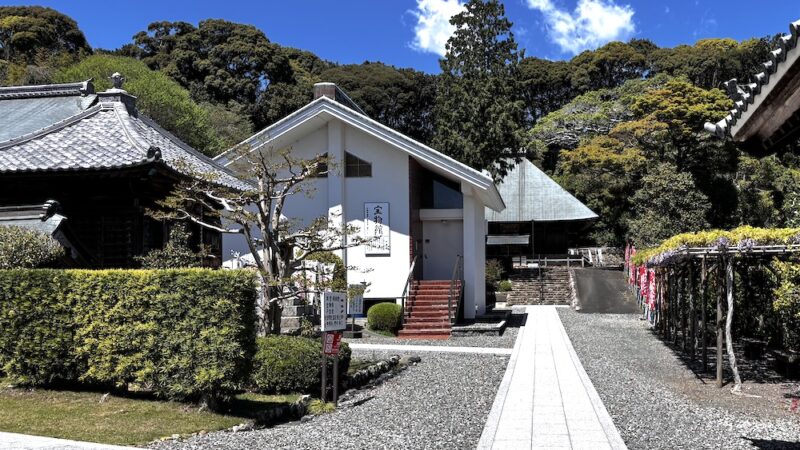
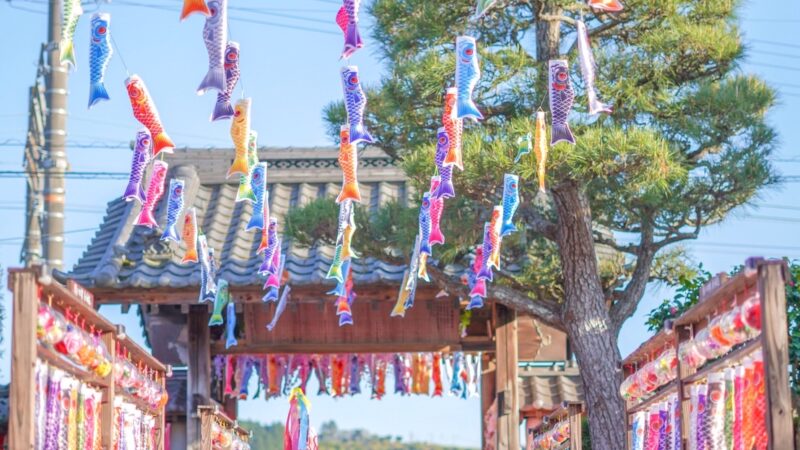
Shoi-ji Temple grounds are situated in a tranquil environment surrounded by the rich nature of Shizuoka Prefecture. The trees and flowers on the grounds, which show different expressions with each season, soothe the hearts of visitors. Especially in spring, the cherry blossoms are beautiful, and in autumn, the autumn leaves are stunning, allowing visitors to enjoy nature along with their pilgrimage.
Kannon Hall and Facilities as a Pilgrimage Site
As a pilgrimage site, Shoi-ji Temple has a Kannon Hall dedicated to Kannon, providing a space where pilgrims can pray in peace. At the temple office, you can receive a Goshuin (temple stamp), which becomes a precious memento of your pilgrimage.
The Teachings of the Soto Zen School and Activities of Shoi-ji Temple
Characteristics of the Soto Zen School
The Soto Zen school is a branch of Japanese Zen Buddhism founded by Zen Master Dogen. It is based on the principle of “Shikantaza,” that is, simply sitting in meditation, and teaches that all aspects of daily life are forms of spiritual practice. There are many Soto Zen temples in Shizuoka Prefecture, supporting the local faith.
Religious Activities at Shoi-ji Temple
Shoi-ji Temple holds religious services and events based on the teachings of the Soto Zen school. The temple has strong ties with local parishioners and contributes to the community through funerals, memorial services, and annual events. It also occasionally holds Zen meditation sessions, providing opportunities for the general public to experience Zen teachings.
Access and Visiting Information for Shoi-ji Temple
Location and Basic Information
Location: Shimobanno, Iwata City, Shizuoka Prefecture
Sect: Soto Zen
Mountain Name: Tokozan
Principal Image: Yakushi Nyorai (Medicine Buddha)
Pilgrimage Site: 19th of the Enshu Thirty-Three Kannon Pilgrimage Sites
Transportation Access
Access by Car
Approximately 15 minutes from the Tomei Expressway “Iwata IC”. It is easily accessible from Iwata city center. Parking is available, making it convenient to visit by car.
Access by Public Transportation
Take a bus or taxi from JR Tokaido Main Line “Iwata Station”. Iwata City’s community bus also operates, allowing access via the local transportation network.
Precautions When Visiting the Temple
- Maintain silence on the temple grounds and be considerate of other visitors.
- Take photos sparingly inside the main hall, and within reasonable limits on the temple grounds.
- When receiving a Goshuin (temple stamp), it is helpful to have the offering fee ready.
- Please wear clean, understated clothing appropriate for a temple visit.
Pilgrimage to Kannon Temples Around Iwata City
Information on Nearby Temples
Several temples of the Enshu Thirty-Three Kannon Pilgrimage are scattered around Iwata City, including Shoi-ji Temple. To efficiently complete the pilgrimage, it is recommended to plan your route in advance. Each temple has its own unique history and characteristics, and a different encounter with Kannon awaits you at each temple.
Mindset for Pilgrimage
A pilgrimage to Kannon temples is not merely sightseeing, but also a journey of spiritual training. By quietly joining your hands in prayer at each temple and contemplating the compassion of Kannon, you can gain a sense of spiritual fulfillment that cannot be obtained in everyday life. It is important to take your time and carefully visit each temple.
Shoi-ji Temple and the Local Community
Inheritance of Local History and Culture
Shoi-ji Temple, with a history of over 1200 years, has played an important role in the history and culture of Iwata City. It serves as a center of faith for the local people and also plays a role in preserving historical buildings and cultural properties.
The Role of Temples in Modern Times
In modern society, temples play a role beyond that of mere religious facilities. Shoi-ji Temple, too, serves as a central hub for the local community and a spiritual haven for people. It exists as an open place that can be visited at any time, not only for weddings and funerals, but also for those seeking peace of mind.
Temple Culture in Shizuoka Prefecture and Shoi-ji Temple
Buddhist Culture in Shizuoka Prefecture
Shizuoka Prefecture is a region where Buddhist culture has flourished since ancient times. As a key point on the Tokaido road, many temples were built, and temples of various sects coexisted. Temples of various sects, including the Soto, Rinzai, Shingon, and Nichiren schools, are scattered throughout Shizuoka Prefecture, each cultivating its own unique history and culture.
Temples of Iwata City
Besides Shoi-ji Temple, Iwata City boasts many other historical temples. Each temple tells a story of the region’s history, conveying the rich cultural heritage of western Shizuoka Prefecture to visitors. Learning about the region’s history through temple visits is one of Iwata City’s attractions.
Visitor Feedback and the Appeal of Shoi-ji Temple
Evaluation from Pilgrims
Pilgrims visiting the 33 Kannon temples of Enshu highly appreciate the quiet and peaceful atmosphere of Shoi-ji Temple. The opportunity to worship in a tranquil environment, away from the hustle and bustle of the city, is cited as a major draw. Furthermore, the courteous service when receiving temple stamps (Goshuin) also leaves a positive impression on visitors.
Connections with Local Residents
For local parishioners and residents, Shōi-ji Temple is an integral part of their lives. Through seasonal events and memorial services, it serves as a place for intergenerational exchange, deepening the bonds of the local community.
Significance and Guidelines for Visiting Shōi-ji Temple
Prayer to Yakushi Nyorai
The principal deity of Shōi-ji Temple, Yakushi Nyorai, is believed to grant blessings for healing illnesses and promoting health and longevity. Even today, many people visit the temple seeking good health. By joining hands in prayer before Yakushi Nyorai, one can pray for physical and mental health and peace.
Practice of Kannon Faith
As the 19th temple on the pilgrimage route, Shōi-ji Temple also values faith in Kannon Bodhisattva. Learning about Kannon’s compassion and practicing it in daily life is the true meaning of pilgrimage.
Summary: The Value and Future of Shoi-ji Temple
Shoi-ji Temple is a historic temple that has attracted the faith of the people of Iwata City for over 1200 years since its founding in 782 AD. While upholding the teachings of the Soto Zen sect, it also serves as the 19th temple on the Enshu Thirty-Three Kannon Pilgrimage, welcoming many pilgrims.
The current main hall, built in 1868, is a valuable cultural heritage site that preserves the architectural style of the late Edo period. With Yakushi Nyorai (Medicine Buddha) as its principal deity, it continues to watch over the health and peace of the local people.
When visiting Iwata City, Shizuoka Prefecture, be sure to stop by Shoi-ji Temple and experience its history and tranquil atmosphere. Whether as part of the Enshu Thirty-Three Kannon Pilgrimage or as a personal visit seeking inner peace, Shoi-ji Temple warmly welcomes all visitors.
Shoi-ji Temple has ample parking and is easily accessible. In the temple grounds, surrounded by the abundant nature of Iwata City, the time you spend quietly offering prayers, away from the hustle and bustle of everyday life, will surely bring a deep sense of fulfillment to your heart.