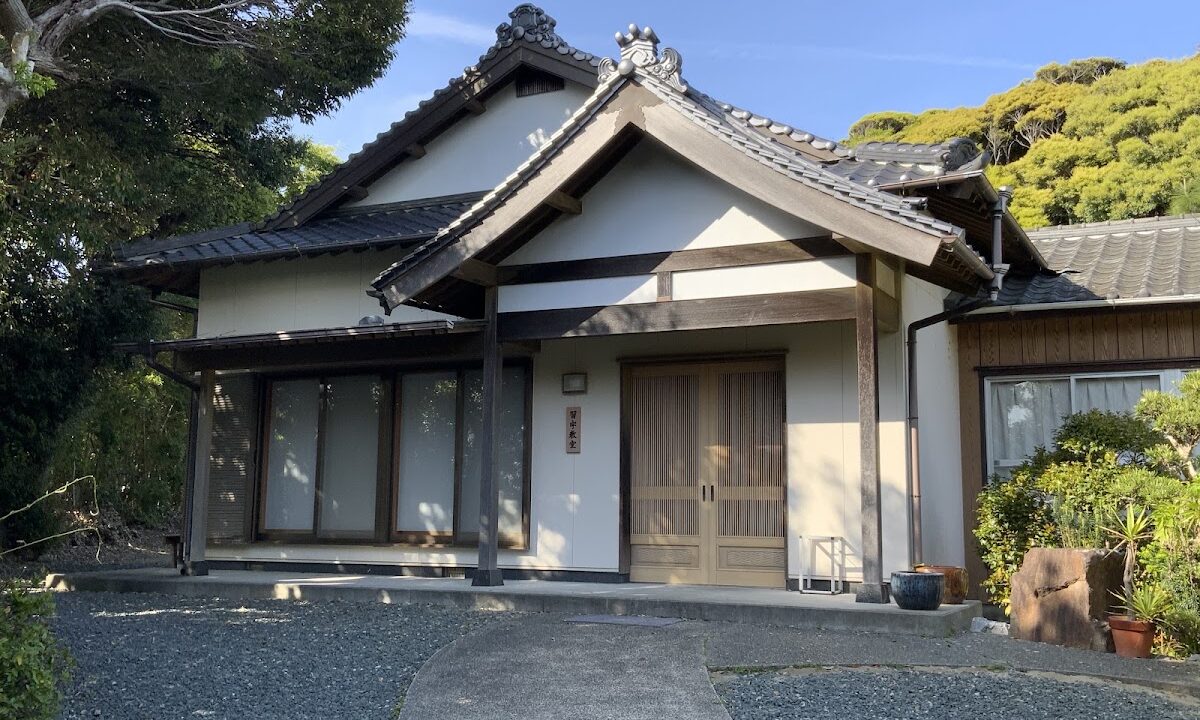
Complete Guide to Kounji Temple (Omaezaki City, Shizuoka Prefecture) | History and Highlights of the 10th Temple of the Enshu Thirty-Three Kannon Pilgrimage
Kounji Temple, located in Shiraha, Omaezaki City, Shizuoka Prefecture, is an ancient Soto Zen temple that attracts many pilgrims as the 10th temple of the Enshu Thirty-Three Kannon Pilgrimage. With a long history dating back to the Tencho era, it has been passed down to the present day as a center of local faith, housing valuable Buddhist statues said to have been created by Kobo Daishi. This article provides a detailed introduction to Kounji Temple, including its history, the Buddhist statues it houses, access methods, and its position within the Enshu Thirty-Three Kannon Pilgrimage.
Basic Information on Kounji Temple
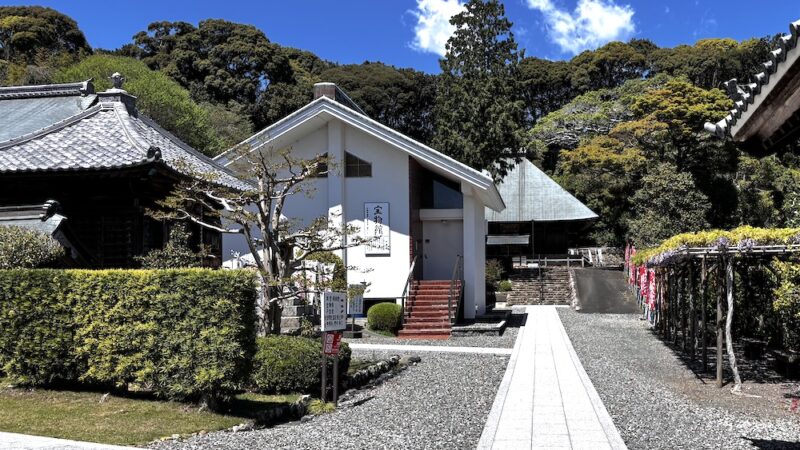
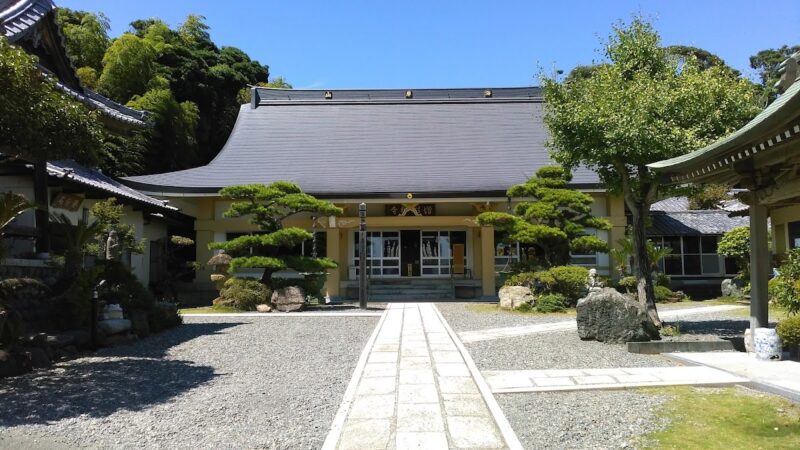
Kounji Temple is a Soto Zen temple located at 963 Shiraha, Omaezaki City, Shizuoka Prefecture. Its mountain name is Kokosan, and it enshrines the Eleven-Faced Kannon Bodhisattva as its principal image.
Temple Overview
- Official Name: Kounji Temple, Koukosan
- Sect: Soto Zen
- Principal Image: Eleven-faced Kannon Bodhisattva
- Location: 963 Shiraha, Omaezaki City, Shizuoka Prefecture
- Postal Code: 437-1622
- Phone Number: 0548-63-2375
- Sacred Site: Enshu Thirty-Three Kannon Pilgrimage Site, Temple No. 10
The name Kounji Temple is rare nationwide, and this temple in Omaezaki City, Shizuoka Prefecture, is considered the only “Kounji Temple” in the country. This rarity can be said to be one of the temple’s characteristics.
History and Origins of Kounji Temple
Founding and Connection with Kobo Daishi
The history of Kounji Temple dates back to the early Heian period, in the 5th year of Tencho (828). This period coincides with the time when Kobo Daishi Kukai was active, and the Yakushi Nyorai statue preserved at the temple is said to have been created by Kobo Daishi himself.
The Yakushi Nyorai statue is approximately 1 meter tall, and flanked by Nikko Bosatsu, Gekko Bosatsu, and the Twelve Heavenly Generals are enshrined. These Buddhist statues are temple treasures that have been carefully preserved from the time of the temple’s founding to the present day, and are valuable cultural assets that speak to the depth of Kounji Temple’s history.
Conversion from Shingon Buddhism to Soto Zen Buddhism
A significant turning point in the history of Kounji Temple was in the early Edo period, in the 5th year of Kan’ei (1628). In this year, the temple was rebuilt, and its sect was changed from Shingon Buddhism to Soto Zen Buddhism.
Shingon Buddhism is a sect of esoteric Buddhism founded by Kobo Daishi Kukai, and since the Yakushi Nyorai statue from the time of its founding is said to have been created by Kobo Daishi, it is presumed that the temple initially started as a Shingon Buddhist temple. However, during its reconstruction in the Kan’ei era, it converted to the Soto Zen sect, and for approximately 400 years thereafter, it supported the local faith as a Soto Zen temple.
The Soto Zen sect is a branch of Zen Buddhism founded by Zen Master Dogen and Zen Master Keizan, and emphasizes practice centered on seated meditation. This conversion led to Kounji Temple also taking on the role of a center for spreading Zen teachings in the region.
Developments since the Edo Period
Since its reconstruction in the 5th year of the Kan’ei era, Kounji Temple continued to develop as a Soto Zen temple in the Omaezaki area. The Enshu region was a region where Kannon worship was prevalent throughout the Edo period, and Kounji Temple welcomed many pilgrims as one of the 33 Kannon pilgrimage sites of Enshu.
The place name Shiraha refers to a region facing the Enshu Sea where fishing and agriculture thrived. It is believed that Kounji Temple played an important role as a spiritual pillar for the local residents and as a place to pray for safety at sea and abundant catches.
Buddhist Statues and Cultural Assets of Kounji Temple
Principal Image: Eleven-Faced Kannon Bodhisattva
The principal image of Kounji Temple is the Eleven-Faced Kannon Bodhisattva. The Eleven-Faced Kannon is a Kannon Bodhisattva with eleven faces on its head, said to gaze in all directions, perceive the suffering of all sentient beings, and provide relief.
As a pilgrimage site for the 33 Kannon temples of Enshu, this Eleven-Faced Kannon has attracted the faith of many worshippers. Kannon worship is particularly widespread among ordinary people, and people with various wishes, such as recovery from illness, safe childbirth, and family safety, visit Kounji Temple.
Statue of Yakushi Nyorai Attributed to Kobo Daishi
A particularly important treasure of Kounji Temple is the statue of Yakushi Nyorai, attributed to Kobo Daishi. This statue, approximately 1 meter tall, is believed to have been present since the temple’s founding in 828 AD, potentially giving it a history of nearly 1200 years. Yakushi Nyorai (Medicine Buddha) is the principal deity of the Eastern Pure Land of Lapis Lazuli and is worshipped as a Buddha who heals illness and suffering. Flanking him are Nikko Bosatsu (Sunlight Bodhisattva) and Gekko Bosatsu (Moonlight Bodhisattva), and the Twelve Divine Generals who protect Buddhist teachings, preserving a complete set of Yakushi Triad statues.
While many Buddhist statues throughout Japan are traditionally attributed to Kobo Daishi (Kukai), most of these traditions are later additions made to celebrate Kukai’s high spirituality and contributions to Buddhist art. However, given that the temple’s founding date coincides with Kobo Daishi’s period of activity, the possibility that the Yakushi Nyorai statue at Kounji Temple actually had some connection to Kukai cannot be ruled out.
About the Twelve Divine Generals
The Twelve Divine Generals, who protect Yakushi Nyorai, are armed guardian deities, each said to lead 7,000 followers to protect Buddhist teachings. The Twelve Divine Generals enshrined at Kounji Temple have also been carefully preserved alongside the Yakushi Nyorai statue.
The Twelve Divine Generals each correspond to one of the twelve zodiac signs, and worshippers sometimes offer special prayers to the general corresponding to their own zodiac sign. These Buddhist statues are important cultural assets that enhance the historical value of Kounji Temple.
Enshu Thirty-Three Kannon Pilgrimage and Kounji Temple
What is the Enshu Thirty-Three Kannon Pilgrimage?
The Enshu Thirty-Three Kannon Pilgrimage is a pilgrimage route visiting 33 Kannon temples scattered throughout the Enshu region in western Shizuoka Prefecture. Similar to the Saigoku Thirty-Three, Bando Thirty-Three, and Chichibu Thirty-Four pilgrimages, it is based on the belief that one can accumulate merit by visiting temples that enshrine Kannon Bodhisattva as their principal deity.
The Enshu region has long been a region where Kannon worship is prevalent, and during the Edo period, many common people visited on pilgrimage. Even today, the pilgrimage continues, with a constant stream of worshippers visiting each temple on foot or by car.
Kounji Temple as the Tenth Temple
Kounji Temple is the tenth temple on the Enshu Thirty-Three Kannon Pilgrimage. During the pilgrimage, it is common practice to receive a temple stamp (Goshuin) at each temple and record it in a pilgrimage notebook.
The number ten marks a transitional period from the beginning to the middle of the pilgrimage, making it an important milestone for pilgrims. Kounji Temple warmly welcomes pilgrims of the Enshu Thirty-Three Kannon Pilgrimage, offering temple stamps and guidance during their visit.
Relationship with Surrounding Temples
The temples of the Enshu Thirty-Three Kannon Pilgrimage are spread throughout the Enshu region, including Hamamatsu City, Iwata City, Kakegawa City, Kikugawa City, and Omaezaki City. Omaezaki City, where Kounji Temple is located, is the southernmost region facing the Enshu Sea, a land that knows both the blessings and harshness of the sea.
The ninth temple on the pilgrimage route is Ryūunji Temple, located west of Kikugawa City, north of Kōunji Temple. The pilgrimage route typically proceeds from inland to coastal areas, or vice versa. Planning your own pilgrimage route, considering the distances and geographical locations between each temple, is one of the joys of the pilgrimage.
Access to Kōunji Temple
Location and Transportation
Kōunji Temple is located at 963 Shiraha, Omaezaki City, Shizuoka Prefecture. Omaezaki City is located at the southernmost tip of Shizuoka Prefecture, a scenic area facing the Enshu Sea.
Access by Car
If traveling by car, the nearest interchanges are the Sagara-Makinohara Interchange or the Kakegawa Interchange on the Tomei Expressway. From the Sagara-Makinohara Interchange, head south on National Route 150; it takes approximately 30 minutes to reach the Shiraha area. From the Kakegawa Interchange, it takes approximately 40 minutes via National Route 150.
There is parking available around the temple, but it is recommended to inquire with the temple in advance for details.
Access by Public Transportation
If using public transportation, the starting point is either Kakegawa Station or Kikugawa Station on the JR Tokaido Main Line. From there, take a Shizutetsu bus bound for Omaezaki and get off at the Shiraha bus stop. The temple is a few minutes’ walk from there. However, since the number of buses is limited, it is important to check the timetable in advance.
If you are undertaking the Enshu Thirty-Three Kannon Pilgrimage, using a car is convenient for efficiently visiting multiple temples. Consider renting a car or chartering a taxi.
Nearby Attractions
Omaezaki City boasts numerous tourist attractions, including the Omaezaki Lighthouse and Omaezaki Beach. Along with visiting Kounji Temple, you can also enjoy the magnificent scenery of the Enshu Sea.
The Shiraha area is an old fishing village, and there are restaurants where you can enjoy fresh seafood. Experiencing the local food culture before or after your pilgrimage is another enjoyable aspect of your trip. ## Manners and Etiquette for Visiting Kounji Temple
Basic Visiting Etiquette
When visiting a temple, it is important to observe basic visiting manners.
- Bow at the Temple Gate: Before passing through the temple gate, which is the entrance to the temple, bow before entering the grounds.
- Watering Procedure: If there is a watering basin, cleanse your hands and mouth before proceeding to the main hall.
- Worship at the Main Hall: Join your hands in prayer in front of the main hall and offer your prayers quietly. If you wish to offer a monetary donation, quietly place it in the offering box.
- Receiving a Goshuin (Temple Stamp): If you wish to receive a Goshuin, bring your pilgrimage notebook and request it respectfully.
Characteristics of Soto Zen Temples
The Soto Zen sect is a branch of Zen Buddhism that emphasizes seated meditation (zazen). Kounji Temple may also hold zazen sessions, so those interested should inquire with the temple. In Zen Buddhist temples, silence and a pure atmosphere are highly valued. Visitors are expected to remain quiet and avoid speaking loudly or making noise within the temple grounds.
Etiquette for the Enshu Thirty-Three Kannon Pilgrimage
When undertaking the pilgrimage, you will receive a stamp (Goshuin) at each temple. Using a dedicated pilgrimage notebook will create a precious record of your journey.
At each temple, you will offer heartfelt prayers to the principal deity, Kannon, and may also recite sutras such as the Heart Sutra. Bringing a sutra book or having the text of the sutras available on your smartphone is convenient.
Kounji Temple and the Local Community
History and Culture of the Shiraha District
The Shiraha district, where Kounji Temple is located, is a historically significant area within Omaezaki City. Facing the Enshu Sea, this region has a long history of fishing and deep ties to the sea.
There are several theories about the origin of the place name Shiraha, but one theory suggests it was named after the appearance of the coastline, where waves crashed like white feathers. For people who lived in the harsh marine environment, Kounji Temple was a spiritual haven and a place to pray for safety at sea and abundant catches.
Temples and Local Communities
Kounji Temple has functioned not only as a religious facility but also as a center of the local community. The temple is utilized in various situations, including annual events, memorial services, and community gatherings.
Especially during Obon and Higan, many parishioners and local residents visit the temple to honor their ancestors. Through these traditional events, intergenerational exchanges are fostered, strengthening community bonds.
The Role of Temples in Modern Times
In modern society, the role of temples has diversified. Kounji Temple also plays a multifaceted role, not only in traditional religious activities but also in protecting local cultural properties, serving as a tourist resource, and functioning as a place of spiritual healing.
As a pilgrimage site of the Enshu Thirty-Three Kannon Pilgrimage, Kounji Temple contributes to the revitalization of the region by welcoming pilgrims from within and outside the prefecture. Furthermore, the Buddhist statues and historical materials preserved by the temple must be passed down to future generations as valuable cultural heritage of the region.
Temples and Pilgrimage Sites Around Kounji Temple
Major Temples in Omaezaki City
Besides Kounji Temple, many other temples exist in Omaezaki City. Each temple has its own unique history and characteristics, supporting the local faith.
Visiting the temples in the city will allow you to gain a deeper understanding of the history and culture of the Omaezaki region. Learning about the sect, principal image, and historical background of each temple is a good opportunity to deepen your understanding of regional studies and Buddhist culture.
Kannon Pilgrimage Sites in the Enshu Region
Besides the Enshu Thirty-Three Kannon Pilgrimage, many other pilgrimage sites and routes exist in the Enshu region. In the area centered around Hamamatsu City, unique faith cultures have developed, such as the Akibayama faith and the Enshu Daibutsu.
By comprehensively understanding these sacred sites and beliefs, you can truly appreciate the richness of the spiritual culture of the Enshu region. Starting with a visit to Kounji Temple, you can enjoy a wider range of temple and shrine pilgrimages.
Practical Advice for Visiting Kounji Temple
Best Time to Visit
Kounji Temple is open year-round, but the atmosphere of the temple grounds changes significantly with the seasons.
Spring offers beautiful fresh greenery and a mild climate for worship. Summer brings a pleasant sea breeze from the Enshu Sea, allowing you to feel the proximity of the ocean. Autumn is adorned with colorful autumn leaves, providing a tranquil atmosphere for peaceful contemplation. Winter is a time when there are relatively few visitors, making it ideal for quiet prayer.
Useful Items to Bring
- Pilgrimage Notebook: Essential if you are undertaking the Enshu Thirty-Three Kannon Pilgrimage.
- Prayer Beads: It is customary to bring prayer beads when visiting Buddhist temples.
- Sutra Book: Useful for chanting sutras.
- Camera: For recording the temple grounds (but be mindful of areas where photography is prohibited).
- Comfortable Shoes: Comfortable for walking around the temple grounds.
Points to Note When Visiting a Temple
Temples are religious facilities and places of worship for local residents. Please observe the following points when visiting:
- Maintain Silence: Act quietly on the temple grounds and avoid disturbing other visitors.
- Photography Etiquette: Refrain from taking photographs inside the main hall or of Buddha statues unless permitted.
- Clothing: Avoid overly revealing clothing and wear clean attire.
- Smoking and Eating: Smoking and eating are generally prohibited on the temple grounds.
- Illegal Immigration: Do not enter areas where entry is prohibited.
Annual Events and Ceremonies at Kounji Temple
Main Annual Events
Kounji Temple, a Soto Zen Buddhist temple, holds various ceremonies and events throughout the year. For specific event schedules, it is recommended to contact the temple directly.
The main events held at typical Soto Zen temples include the following:
- Shōshō-e (January): A Buddhist service to welcome the New Year and pray for peace throughout the year
- Spring Equinox Service (March): A memorial service for ancestors
- Hanamatsuri (April 8th): A memorial service celebrating the birth of Shakyamuni Buddha
- Urabon-e (August): A memorial service to welcome and honor the spirits of ancestors
- Autumn Equinox Service (September): A memorial service for ancestors
- Kaisan-ki: A memorial service to commemorate the temple’s founder and patriarch
Special Services and Events
As a pilgrimage site of the Enshu Thirty-Three Kannon Pilgrimage, Kōunji Temple places importance on services related to Kannon. Special memorial services are sometimes held on the 17th and 18th of each month, which are the auspicious days of Kannon Bodhisattva.
Furthermore, the temple sometimes cooperates with local traditional events and cultural activities, playing a role as a center of local culture.
Cultural Value and Future Prospects of Kounji Temple
Historical and Cultural Value
Kounji Temple boasts a long history, dating back to its founding in 828 AD (Tenchō 5), and has a history of nearly 1200 years. The Buddhist statues, including the Yakushi Nyorai (Medicine Buddha) statue and the Twelve Heavenly Generals, attributed to Kobo Daishi, need to be protected as valuable cultural assets of the region.
Furthermore, its historical history of conversion from Shingon Buddhism to Soto Zen Buddhism is an interesting example of the changes in Buddhist sects in Japanese history. Temples with such historical backgrounds are also important subjects of academic research.
Potential as a Tourism Resource
As a pilgrimage site of the Enshu Thirty-Three Kannon Pilgrimage, Kounji Temple has value as a regional tourism resource. Pilgrimages have recently regained attention among people seeking health promotion and spiritual healing, and participation from younger generations is increasing.
Historical temples like Kounji Temple have the potential to play an important role in promoting tourism in Omaezaki City. By combining it with natural tourist resources such as lighthouses and coastlines, it will be possible to create more attractive tourist routes.
Passing on to the Next Generation
Passing on the Buddhist culture and regional traditions that Kounji Temple has preserved to the next generation is an important responsibility for us living in the modern age. While the environment surrounding local temples is becoming increasingly challenging due to changes in the danka system and depopulation, it is necessary to explore sustainable temple management in cooperation with the local community.
A multifaceted approach is required, including the proper preservation of cultural properties, the continuation of events, and the dissemination of Buddhist culture to younger generations. We hope that Kounji Temple will continue to function as a spiritual pillar and cultural hub for the region.
Summary
Located in Shiraha, Omaezaki City, Shizuoka Prefecture, Kounji Temple is a historic Soto Zen temple said to have been founded in 828 AD. As the tenth temple of the Enshu Thirty-Three Kannon Pilgrimage, it has welcomed many pilgrims.
Kounji Temple houses precious Buddhist statues, including a statue of Yakushi Nyorai (Medicine Buddha) said to have been created by Kobo Daishi (Kukai), and an eleven-faced Kannon Bodhisattva, and has a history of nearly 1200 years as a center of local faith and culture. The temple’s conversion from Shingon Buddhism to Soto Zen Buddhism in 1628 (Kanei 5) also speaks to the depth of its history.
Its location in the Shiraha district, facing the Enshu Sea, is another distinctive feature, and it has played an important role as a place of prayer for people living in harmony with the sea. Even today, it continues to possess multifaceted value as a pilgrimage site, a community hub, and a place for preserving cultural assets.
A visit to Kounji Temple is not merely sightseeing; it is a valuable opportunity to experience the faith and culture cultivated over a long history. Why not visit Kounji Temple as part of the Enshu Thirty-Three Kannon Pilgrimage, or as part of your Omaezaki sightseeing? As you join your hands in prayer in the tranquil temple grounds, you will surely feel the weight of 1200 years of history and the power of a place where countless prayers have accumulated.