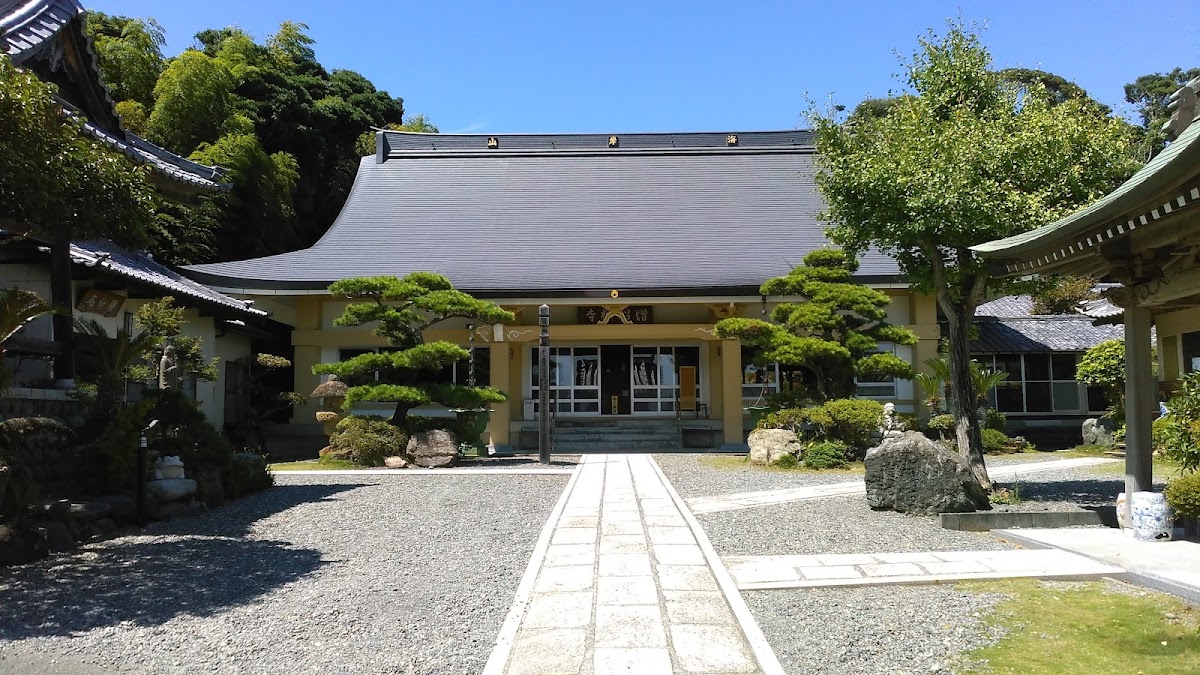
Complete Guide to Zosenji Temple (Omaezaki City, Shizuoka Prefecture) | A Thorough Explanation of Bishamonten, one of the Seven Lucky Gods of Enshu, and Historical Highlights
Located in Shiraha, Omaezaki City, Shizuoka Prefecture, Zosenji Temple is a historic Soto Zen temple dating back to the Muromachi period. It is known for enshrining Bishamonten as one of the Seven Lucky Gods of Enshu, and for possessing valuable cultural assets such as a ghost painting attributed to Maruyama Okyo and a bronze Jizo Bodhisattva statue. This article provides a detailed introduction to Zosenji Temple, including its history, highlights, visiting information, and surrounding tourist attractions.
Basic Information about Zosenji Temple
Temple Overview
Official Name: Kaiganzan Zosenji Temple
Sect: Soto Zen Buddhism
Principal Image: Shakyamuni Buddha
Address: 3105-1 Shiraha, Omaezaki City, Shizuoka Prefecture 437-1622
Phone Number: 0548-63-2374
Sacred Site: Enshu Seven Lucky Gods Sacred Site (Bishamonten)
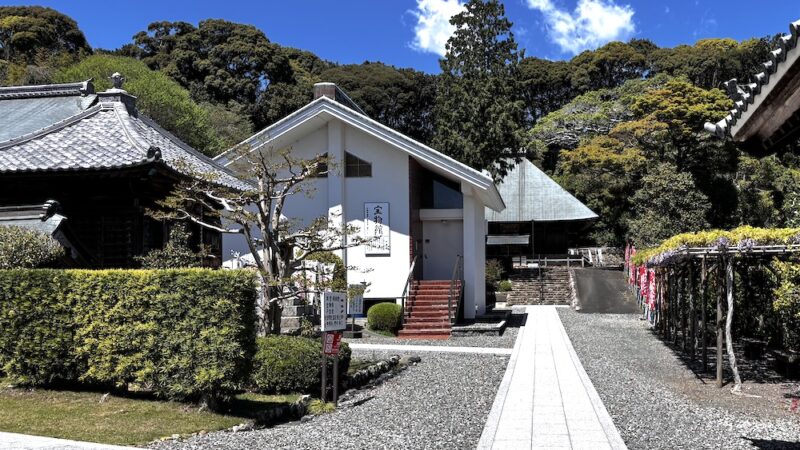
Zosenji Temple is located in the Shiraha district of Omaezaki City, at the southernmost tip of Shizuoka Prefecture, and stands close to the coastline overlooking the Pacific Ocean. The temple’s mountain name, “Kaiganzan” (Coastal Mountain), reflects this geographical feature.
Access Methods
Access by Car
- Approximately 30 minutes from the Tomei Expressway “Kikugawa IC”
- Approximately 25 minutes from the Tomei Expressway “Sagara Makinohara IC”
- Approximately 10 minutes from Omaezaki city center
- Parking: Parking space for visitors is available on the temple grounds.
Access by Public Transportation
- Approximately 40 minutes by bus from JR Tokaido Main Line “Kikugawa Station”
- Approximately 5 minutes on foot from the Shizutetsu Bus “Shiraha” bus stop.
Public transportation is limited in the Omaezaki area, so access by car is convenient. There are also tourist spots nearby, such as Omaezaki Lighthouse and Hamaoka Sand Dunes, so incorporating them into your driving route is recommended.
History of Zosenji Temple
From Founding to the Present
The history of Zosenji Temple dates back to the Muromachi period, specifically the second year of the Hōtoku era (1450). Initially, it was founded as a branch temple of the Shingon sect’s Saga Tahoin, under the name “Zōsenji.” However, it temporarily declined due to the turmoil of the Sengoku period (Warring States period).
Bunroku 2 (1593): It was re-established as a Soto Zen temple. This period was shortly after Tokugawa Ieyasu’s transfer to the Kanto region, and many temples in the Shizuoka area were rebuilt and improved.
Kanbun 6 (1666): In the early Edo period, it was renamed “Zōsenji.” Regarding the origin of this name, one theory suggests it reflects the desire to pray for the safety of fishing boats and a bountiful catch in the Shiraha district, where fishing was thriving.
Enkyō 2 (1747): It moved to its current location. This relocation created an environment that made it easier for more parishioners to visit.
Role as one of the Enshu Seven Lucky Gods Pilgrimage Sites
Masufuneji Temple is one of the “Enshu Seven Lucky Gods Pilgrimage Sites,” a group of seven temples scattered throughout the Enshu region (western Shizuoka Prefecture), and enshrines Bishamonten.
Bishamonten is another name for Tamonten, one of the Four Heavenly Kings in Buddhism. He is worshipped as a god of wealth and good fortune, and as a warrior god who wards off evil and enhances luck in competitions. The Enshu Seven Lucky Gods pilgrimage is a popular route, especially during the New Year’s visit period, attracting many worshippers.
Enshu Seven Lucky Gods Pilgrimage Sites
- Ebisu: Kasui-ji Temple (Fukuroi City)
- Daikokuten: Yuzan-ji Temple (Fukuroi City)
- Bishamonten: Zosen-ji Temple (Omaezaki City)
- Benzaiten: Io-ji Temple (Kakegawa City)
- Fukurokuju: Ryuo Shrine (Kakegawa City)
- Jurojin: Akiba-dera Temple (Kakegawa City)
- Hotei: Hosen-ji Temple (Fukuroi City)
The Seven Lucky Gods pilgrimage is popular with worshippers seeking to receive seven blessings, such as business prosperity, family safety, and longevity.
Highlights of Zosen-ji Temple
Bishamonten Hall
The Bishamonten Hall on the temple grounds houses a statue of Bishamonten, one of the Enshu Seven Lucky Gods. Bishamonten is depicted in a valiant form, holding a treasure pagoda and clad in armor. He is believed to bestow blessings upon worshippers for good fortune in competitions, wealth, and protection from evil.
Especially during the New Year’s pilgrimage, the temple is bustling with visitors on the Seven Lucky Gods tour, and lines of people seeking temple stamps (Goshuin) can form. It is believed that chanting Bishamonten’s mantra, “Om Beishiramandaya Sowaka,” while praying will bring even greater blessings.
Bronze Jizo Bodhisattva Statue
The bronze Jizo Bodhisattva statue owned by Masusenji Temple is a highly revered Buddhist statue said to grant any wish. Jizo Bodhisattva is a bodhisattva who saves all sentient beings in the six realms of existence, and is particularly revered for the protection of children, safe childbirth, and traffic safety.
This Jizo Bodhisattva statue is believed to have been created during the Edo period and is characterized by its gentle expression and exquisite craftsmanship. The unique texture of the bronze exudes a sense of profound history and gravitas.
The “Ghost Painting” attributed to Maruyama Okyo
Among the treasures of Zōsenji Temple, the most famous is the “Ghost Painting,” attributed to Maruyama Okyo (1733-1795), a painter from the mid-Edo period.
Maruyama Okyo is known as the founder of the Maruyama school, which emphasized realistic depiction, and his works are still highly regarded today. Okyo is known for painting several ghost paintings, and his work is notable for being the first to depict a ghost without legs.
The ghost painting owned by Zōsenji Temple follows this tradition, depicting a female ghost in a white kimono with a melancholic expression. This painting is associated with various legends and is said to evoke a mysterious feeling in viewers.
While usually not open to the public, it is sometimes displayed on special occasions, so it is recommended to inquire with the temple in advance.
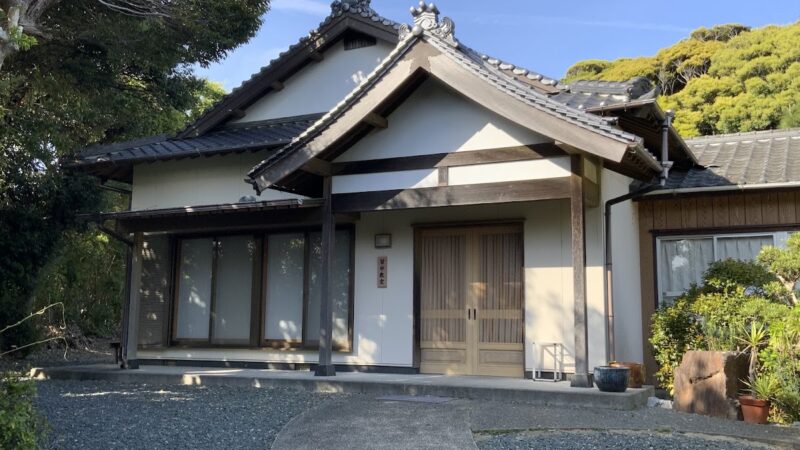
Main Hall and Temple Grounds
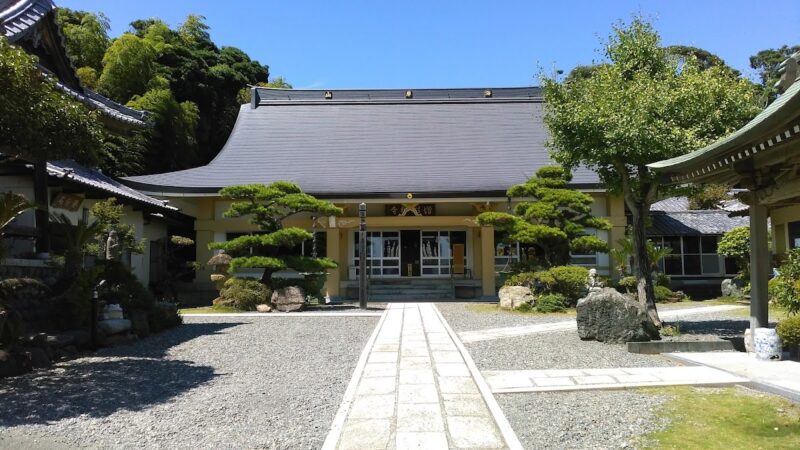
The main hall of Masusenji Temple is a typical example of a Soto Zen Buddhist temple. The inner sanctuary houses the principal image, Shakyamuni Buddha, and Zen meditation and religious services are conducted in a solemn atmosphere.
The temple grounds are meticulously maintained and display different appearances with each season. You can enjoy the beauty of nature throughout the year, from cherry blossoms in spring, to fresh greenery in early summer, and autumn leaves in fall.
The quiet and peaceful atmosphere of the temple grounds provides an ideal environment for calming your mind during your visit. It is a precious space for visitors seeking peace of mind, away from the hustle and bustle of the city.
Etiquette and Manners for Visiting a Temple
Soto Zen Worship Methods
Masusenji Temple is a Soto Zen temple, so please observe the following basic worship etiquette.
- A Bow at the Temple Gate: Before entering the temple grounds, bow at the temple gate. This is a sign of respect when entering the realm of the Buddha. 2. Purifying at the Water Basin: If there is a water basin, purify your left hand, then your right hand, and then your mouth.
- Worship at the Main Hall:
- Quietly place your offering in the offering box.
- Join your hands in prayer and bow once.
- Pray with sincerity.
- Join your hands in prayer and bow once more.
- Behavior on the Temple Grounds: Act quietly and respectfully. Refrain from loud conversations and running around.
About Goshuin (Temple Seals)
At Masufuneji Temple, you can receive a Goshuin as proof of your visit. The Goshuin of Bishamonten, one of the Seven Lucky Gods of Enshu, is particularly popular and a must-have item for visitors on the Seven Lucky Gods pilgrimage.
Points to Note When Receiving a Goshuin (Temple Stamp):
- Please request your Goshuin after completing your prayers.
- Bringing your Goshuincho (stamp book) is recommended.
- Goshuin may be pre-printed.
- The donation is generally around 300 to 500 yen.
- It’s best to call ahead to confirm, as staff may be absent.
Annual Events at Masufuji Temple
New Year (First Shrine Visit of the Year & Seven Lucky Gods Pilgrimage)
Every year from around January 1st to 7th, the temple is bustling with visitors for the first shrine visit of the year and those participating in the Enshu Seven Lucky Gods pilgrimage. Bishamonten is particularly popular as the god of good fortune in competitions and wealth, attracting many worshippers seeking blessings for the new year.
During this period, special Goshuin and lucky charms may be offered.
Spring and Autumn Equinox Services
During the Equinox period, centered around the spring and autumn equinoxes, memorial services are held for ancestors. Temple members gather to express gratitude and offer prayers for their ancestors.
Segaki Ceremony
In summer, a Segaki ceremony is held, where food and drink are offered to all hungry ghosts (those without relatives). This is an important event of the Soto Zen sect, embodying the spirit of Mahayana Buddhism, which aims to save all sentient beings.
Tourist Attractions Around Masufuji Temple
When visiting Masufuji Temple, exploring the surrounding tourist attractions will make your trip even more fulfilling.
Omaezaki Lighthouse
Located about 15 minutes by car from Masufuji Temple, the Omaezaki Lighthouse is a symbol of the southernmost tip of Shizuoka Prefecture. This historic lighthouse, first lit in 1874 (Meiji 7), is still in active use today. You can climb the lighthouse and enjoy a panoramic view of the Pacific Ocean.
Omaezaki Coast & Hamaoka Sand Dunes
Omaezaki Coast, facing the Pacific Ocean, is famous as a surfing mecca. At Hamaoka Sand Dunes, you can see beautiful sand formations created by the wind. A stroll along the coastal promenade offers magnificent ocean views.
Nabura-kan (Omaezaki City Tourism and Local Products Center)
This facility offers dishes made with Omaezaki’s seafood, such as bonito and tuna. You can also purchase fresh seafood and a wide variety of local specialties.
Shiraha Coast
The coast of the Shiraha district, where Masufuneji Temple is located, is a scenic spot with beautiful sandy beaches and pine forests. It’s bustling with people enjoying swimming in the summer, and surfing and fishing year-round. It’s also known for its beautiful sunsets, offering a romantic view.
About Omaezaki City
Omaezaki City, where Masufunaji Temple is located, is situated at the southernmost tip of Shizuoka Prefecture, centered around a cape jutting out into the Pacific Ocean.
Regional Characteristics
Fishing Town: Known for its landings of bonito and tuna, it boasts fresh seafood. In particular, the traditional method of bonito pole-and-line fishing has been passed down through generations.
Wind Power Generation: Numerous wind power generation facilities utilizing strong winds from the sea have been installed, making it known as a leading region for renewable energy.
Surfing Mecca: With consistently good waves throughout the year, surfers from all over Japan gather here.
Local Specialties and Gourmet Food
- Bonito: Fresh bonito landed at Omaezaki Port is exquisite.
- Whitebait: Raw whitebait caught in Suruga Bay is transparent and sweet.
- Melon: Melon cultivation is thriving, taking advantage of the warm climate.
- Tea: Shizuoka Prefecture is one of the leading tea-producing regions.
How to Enjoy Visiting Masusenji Temple
Recommended Visiting Plans
Half-Day Plan (Morning)
- 9:00 Visit Masusenji Temple (30 minutes to 1 hour)
- 10:00 Stroll along Shiraha Coast
- 11:30 Visit Omaezaki Lighthouse
- 12:30 Lunch at Nabura-kan
Full-Day Plan
- Morning: After visiting Masusenji Temple, visit other temples and shrines of the Enshu Seven Lucky Gods.
- Afternoon: Sightseeing tour of the Omaezaki coast area
- Evening: Sunset viewing on the coast
Photography Tips
To take great photos at Masufuji Temple, keep the following points in mind:
- Front of the Main Hall: Capture the majestic presence of the main hall from the front
- Bishamonten Hall: An important spot that conveys the atmosphere of the Enshu Seven Lucky Gods
- Seasonal Flowers in the Temple Grounds: Cherry blossoms in spring, autumn leaves, etc.
- Temple Gate: The temple gate, the entrance to the temple, makes for beautiful compositional photos
Photography Manners
- Permission may be required to take photos inside the main hall
- Please be considerate of other visitors
- Please check in advance regarding the use of tripods
Clothing and Items to Bring When Visiting
Clothing
There are no specific dress code requirements, but please dress appropriately for visiting a temple.
- Avoid revealing clothing.
- Wear shoes that are easy to put on and take off (you may need to enter the main hall).
- Prepare a hat or parasol in summer, and warm clothing in winter.
Items to Bring
- Goshuincho: Essential if you wish to receive a Goshuin (temple stamp).
- Offering: It’s convenient to have small change.
- Camera: For recording memories.
- Drinks: Hydration is especially important in summer.
Cultural Value of Masufuneji Temple
Masufuneji Temple is an important cultural property of Omaezaki City, conveying the history of the region.
Historical Value
With a long history dating back to the Muromachi period, its reconstruction during the Edo period after the wars of the Sengoku period is a valuable historical document that tells the story of this region.
Artistic Value
The temple possesses excellent Edo period artworks, such as a ghost painting attributed to Maruyama Okyo and a bronze Jizo Bodhisattva statue, which is important from the perspective of protecting local cultural properties.
Religious Value
As a sacred site of the Enshu Seven Lucky Gods, it continues to attract the faith of local people, demonstrating that it functions as a living place of worship even in modern times.
Summary: The Significance of Visiting Masufuneji Temple
Masufuneji Temple, located in Shiraha, Omaezaki City, Shizuoka Prefecture, is not merely a tourist spot, but a place of worship with a history of over 500 years. Enshrining Bishamonten, one of the Enshu Seven Lucky Gods, and housing valuable cultural assets such as a ghost painting by Maruyama Okyo and a bronze Jizo Bodhisattva statue, this temple is an important presence that conveys the history and culture of Shizuoka Prefecture.
The charm of Masufuneji Temple lies in the opportunity to spend a fulfilling time peacefully praying in Omaezaki overlooking the Pacific Ocean, receiving the blessings of Bishamonten, and experiencing the history of the region. Please visit Masufuneji Temple as part of your Enshu Seven Lucky Gods pilgrimage, or when sightseeing in Omaezaki.
Kaiganzan Masufuneji Temple will bring peace of mind and new blessings to those who visit.