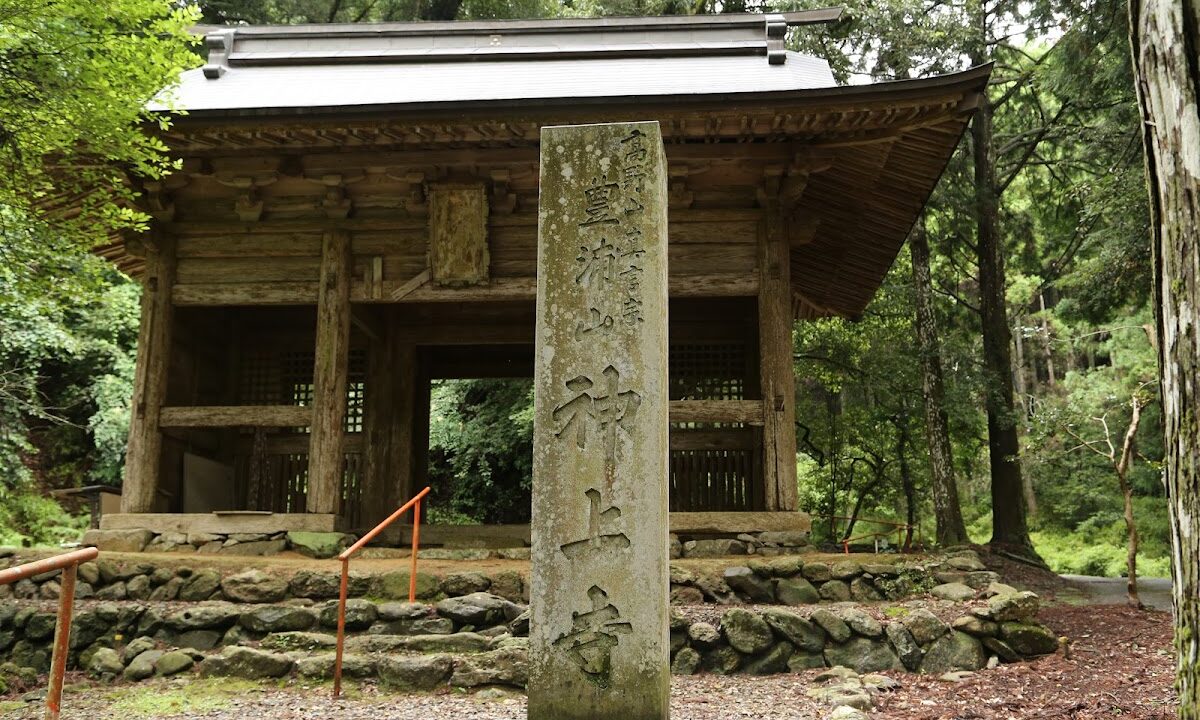
Complete Guide to Kamiageji Temple (Yamaguchi Prefecture): History, Highlights, and Access Information
Kamiageji Temple (also known as Kanjoji Temple), located in Yamaguchi Prefecture, is a temple deeply intertwined with the region’s history. This article comprehensively covers everything you need to know before visiting, from the temple’s historical background and highlights to visiting information and access methods.
Basic Information about Kamiageji Temple
Kamiageji Temple is a Buddhist temple located in Yamaguchi Prefecture, a venerable old temple cherished by local residents. Its mountain name and sect hold significant importance as a regional cultural asset and religious facility.
Location and Contact Information
When planning a visit to Kamiageji Temple, it is recommended to confirm its exact location beforehand. Many temples in Yamaguchi Prefecture are located in mountainous areas, so it’s reassuring to check the location in advance using a car navigation system or smartphone map app.
Visiting Hours and Admission Fee
Like most temples, Kamiageji Temple is primarily open for daytime visits. Many local temples do not charge an entrance fee, but donations and offerings are appreciated as they contribute to the temple’s maintenance. Since times may differ for special ceremonies and events, it is recommended to check in advance for important visits.
History and Origins of Kanjoji Temple
Background of Founding
The founding period and founder of Kanjoji Temple are thought to be deeply connected to the development of regional Buddhist culture from the medieval to early modern periods, similar to other ancient temples in Yamaguchi Prefecture. Yamaguchi Prefecture flourished as the base of the Mori clan, and many temples and shrines were built and maintained there.
Historical Changes
Many Japanese temples have experienced various historical difficulties, such as the ravages of war during the Sengoku period and the anti-Buddhist movement during the Meiji Restoration. It is presumed that Kanjoji Temple has also been affected by the waves of regional history to reach its present state.
Local temples functioned as centers of local communities, supporting the spiritual lives of residents through funerals, memorial services, and annual events. Kanjoji Temple can be said to be one such temple that has fulfilled this role.
Origin of the Temple Name
The temple name “Kamiue” may reflect the syncretic beliefs of Shinto and Buddhism, as well as the local religious practices. In Japan, Shinto and Buddhism have been intertwined since ancient times, and temple names containing the character “Kami” (神) are not uncommon. Various backgrounds are possible, such as originating from a place name or being related to a specific object of worship.
Highlights of the Temple Grounds
Main Hall
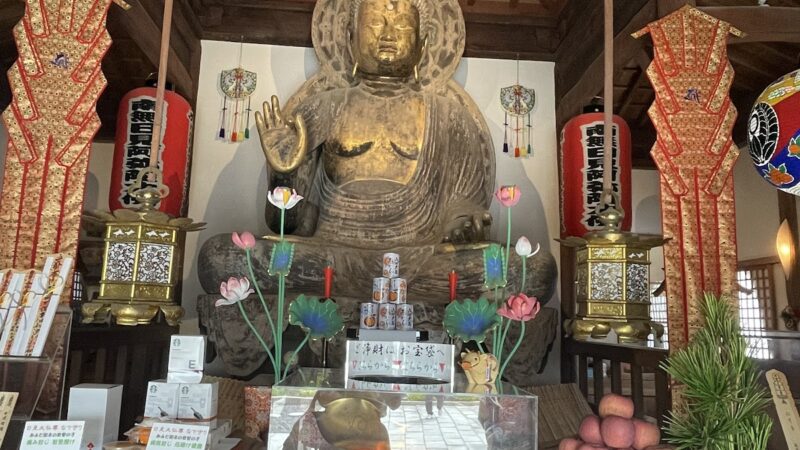
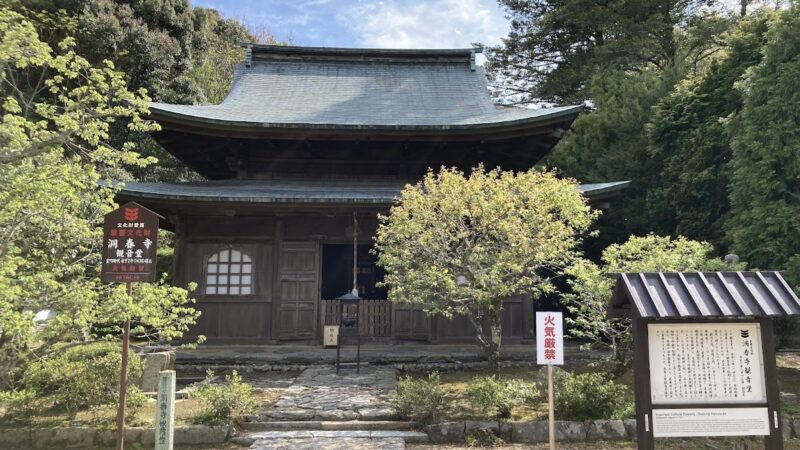
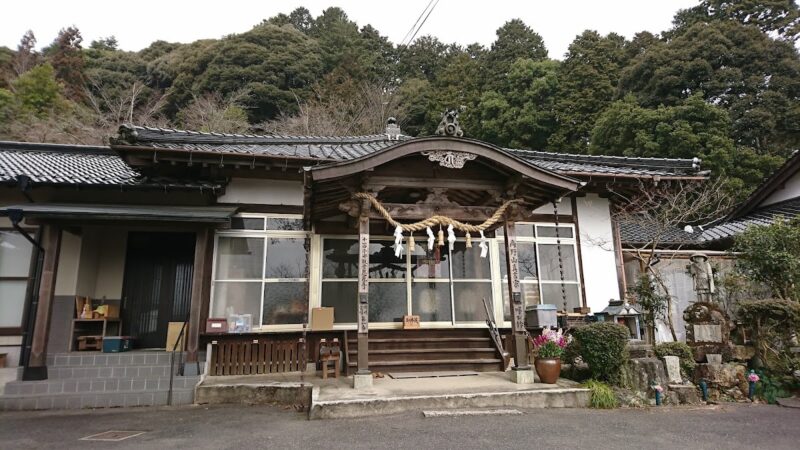
The main hall, the heart of the temple, houses the principal image of worship. The architectural style and interior decoration of the main hall reflect the history of the temple and the characteristics of its sect. Offer your prayers quietly and calm your mind.
Natural Environment of the Temple Grounds
Many temples in Yamaguchi Prefecture are surrounded by a rich natural environment. The changing scenery of the temple grounds with each season provides peace to visitors.
You can enjoy the ever-changing scenery of the four seasons: cherry blossoms and fresh greenery in spring, deep green in summer, autumn leaves in fall, and serene snowscapes in winter.
Stone Buddhas and Monuments
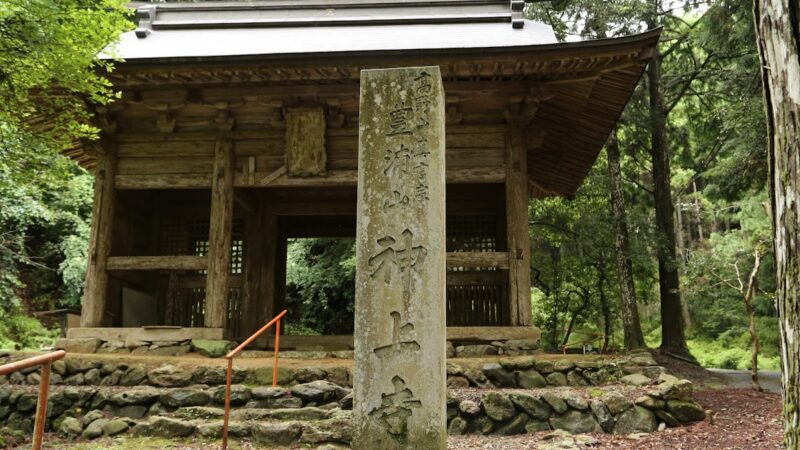
Within the temple grounds, you may find stone Buddhas and monuments that tell the story of history. These are valuable cultural assets that convey the history of local faith and the footprints of the people who were involved with the temple.
Cemetery
Like many temples, it is believed that Kanjoji Temple also has a cemetery. As the family temple of the region, it is the resting place of generations of parishioners.
Annual Events at Kanjoji Temple
Main Ceremonies and Events
Buddhist temples hold various ceremonies and events throughout the year. The main events held at typical temples include the following:
Spring Events
- Spring Equinox Memorial Service (March): An important time for ancestor worship
- Flower Festival (April 8th): A celebration of the birth of Buddha
Summer Events
- Obon Memorial Service (August): The Obon Festival to welcome the spirits of ancestors
- Segaki Memorial Service: A memorial service to appease the spirits of those who have fallen into the realm of hungry ghosts
Autumn Events
- Autumn Equinox Memorial Service (September): An important time for ancestor worship, comparable to spring
Winter Events
- New Year’s Eve Bell Ringing (December 31st): A traditional event to welcome the New Year
- Shusho-e (January): A memorial service to pray for peace in the New Year
Connections with the Community
Local temples also function as places for local cultural activities and exchanges. Many temples offer opportunities to experience Buddhist teachings through Dharma talks, sutra copying sessions, and Zen meditation sessions.
About Goshuin (Temple Seals)
Issuance of Goshuin
Collecting Goshuin has become popular in recent years, but it is necessary to check in advance whether Goshuin are issued at Kanjoji Temple. Smaller temples may not have resident monks, making it difficult to issue Goshuin.
Manners When Receiving a Goshuin
When receiving a Goshuin, please observe the following manners:
- Worship comes first: A Goshuin is proof of worship. First, respectfully offer your prayers at the main hall before requesting a Goshuin (temple stamp).
- Prepare your Goshuincho (stamp book): This is not a stamp rally, so prepare a dedicated Goshuincho.
- Appropriate time: Avoid busy times such as during religious services, early mornings, and evenings.
- Prepare your offering: Generally, 300-500 yen is appropriate; prepare the exact amount to avoid needing change.
- Express your gratitude: Use polite language and remember to express your gratitude.
Access Information
Access by Car
Many temples in Yamaguchi Prefecture are easily accessible by car. Check routes from major expressways and national roads in advance.
Estimated travel time from major cities:
- From Yamaguchi City: Varies depending on the route
- From Shimonoseki City: Varies depending on the route
- From Hiroshima City: Varies depending on the route
It is recommended to check the availability and number of parking spaces before visiting.
Access by Public Transportation
When using public transportation, you need to check the distance from the nearest train station or bus stop. Many temples in rural areas are far from stations, so consider the time required for taxis or walking.
Points to Note When Accessing
- Road Conditions: In mountainous areas, be aware of snow and ice during winter.
- Car Navigation Accuracy: Older map data may not display the correct location.
- Cell Phone Signal: Signal reception may be poor in mountainous areas, so check the map beforehand.
Nearby Tourist Attractions
Main Tourist Attractions in Yamaguchi Prefecture
When visiting Kamijoji Temple, visiting other tourist attractions in Yamaguchi Prefecture will make your trip even more fulfilling.
Historical and Cultural Sites:
- Rurikoji Five-Storied Pagoda: A beautiful five-storied pagoda designated as a National Treasure
- Hagi Castle Town: A historical townscape including components of a World Heritage Site
- Akiyoshido Cave: One of Japan’s largest limestone caves
Nature and Scenery:
- Tsunoshima Bridge: A scenic driving spot
- Akiyoshidai Plateau: Japan’s largest karst plateau
- Kintaikyo Bridge: One of Japan’s three most famous bridges
Local Specialties and Gourmet Food
When visiting Yamaguchi Prefecture, you’ll want to enjoy local specialties and gourmet food.
- Fugu (pufferfish) Cuisine: Famous as a high-class ingredient, mainly in Shimonoseki City
- Kawara Soba: A local dish served on a heated roof tile
- Natsumikan (summer orange) Products: A specialty of Hagi City
- Local Sake: Nationally famous sake such as Dassai
Manners and Etiquette for Visiting Temples
Basic Etiquette for Visiting Temples
Let’s review the basic manners for visiting temples.
Etiquette at the Temple Gate:
- Bow before entering the temple grounds.
- Step over the threshold without stepping on it.
- Walk along the edge, as the center is considered the path of Buddha.
Etiquette at the Water Basin:
- Take the ladle with your right hand and cleanse your left hand.
- Switch the ladle to your left hand and cleanse your right hand.
- Switch the ladle back to your right hand, receive water in your left hand, and rinse your mouth.
- Cleanse your left hand once more.
- Hold the ladle upright, cleanse the handle, and return it to its original position.
Worship at the Main Hall:
- Bow slightly before the offering box.
- Gently place your offering (do not throw it).
- Ring the bell if there is one.
- Join your hands in prayer and pray sincerely.
- Bow and leave.
Clothing and Belongings
There are no specific dress code requirements for visiting temples, but please dress appropriately as it is a sacred place.
- Avoid excessive exposure
- Wear clean and presentable clothing
- Wear comfortable shoes (there may be gravel paths or stairs on the temple grounds)
- Bring a hat or parasol in summer, and warm clothing in winter
Photography Etiquette
Please observe the following points when taking photographs on the temple grounds:
- Do not take photographs in areas where photography is prohibited
- Photography is generally prohibited inside the main hall
- Be considerate of other worshippers and religious ceremonies
- Check the temple’s policy before posting on social media
Things to Know Before Visiting Kanjoji Temple
Best Time to Visit
Yamaguchi Prefecture has a relatively mild climate, but each season offers its own unique charm.
Spring (March-May):
- The temple grounds are vibrant with cherry blossoms.
- The weather is mild, making it ideal for visiting.
- Those with hay fever should take precautions.
Summer (June-August):
- A beautiful season with fresh greenery.
- Taking precautions against the heat and staying hydrated are important.
- Don’t forget insect repellent.
Autumn (September-November):
- A time when the autumn leaves are beautiful.
- The weather is pleasant, making it ideal for sightseeing.
- It may be crowded due to its popularity.
Winter (December-February):
- Enjoy a tranquil atmosphere.
- Dress warmly.
- Be careful of your footing if there is snow.
Estimated Time Required
While it depends on the size of the temple grounds, the general time required for a temple visit is as follows:
- Brief visit only: 15-30 minutes
- Thorough exploration of the temple grounds: 30 minutes to 1 hour
- Including a stroll around the surrounding area: 1-2 hours
Accessibility Information
Older temples often have many steps and stairs, making them difficult to access with wheelchairs or strollers. It is recommended to inquire with the temple in advance.
The Significance of Temple Visits
Seeking Peace of Mind
In modern society, we need time to escape from the busyness and stress of daily life. Temple visits offer a valuable opportunity to find such peace of mind.
The time spent praying in the quiet temple grounds and reflecting on oneself can be a catalyst for resetting one’s mind and gaining new vitality.
Experiencing History and Culture
Temples are not merely religious facilities, but important places that convey the history and culture of the region. Various cultural elements, such as architecture, art, literature, and philosophy, are condensed within them.
By visiting Kanjoji Temple, you can experience a part of the history and culture of Yamaguchi Prefecture, as well as Japanese Buddhist culture.
Gratitude to Ancestors
Visiting a temple is also an opportunity to express gratitude to one’s ancestors. Our present existence is a result of the continuous lineage of life passed down from our ancestors.
Quietly joining our hands in prayer and offering feelings of gratitude and remembrance to our ancestors is a crucial act that forms the core of the Japanese spirit.
Summary
Kamikami-ji Temple is a valuable temple that conveys the history and culture of Yamaguchi Prefecture to the present day. As a temple deeply rooted in the community, it has attracted the faith of people for many years.
When visiting, please check the basic information and access methods in advance and observe appropriate manners during your visit. You will be able to calm your mind in the tranquil temple grounds and spend a precious time experiencing traditional Japanese culture.
Besides Kamikami-ji Temple, Yamaguchi Prefecture has many other historical temples, shrines, and tourist spots. Please take your time to fully enjoy the charm of Yamaguchi Prefecture.
We hope that you will gain peace of mind and new insights through your temple visit.