Complete Guide to Choju-ji Temple (Nuke-dera) | All About its History and Legend of Breaking Up in Iwakuni City, Yamaguchi Prefecture
Located in Iwakuni City, Yamaguchi Prefecture, Choju-ji Temple is a historic temple known by its unique nickname, “Nuke-dera” (Escape Temple). This temple has an intriguing legend dating back to the Edo period, and even today, it attracts many visitors. This article provides a detailed overview of Choju-ji Temple, including its history, the origin of its nickname, how to visit, and access information.
What is Choju-ji Temple (Nuke-dera)?
Choju-ji Temple is located in Kuga-cho, Iwakuni City, Yamaguchi Prefecture, and is affectionately known locally as “Nuke-dera.” While its official name is Choju-ji Temple, the name “Nuke-dera” became established due to its unique role during the Edo period.
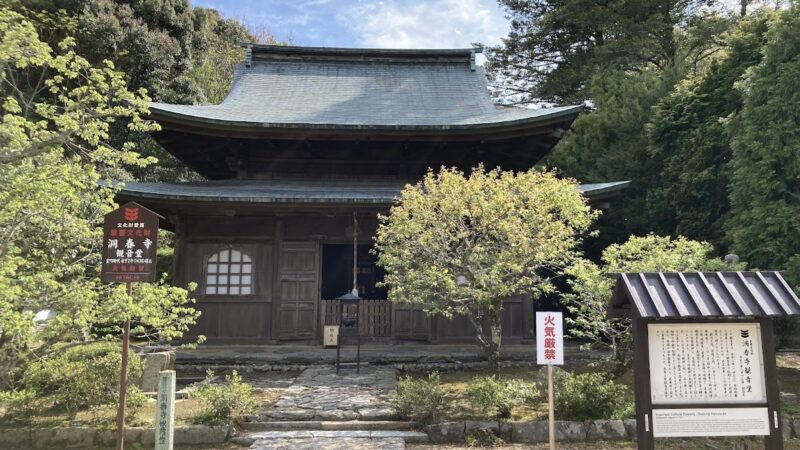
Nestled in a quiet mountainous area, this temple is characterized by its serene appearance that harmonizes with the surrounding natural environment. The temple grounds feature old stone steps and moss-covered stone Buddha statues, creating an atmosphere that evokes a long history.
The Origin and History of the Name “Nuke-dera” (Escape Temple)
Role as a Temple for Ending Marriages in the Edo Period
The background to Choju-ji Temple being called a “Nuke-dera” (Escape Temple) is deeply intertwined with the social system of the Edo period. During the Edo period, it was extremely difficult for women to initiate divorce proceedings. However, a system existed that allowed women to “escape” their marital relationships by seeking refuge in specific temples.
Choju-ji Temple is believed to have served as a “divorce temple” and “refuge temple” in this region, becoming a last resort for women suffering in their relationships with their husbands. It is said that a woman’s formal divorce was established after staying at this temple for a certain period.
The Position of Choju-ji Temple in the Region
Within the territory of the Iwakuni Domain, Choju-ji Temple had a social function beyond that of a mere religious institution. It played an important role in protecting women in vulnerable positions within the strict social hierarchy and family system of the time.
Due to this historical background, Choju-ji Temple is recognized not only as an ancient temple but also as a valuable cultural heritage site that conveys the history of women’s human rights and social systems.
Highlights of Choju-ji Temple’s Architecture and Grounds
Main Hall and Main Buildings
The main hall of Choju-ji Temple maintains a traditional Japanese architectural style, possessing a simple yet dignified design. While the building has undergone several restorations, its basic structure retains its ancient form.
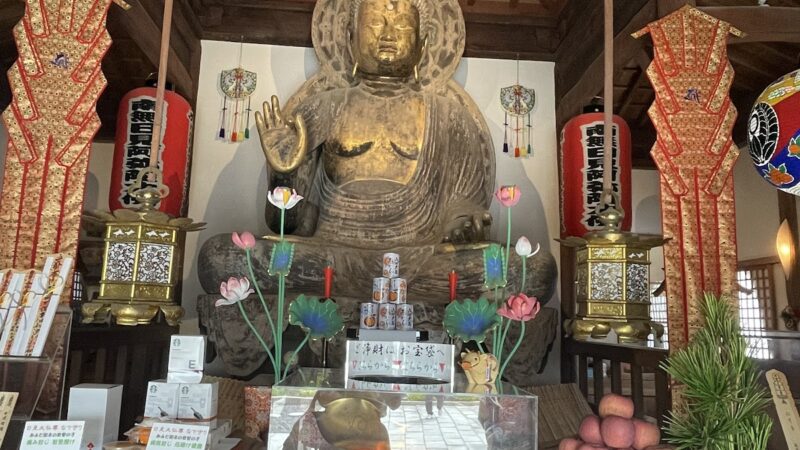
The main hall houses the principal image of worship, allowing visitors to quietly offer their prayers. The atmosphere within the hall is solemn, providing peace of mind to visitors.
Stone Structures and Nature on the Temple Grounds
The temple grounds are dotted with old stone steps and stone Buddha statues, their weathered appearance reflecting the weight of history. The moss-covered stone steps of the approach to the temple, in particular, create a beautiful landscape harmonizing with the changing seasons.
With cherry blossoms in spring, lush greenery in summer, vibrant autumn leaves, and snowscapes in winter, the temple grounds display different expressions with each season, making it a popular spot for photography enthusiasts.
Points and Etiquette for Visiting the Temple
Basic Method of Visiting
When visiting Choju-ji Temple, follow the general etiquette for visiting temples.
- Bow before passing through the temple gate.
- Cleanse your hands and mouth at the water basin.
- Join your hands in prayer in front of the main hall and pray quietly.
- Be quiet while viewing the temple grounds.
- Bow again at the temple gate when leaving.
While there are no specific prescribed methods of visiting, it is important to understand the historical background of this temple and visit with respect.
Prayers for Severing and Forming Relationships
Due to its history as a “temple for escaping,” people still visit today with the wish to sever bad relationships and start a new life. However, Choju-ji Temple is revered not only for severing bad relationships, but also for forming good relationships after severing bad ones.
It is a place of spiritual support for people struggling with relationship problems, breaking bad habits, and wishing to make a fresh start.
Access and Surrounding Area Information
Access by Car
Choju-ji Temple is most easily accessible by car.
- Approximately 10 minutes from the Sanyo Expressway “Kuga IC”
- Approximately 20 minutes from the center of Iwakuni City
- Parking: Several parking spaces are available near the temple grounds.
Searching for “Choju-ji Temple, Iwakuni City, Kuga-cho” or “Nukedera” on your car navigation system may display the temple. However, some surrounding roads are narrow, so please drive carefully.
Access by Public Transportation
If using public transportation:
- Get off at JR Gantoku Line “Kuga Station,” then approximately 30 minutes on foot or 5 minutes by taxi.
- Since the number of bus services is limited, it is recommended to check the timetable in advance.
Public transportation access is somewhat inconvenient, so using a car is recommended if possible.
Nearby Tourist Attractions
When visiting Choju-ji Temple, you can also visit nearby tourist attractions.
Kintaikyo Bridge
A representative tourist attraction of Iwakuni City and one of Japan’s three most famous bridges. Located about 20 minutes by car from Choju-ji Temple, this beautiful wooden arch bridge is a must-see.
Iwakuni Castle
A reconstructed castle tower stands on a mountaintop near Kintaikyo Bridge. It offers magnificent views, overlooking the city of Iwakuni.
Kikko Park
A vast park located at the foot of Kintaikyo Bridge. Known for its cherry blossoms and autumn leaves, it’s perfect for a stroll.
Notes and Manners for Visitors
Clothing and Items to Bring When Visiting
Since Choju-ji Temple is located in a mountainous area, please note the following:
- Wear comfortable shoes (there are stone steps)
- Dress appropriately for the season (insect repellent in summer, warm clothing in winter)
- Bring your own drinking water (there are few vending machines in the area)
Photography
Photography of the temple grounds is generally permitted, but please observe the following manners.
- Please refrain from taking photos inside the main hall.
- Please be considerate of other visitors.
- Use of a tripod is at your discretion, depending on the surrounding circumstances.
- When posting on social media, please be considerate of the characteristics of the location.
Visiting Hours and Admission Fee
While Choju-ji Temple is generally open to visitors, please note the following:
- Visiting Hours: Daytime hours are recommended.
- Admission Fee: Generally free (offerings are optional).
- Goshuin (temple stamp): May not be available, so prior confirmation is recommended.
Annual Events and Seasonal Highlights of Choju-ji Temple
Spring (March-May)
In spring, the cherry blossoms in the temple grounds are in full bloom. Somei Yoshino and mountain cherry trees adorn the stone steps and main hall, delighting visitors. The best time to see them is often in early April, and it is a beloved, quiet cherry blossom viewing spot for locals.
In the season of fresh greenery, the surrounding mountains are dyed a vibrant green, allowing visitors to pray in refreshing air.
Summer (June-August)
In summer, Choju-ji Temple is enveloped in lush greenery, creating a cool and refreshing atmosphere. The temple grounds, filled with the sound of cicadas, offer a tranquil escape from the hustle and bustle of the city.
During the rainy season, the moss shines beautifully, and the temple grounds are particularly picturesque after the rain. However, insect repellent is essential.
Autumn (September-November)
Autumn is one of the most beautiful seasons for Choju-ji Temple. The temple grounds and surrounding mountains are adorned with autumn leaves, creating a magnificent landscape of red and yellow gradients.
The peak season for autumn leaves is from mid- to late November, attracting many worshippers and photography enthusiasts. Visiting in the quiet morning hours allows you to experience an even more mystical atmosphere.
Winter (December-February)
In winter, Choju-ji Temple is sometimes covered in snow, creating a fantastical landscape. With fewer visitors, it’s a season to enjoy a peaceful and tranquil visit to the temple grounds.
Although the cold is severe, visiting the temple in the crisp air offers a refreshing and cleansing experience for the soul.
Legends and Anecdotes Related to Choju-ji Temple
The Legend of Women’s Refuge
During the Edo period, it is said that many women sought refuge at Choju-ji Temple. Women suffering for various reasons—such as domestic violence, conflict with mothers-in-law, and unwanted marriages—reached this temple as their last hope.
According to tradition, once a woman entered the temple gates, even if her husband pursued her, he could not enter the grounds, and the temple protected her. It is said that after spending a certain period (usually three years) at the temple, the divorce was formally established.
Significance in Modern Times
This legend of the “escape temple” is not merely an old tale; it contains an important message that resonates even today. This temple quietly continues to speak of the courage to escape difficult situations, the determination to start a new life, and the importance of a social system that protects the vulnerable.
The Charm of Choju-ji Temple as Told by Locals
A Space of Tranquility and Healing
For locals, Choju-ji Temple is a spiritual haven. Many regularly visit, seeking a place to escape the hustle and bustle of everyday life and quietly reflect on themselves.
Many say that visiting during life-changing moments or when facing difficulties brings a sense of calm and a positive outlook.
Seasonal Expressions
One of the charms of Choju-ji Temple is that it displays completely different expressions with each season. There are new discoveries with every visit, making it easy to understand why so many people are repeat visitors.
Among local photography enthusiasts, Choju-ji Temple is known as a hidden photography spot, and the temple grounds, especially when bathed in the early morning light, possess a fantastical beauty.
A Model Course for Visiting Choju-ji Temple
Half-Day Course (Focusing on Choju-ji Temple)
10:00 AM: Arrival at Choju-ji Temple
Park your car in the parking lot and first take in the atmosphere of the entire temple grounds.
10:15 AM: Temple Visit
Purify yourself at the water basin and quietly pray at the main hall. Enjoy the stone Buddha statues and nature while strolling through the temple grounds.
11:00 AM: Exploring the Surrounding Area
Stroll along the nature trails around the temple. Observe seasonal flowers and wild birds.
Noon: Lunch
Enjoy local cuisine in Kuga town or Iwakuni city.
One-Day Course (Including Iwakuni Sightseeing)
9:00 AM: Visit to Choju-ji Temple
Pray at the temple in the quiet morning hours.
11:00 AM: Travel to Iwakuni City
Arrive at the Kintaikyo Bridge area in approximately 20 minutes by car.
Noon: Lunch near Kintaikyo Bridge
Enjoy Iwakuni sushi and local cuisine.
1:00 PM: Visit Kintaikyo Bridge
Cross Kintaikyo Bridge, one of Japan’s three most famous bridges, and enjoy taking photos.
2:00 PM: Ascent to Iwakuni Castle
Take the ropeway to the mountaintop. Enjoy panoramic views of the city from Iwakuni Castle.
4:00 PM: Stroll through Kikkō Park
Enjoy a leisurely stroll while admiring the seasonal flowers.
Voices of Visitors to Choju-ji Temple
I Was Able to Find Peace of Mind
“I visited during a time when I was troubled by interpersonal relationships. As I prayed in the quiet temple grounds, my mind naturally calmed down, and I felt more positive. Learning about its history as a ‘refuge temple’ gave me the courage to break bad ties.” (Woman in her 30s)
I Felt the Weight of History
“I was moved by the history of women in the Edo period who sought refuge in this temple, placing their hopes in it. I deeply felt the significance of having such a place in such a harsh era, unimaginable in modern times.” (Man in his 40s)
Beautiful Harmony with Nature
“I visited during the autumn foliage season, and the autumn leaves in the temple grounds were truly beautiful. The quiet atmosphere, unspoiled by tourism, left a lasting impression. I would like to visit again in a different season.” (Woman in her 50s)
Gourmet Information Around Choju-ji Temple
Iwakuni Sushi
If you visit Iwakuni, you absolutely must try “Iwakuni Sushi.” Also known as “Lord’s Sushi,” this local dish is a type of pressed sushi made by layering vinegared rice and ingredients in a large wooden mold and pressing it down.
Several restaurants serving Iwakuni sushi can be found around Kintaikyo Bridge, allowing you to enjoy the traditional taste.
Local Soba Restaurants
Several soba restaurants, beloved by locals, are located around Kuga Town. The handmade soba noodles are fragrant and perfect for a meal after visiting Choju-ji Temple.
Seasonal Wild Vegetable Dishes
From spring to early summer, some restaurants offer dishes using wild vegetables foraged in the surrounding area. Enjoy the unique flavors of the local area.
Mindset for Visiting Choju-ji Temple
Respect for History
When visiting Choju-ji Temple, it’s important to understand its historical background and cultural significance, rather than simply viewing it as a tourist spot. Reflecting on the suffering and hopes of women in the Edo period, and the role the temple played in supporting them, will lead to a deeper experience.
Maintaining Tranquility
The temple grounds maintain a quiet atmosphere. Please refrain from loud conversations and noisy behavior, and be considerate of other visitors.
Protection of the Natural Environment
Around Choju-ji Temple, where a beautiful natural environment is preserved, it is important to observe basic manners such as taking your trash with you and refraining from collecting plants.
Summary: The Charm of Choju-ji Temple (Nuke-dera)
Choju-ji Temple in Iwakuni City, Yamaguchi Prefecture, is a valuable cultural heritage site with a unique history as a “Nuke-dera” (a temple for ending relationships). Its role as a temple for ending relationships during the Edo period, its beautiful natural environment, the scenery of the four seasons, and the tranquil atmosphere of the temple grounds provide visitors with deep emotion and peace of mind.
Even in modern times, Choju-ji Temple holds special meaning for people who wish to break bad relationships and start a new life, people interested in history, and people who want to calm their minds in quiet nature.
When visiting Iwakuni, please be sure to visit this historic Choju-ji Temple in addition to famous tourist spots such as Kintaikyo Bridge and Iwakuni Castle. It will surely be a memorable experience.
When you visit, please show respect for history and cherish the time to quietly reflect on yourself. In the tranquil atmosphere of Choju-ji Temple, you will surely gain new insights and find peace of mind.