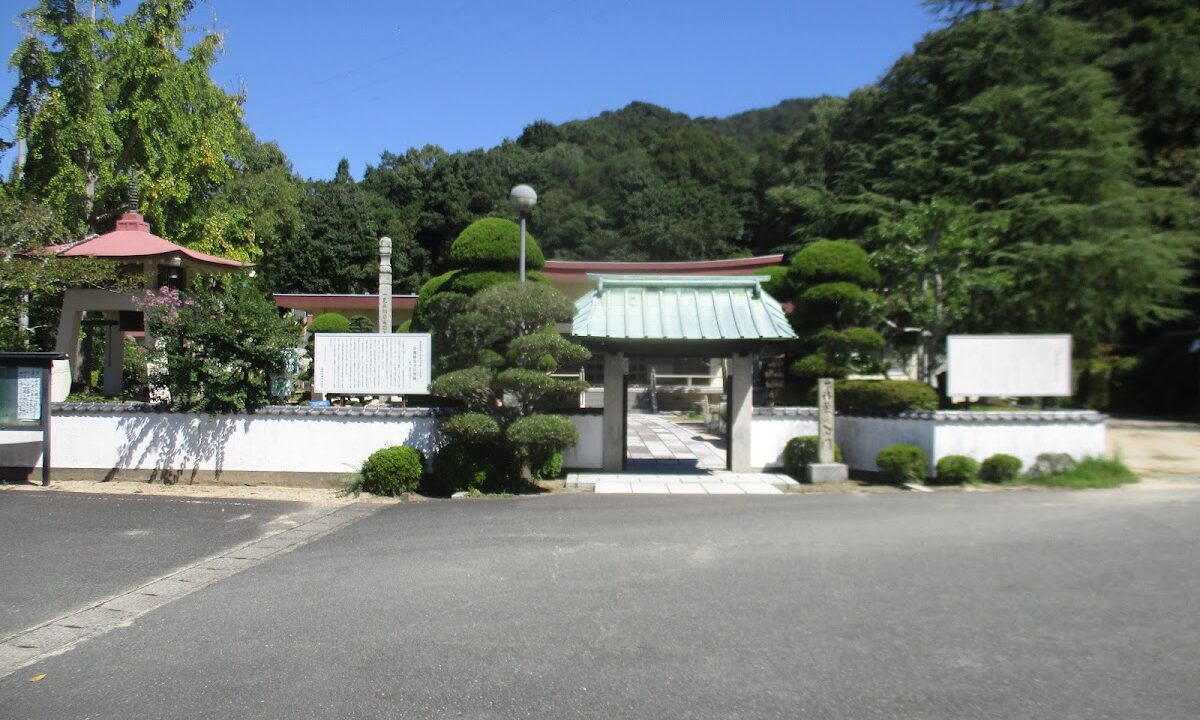
Iwabuchiyama Kannonji Temple (Hofu City, Yamaguchi Prefecture) Complete Guide | An Ancient Temple Associated with Kobo Daishi Kukai, Known for Prayers for Safe Childbirth
Located in Daido, Hofu City, Yamaguchi Prefecture, Iwabuchiyama Kannonji Temple is a Soto Zen Buddhist temple affectionately known as “Iwabuchi Kannon.” It is said to have been founded in 808 AD by Kobo Daishi Kukai, boasting a history of over 1200 years. It has long been a sacred site for prayers for safe childbirth, child-rearing, and conception, attracting deep faith from people in the surrounding area.
History and Origin of Iwabuchiyama Kannonji Temple
Founded by Kobo Daishi Kukai
The founding of Iwabuchiyama Kannonji Temple dates back to 808 AD. An episode from when Kobo Daishi Kukai visited this area during his travels throughout the country is said to be the origin of its founding. It is said that Kukai was deeply moved by the strangely shaped rocks cascading down the mountainside and the beautiful scenery of the Seto Inland Sea, and decided to establish this place as a sacred site.
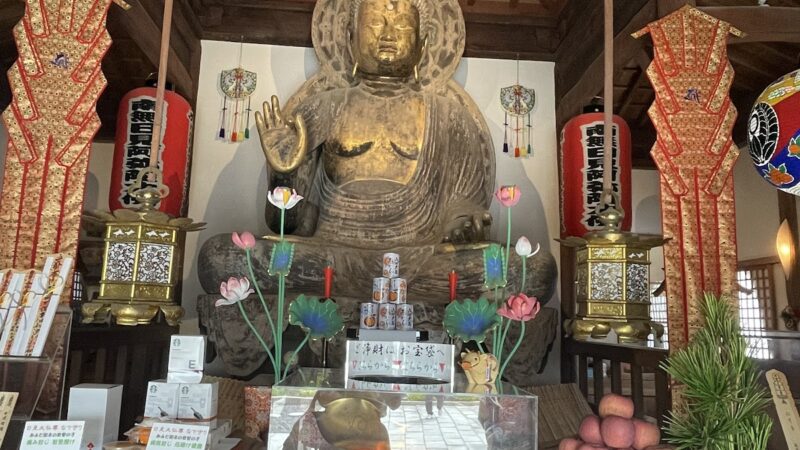
In the Kannon Hall on the mountainside, the Koyasu Kannon Bodhisattva, consecrated by the Great Master, was enshrined as the principal image. This Kannon is believed to grant blessings for safe childbirth, child-rearing, and fertility, and continues to attract many worshippers to this day.
Development as a Kannon Pilgrimage Site in Suo Province
During the Muromachi period, it was designated as the 26th Kannon pilgrimage site in Suo Province by Ouchi Hiroyoshi Ason. As one of the 33 Kannon pilgrimage sites in Suo Province, it became an important sacred site visited by pilgrims and developed into a center of faith in the region.
The Ouchi clan was a powerful daimyo who ruled Suo Province and also focused on promoting culture, so it is thought that Kannon-ji Temple prospered under the patronage of the Ouchi clan.
The Temple’s History as a Soto Zen Temple
Currently, Iwabuchiyama Kannonji Temple belongs to the Soto Zen sect, upholding Zen teachings and serving as a spiritual haven for the local community. Its history, from its founding as a Shingon Buddhist temple by Kobo Daishi Kukai to its eventual transformation into a Soto Zen temple, is a fascinating example illustrating the sectarian changes in Japanese Buddhism.
The Benefits of the Principal Image, Koyasu Kannon Bodhisattva
Deeply Faithful for Prayers for Safe Childbirth, Child-Rearing, and Conception
The most distinctive feature of Iwabuchiyama Kannonji Temple is its long-standing reputation as a sacred site for prayers for safe childbirth, child-rearing, and conception, attracting deep faith from people of all ages in the surrounding area. The Koyasu Kannon Bodhisattva, enshrined in the Kannon Hall on the mountainside, receives fervent devotion from a wide range of people, including pregnant women and their families, couples hoping to conceive, and parents raising children.
About Koyasu Kannon Bodhisattva
Koyasu Kannon Bodhisattva is one of the manifestations of Kannon Bodhisattva and is known as a Buddha who protects safe childbirth and child-rearing. Kannon Bodhisattva is said to transform into 33 forms to relieve the suffering of all sentient beings, and Koyasu Kannon is particularly devoted to watching over the safety and healthy growth of mothers and children.
This Kannon statue, said to have been consecrated by Kobo Daishi Kukai himself, has received the wishes of many people and bestowed blessings for over 1200 years.
Prayers and Offerings
At Iwabuchiyama Kannonji Temple, various prayers are accepted in the main hall. For prayers for safe childbirth, maternity belts are also offered, and many pregnant women visit on the Day of the Dog (Inu no Hi). In addition, amulets, talismans, and votive tablets are also offered, providing various forms of worship to suit individual wishes.
For inquiries regarding prayers and memorial services, please call (0835-32-1900, reception hours 9:00 AM – 4:00 PM).
Highlights of the Temple Grounds
Kannon Hall on the Mountainside
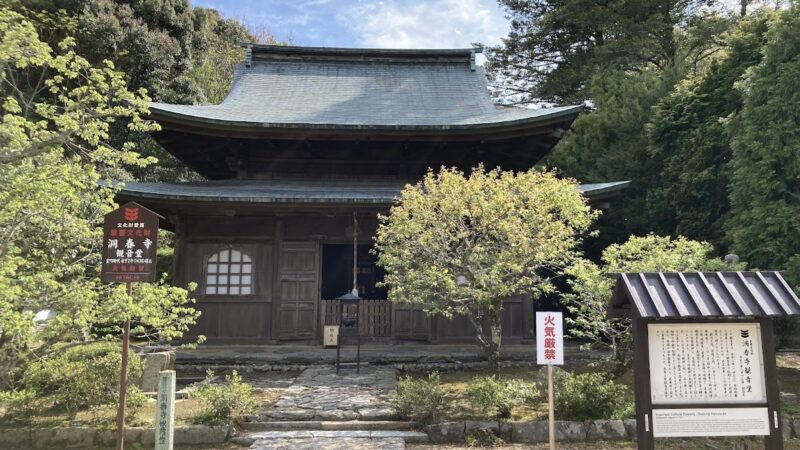
The most important building at Iwabuchiyama Kannonji Temple is the Kannon Hall, located on the mountainside. The principal image, the Koyasu Kannon Bodhisattva, is enshrined here. While usually closed, it is opened on special days such as temple festivals, allowing for direct viewing.
The path to the Kannon Hall winds through the strangely shaped rocks of the mountainside, creating a sacred atmosphere where the pilgrimage itself becomes part of the spiritual practice. We can experience the landscape of these unique rock formations that impressed Kobo Daishi Kukai.
Main Hall and Temple Facilities
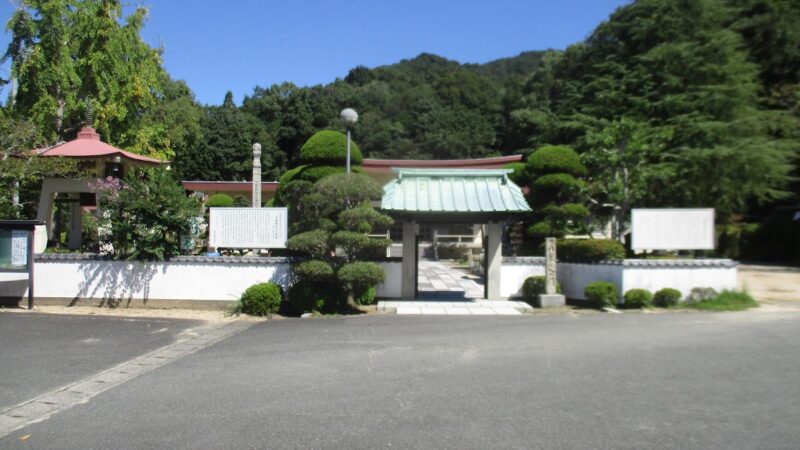
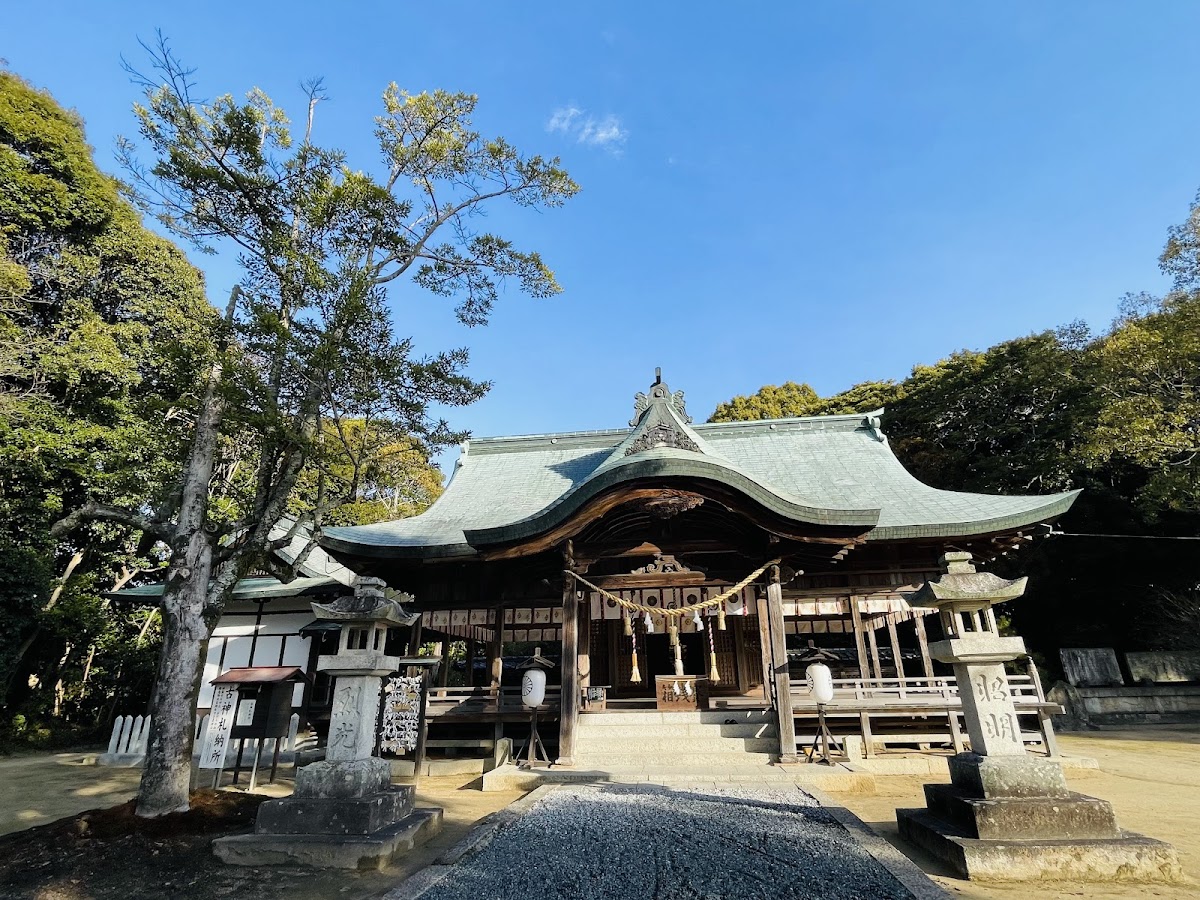
The main hall is located at the foot of the mountain, where daily prayers and memorial services are held. The main hall has a tranquil atmosphere typical of a Soto Zen temple, providing a space for quiet meditation.
The temple grounds include a bell tower and living quarters, fully equipped with the functions of a temple.
Thirty-Three Kannon Cliffside Buddhas
Within the grounds of Iwabuchiyama Kannonji Temple are thirty-three Kannon cliffside Buddhas. Cliffside Buddhas are Buddhist statues directly carved into natural rock faces and boulders. These cliffside Buddhas, created using the unique rock formations of Iwabuchiyama, possess high artistic and religious value.
The thirty-three Kannon represent the thirty-three transformations of Kannon Bodhisattva. Pilgrims can symbolically complete a pilgrimage to the thirty-three Kannon pilgrimage sites of Suo Province by visiting these cliffside Buddhas. Strolling through the grounds while searching for the cliffside Buddhas scattered across the mountainside is one of the pleasures of visiting the temple.
View of the Seto Inland Sea
Because Iwabuchiyama Kannonji Temple is located on the side of a small mountain, the temple grounds offer beautiful views of the Seto Inland Sea. The Seto Inland Sea landscape, which is said to have deeply moved Kobo Daishi Kukai, continues to soothe the hearts of visitors with its unchanging beauty.
Especially on sunny days, the calm surface of the Seto Inland Sea sparkles, and the scenery of islands floating in the water is breathtaking. The seascape, which shows different expressions depending on the season, is also a major attraction of Iwabuchiyama Kannonji Temple.
Cultural Properties in the Collection
Temple Bell (Hofu City Designated Cultural Property)
The temple bell owned by Iwabuchiyama Kannonji Temple is a designated cultural property of Hofu City. This bell was cast in 1642 (Kanei 19) by the wife of Kikkawa Hiromasa, the lord of Iwakuni Domain (the eldest daughter of Mori Terumoto), and donated to Kannonji Temple along with the bell tower.
It is a medium-sized temple bell, 104.2 cm in total height and 60.2 cm in diameter, and is adorned with a variety of patterns. Of particular note are the statues of Kobo Daishi holding prayer beads and a vajra in the upper section of the bell, and the flying celestial beings in the section between the nipples. These decorations enhance the artistry of the bell and speak of its deep connection to Kobo Daishi Kukai.
It is carefully preserved as a valuable cultural asset that conveys the casting techniques and designs of the early Edo period.
Other Temple Treasures
Besides the bell, Iwabuchiyama Kannonji Temple possesses a variety of temple treasures accumulated over its long history. These include Buddhist statues, paintings, and ancient documents, which are considered important materials for studying the Buddhist history of Suo Province.
Annual Events and Festivals
Summer Festival
The most representative event at Iwabuchiyama Kannonji Temple is the “Summer Festival.” During this festival, the Kannon Hall on the mountain, which is usually closed, is opened, allowing visitors to directly view the principal image, the Koyasu Kannon Bodhisattva.
At the main hall, amulets, talismans, maternity belts, and votive tablets are distributed, and prayers and memorial services are accepted for child-rearing, safe childbirth, fertility, and various other wishes. It is a lively place bustling with many worshippers and has become a summer tradition in the region.
Other Annual Events
As a Soto Zen temple, traditional Buddhist annual events such as the spring and autumn equinox services and the Obon memorial service are also held. Monthly temple fairs and regular memorial services are also held, supporting the religious lives of the local people.
For detailed event schedules, please contact the temple directly.
As the 26th Temple of the Suo Province Thirty-Three Kannon Pilgrimage
About the Suo Province Thirty-Three Kannon Pilgrimage
The Suo Province Thirty-Three Kannon Pilgrimage is a pilgrimage route visiting thirty-three Kannon temples scattered throughout the eastern part of present-day Yamaguchi Prefecture (formerly Suo Province). Thirty-three temples were selected, in keeping with the thirty-three transformations of Kannon Bodhisattva, and have been visited by many pilgrims since ancient times.
Iwabuchiyama Kannonji Temple, as the 26th temple on this pilgrimage, plays an important role in this sacred site.
The Significance of the Pilgrimage
A pilgrimage to the Kannon temples is not merely sightseeing; it is a spiritual journey for self-reflection and finding inner peace. By receiving a temple stamp at each temple and offering prayers to Kannon, one can enjoy a quiet time away from the hustle and bustle of everyday life.
Iwabuchiyama Kannonji Temple also offers temple stamps to pilgrims. When visiting the thirty-three Kannon temples of Suo Province, please be sure to stop by Iwabuchiyama Kannonji Temple.
Detailed Information
Basic Information
Temple Name: Iwabuchiyama Kannonji
Common Name: Iwabuchi Kannon
Sect: Soto Zen
Principal Image: Koyasu Kannon Bodhisattva
Founding: 808 (Daido 3)
Founder: Kobo Daishi Kukai
Pilgrimage Site: 26th of the 33 Kannon Pilgrimage Sites of Suo Province
Address: Daido, Hofu City, Yamaguchi Prefecture
Telephone: 0835-32-1900 (Reception hours: 9:00-16:00)
Visiting Hours: 9:00-16:00 (Kannon Hall is usually closed to the public, but opens on festival days, etc.)
Admission Fee: Free (Prayers are charged separately)
Parking: Available ### Access Information
Access by Train:
- From JR Sanyo Main Line “Daido Station” (on foot or by taxi)
- From JR Sanyo Main Line “Hofu Station” (by bus or taxi)
Access by Car:
- Approximately 15-20 minutes by car from Sanyo Expressway “Hofu East IC” or “Hofu West IC”
- Accessible via Prefectural Road from National Route 2
For detailed directions, please enter “Iwabuchiyama Kannonji” or the phone number into your car navigation system, or contact the temple in advance.
Notes for Visitors
- You will need to climb stairs to reach the Kannon Hall on the mountainside. Please wear comfortable shoes.
- The Kannon Hall is usually closed to the public. If you wish to view the interior, please check the opening days, such as festival days.
- If you wish to receive prayers, it is recommended to make a reservation by phone in advance.
- The temple grounds are a sacred place. Please visit quietly and be considerate of other visitors.
Nearby Tourist Attractions
Hofu Tenmangu Shrine
Hofu Tenmangu Shrine, a representative tourist spot in Hofu City, is a shrine dedicated to Sugawara no Michizane, the god of learning. Considered one of Japan’s three great Tenjin shrines, it is bustling with many worshippers during exam season. It is relatively close to Iwabuchiyama Kannonji Temple, making a combined visit recommended.
Mori Family Garden and Mori Museum
The Mori Family Garden, designated a national scenic spot, is a Japanese garden built on the site of the main residence of the Mori family, lords of the Choshu Domain. The adjacent Mori Museum allows visitors to view valuable cultural artifacts passed down through the Mori family.
Hofu City Community Station “Umeterrace”
This is a tourist exchange facility where you can enjoy Hofu City’s specialty products and local gourmet food. It’s convenient for gathering information and taking a break, serving as a base for Hofu sightseeing.
Amida-ji Temple (Hydrangea Temple)
Amida-ji Temple, known as the “Hydrangea Temple of the West,” is adorned with approximately 4,000 hydrangea plants of about 80 varieties during the rainy season. It’s a temple where you can enjoy different beauty depending on the season.
The Significance of Visiting Iwabuchi-san Kannon-ji Temple
Iwabuchi-san Kannon-ji Temple is an ancient temple with a history of over 1200 years, yet it remains a place of faith deeply rooted in the lives of the local people. Known for its blessings related to important life milestones such as safe childbirth, child-rearing, and conception, it has watched over the happiness of many families.
The strangely shaped rocks on the mountainside and the scenery of the Seto Inland Sea, which are said to have impressed Kobo Daishi Kukai, still welcome us with their unchanging beauty today. By leaving the hustle and bustle of everyday life and quietly offering prayers to Kannon, you can gain inner peace and renewed strength.
This temple is a must-visit for expectant mothers, those raising children, those hoping to conceive, as well as those undertaking the pilgrimage of the 33 Kannon temples of Suo Province, and anyone interested in the history and culture of Yamaguchi Prefecture.
Iwabuchiyama Kannonji Temple has a welcoming atmosphere while being supported by a deep history and faith. When you visit Hofu, please be sure to stop by.
Frequently Asked Questions (FAQ)
Q1: Can I get a Goshuin (temple stamp) at Iwabuchiyama Kannonji Temple?
A1: Yes, Iwabuchiyama Kannonji Temple offers Goshuin. You can receive a Goshuin as the 26th temple on the 33 Kannon pilgrimage of Suo Province. Reception hours are 9:00 AM to 4:00 PM. Please bring your Goshuincho (stamp book) and inquire at the reception in the main hall.
Q2: Can I receive a prayer for safe childbirth at any time?
A2: Prayers for safe childbirth are generally accepted year-round, but we recommend making a reservation in advance by phone (0835-32-1900). Reservations are especially recommended on certain days, such as the Day of the Dog, as these are expected to be crowded. Reception hours are 9:00 AM to 4:00 PM.
Q3: Can I see the inside of the Kannon Hall?
A3: The Kannon Hall on the mountainside is usually closed to the public, and the principal image, the Koyasu Kannon Bodhisattva, is not normally viewable. It is opened on special days, such as the summer festival, so please inquire with the temple about the opening dates if you wish to see the inside.
Q4: Is there parking available?
A4: Yes, Iwabuchiyama Kannonji Temple has a parking lot for visitors. However, it is expected to be crowded on festival days and other events, so please consider using public transportation.
Q5: Can I visit with children?
A5: Of course. Iwabuchiyama Kannonji Temple is known as a temple for prayers for child-rearing, and visitors with small children are welcome. However, you will need to climb stairs to reach the Kannon Hall, so it may be difficult to move around with a stroller. Bringing a baby carrier or similar is recommended.
Q6: Please tell me about the pilgrimage to the 33 Kannon temples of Suo Province.
A6: The 33 Kannon temples of Suo Province are a pilgrimage route that visits 33 Kannon temples scattered throughout eastern Yamaguchi Prefecture (former Suo Province). Iwabuchiyama Kannonji Temple is the 26th temple on the pilgrimage. You can receive a temple stamp at each temple during the pilgrimage. For details about the pilgrimage, please refer to the official information of each temple or the 33 Kannon temples of Suo Province.
Q7: I’d like to know more about the temple’s connection to Kobo Daishi Kukai.
A7: Iwabuchiyama Kannonji Temple is said to have been founded in 808 AD by Kobo Daishi Kukai during his travels throughout Japan. Kukai was deeply moved by the unique rock formations on the mountainside and the scenery of the Seto Inland Sea, and established this place as a sacred site. The principal image, the Koyasu Kannon Bodhisattva, is also said to have been consecrated by the Great Master, making it a temple with a deep connection to Kukai.
Q8: Can I receive a maternity belt?
A8: Yes, you can receive a maternity belt when praying for a safe delivery. It will be given along with the prayer, so please inquire for details by phone (0835-32-1900).
Q9: How do I get there from the nearest station?
A9: The nearest station is “Daido Station” on the JR Sanyo Main Line. You can access the temple on foot or by taxi from the station. Alternatively, you can take a bus or taxi from “Hofu Station.” For detailed directions, please contact the temple in advance or use a map app.
Q10: Can I view the temple bell, which is a cultural property?
A10: The temple bell is hung in the bell tower on the temple grounds, so you can view its exterior when you visit. It is a valuable cultural property donated in 1642 by the wife of Kikkawa Hiromasa, the lord of the Iwakuni domain. It is a beautiful temple bell with images of Kobo Daishi and flying celestial beings cast into it. It is a designated cultural property of Hofu City.