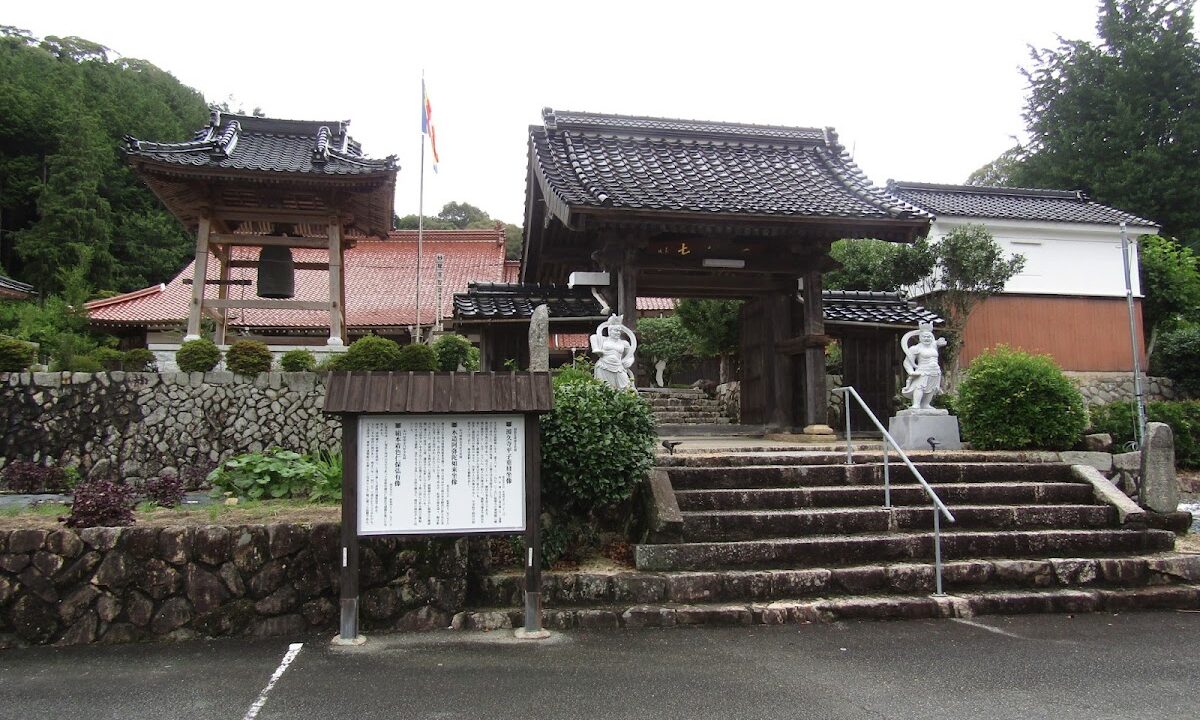
Genkyu-ji Temple (Yamaguchi City, Yamaguchi Prefecture) Complete Guide | History, Oga Lotus, Access, and Visiting Information
Genkyu-ji Temple, located in Niho-Shimogo, Yamaguchi City, Yamaguchi Prefecture, is an ancient Soto Zen temple founded during the Kenkyu and Shoji periods of the early Kamakura era. It is a historically significant temple said to have been built to commemorate Minamoto no Yoritomo, and is widely known for its wooden seated statue of Hirako Shigezune (a nationally designated Important Cultural Property) and the beautiful Oga lotus flowers that bloom in summer.
This article comprehensively introduces all the information you need to know before visiting Genkyu-ji Temple, including its history, cultural assets, highlights, access methods, and visiting information.
History and Origins of Genkyu-ji Temple
The Kamakura Shogunate and Hirako Shigezune
The history of Genkyu-ji Temple dates back to the early Kamakura period. In 1197 (Kenkyu 8), Tairako Shigetsune, appointed by the Kamakura Shogunate as the jitō (land steward) of six estates including Niho, traveled to Suō Province (present-day Yamaguchi Prefecture), built a residence in Niho, and conducted his affairs there.
Tairako Shigetsune was a Kamakura samurai who served Minamoto no Yoritomo and played a crucial role in establishing the Kamakura Shogunate’s system of control in Suō Province. He governed the region from his base in Niho Estate.
Construction of a Temple to Commemorate Minamoto no Yoritomo
In 1199 (Shōji 1), Shogun Minamoto no Yoritomo died suddenly at the age of 53. Upon learning of his lord’s death, Tairako Shigetsune decided to build a temple to commemorate him. This marked the beginning of Genkyūji Temple.
The temple’s name, “Genkyu,” is thought to be a combination of “Gen” from Minamoto no Yoritomo and “Kyu” from the Kenkyu era, reflecting a deep reverence for Minamoto no Yoritomo. Its mountain name is Nirakusan, and its principal image is Amida Buddha.
As the Hirako Family’s Family Temple
After the death of Hirako Shigezune, Genkyu-ji Temple became the family temple of the Niho Hirako family. Shigezune himself is believed to have been buried at Genkyu-ji Temple, and a Hōkyōintō pagoda, considered the oldest in Yamaguchi Prefecture, stands near the temple. This is thought to be Shigezune’s tomb. This pagoda is estimated to have been built during the Kamakura period and is a valuable historical artifact that conveys the stone art of that time.
Since then, Genkyu-ji Temple has a long history as an influential local temple and as a temple associated with the Hirako family. Currently, as a Sōtō Zen temple, it is one of the centers of faith in the region.
Cultural Properties and Treasures of Genkyu-ji Temple
Nationally Designated Important Cultural Property: Wooden Seated Statue of Hirako Shigezune
The most important cultural property held by Genkyu-ji Temple is the “Wooden Seated Statue of Hirako Shigezune,” a nationally designated Important Cultural Property. This statue is a portrait sculpture of Hirako Shigezune, the founder of Genkyu-ji Temple, and is a valuable work that conveys the excellent sculptural techniques of the Kamakura period.
A Masterpiece of Kamakura Sculpture
The wooden seated statue of Hirako Shigezune is of extremely high value as a portrait sculpture of the Kamakura period. Particularly noteworthy is the extremely rare surviving example of a portrait sculpture of a samurai (a lay person). While many portrait sculptures of monks remain, portrait sculptures of lay samurai are rare nationwide, making this a valuable resource for understanding the appearance of samurai in the Kamakura period.
The statue is created with realistic expression, allowing for detailed observation of Hirako Shigezune’s appearance and the attire of samurai of that time. The facial expression is dignified yet gentle, reflecting the character of a man who governed as a local administrator.
Exhibition at the British Museum
The value of this statue is internationally recognized, and in 1991, it was exhibited at the “Kamakura Sculpture Exhibition” held at the British Museum in England. This was a valuable opportunity to introduce the excellent sculptural techniques of Japan’s Kamakura period to the world, attracting considerable attention.
Other Temple Treasures
In addition to the wooden seated statue of Hirako Shigezune, Genkyu-ji Temple possesses other valuable temple treasures.
- Amida Buddha Statue: The Amida Buddha statue enshrined as the principal image
- Portrait of Niho Hiroyuki: A historical portrait related to the Niho family
- Helmet Held by the Miura Family: Armor passed down from the Sengoku period
These temple treasures are valuable historical materials that tell the story of Genkyu-ji Temple’s long history and the tradition of samurai culture in this region.
The Oga Lotus at Genkyu-ji Temple
An Ancient Lotus Revived from Seeds Approximately 2,000 Years Old
The Oga Lotus is a summer tradition at Genkyu-ji Temple, attracting many tourists. The Oga Lotus is an ancient lotus that germinated from seeds discovered at an ancient site approximately 2,000 years old, originating from the Kemigawa Ruins in Chiba Prefecture.
Botanist Dr. Ichiro Oga successfully germinated the seeds in 1951, hence the name “Oga Lotus.” Since then, the plants have been propagated and cultivated throughout Japan. As a miraculous flower revived in modern times after approximately 2,000 years, it holds high academic and cultural value.
The History of Oga Lotus Cultivation at Genkyu-ji Temple
Cultivation of the Oga Lotus at Genkyu-ji Temple began in 1984. It all started with just three plants planted in a fallow field, but the number of plants has steadily increased, and now they create a spectacular sight, spreading across the entire pond within the temple grounds.
Best Viewing Time and Viewing Tips
The best time to see the Oga lotus is usually around July. They bloom beautifully from early morning until midday, and close their flowers in the afternoon, so viewing them in the morning is recommended.
The pale pink Oga lotus flowers blooming across the pond possess a mystical beauty, having bloomed unchanged since ancient times, attracting many visitors from far and wide every year. Gazing at these flowers, unchanged for approximately 2,000 years, in the quiet temple grounds evokes a sense of historical romance.
It’s also a popular photography spot, offering various opportunities to capture images, such as the Oga lotus glistening with morning dew or compositions with the temple buildings in the background.
Genkyu-ji Temple Grounds and Highlights
Main Hall and Temple Layout
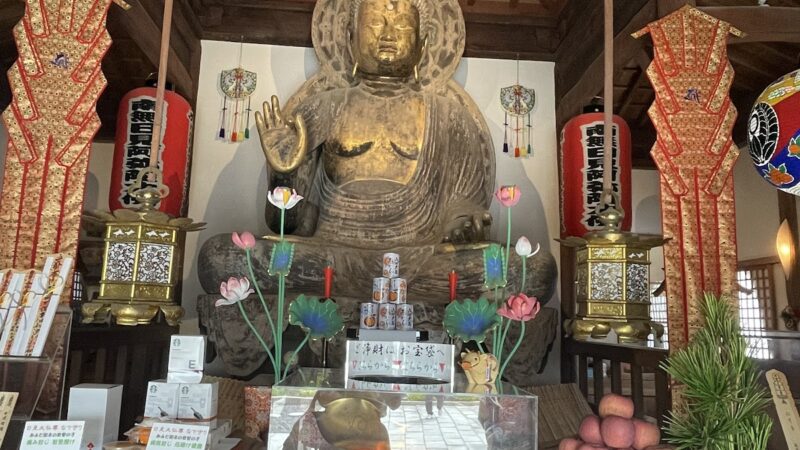
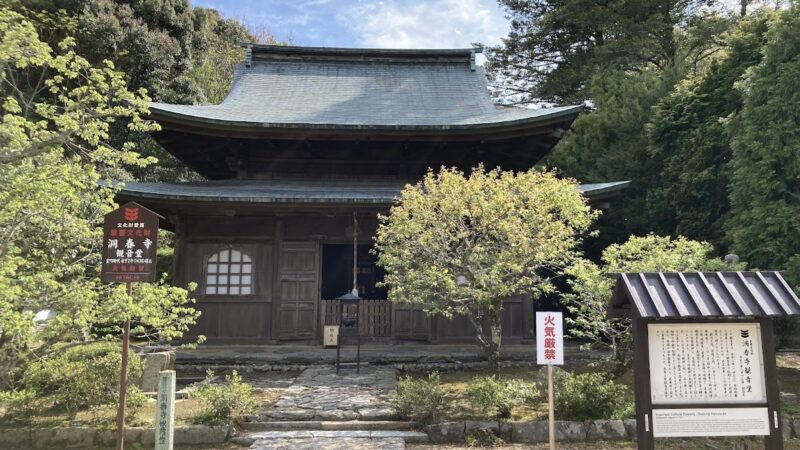
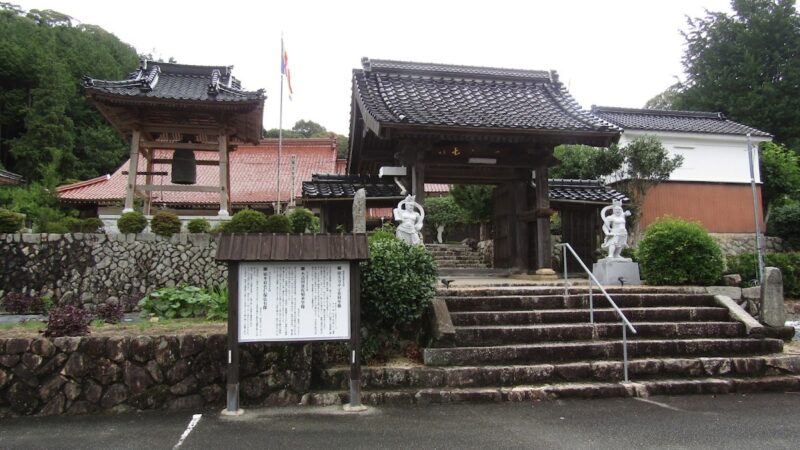
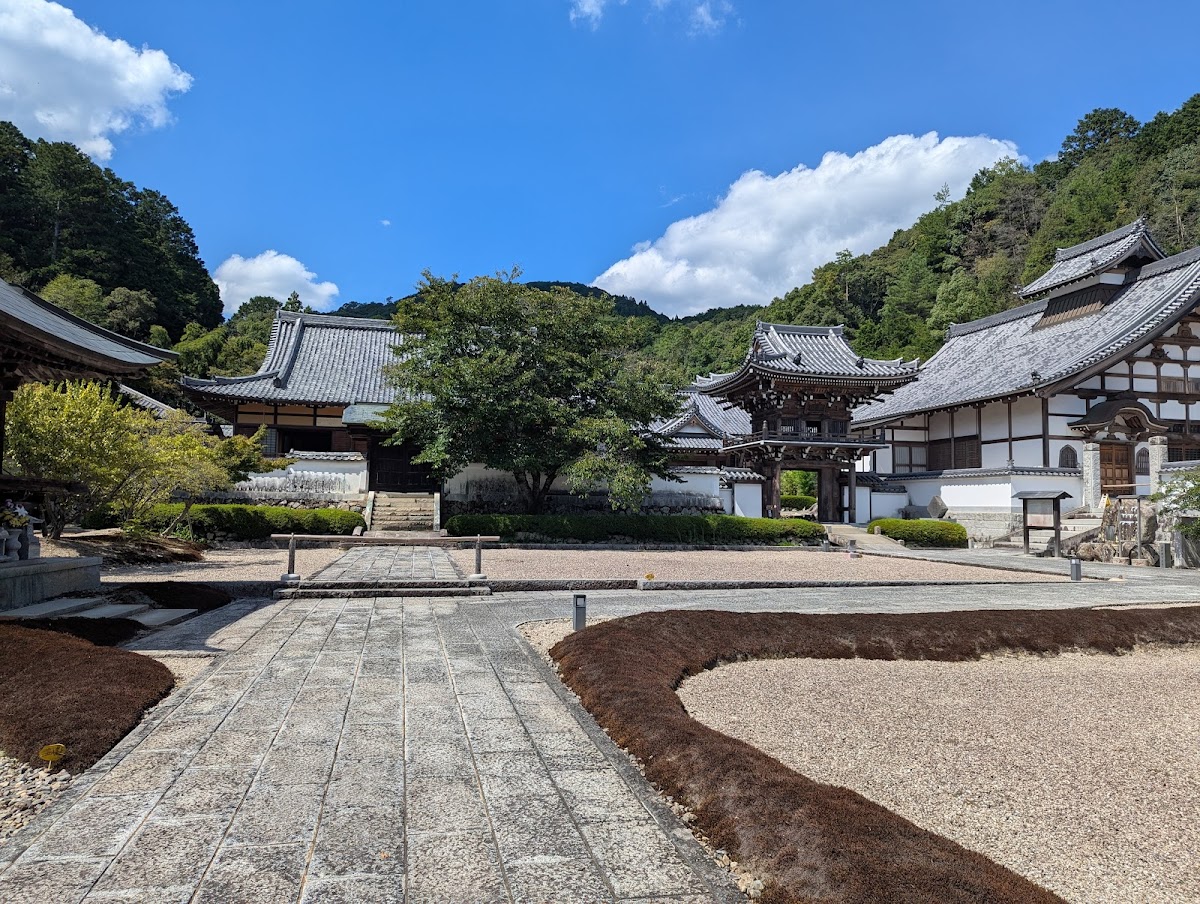
Genkyu-ji Temple has grounds with a tranquil atmosphere typical of a Soto Zen temple. The main hall houses the principal image, Amida Buddha, which quietly welcomes visitors.
The temple grounds are neatly arranged, exuding a simple yet solemn atmosphere characteristic of Zen temples. In Soto Zen Buddhism, it is common practice to place one incense stick in the center of the incense burner.
Lotus Pond and Garden
The lotus pond, planted with Oga lotuses, is one of the main highlights of the temple grounds. Even outside of the July blooming season, the pond’s scenery displays different expressions throughout the seasons.
A walking path is maintained around the pond, allowing visitors to enjoy the natural beauty of the temple grounds at a leisurely pace.
Historical Sites Associated with Hirako Shigezune
Nearby Genkyu-ji Temple are several historical sites associated with Hirako Shigezune. In particular, the Hōkyōintō pagoda, considered to be the oldest in Yamaguchi Prefecture, is thought to be the tomb of Hirako Shigezune and is a valuable historical site that preserves Kamakura period stone art.
Access to Genkyūji Temple
Address and Basic Information
- Address: 2910-1 Niho-Shimogo, Yamaguchi City, Yamaguchi Prefecture 753-0303
- Sect: Sōtō Zen
- Mountain Name: Ninrakuzan
- Principal Image: Amida Buddha
- Parking: Available (approx. 15 cars)
Access by Public Transportation
Using the JR Yamaguchi Line
- Take the Yamaguchi Line from JR Shin-Yamaguchi Station (approx. 35 minutes)
- Get off at JR Niho Station
- Approximately 20 minutes on foot from Niho Station
Niho Station is a small station, but it is the closest station to Genkyūji Temple. The walk from the station to Genkyu-ji Temple is a quiet stroll through rural scenery, allowing you to experience the natural beauty of Yamaguchi City.
Access by Car
From Yamaguchi City Center
Approximately 20 minutes from Yamaguchi City center via National Route 9. Entering the address or “Genkyu-ji Temple” into your car navigation system will guide you.
From the Chugoku Expressway
- Approximately 30 minutes from Ogori IC
- Approximately 25 minutes from Yamaguchi IC
There is parking space for approximately 15 cars on the temple grounds, which is free of charge. During the blooming season of the Oga lotus (July), many visitors come, so it is recommended to visit earlier in the day.
Genkyu-ji Temple Visiting Information
Visiting Hours and Admission Fee
Genkyu-ji Temple is generally open to the public for free worship within its grounds. Viewing the Oga lotus is also free of charge.
If you wish to visit the main hall or view the wooden seated statue of Hirako Shigezune, a nationally important cultural property, it is recommended that you contact the temple in advance to confirm.
Annual Events
As a Soto Zen temple, various memorial services and events are held throughout the year. For detailed event schedules, please contact the temple directly.
Photography
Photography of the temple grounds and the Oga lotus flowers is generally permitted, but there may be restrictions on photography inside the main hall and of cultural properties. When taking photographs, please follow the temple’s instructions and be considerate of other visitors.
About Perpetual Memorial Services and Columbarium at Genkyu-ji Temple
Perpetual Memorial Graves, Tree Burials, and Columbariums
Genkyu-ji Temple offers perpetual memorial graves, tree burials, and columbariums, among other memorial services that meet modern needs. These are gaining attention as options for those without successors or those who do not wish to burden their descendants, due to the declining birthrate, aging population, and changing family structures.
Costs and Visit Reservations
The costs and details of perpetual memorial graves and columbariums vary depending on individual circumstances. Those wishing to visit are advised to contact the temple in advance to make a reservation.
Visiting the site in person, experiencing the atmosphere of the grounds, and speaking directly with the head priest or staff will allow you to make a more informed decision. During your visit, please feel free to ask any questions you may have regarding costs, management methods, and memorial services.
Flow of Interment
- Visit and Consultation: First, visit the temple, tour the facilities, and discuss your options.
- Contract: Once you are satisfied with the details, proceed with the contract procedures.
- Interment Ceremony: Schedule and conduct the interment ceremony.
- Perpetual Memorial Service: The temple will continue to provide memorial services responsibly.
Respectful memorial services will be conducted according to the customs of the Soto Zen sect.
Nearby Tourist Attractions
The Charm of the Niho Area in Yamaguchi City
The Niho district of Yamaguchi City, where Genkyu-ji Temple is located, is a quiet rural area a little distance from the city center. This area, rich in nature, is dotted with historical sites and beautiful natural scenery in addition to Genkyu-ji Temple.
Tourist Attractions in the Center of Yamaguchi City
When visiting Genkyu-ji Temple, we recommend combining your visit with sightseeing in the center of Yamaguchi City.
- Rurikoji Five-Storied Pagoda: A beautiful five-storied pagoda designated as a National Treasure
- Yamaguchi Xavier Memorial Cathedral: A church commemorating Francis Xavier
- Joei-ji Sesshu Garden: A garden said to have been created by Sesshu
- Yamaguchi Prefectural Museum of Art: Exhibits artworks related to Yamaguchi Prefecture
Points to Note and Manners When Visiting Genkyu-ji Temple
Worship Manners
Genkyu-ji Temple is an active religious facility. Please observe the following points when visiting.
- Maintain silence and refrain from loud conversations.
- Smoking is prohibited on the temple grounds.
- Please take all your trash with you.
- Do not damage the buildings or plants.
- Remember to be considerate of other visitors.
Soto Zen Buddhist Worship Etiquette
In the Soto Zen sect, it is common to place one incense stick in the center of the incense burner. This may differ from other sects, so please feel free to ask if you have any questions.
Regarding Attire
There are no specific dress code regulations, but considering that it is a religious site, it is advisable to avoid overly revealing clothing.
Precautions When Viewing the Oga Lotus
Many visitors come to see the Oga lotus during its blooming season. Please be careful not to get too close to the pond or damage the lotus flowers. Also, the best time to see them is from early morning to midday, so it is recommended to plan your visit considering the time of day.
Summary: The Charm and Value of Visiting Genkyu-ji Temple
Genkyu-ji Temple is a valuable temple that conveys the history of the early Kamakura period. Genkyu-ji Temple is a fascinating spot where history, culture, and nature harmonize, boasting a history dating back to its construction to commemorate Minamoto no Yoritomo, a nationally designated important cultural property (a seated statue of Hirako Shigezune), and the Oga lotus, which was revived from seeds approximately 2,000 years old.
When visiting Yamaguchi City, be sure to stop by Genkyu-ji Temple. The Oga lotus blooming season in July is a particularly precious opportunity to admire these flowers, whose beauty has remained unchanged since ancient times. Spending time in the tranquil temple grounds, reflecting on the history of the Kamakura period, and gazing at these nearly 2,000-year-old flowers will surely be a memorable experience.
With relatively good access and ample parking, it’s easy to incorporate into your sightseeing plans. Why not visit Genkyu-ji Temple and experience the history and nature of Yamaguchi City?