Shigo Shrine (Yokkaichi City, Mie Prefecture) Complete Guide | History, Deities, Goshuin (Shrine Seal), and Access Information
Shigo Shrine, located in Yokkaichi City, Mie Prefecture, is a shrine that has been cherished by local residents for centuries. This article comprehensively introduces information useful for those considering visiting Shigo Shrine, including its history, enshrined deities, highlights of the grounds, goshuin information, annual events, and access methods.
About Shigo Shrine
Shigo Shrine is a shrine located in the Shigo district of Yokkaichi City, Mie Prefecture, and has been revered as the local guardian deity for many years. Located in the northern part of Yokkaichi City, it quietly stands amidst a residential area, playing a central role in the local community.
About the Shigo District
The Shigo district is located in the northern part of Yokkaichi City and has developed as a settlement centered on agriculture since ancient times. Although development as a residential area is progressing, the traditional culture of the region, centered around Shigo Shrine, is still carefully preserved.
History and Origins of Shigo Shrine
History of Founding
While the exact founding date of Shigo Shrine is unclear due to the loss of ancient documents, local oral traditions and surviving materials suggest it was worshipped as a guardian deity of the region since before the Edo period.
Connection to the Community
Shigo Shrine has developed alongside the Shigo district. During times of thriving agriculture, it played an important role as a place to pray for abundant harvests and for the safety and prosperity of local residents. It has been central to local festivals and events, and remains a place of faith passed down through generations.
Changes Since the Modern Era
Even after the Meiji-era shrine consolidation policy and post-war social changes, Shigo Shrine has been preserved through the fervent faith of local residents. Even today, the shrine’s maintenance and management are primarily carried out by the parishioners’ organization, and it functions as a place that strengthens community bonds.
Deities and Benefits
Main Deity
Regarding the deities enshrined at Shigo Shrine, it is possible that multiple deities are worshipped as guardian deities of the region. Generally, shrines dedicated to local guardian deities often enshrine the following gods:
- Amaterasu Omikami: The sun goddess known as the supreme deity of Japan
- Susanoo-no-Mikoto: God of protection against misfortune and disaster
- Okuninushi-no-Mikoto: God of matchmaking and business prosperity
Expected Benefits
Many worshippers visit Shigo Shrine seeking the following benefits:
- Family Safety: Protection of family health and safety
- Abundant Harvest: Praying for a bountiful harvest
- Business Prosperity: Success and prosperity in business
- Protection from Misfortune and Disaster: Protection from evil
- Regional Peace and Security: Peace and development of the entire region
Highlights of the Shrine Grounds
Shrine Building
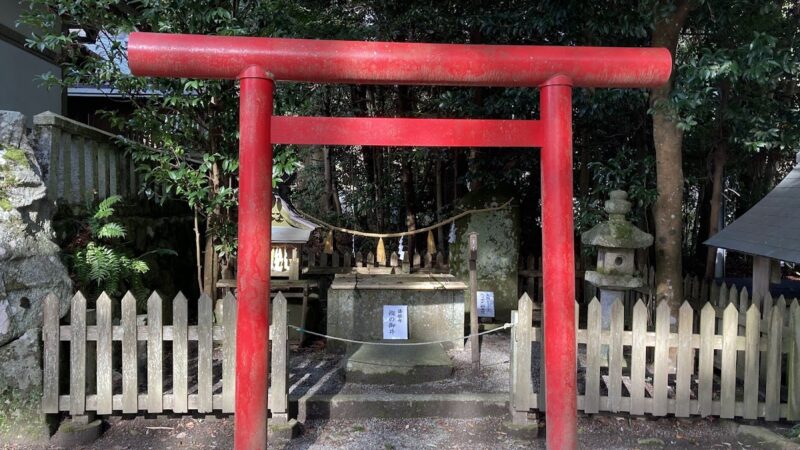
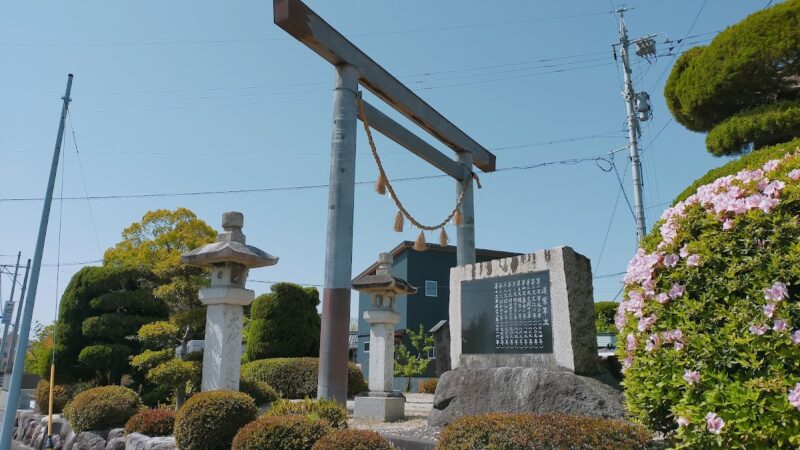
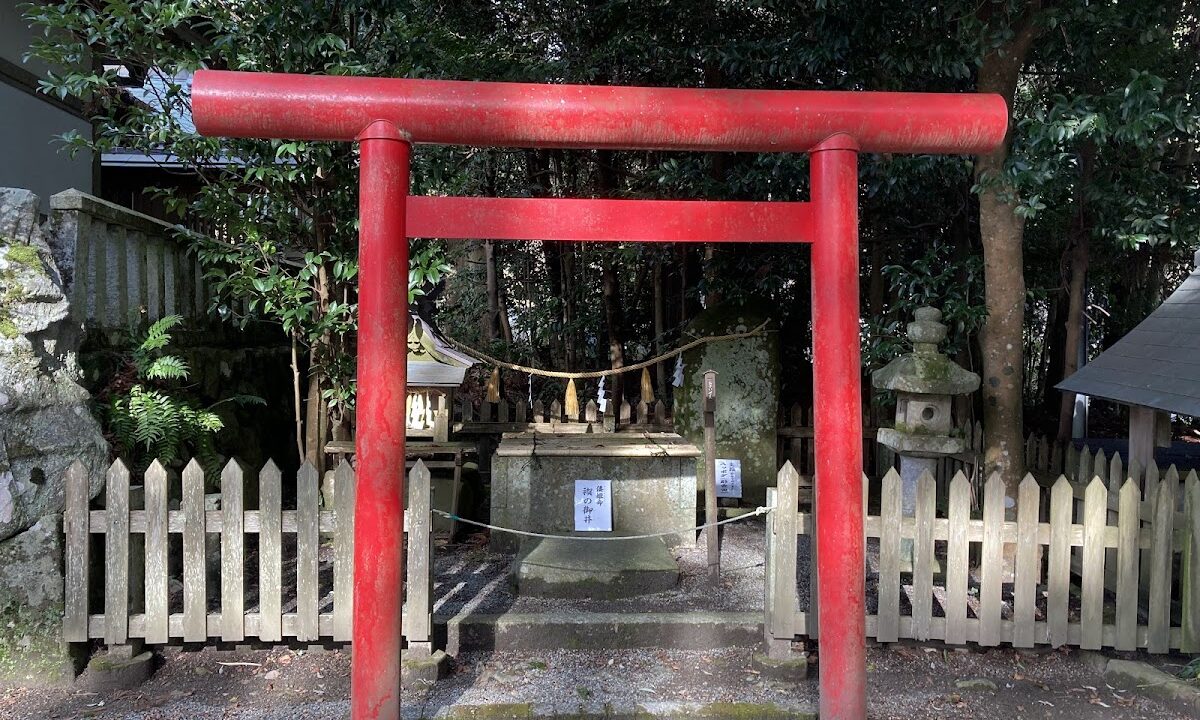
The shrine building of Shigo Shrine is carefully maintained by the local community while preserving the traditional style of shrine architecture. Although not large in scale, the well-maintained grounds offer visitors a tranquil atmosphere.
Atmosphere of the Shrine Grounds
Despite being located in a residential area, stepping onto the shrine grounds reveals a peaceful space far removed from the hustle and bustle of everyday life. Surrounded by trees, the grounds allow visitors to experience the beauty of nature throughout the seasons, especially during the fresh greenery of spring and the vibrant autumn foliage.
Water Basin
A water basin is provided for purification before worship. Please purify yourself here before proceeding to the main shrine.
About Goshuin (Shrine Seals)
Issuance of Goshuin
Regarding the issuance of Goshuin at Shigo Shrine, there may not always be a permanent shrine office. Those wishing to receive a Goshuin are advised to inquire in advance with other shrines in Yokkaichi City or the local parishioners’ representatives.
Smaller shrines may be unattended during normal times, only providing services on special occasions such as annual festivals.
Manners for Receiving a Goshuin (Shrine Stamp)
When receiving a Goshuin, please observe the following manners:
- Complete your prayers first before receiving the Goshuin.
- Prepare your Goshuincho (stamp book).
- Prepare the offering fee (approximately 300-500 yen).
- Use polite language and demeanor.
- Wait quietly while the Goshuin is being written.
Annual Events and Festivals
Annual Grand Festival
Shigo Shrine holds its annual Grand Festival. This is the most important festival for the shrine, a traditional event in which all local residents participate. Specific dates are announced through local bulletin boards and the parishioner organization.
New Year’s Visit
At the start of the new year, local residents visit the shrine for their first visit of the year, praying for safety and peace throughout the year. While not as crowded as larger shrines, it is bustling with local people. ### Monthly Festival
A monthly festival may be held on a fixed day each month. It is an important Shinto ritual for offering daily gratitude and prayers.
How to Worship and Manners
Basic Worship Etiquette
Here’s how to properly worship at a shrine:
- Bow before passing through the torii gate: A greeting before entering the sacred area
- Avoid walking in the center of the path: The center is the path of the gods
- Purify yourself at the water basin:
- Hold the ladle in your right hand and purify your left hand
- Switch to your left hand and purify your right hand
- Switch back to your right hand, receive water in your left hand, and rinse your mouth
- Finally, stand the ladle upright and purify the handle
- Worship in front of the main hall:
- Bow slightly
- Ring the bell if there is one
- Quietly place your offering in the offering box
- Two bows, two claps, one bow (bowing deeply twice, clapping twice, bowing deeply once)
- Bow once before leaving the torii gate: A final greeting to the gods
Attire for Visiting the Shrine
Unless it’s a special festival, everyday clothing is acceptable for visiting the shrine, but please note the following:
- Wear clean clothing.
- Avoid overly revealing clothing.
- Remove hats and sunglasses in front of the main hall.
- It is advisable to remove your coat even in winter.
Access Information
Location
Address: Shigo area, Yokkaichi City, Mie Prefecture
*For the exact address, please contact Yokkaichi City Hall or a local tourist information center.
Access by Public Transportation
By Train/Bus:
- Take a bus from Kintetsu Yokkaichi Station or JR Yokkaichi Station.
- Board a bus bound for the Shigo area.
- Walk from the nearest bus stop.
*For detailed routes and bus stops, please check the Mie Kotsu website or the station information center.
Access by Car
If coming by car:
- Approximately 10-15 minutes from the Tomeihan Expressway “Yokkaichi East IC”
- Accessible from National Route 1 or National Route 23
Parking
There may be parking spaces for visitors on the shrine grounds or nearby, but the scale is limited. During events such as the annual festival, congestion is expected, so we recommend using public transportation.
Visiting Hours
The shrine grounds are generally open 24 hours, but the hours of the shrine office (if any) are limited. If you wish to obtain a Goshuin (shrine stamp) or amulet, we recommend checking in advance.
Nearby Tourist Attractions
Attractions in Yokkaichi City
When visiting Shigo Shrine, why not also visit other tourist attractions in Yokkaichi City?
Yokkaichi Port Building (Umi Terrace 14)
It has an observation and exhibition room with a panoramic view of Yokkaichi Port, and the night view of the industrial area has been certified as a “Japan Night View Heritage Site.” Yokkaichi City Museum & Planetarium
A museum where you can learn about the history and culture of Yokkaichi, with an attached planetarium.
Factory Night Views along the Ise Bay Expressway
Yokkaichi is famous for its factory night views. Enjoy the fantastic scenery with a night drive or cruise.
Nagamochi Sasaiya Main Store
A long-established shop for Yokkaichi’s famous confection, “Nagamochi.” Perfect for souvenirs.
Nearby Shrines and Temples
Suwa Shrine (Yokkaichi City)
One of the representative shrines in Yokkaichi City, its historical shrine buildings are a highlight.
Tsubaki Grand Shrine (Suzuka City)
Located about 30 minutes away by car, this is the head shrine of all Sarutahiko shrines nationwide, dedicated to Sarutahiko-no-Okami.
Prayers and Amulets at Shigo Shrine
Various Prayers
Shigo Shrine, as the local guardian shrine, may accept various prayers:
- Prayer for Family Safety: Praying for the health and happiness of all family members
- Prayer for Business Prosperity: Praying for the development of one’s business
- Prayer for Protection from Misfortune: Praying to avoid misfortune during one’s unlucky year
- Prayer for Traffic Safety: Praying for the safety of vehicles and drivers
- Prayer for Success in Exams: Praying for success in exams
If you wish to make a prayer, you may need to contact the shrine in advance and make a reservation.
Amulets and Souvenirs
Shrines usually offer the following amulets and souvenirs:
- Traffic Safety Amulet
- Family Safety Amulet
- Academic Success Amulet
- Protection from Misfortune Amulet
- Safe Childbirth Amulet
Since the amulet office may not be open all the time at smaller shrines, it is recommended that those wishing to obtain an amulet visit on the day of a festival or other event, or inquire in advance.
Cultural Value of Shigo Shrine
Center of the Local Community
Shigo Shrine is not merely a religious facility; it plays a vital role as the center of the local community. Through festivals and cleaning activities, it serves as a place for intergenerational exchange and strengthens community bonds.
Preservation of Traditional Culture
Festivals and events at the shrine are valuable opportunities to pass on traditional Japanese culture to the next generation. By participating in festivals, children can naturally learn about the history and culture of the region.
Green Space in an Urban Area
The grounds of Shigo Shrine, located within a residential area, play an important environmental role as a valuable green space. The space where trees and plants grow contributes to maintaining biodiversity in urban areas.
Points to Note When Visiting the Shrine
Photography
Photography is generally permitted on the shrine grounds, but please note the following:
- Refrain from taking photos inside the main hall.
- Be considerate and avoid including other worshippers in your photos.
- Refrain from taking photos during festivals, or obtain permission first.
- Avoid using flash photography.
- Remember to be considerate when posting on social media.
Bringing Pets
Policies regarding bringing pets onto shrine grounds vary from shrine to shrine. It’s generally best to refrain from bringing pets, but if you absolutely must bring one, please check beforehand.
Taking Your Trash Home
Most shrines do not have trash cans. Please be sure to take your trash home and help keep the sacred grounds clean.
History of Shigo Shrine and Yokkaichi
Development of Yokkaichi and Shrines
Yokkaichi City has flourished since ancient times as a post town on the Tokaido road, and during the Edo period, it was a bustling “Yokkaichi-juku” (Yokkaichi Inn) filled with travelers. Since the modern era, it has developed as an industrial city and is now the largest city in Mie Prefecture.
Amidst this urban development, local shrines like Shigo Shrine have functioned as unchanging spiritual anchors in a changing era.
Transition from Rural Area to Residential Area
The Shigo area was once a rural area, but with the development of Yokkaichi City, it has transformed into a residential area. However, the local traditions and festivals centered around Shigo Shrine are still carefully preserved, and a sense of community is maintained through events in which both new and old residents participate.
How to Enjoy Visiting Shigo Shrine
Seasonal Expressions
Shigo Shrine shows different expressions in each of the four seasons:
Spring: The fresh greenery is beautiful, and the number of visitors increases at the start of the new academic year to pray for success in exams and safety in new lives.
Summer: The lush grounds are cool and refreshing, and when the summer festival is held, the entire area comes alive.
Autumn: The shrine grounds are adorned with autumn leaves, and festivals expressing gratitude for the harvest are sometimes held.
Winter: The shrine grounds are enveloped in silence as people welcome their first shrine visit of the New Year.
Relaxed Worship
Unlike large tourist shrines, Shigo Shrine offers a quiet and relaxed worship experience. You can take time to calm your mind and connect with the deities without feeling rushed.
Interaction with the Local Community
At a community-oriented shrine, you may encounter local residents during your visit. Exchanging greetings and listening to local stories will allow you to gain a deeper understanding of the shrine and the community.
Summary
Shigo Shrine is the local guardian shrine located in the Shigo district of Yokkaichi City, Mie Prefecture. While not large in scale, it is a historical shrine deeply loved by local residents and has attracted faith for many years.
Even amidst increasing urbanization, Shigo Shrine continues to play an important role as the center of the local community and as a place to preserve and pass on traditional culture. In the tranquil grounds, you can find peace of mind during your visit and experience traditional Japanese religious culture.
When you visit Yokkaichi City, please be sure to stop by Shigo Shrine. You will encounter the warmth unique to a shrine deeply rooted in the community and the image of a shrine that can be considered a quintessential Japanese landscape.
When visiting, please observe proper etiquette and show respect to the deities. Also, please understand that this is a place of worship for the local people and strive to worship quietly. May your visit to Shigo Shrine be a moment of peace and tranquility for you.