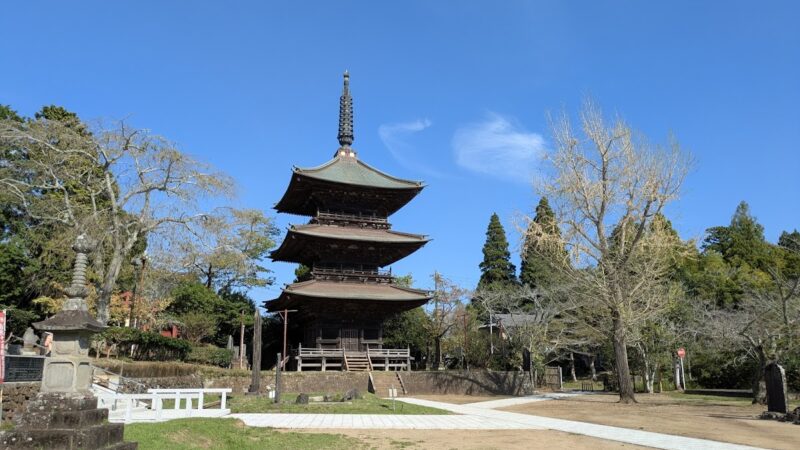
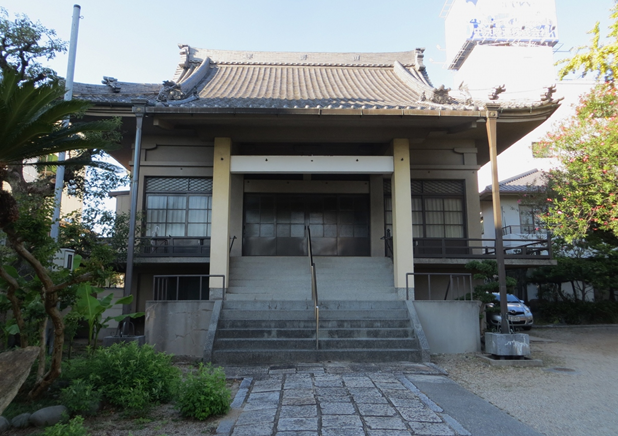
Complete Guide to Chokoji Temple

住所 〒289-1223 千葉県山武市埴谷1175

Complete Guide to Chokoji Temple | History, Prayer Services, and Access Information for Temples with the Same Name Nationwide

The name “Chokoji” refers to multiple temples throughout Japan. Each has a different sect, history, and principal image, and attracts local devotion. This article provides detailed explanations of Chokoji temples throughout Japan, focusing on the Shingon sect temple associated with Prince Shotoku in Omihachiman City, Shiga Prefecture, as well as temples in Ueda City, Nagano Prefecture, Inazawa City, Aichi Prefecture, Sanmu City, Chiba Prefecture, Kannami Town, Shizuoka Prefecture, and other locations.

What is Chokoji? | Overview of Temples with the Same Name Nationwide

The name Chokoji means “to shine light for a long time” in Buddhism, and has been cherished as a center of faith in various regions. The sects are diverse, including Shingon, Soto, Rinzai, and Nichiren Buddhism, each deeply intertwined with local history.

When searching for “Chokoji,” it is important to clarify which temple in which region you are referring to. This article introduces major Chokoji temples by region, comprehensively explaining their characteristics, prayer services, and visiting information.

Chokoji Temple, Omihachiman City, Shiga Prefecture | A Famous Temple for Safe Childbirth Established by Prince Shotoku

History and Origin

Located in Chokoji-cho, Omihachiman City, Shiga Prefecture, Fudarakusan Tanjoin Chokoji Temple is an ancient temple belonging to the Koyasan Shingon sect. It is considered one of the 49 temples established by Prince Shotoku, and its origins date back to the Asuka period.

According to legend, when Prince Shotoku was temporarily stationed in the Oiso Forest, his consort, Takashina, was suffering from a difficult childbirth. The Prince advised her to “believe in Buddhism and pray for the protection of Buddha,” and when the consort earnestly prayed for the compassion of all Buddhas, she was able to safely give birth to a prince. Because of this miraculous event, the temple became widely revered as a temple for safe childbirth.

Highlights of the Main Deity and Temple Grounds

The main deity is the “Thousand-Armed Kannon Bodhisattva,” revered as the guardian deity of safe childbirth and child-rearing. The temple grounds are arranged with the main hall in the front, the Daishi Hall to the right, and the Fudo Hall to the left, creating a solemn atmosphere as you proceed along the approach.

A particularly noteworthy feature is the giant “Hananoki” tree growing on the temple grounds. This tree is known as a natural monument, found at the southernmost limit of its habitat in Japan, and is the origin of the temple’s nickname, “Hananoki-dera” (Flower Tree Temple). In spring, it blooms with beautiful flowers, delighting visitors.

Prayers and Memorial Services

Chōkōji Temple accepts the following prayers and memorial services:

Prayers for Safe Childbirth: Many pregnant women visit the temple seeking safe childbirth through the miraculous powers of the Thousand-Armed Kannon Bodhisattva. Visiting on the Day of the Dog (Inu no Hi) is especially popular.

Exorcism Prayer: Those in their unlucky years can receive prayers for protection against misfortune.

Doll Memorial Service: We respectfully perform memorial services for dolls and stuffed animals filled with memories. Regular doll memorial services are held.

Perpetual Memorial Grave: We offer perpetual memorial graves for those without successors or those who do not wish to burden their descendants.

Funeral and Memorial Service: We conduct funerals and memorial services according to the customs of the Shingon sect.

Access and Visiting Information

Location: Nagamitsu-ji-cho, Omihachiman City, Shiga Prefecture

Transportation Access:

  • Approximately 15 minutes by car from JR Omihachiman Station
  • Approximately 20 minutes from Ryuo IC on the Meishin Expressway

Inquiries: Advance reservations by phone are recommended. Those wishing to receive prayers are advised to confirm the date and time before visiting.

Chokoji Temple, Ueda City, Nagano Prefecture | A Prayer Temple of Shinshu Ueda

Temple Features

Located in Ueda City, Nagano Prefecture, Chokoji Temple is a beloved prayer temple in the region, known as “Shinshu Ueda’s Prayer Temple.” Operating under the philosophy of “A temple is a place where you can find peace of mind and smiles,” it is a temple that is always open to visitors.

Prayers for Life’s Milestones

Chokoji Temple offers prayers for various milestones in life. Prayers closely related to daily life are available, such as for a baby’s first shrine visit, Shichi-Go-San (a traditional Japanese rite of passage for children), protection from evil, and traffic safety.

The temple’s stance that “you can find something new” through worship makes it a spiritual haven for modern people.

Access Information

Location: Ueda City, Nagano Prefecture

Features: The temple is always open, and its welcoming atmosphere makes it easy to visit.

Chokoji Temple, Inazawa City, Aichi Prefecture | A historic Rinzai Zen temple known for its hexagonal hall

History and Establishment

Chokoji Temple, located in Inazawa City, Aichi Prefecture, is a temple belonging to the Myoshinji branch of the Rinzai sect and is affectionately known as the “hexagonal hall.” It is a historical temple said to have been founded in 1161 (Oho 1) through a donation from Taira no Yorimori.

One of the Six Jizo of Owari

Chokoji Temple is known as one of the Six Jizo of Owari, and important Buddhist statues are enshrined within its grounds. As you proceed along the approach to the temple, you will encounter an atmosphere that evokes a sense of history.

Tourist Information

It is also featured on the official website of the Inazawa City Tourism Association and is one of the representative temples of “Inazawa, a town blessed with nature and rich in history and culture.”

Location: Inazawa City, Aichi Prefecture

Inquiries: Detailed information can be obtained through the Inazawa City Tourism Association.

Chokoji Temple, Sammu City, Chiba Prefecture | A Historic Nichiren Buddhist Temple

History of Founding and Relocation

Chokoji Temple, located in Sammu City, Chiba Prefecture, is a Nichiren Buddhist temple. It was founded in 1514 (Eisho 11) during the Sengoku period in what is now Nakata-cho, Chiba City. Later, in 1669 (Kanbun 9) during the Edo period, it was relocated to its current location by the 9th head priest, Nichizen Shonin, who was from Haniya.

Connections to the Community

It is featured on the official website of the Sammu City Tourism Association and is an indispensable part of the local history.

Access Information

Location: Sammu City, Chiba Prefecture

Transportation Access: Approximately 15 minutes by car from Sammu Narito IC (approximately 7.4 km)

Tourism Information: Detailed information is also available on tourism websites such as Jalan.net.

Chokoji Temple, Kannami Town, Shizuoka Prefecture | A Zen Temple of the Soto Zen School, Keigetsuzan Mountain

A Temple Associated with Minamoto no Sanetomo

Located in Kannami Town, Shizuoka Prefecture, Chokoji Temple belongs to the Soto Zen school and its mountain name is Keigetsuzan. It is said to have connections to Minamoto no Sanetomo (1192-1219), the third shogun of the Kamakura shogunate, and tells the history of Sanetomo, who is also known as a tragic poet.

Cultural Activities

In modern times, the temple also engages in cultural activities such as the “Guardin Angel ‘Angels and Jizo’ Exhibition,” developing a temple management that blends tradition and modernity.

Location: Kannami Town, Shizuoka Prefecture

Chokoji Temple, Tokyo | A Zen Training Center of the Soto Zen School, Gyokuhōzan Mountain

History as an Authorized Zen Training Center

Located in Tokyo, Gyokuhōzan Chokoji Temple is an authorized Zen training center of the Soto Zen school, established in 1594 (Bunroku 3). Based on the philosophy of “a temple where time flows peacefully even amidst the hustle and bustle of the city,” we offer a tranquil space within the urban environment.

Zen Meditation and Training

As a Zen meditation center, we provide a place for Zen meditation sessions and training, functioning as a place where modern people seek inner peace.

Chokoji Temple in Hannō City, Saitama Prefecture | A Temple that Tells the History of Okumusashi

Chokoji Temple also exists in Hannō City, Saitama Prefecture, and is featured on the official website of the Okumusashi Hannō Tourism Association. As an important temple that conveys the history and culture of the region, it is a popular tourist spot.

Location: Hannō City, Saitama Prefecture

Inquiries: Details can be found on the Hannō Tourism Information website.

Basic Manners and Precautions When Visiting Chokoji Temple

Etiquette for Visiting

When visiting Chokoji Temple, please observe the following basic manners:

  1. Bow at the Temple Gate: Bow before entering the temple grounds.
  2. Walking on the Path: Avoid walking in the center of the path and walk along the edges.
  3. Watering Procedure: If there is a watering basin, cleanse your hands and mouth.
  4. Worship at the Main Hall: Quietly join your hands in prayer and pray with sincerity.
  5. Photography: Photography is only permitted in designated areas on the temple grounds.

Receiving Prayer

If you wish to receive prayer, it is recommended to make a reservation by phone in advance. Especially for prayers for safe childbirth and protection from evil, the dates and times can be crowded, so it is necessary to make a reservation well in advance.

Attire

When receiving prayer, it is desirable to wear attire that is not too casual. Especially for formal prayers such as prayers for safe childbirth, please aim for formal attire. ## Annual Events and Special Days at Chokoji Temple

Main Annual Events

Each Chokoji Temple holds annual events according to its sect and regional traditions:

Shingon Sect Chokoji Temple (Shiga Prefecture):

  • New Year’s Visit (January 1st-3rd)
  • Setsubun Festival (February)
  • Spring Equinox Festival (March)
  • Flower Festival (April 8th)
  • Autumn Equinox Festival (September)
  • Doll Memorial Service (Several times a year)

Soto Zen Sect Chokoji Temple:

  • Zen Meditation Sessions (Regularly held)
  • Founder’s Memorial Service
  • Segaki Ceremony

Nichiren Sect Chokoji Temple:

  • Oeshiki Ceremony (October)
  • Rissho Ankoku Ron Reading Session

Prayer for Safe Childbirth on the Day of the Dog

At Chokoji Temple in Shiga Prefecture, prayers for safe childbirth on the Day of the Dog are particularly popular. It is customary to visit the temple on the Day of the Dog in the fifth month of pregnancy, as dogs are known for having easy deliveries. Advance reservations are often required, so early inquiries are recommended.

Perpetual Memorial Graves and Modern Forms of Memorial Services

Demand for Perpetual Memorial Graves

In recent years, due to the declining birthrate, aging population, and the rise of nuclear families, the demand for perpetual memorial graves has increased. Chokoji Temple also offers perpetual memorial graves for those without successors or those who do not wish to burden their descendants.

The Importance of Doll Memorial Services

The feeling of not wanting to treat dolls and stuffed animals filled with memories carelessly is deeply rooted in the Japanese psyche. Chokoji Temple regularly holds doll memorial services, respectfully honoring these cherished items.

Access and Inquiry Methods for Chokoji Temple

Overview of Access to Chokoji Temples in Various Locations

Omihachiman City, Shiga Prefecture: Approximately 15 minutes by car from JR Omihachiman Station, approximately 20 minutes from Meishin Ryuo IC

Ueda City, Nagano Prefecture: Please check the temple’s official website for details

Inazawa City, Aichi Prefecture: Accessible from Meitetsu Konomiya Station

Sanmu City, Chiba Prefecture: Approximately 15 minutes by car from Sanmu Narito IC

Kannami Town, Shizuoka Prefecture: Accessible from Tomei Numazu IC or Shin-Tomei Nagaizumi Numazu IC

Points to Note When Inquiring

When inquiring by phone, please clearly state the following:

  1. Type of prayer you wish to receive (e.g., safe childbirth, protection from evil, traffic safety)
  2. Desired date and time (multiple options are helpful for scheduling)
  3. Number of participants
  4. Special requests (e.g., funeral, memorial service)

Summary | Find the Right Chokoji Temple for You

The name “Chokoji” exists in various locations throughout Japan, each with its own unique history and characteristics. These include a famous temple in Shiga Prefecture associated with Prince Shotoku and known for prayers for safe childbirth, a prayer temple in Nagano Prefecture, a hexagonal hall in Aichi Prefecture, a Nichiren Buddhist temple in Chiba Prefecture, and a Soto Zen temple in Shizuoka Prefecture, among others. Their sects and purposes are diverse.

Whether you’re seeking prayers for safe childbirth or protection from evil, considering perpetual memorial services or doll memorial services, or simply want to stroll through historical grounds, you can choose the Chokoji Temple best suited to your needs.

When visiting, we recommend calling ahead to inquire about access and the condition of the approach. Utilize the official websites of each Chokoji Temple and information from tourist associations to ensure a fulfilling visit.

The time spent quieting your mind and praying before a Buddha statue will be a precious moment of peace in today’s busy life. We hope you find the perfect Chokoji Temple for you and attain inner peace.
Open in Google Maps

Nearby Shrines & Temples

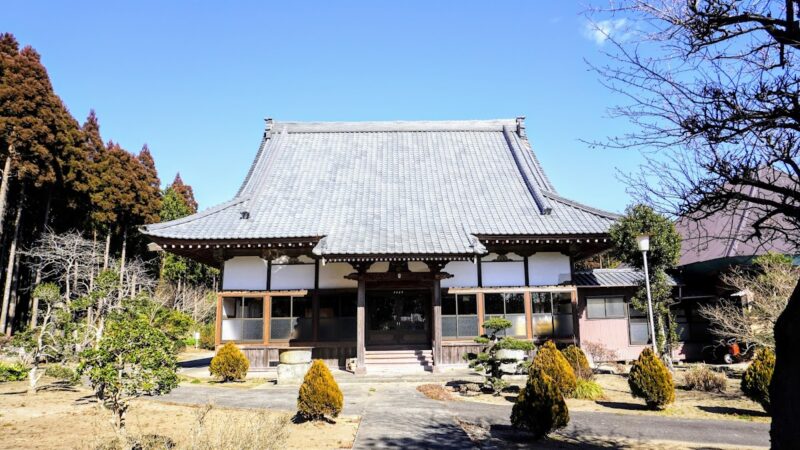
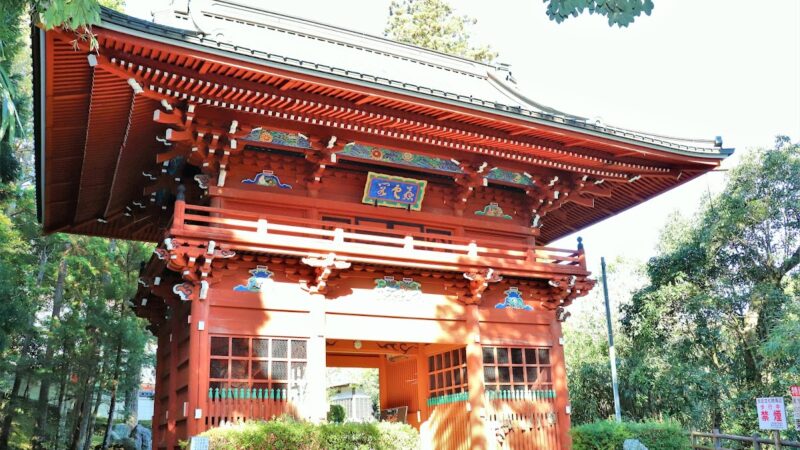
Complete Guide to Chokoji Temple

住所 〒471-0879 愛知県豊田市長興寺1丁目29

Complete Guide to Chokoji Temples | History, Highlights, and Access Information for Chokoji Temples Across Japan

There are several temples named “Chokoji” throughout Japan. Each has a different history and characteristics, and has played an important role as a center of local culture and faith. This article provides a comprehensive introduction to the major Chokoji temples, including their historical background, highlights, and access methods.

What is Chokoji Temple?

The name Chokoji is an auspicious name in Buddhism meaning “long-lasting prosperity.” Temples with the same name exist throughout Japan, each deeply connected to the history of its region. There are Chokoji temples belonging to different sects, such as the Rinzai and Soto Zen schools, and each temple possesses its own unique history and cultural assets.

Chokoji Temple in Nagaoka City, Niigata Prefecture

History and Overview

Chokoji Temple in Nagaoka City, Niigata Prefecture, is an important historical site that tells the story of the turbulent period from the end of the Edo period to the Meiji era. It is known as a temple founded by the family of Inagaki Heisuke, who served as a chief retainer of the Nagaoka Domain during the Boshin War. The most distinctive feature of this temple is the large number of burial sites for samurai of the Nagaoka Domain. Many samurai, including Yamamoto Tatewaki, who distinguished himself as a battalion commander for the Nagaoka Domain during the Boshin War, are buried here.

Relationship with Admiral Yamamoto Isoroku

The most famous burial site at Chokoji Temple is that of Admiral Yamamoto Isoroku, who served as Commander-in-Chief of the Combined Fleet during the Pacific War. A native of Nagaoka, Yamamoto commanded the attack on Pearl Harbor and died in battle over Bougainville Island in 1943. His burial site remains a popular destination for many visitors.

Yamamoto Isoroku was born into a family of Nagaoka samurai and had strong ties to the local community, which is why he was buried at Chokoji Temple. As a valuable site that conveys the history of that time, it attracts attention from history enthusiasts and military history researchers.

Basic Information and Access

Location: Nagaoka City, Niigata Prefecture

Access: Approximately 15 minutes by car from JR Nagaoka Station. Located in a convenient location easily accessible from the center of Nagaoka city.

Visiting: While visiting the cemetery is usually possible, it is recommended to check in advance.

Chokoji Temple (Kaijozan Chokoji) in Numazu City, Shizuoka Prefecture

An Ancient Temple of the Rinzai Myoshinji School

Kaijozan Chokoji Temple, located in Hara, Numazu City, Shizuoka Prefecture, is a prestigious temple belonging to the Rinzai Myoshinji School. This temple holds various events and experiential programs throughout the year and is known as a temple open to both local residents and tourists.

Kinpira Festival Dedication Crying Sumo Tournament

The biggest event at Kaijozan Chokoji Temple is the “Kinpira Festival Dedication Crying Sumo Tournament,” held every early summer. This traditional event is a festival to pray for the healthy growth of babies. Babies held by sumo wrestlers cry loudly, praying for good health and protection from illness throughout the year.

This tournament has become a local tradition and attracts many families every year. While crying sumo is a traditional event found throughout Japan, the tournament at Chokoji Temple is particularly noteworthy for its scale and history.

Connection to Chiune Sugihara and his wife

Chokoji Temple on Kaijozan Mountain is also dedicated to honoring Chiune Sugihara and his wife, the diplomat known as “Japan’s Schindler.” During World War II, Chiune Sugihara issued life-saving visas to many Jewish refugees at the Japanese consulate in Kaunas, Lithuania, saving approximately 6,000 lives.

Chokoji Temple continuously works to pass on Chiune Sugihara’s humanitarian spirit to future generations, serving as a place to advocate for the importance of peace and human rights.

Zen Meditation Sessions

Chokoji Temple on Kaijozan Mountain holds Zen meditation sessions every Saturday and Sunday. Beginners are welcome, offering a valuable opportunity to experience Rinzai Zen meditation. It provides a time to calm the mind through meditation and release daily stress.

Some Zen meditation sessions require advance reservations, so those wishing to participate are advised to contact the temple directly.

Relationship with Zen Master Hakuin

The Numazu region is known as the hometown of Zen Master Hakuin Ekaku, considered the restorer of the Rinzai sect in the mid-Edo period. Zen Master Hakuin was born at Shoinji Temple in Hara (present-day Hara, Numazu City) and later became one of the most important figures in the history of Japanese Zen Buddhism.

Kaishōzan Chōkōji Temple is one of the temples that carries on the teachings of Zen Master Hakuin, preserving his spirit to the present day.

Basic Information and Access

Location: Hara, Numazu City, Shizuoka Prefecture

Sect: Rinzai sect, Myōshinji school

Access: Within walking distance from JR Hara Station. Approximately 20 minutes by car from Numazu IC on the Tomei Expressway.

Phone Number: Available on the official website

Events: Kinpira Festival Dedication Crying Sumo Tournament (early summer), Zen Meditation Sessions (every Saturday and Sunday)

Chokoji Temple, Toyota City, Aichi Prefecture

A Special Temple of the Tofukuji Branch of the Rinzai School

Chokoji Temple, located in Toyota City, Aichi Prefecture, is a prestigious special temple belonging to the Tofukuji branch of the Rinzai school. Its mountain name is Shuunzan, and its principal image is the Eleven-Faced Kannon Bodhisattva. The founding abbot is said to be Zen Master Taiyo Gichu.

Historical Background

The founding of Chokoji Temple dates back to the second year of Kenmu (1335) during the Nanboku-cho period. Nakajo Bizen-no-kami Hidenaga, the jito (land steward) of Takahashi Manor and lord of Koromo Castle, founded the temple and invited Zen Master Taiyo Gichu, a Dharma descendant of the Tofukuji Temple founder, Shoichi Kokushi, to be its founding abbot.

This period was a turbulent time of conflict between the Southern and Northern Courts, and temples flourished under the faith and protection of the samurai class. As a valuable historical site where medieval samurai culture and Zen Buddhist culture merged, it conveys the history of the region to the present day.

Cultural Properties and Highlights

Chōkōji Temple preserves valuable cultural properties from the medieval to early modern periods. In particular, the principal image, the Eleven-Faced Kannon Bodhisattva statue, is an important Buddhist statue that attracts the faith of the local community.

The temple grounds are dotted with historical buildings and stone structures, preserving the atmosphere of the time.

Basic Information and Access

Location: 1-29 Chōkōji, Toyota City, Aichi Prefecture

Sect: Rinzai Zen, Tōfukuji School

Mountain Name: Shūunzan

Principal Image: Eleven-Faced Kannon Bodhisattva

Access: Approximately 15 minutes by car from Sarutou Station on the Meitetsu Mikawa Line. Approximately 25 minutes by car from the Toyota Interchange on the Tomei Expressway.

Chokoji Temple, Shiojiri City, Nagano Prefecture

A Temple that Tells the History of Hon-Seba

Chokoji Temple, located in Shiojiri City, Nagano Prefecture, is a large temple situated close to the Hon-Seba Historical Village Museum. It has played an important role for many years as a center of local history and culture.

Evidence of Ancient History

The ancient history of Chokoji Temple is evidenced by the Koshin Tower located behind the temple gate. The inscription on this Koshin Tower indicates that it was erected in 1674 (Enpo 2), indicating that the temple existed at least from the early Edo period.

Koshin belief is a folk belief originating from Chinese Taoism, where people pray for longevity by staying awake all night on the Koshin day. The existence of the Koshin Tower is a valuable historical document that conveys the religious life of the people at that time.

Basic Information and Access

Location: Shiojiri City, Nagano Prefecture

Mountain Name: Seishozan

Access: Approximately 15 minutes by car from JR Shiojiri Station. Approximately 10 minutes by car from Shiojiri IC on the Chuo Expressway.

Nearby Attractions: Visiting this temple in conjunction with the Honseba Historical Village Museum will allow you to gain a deeper understanding of the region’s history.

Other Chokoji Temples

Chokoji Temple in Kunohe Village, Iwate Prefecture

Chokoji Temple in Kunohe Village, Iwate Prefecture, was founded in 1504 at the invitation of the Kunohe clan and is the family temple of successive generations of the Kunohe family. The founding priest is said to be Daiin Keizen Daiosho, the fourth abbot of Sotoku-ji Temple, a branch temple of Sotoku-ji Temple in Kaga Province.

The Kunohe clan was a branch of the Nanbu clan and produced powerful warlords known for the Kunohe Masazane Rebellion at the end of the Sengoku period. Chokoji Temple is an important historical site that conveys the history of the Kunohe clan to the present day. ### Chokoji Temple, Kasumigaura City, Ibaraki Prefecture

Chokoji Temple, located in Kasumigaura City, Ibaraki Prefecture, belongs to the Soto Zen sect and is known as Horinzan Zuiunin. It is said that in 1602, when the Hondo clan was transferred to another province, Zuiunin Temple from Dewa Province (present-day Shinjo City, Yamagata Prefecture) was moved, and the temple was founded by Abbot Joan.

The temple gate and main hall are designated as cultural properties of the city and are valuable structures that preserve the architectural style of the early Edo period.

Chokoji Temple, Koriyama City, Fukushima Prefecture

Mannenzan Chokoji Temple, located in Moriyama, Tamura-cho, Koriyama City, Fukushima Prefecture, is a Soto Zen temple. It is easily accessible along National Route 49, and in spring, when the weeping cherry blossoms are in full bloom, many worshippers and tourists visit.

Points to Note When Visiting Chokoji Temple

Etiquette for Visiting Temples

When visiting a temple, please observe the following basic etiquette:

  1. Dress Code: Avoid revealing clothing and wear modest attire.
  2. Photography: Photography inside the main hall and of Buddha statues often requires permission; please check in advance.
  3. Quietness: Behave quietly on the temple grounds and be considerate of other visitors.
  4. Offerings: Offer a donation within your means, expressing your gratitude.

Things to Check Before Visiting

We recommend checking the following points before your visit:

  • Opening Hours: Visiting hours vary depending on the temple.
  • Event Schedule: General visits may be restricted during religious services or events.
  • Parking: Expect congestion, especially during long holidays and festivals.
  • Telephone Number: Check the latest contact information on each temple’s official website.

Experiential Programs

Some Chokoji temples offer experiential programs such as Zen meditation sessions and sutra copying sessions. In particular, Chokoji Temple in Kaijozan, Numazu City, Shizuoka Prefecture, holds Zen meditation sessions every Saturday and Sunday, and is open to beginners.

Through these experiences, you can gain a deeper understanding of Zen teachings and Buddhist culture.

Tourist Spots Around Chokoji Temple

Around Nagaoka City, Niigata Prefecture

Nagaoka City has many historical sites besides Chokoji Temple. Visiting places like the Kawai Tsuginosuke Memorial Museum and the Nagaoka War Damage Museum will give you a deeper understanding of Nagaoka’s history from the end of the Edo period to the Meiji era.

Around Numazu City, Shizuoka Prefecture

Numazu City is a port town facing Suruga Bay, where you can enjoy fresh seafood. It also has a variety of tourist spots, such as Shoinji Temple, associated with Zen Master Hakuin, and the Numazu Port Deep Sea Aquarium.

Around Toyota City, Aichi Prefecture

Toyota City is known as the center of the automobile industry, but it also has many historical temples and shrines. The autumn foliage at Korankei Gorge and historical sites associated with the Matsudaira clan are also highlights.

Around Shiojiri City, Nagano Prefecture

Shiojiri City has a history of flourishing as a post town on the Nakasendo road, and you can learn about the local history at the Honseba Historical Village Museum. It is also famous as a wine-producing region, and you can enjoy winery tours.

Summary

The Chokoji temples scattered throughout Japan are valuable cultural heritage sites, each with its own unique history and characteristics. The Chokoji Temple in Nagaoka, Niigata, tells the history of Admiral Isoroku Yamamoto and the Boshin War, while the Kaijozan Chokoji Temple in Numazu, Shizuoka, functions as a temple open to the community through experiential programs such as crying sumo competitions and Zen meditation sessions.

The Chokoji Temple in Toyota, Aichi, is a historical site that shows the fusion of medieval samurai culture and Zen Buddhism, and the Chokoji Temple in Shiojiri, Nagano, is a center of local faith that has continued since the Edo period. Other Chokoji temples in other regions are also deeply connected to the history of their respective areas.

These temples are worth visiting for a variety of reasons, whether you’re interested in Japanese history and culture, want to experience Zen and Buddhist teachings, or want to experience local traditional events. When visiting each location, be sure to check basic information, access methods, and event information beforehand to enjoy a fulfilling pilgrimage and sightseeing experience.

While sharing the common name of Chokoji, these temples, each weaving its own distinct story, can be said to symbolize the richness of Japan’s diverse history and culture.

Open in Google Maps

Nearby Shrines & Temples