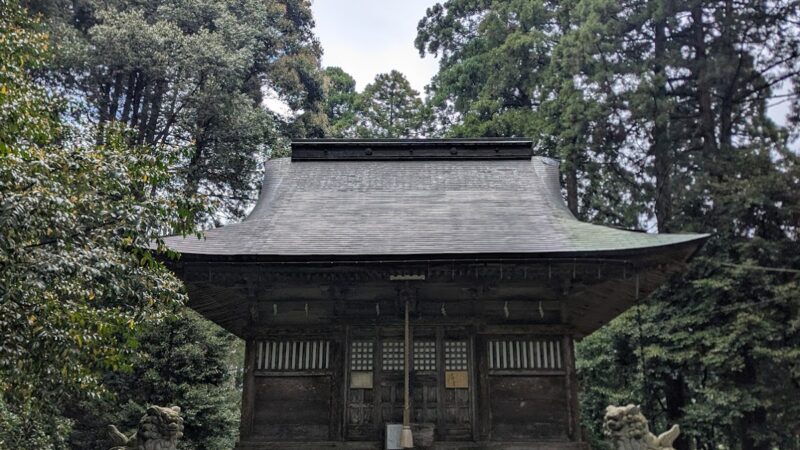
About Eiheiji Temple
Eiheiji Temple is the head temple of the Soto Zen sect, located in Eiheiji-cho, Yoshida-gun, Fukui Prefecture. Founded in 1244 (Kangen 2) by Zen Master Dogen, it is known as one of Japan’s leading Zen temples, boasting a history of approximately 780 years.
Along with Sojiji Temple in Tsurumi-ku, Yokohama City, it forms one of the two major head temples of the Soto Zen sect, and even today, approximately 150 monks (trainee monks) are diligently engaged in rigorous training there. With over 70 temple buildings spread across a vast 330,000 square meter site, the tranquil environment surrounded by deep cedar groves creates a solemn atmosphere befitting a “holy site of Zen.”
History and Origins
Zen Master Dogen and the Founding of Eiheiji Temple
The history of Eiheiji Temple is deeply intertwined with the life of Zen Master Dogen (1200-1253), the founder of the Soto Zen sect. In 1223, Dogen traveled to Song Dynasty China and trained under Zen Master Rujing at Tiantong Mountain. After attaining the state of “liberation of body and mind,” he returned to Japan and began missionary work in Kyoto.
In 1243, at the invitation of Hatano Yoshishige, a local lord of Echizen Province (present-day Fukui Prefecture), he founded “Kasamatsumine Daibutsu-ji Temple” the following year, 1244. In 1246, it was renamed “Kichijozan Eihei-ji Temple.” The temple’s name, “Eihei,” is derived from the Eihei era (58-75 AD) of the Later Han Dynasty in China, when Buddhism was introduced to Japan.
Development and Present State
After the death of Zen Master Dogen, his disciples, such as Ejo and Gikai, inherited the Dharma. Although it declined temporarily during the Sengoku period, it was revived under the patronage of the Tokugawa Shogunate during the Edo period.
Despite being affected by the anti-Buddhist movement during the Meiji era, Eiheiji Temple established its position as a central temple of the Soto Zen sect. In 1930, it was designated a national historical site, and today it continues to serve as a Zen training ground and a popular tourist destination.
Main Highlights
Seven Main Buildings
At the heart of Eiheiji Temple are the seven main buildings known as the “Seven Main Buildings” (Shichido Garan). These are connected by corridors, allowing visitors to move between them without getting wet in the rain.
Main Gate (Sanmon)
This is the main gate of Eiheiji Temple, rebuilt in 1749. The Five Hundred Arhats are enshrined on the second floor. Beyond this point lies the realm of spiritual training, a symbolic place for entering the temple grounds with a renewed sense of purpose.
Buddha Hall (Butsuden)
Located at the center of the seven main temple buildings, this is the main hall where the three Buddhas of the Three Ages—Shakyamuni Buddha, Amida Buddha, and Maitreya Buddha—are enshrined. Important religious ceremonies, such as the morning service, are held here. The ceiling features a painting of a dragon by the Japanese painter Yamaguchi Hoshun.
Dharma Hall (Hatto)
This building is where the head priest delivers sermons and is also called the “sermon room.” The ceiling features a painting of a dragon by Domoto Insho, notably designed so that the dragon’s eyes seem to meet the viewer’s gaze from any angle.
Monk’s Hall (Sodo)
This is the central facility for monks’ training, where they practice Zen meditation, eat, and sleep. It enshrines the holy monk Manjushri Bodhisattva and functions as a place of monastic life known as “Daishu Antan.” General visitors can only view it from the outside.
Kuin (Kitchen)
This building serves as the temple’s kitchen, where meals are prepared. A sign reading “Kissako” (Come and have tea) hangs at the entrance, representing the spirit of Zen. The giant mortar and pestle are famous features of Eiheiji Temple and a popular spot for commemorative photos.
Yokushitsu (Bathroom)
This is where the monks bathe. Bathing is also part of their training and is performed according to strict etiquette.
Tosu (Toilet)
This is the toilet in a Zen temple, and here too, specific etiquette is prescribed. Ususama Myoo (a Buddhist deity) is enshrined here.
Other Highlights
Joyoden: This is the mausoleum of Zen Master Dogen and is considered the most sacred place in Eiheiji Temple.
Sanshokaku: The large hall on the second floor features a 156-tatami mat ceiling adorned with 230 paintings of flowers and birds, famous as a “painted ceiling.” Works by 144 masters of East Asian painting are displayed.
Karamon: Also known as the Imperial Messenger Gate, this is a dignified gate opened only when welcoming members of the imperial family or imperial envoys.
Visiting Etiquette and Manners
Basic Visiting Procedure
- Bow at the Gate: Bow before passing through the gate to compose yourself.
- Walking in the Corridor: Follow the right-hand rule and walk quietly. Consideration is needed to avoid disturbing the monks’ training.
- Photography: Photography is generally prohibited inside the hall. While some areas of the exterior and gardens may be accessible, please be sure to check beforehand.
- Dress Code: Avoid revealing clothing; modest attire is preferable.
- Refrain from Talking: Remember that this is a training hall and observe the temple in silence.
Points to Note During Your Visit
- You can observe the monks’ training, but talking to them or taking photographs is strictly prohibited.
- In winter, there is snowfall and the corridors become cold, so warm clothing is necessary.
- Visiting hours vary depending on the season; advance confirmation is recommended.
Training Experience Program
Sanro (Stay-in) Experience
At Eiheiji Temple, even the general public can participate in a 1-night, 2-day or 2-night, 3-day sanro experience. You can experience the same lifestyle as the monks and learn about Zen teachings through Zen meditation, chanting, manual labor (cleaning), and vegetarian meals.
- Time: Enter the mountain at 3 PM, leave at 9 AM the following day (for a 2-day, 1-night stay)
- Contents: Zen meditation, Dharma talks, morning service, vegetarian meals, temple work, etc.
- Reservation: Advance reservations required (by phone or website)
- Cost: Approximately 9,000 yen for a 2-day, 1-night stay
Day Trip Zen Meditation Experience
For those who find a full stay difficult, a day trip Zen meditation experience is also available (reservations required). Beginners will receive careful instruction.
Vegetarian Meals
Eiheiji Temple’s vegetarian meals are prepared based on the “Tenzo Kyokun” (Instructions for the Head Cook), using ingredients without waste and with gratitude. During the stay experience, you can actually enjoy the same vegetarian meals as the monks.
Access Information
Access by Train and Bus
From JR Fukui Station:
- Echizen Railway “Fukui Station” → “Eiheijiguchi Station” (approx. 30 minutes)
- Keifuku Bus bound for “Eiheiji Monzen” from Eiheijiguchi Station (approx. 15 minutes)
- Or direct bus “Eiheiji Liner” from Fukui Station (approx. 30 minutes, operates on weekends and holidays)
Nearest Station: Echizen Railway Eiheijiguchi Station (bus or taxi from the station)
Access by Car
- Approximately 15 minutes from Hokuriku Expressway “Fukui Kita IC”
- Convenient access via Chubu Jukan Expressway “Eiheiji Ono Road”
- Parking: Paid parking available in front of the gate (approx. 500 yen for regular cars)
Visiting Information
- Visiting Hours: 8:30 AM – 5:00 PM (may vary depending on the season)
- Admission Fee: Adults 500 yen, Elementary and Junior High School Students 200 yen
- Estimated Time Required: Approximately 60-90 minutes for a normal visit
- Inquiries: 0776-63-3102
Nearby Tourist Spots
Eiheiji Temple Gate Town
The area in front of Eiheiji Temple is lined with souvenir shops and restaurants where you can enjoy local specialties such as Eiheiji soba noodles, sesame tofu, and Habutae mochi. The sesame tofu, especially the one used by Eiheiji Temple, is exquisite.
Fukui Prefectural Dinosaur Museum
Approximately 30 minutes by car from Eiheiji Temple. One of the world’s three major dinosaur museums, it’s a popular spot for families.
Tojinbo Cliffs
Approximately 40 minutes by car from Eiheiji Temple. A scenic spot with towering cliffs created by the rough waves of the Sea of Japan.
Ichijodani Asakura Clan Ruins
Approximately 20 minutes by car from Eiheiji Temple. This site is the former castle town of the Asakura clan, a powerful daimyo family during the Sengoku period, and is designated as a National Special Historic Site.
Summary
Eiheiji Temple is not merely a tourist destination; it is a precious place that still functions as a living training ground. Walking through the tranquil temple grounds and witnessing the sincere practice of the monks will provide a spiritual experience far removed from everyday life.
The beauty of the temple in each season—the fresh green of spring, the deep green of summer, the vibrant autumn leaves, and the snowy winter landscape—is also a major attraction. Visiting in the crisp morning air is particularly special, and if possible, we recommend staying overnight for a Zen retreat experience.
When visiting Fukui, be sure to experience the spirit of Zen at Eiheiji Temple and spend some peaceful time there.