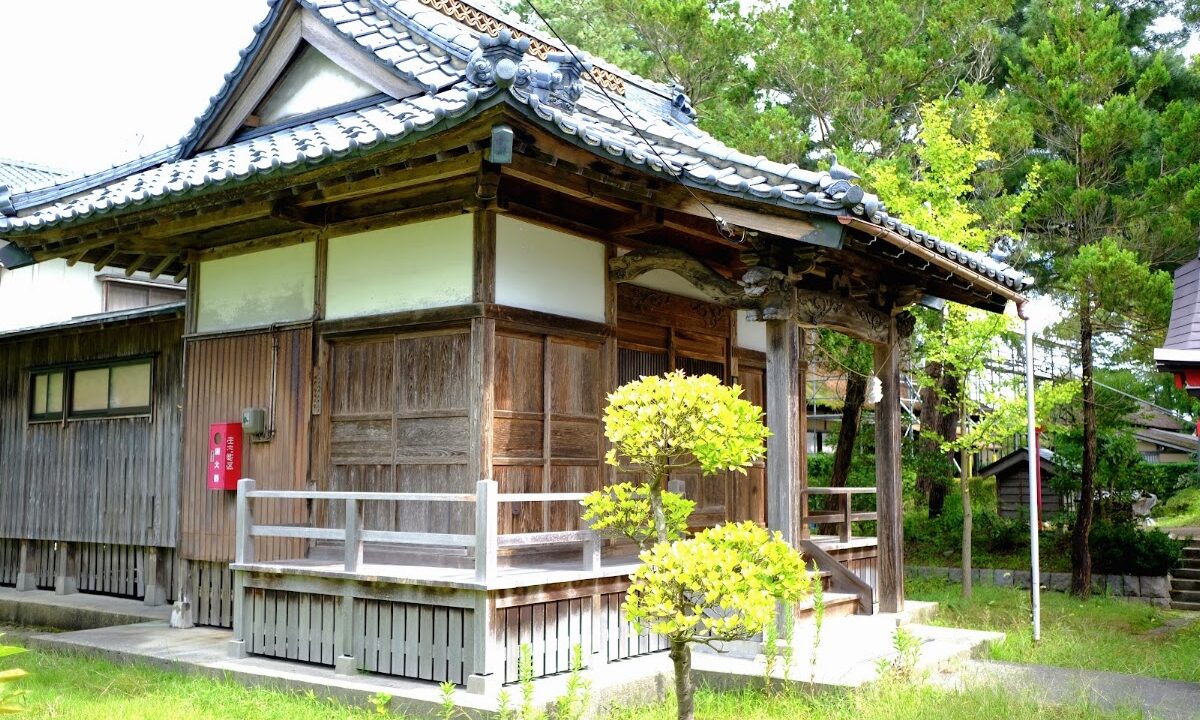
About Higashinamikushi Shrine (Niigata Prefecture)
Higashinamikushi Shrine is a historic shrine located in Niigata Prefecture. It is known as a shrine that has been cherished and revered by the local people for centuries. This article comprehensively introduces information useful for those considering visiting Higashinamikushi Shrine, including its history, enshrined deities, blessings, highlights of the grounds, annual events, worship methods, and access information.
History and Origins of Higashinamikushi Shrine
While the exact founding date of Higashinamikushi Shrine is unclear due to the loss of old records, local elders’ traditions and surviving documents suggest that it has been worshipped as a guardian deity of the region since ancient times.
The name “Namikushi” is thought to reflect the local topography and historical background. Niigata Prefecture faces the Sea of Japan and has a long history of deep connection with the sea. The inclusion of the character “奈彌 (nami)” in the shrine’s name suggests a connection to the sea and waves.
The shrine had already established a firm position as the local tutelary deity during the Edo period, and was a place of worship closely intertwined with the lives of the local residents. Despite being affected by the Meiji-era separation of Shinto and Buddhism and the shrine consolidation policy, it has been preserved by the fervent faith of the local people and continues to exist today.
Origin and Meaning of the Shrine Name
The shrine name “Higashi Namikushi” allows for several interpretations. “Higashi” indicates a direction, possibly signifying its location to the east from some reference point. “Namikushi” is thought to be related to ancient Japanese or local dialect, and is presumed to express the characteristics of the land or the divine power of the deity.
In ancient Japanese, “Nami” meant waves or arrangement, and “Kushi” referred to something miraculous, something possessing sacred and mysterious power. Therefore, the entire shrine name may mean “a shrine imbued with the sacred power of waves in the east.”
Deities and Benefits
Main Deity
The deities enshrined at Higashinamikushi Shrine are based on local traditions and the shrine’s history. As with many local shrines, it is possible that multiple deities are enshrined together, and that there are other deities enshrined in addition to the main deity.
Generally, the following deities are often enshrined in shrines in Niigata Prefecture:
- Okuninushi-no-Mikoto: Known as the god of nation-building, and the god of matchmaking, business prosperity, and abundant harvests.
- Susanoo-no-Mikoto: The god of protection against evil and disaster.
- Amaterasu-Omikami: The ancestral deity of the Imperial family and the supreme deity of Japan.
- Local Guardian Deity: The god who protects the land.
Benefits
The following benefits can be expected from visiting Higashinamikushi Shrine:
Family Safety and Harmony
As the local guardian deity, it protects the peace and safety of the homes of parishioners and visitors.
Abundant Harvests and Business Prosperity
Niigata Prefecture is known as a rice-producing region, and agriculture is thriving there. This shrine is revered as a place to pray for bountiful harvests and business prosperity.
Protection from Misfortune and Disaster
Many worshippers visit this shrine to pray for protection from misfortune and other life-changing events.
Matchmaking and Successful Relationships
As a deity that fosters good relationships between people, worshippers also visit to pray for success in love and smooth interpersonal relationships.
Health and Longevity
Worshippers pray for physical and mental health and longevity, visiting daily for good health prayers.
Highlights of the Shrine Grounds
Shrine Buildings
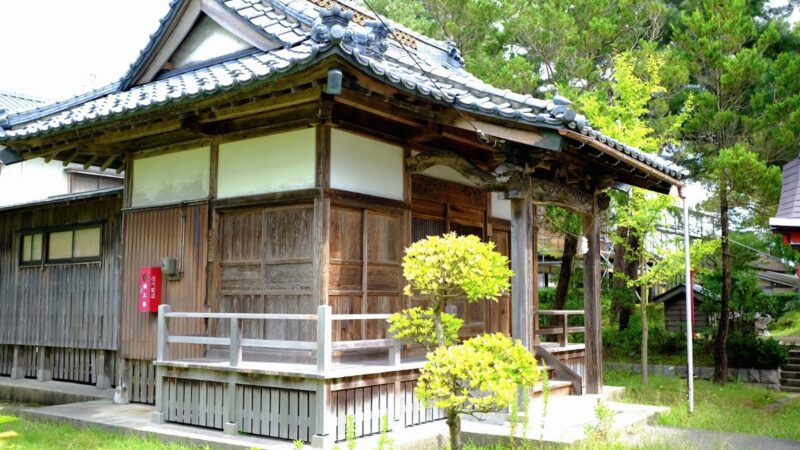
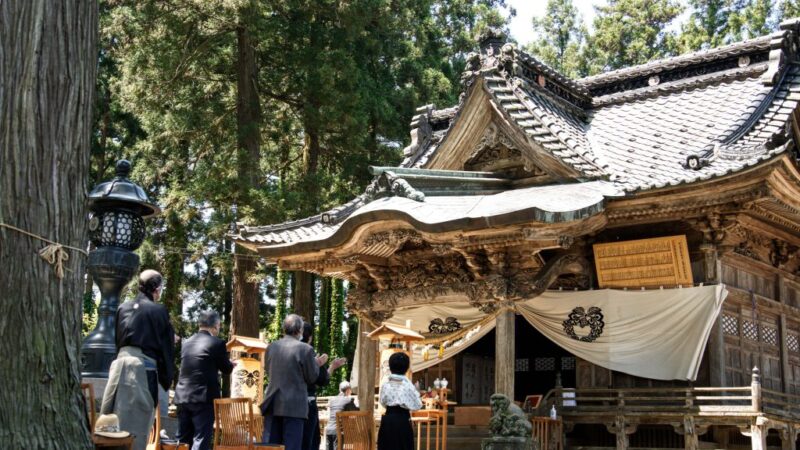
The shrine buildings of Higashinamikushi Shrine inherit the style of traditional shrine architecture. They are built to suit the climate and environment of Niigata Prefecture, and sometimes feature structural ingenuity unique to heavy snowfall areas.
The main hall is located at the innermost part of the sacred grounds and is a sacred place where the enshrined deity resides. The worship hall is located in front of the main hall and is where worshippers offer their prayers.
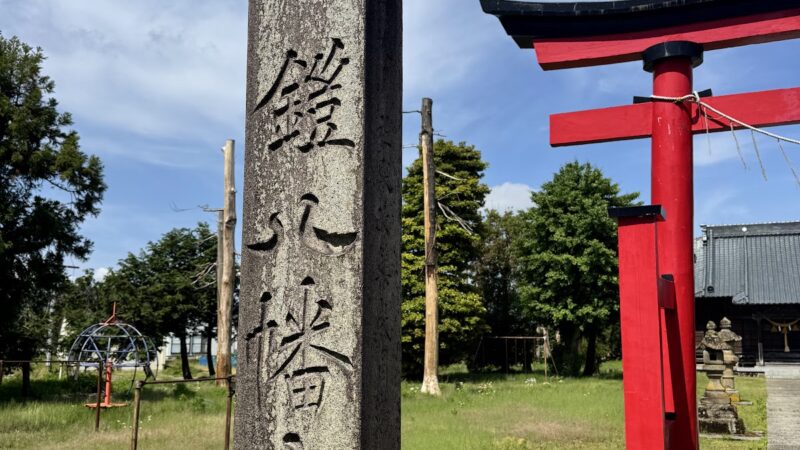
Torii Gate
The torii gate, which marks the entrance to a shrine, serves as a boundary separating the secular world from the sacred realm. The correct etiquette for worship is to bow when passing through the torii gate, showing respect for entering the sacred area.
Water Basin
Before worship, there is a water basin (chozuya/temizuya) where you purify your body and mind. By purifying your hands and mouth here, you practice the traditional Japanese custom of purifying yourself before approaching the shrine.
Komainu (Guardian Dogs)
A pair of komainu (guardian dogs) are placed to protect the shrine building. Komainu have the meaning of warding off evil and have been placed in shrines since ancient times as guardians of the sacred area.
Shrines within the Precincts
Besides the main shrine building, there may be small shrines or subsidiary shrines within the precincts. These reflect local beliefs and history, and each is said to offer unique blessings.
Sacred Tree
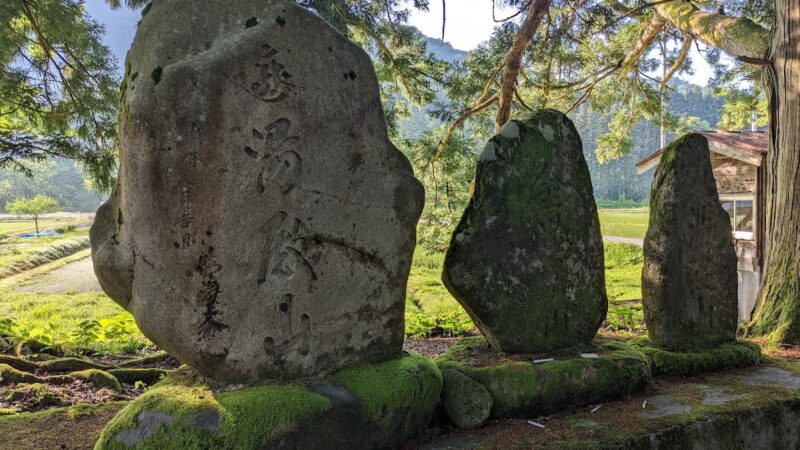
Many shrines have sacred trees that have stood for many years. The sacred tree, believed to be inhabited by a deity, is revered by worshippers as a guardian of the shrine’s history.
Annual Events and Festivals
At Higashinamikushi Shrine, various festivals and events are held throughout the year.
Grand Festival
The Grand Festival, considered the most important festival at many shrines, is held once or twice a year. Local people gather for the procession of the portable shrine and various offerings, providing an opportunity to deepen community bonds.
First Shrine Visit of the Year
Many worshippers visit the shrine for their first shrine visit of the year. They pray for safety and peace throughout the year and for happiness in the new year.
Setsubun Festival
Held on the day before the beginning of spring, the Setsubun Festival includes events such as bean-throwing, and prayers are offered to ward off evil and invite good fortune.
Summer Purification Ceremony
The Summer Purification Ceremony (Nagoshi no Oharae), held at the end of June, is a Shinto ritual to purify oneself of sins and impurities accumulated over the past six months. Events such as passing through a ring of reeds (Chino-wa Kuguri) may also be held.
Autumn Festival
In the autumn harvest season, an autumn festival is held to give thanks for a bountiful harvest. It is a traditional festival that reflects the local agricultural culture and has been passed down through generations.
Year-End Purification Ceremony
The Year-End Purification Ceremony (Toshikoshi no Oharae), held at the end of December, is a Shinto ritual to purify oneself of sins and impurities accumulated over the past year, allowing one to welcome the new year with a pure heart.
How to Visit and Manners
When visiting a shrine, it is important to observe basic etiquette and manners.
Basic Etiquette for Visiting a Shrine
1. Bowing at the Torii Gate
Before passing through the torii gate, stop briefly, bow slightly, and then enter the shrine grounds.
2. How to Walk Along the Shrine Path
The center of the shrine path is called the “seichu” and is considered the path of the gods. It is considered polite for worshippers to walk along the sides.
3. Proper Ritual of Washing Hands
At the washbasin, purify yourself in the following order:
- Hold the ladle in your right hand and wash your left hand.
- Switch the ladle to your left hand and wash your right hand.
- Hold the ladle again in your right hand, receive water in your left hand, and rinse your mouth.
- Wash your left hand once more.
- Hold the ladle upright, let water flow down the handle, and return it to its original position.
4. Proper Ritual of Worship (Two Bows, Two Claps, One Bow)
- Place your offering in the offering box.
- Ring the bell if there is one.
- Bow deeply twice.
- Clap your hands twice at chest height.
- Pray with your hands clasped together.
- Finally, bow deeply once.
Attire for Worship
Unless you are receiving a special prayer, everyday clothing is acceptable for worship. However, it is desirable to wear modest attire that reflects the sacred nature of the place. Avoid revealing or overly flashy clothing.
Photography Etiquette
Photography is generally permitted on the shrine grounds, but there are places and times when photography is prohibited, such as inside the main hall or during special Shinto rituals. Always check the information boards, and if unsure, inquire at the shrine office.
Amulets and Gifts
Amulets
At Higashinamikushi Shrine, various amulets are offered for different blessings. Typical shrine amulets include:
- Traffic Safety Amulet
- Family Safety Amulet
- Academic Success Amulet
- Protection from Evil Amulet
- Health Amulet
- Matchmaking Amulet
- Business Prosperity Amulet
Goshuin (Shrine Seals)
Goshuin are ink calligraphy and red seals given as proof of visiting a shrine. If you bring a goshuincho (seal book), the shrine’s seal and the date of your visit will be recorded. Collecting goshuin has become increasingly popular in recent years and is one of the joys of visiting shrines.
When receiving a Goshuin (temple/shrine stamp), it is important to visit the shrine office after your visit and make your request respectfully. Goshuin are not merely stamps; they are sacred symbols that connect you to the shrine, and should be treated with respect.
Fortune Slips
You can draw a fortune slip (omikuji) as a message from the gods. It’s important to carefully read the contents of the fortune slip, not just whether it’s good or bad, and use it as guidance for the future.
Access Information
Location
We recommend confirming the exact location of Higashinamikushi Shrine in advance. It is located in Niigata Prefecture and is a shrine beloved by the local community.
Transportation Access
Using Public Transportation
Access to shrines in Niigata Prefecture is generally by bus or taxi from the nearest station. Because Niigata Prefecture is vast, access methods vary greatly depending on the shrine’s location.
Before your visit, please check the following:
- Nearest JR station
- Bus routes and timetables from the station
- Walking distance from the bus stop to the shrine
- Taxi availability and travel time
If traveling by car
Traveling by car is convenient within Niigata Prefecture. Use a car navigation system or smartphone map app to accurately set the shrine’s location.
Due to heavy snowfall in Niigata Prefecture during winter, winter tires and preparation for driving on snowy roads are necessary. Road conditions change during snowfall, so plan your itinerary with ample time.
Parking
The availability and capacity of parking vary depending on the size and location of the shrine. During events such as annual festivals, congestion is expected, so consider using public transportation or arriving early.
Visiting Hours
While the shrine grounds are generally open for worship throughout the day, the shrine office has limited opening hours. If you wish to receive a Goshuin (shrine stamp) or amulet, it is recommended to check the shrine office’s opening hours in advance.
The general opening hours for shrine offices are from 9:00 AM to around 5:00 PM, but this varies depending on the shrine.
Nearby Tourist Attractions
When visiting Higashinamikushi Shrine, exploring the surrounding tourist attractions will allow you to experience the charm of Niigata Prefecture more deeply.
Attractions of Niigata Prefecture
Natural Scenery
Niigata Prefecture faces the Sea of Japan and is blessed with beautiful coastlines and mountains. You can enjoy the changing seasons.
Food Culture
Niigata Prefecture is one of Japan’s leading rice-producing regions, and sake production is also thriving. Local cuisine using fresh seafood and mountain produce is also appealing.
Hot Springs
There are many hot spring resorts within the prefecture, allowing you to relax and soothe your fatigue after visiting the shrine.
History and Culture
Niigata Prefecture boasts a rich cultural heritage, including temples and shrines with long histories, traditional crafts, and folk performing arts.
Points to Note When Visiting the Shrine
Seasonal Precautions
Winter (December-March)
Niigata Prefecture is one of Japan’s leading heavy snowfall areas. When visiting during winter, please note the following:
- Take sufficient precautions against the cold
- Wear non-slip shoes
- Check road conditions for snow and ice
- Act early due to shorter daylight hours
Summer (June-August)
- Take precautions against heatstroke (hydration, hat, etc.)
- Take precautions against insects
- Prepare rain gear in case of sudden weather changes
Manners and Etiquette
- Smoking is prohibited on the shrine grounds
- Pet policies vary by shrine, so please check in advance
- Keep loud conversations and noise to a minimum
- Always take your trash home with you
- Please respect the shrine’s facilities and nature
Connection with the Community
Higashina Mikushi Shrine is a central presence in the local community and is deeply connected to the lives of its residents.
Ujiko System
The Ujiko system, which supports Shinto shrines, is a traditional Japanese system in which local residents cooperate in the maintenance and management of shrines and the operation of festivals. Through the dedicated efforts of the Ujiko, shrines have been preserved for generations.
Local Events
Shrine festivals and events provide valuable opportunities for local people to gather and interact. Even in today’s increasingly urbanized world, the bonds of local communities centered around shrines play a vital role.
Cultural Transmission
The festivals and rituals passed down at shrines play a role in transmitting the history and culture of the region to future generations. With the challenge of passing on these traditions to younger generations, shrines also function as places for learning about traditional culture.
Significance of Shrine Visits
A Place of Spiritual Support
Shrines are places to escape the hustle and bustle of everyday life and quietly reflect on oneself. By joining hands in prayer before the deity, one can calm their mind and organize their feelings of gratitude and wishes.
Harmony with Nature
Many shrines are surrounded by abundant nature, allowing visitors to feel the blessings of nature and the changing seasons through worship. This is also an opportunity to connect with the spirit of nature worship that Japanese people have cherished since ancient times.
Experiencing Traditional Culture
Visiting a shrine is an opportunity to learn and practice traditional Japanese manners and etiquette. It allows you to rediscover the spirit of “harmony” and courtesy that are gradually being lost in modern society.
Connection with Community
Visiting a local shrine allows you to experience the history, culture, and lives of the people of that area. For travelers, it is an opportunity to learn about the true face of the region that cannot be found in tourist spots alone.
Summary
Higashina Mikushi Shrine is a historical and traditional shrine located in Niigata Prefecture. It has gathered the faith of local people and has been protected for many years.
Through worship, you can calm your mind in the tranquil atmosphere of the shrine and convey your daily gratitude and wishes to the gods. It is also an opportunity to experience the rich nature and culture of Niigata Prefecture.
When visiting a shrine, please observe basic worship etiquette and manners, and show respect for the sacred grounds. You can deepen your connection with the shrine in various ways, such as receiving a Goshuin (shrine stamp) or amulet, or participating in seasonal festivals.
If you have the opportunity to visit Niigata Prefecture, please be sure to visit Higashinamikushi Shrine and experience the charm of a shrine deeply rooted in the community. Spending time in the tranquil grounds will bring peace of mind and renewed energy.
Visiting a shrine is not merely sightseeing; it is a valuable experience of touching upon Japan’s spiritual culture. It is important for each individual to respect the history and traditions of the shrine and to have an awareness of passing them on to future generations.