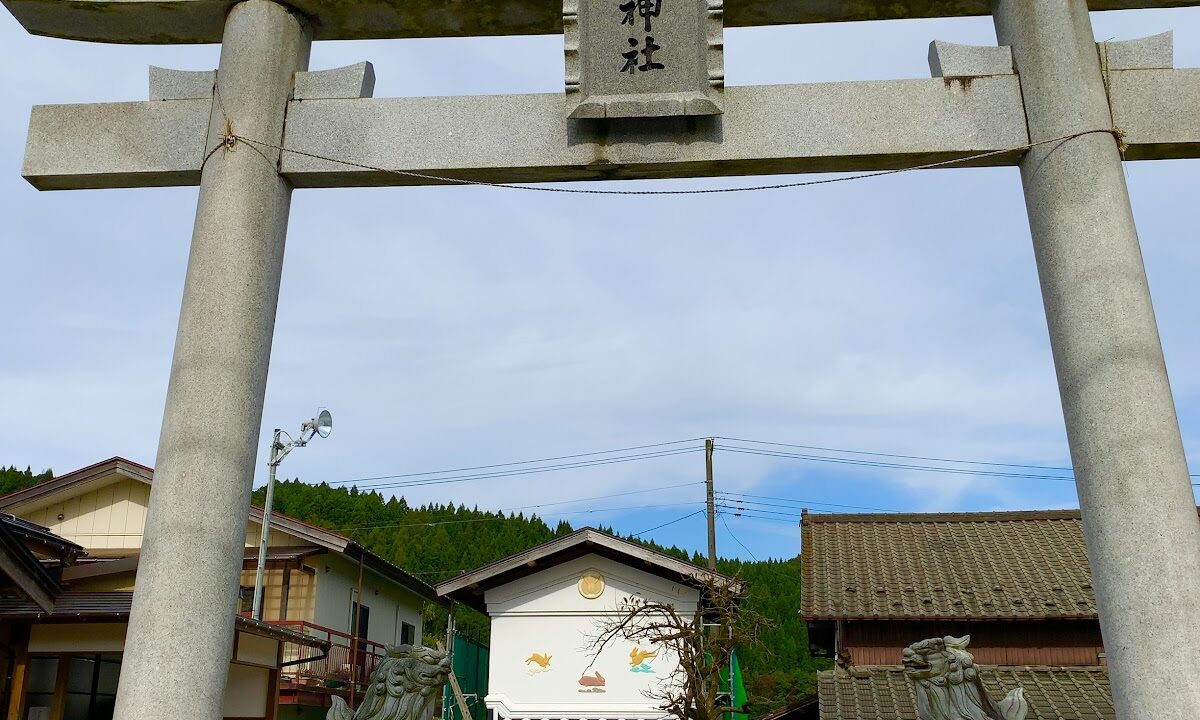
Complete Guide to Kousagi Shrine (Sekikawa Village, Niigata Prefecture) | A Thorough Explanation of Goshuin, Amulets, and Visiting Information at This Rabbit-Filled Sacred Site
Located in Sekikawa Village, Iwafune District, Niigata Prefecture, Kousagi Shrine is a rare shrine in Japan that, as its name suggests, enshrines a “shining rabbit.” Numerous rabbit figurines and sculptures are placed throughout the grounds, making it a sacred place for rabbit lovers. This article comprehensively explains everything you need to know before visiting Kousagi Shrine, from its history to its goshuin (seal stamps), offerings, access methods, and surrounding tourist information.
History and Origins of Kousagi Shrine
Founded in 861 and Jikaku Daishi
The history of Kousagi Shrine is ancient, dating back to 861 (Jōgan 3). It is said that the origins of this shrine date back to when Jikaku Daishi Ennin, a high-ranking priest of the Tendai sect, visited this area from Enryaku-ji Temple on Mount Hiei and opened Mount Kousagi.
Jikaku Daishi enshrined an inner sanctuary at the summit of Mount Kousagi, and it came to be revered as Kousagi Daigongen. Since then, for over 1000 years, it has been the guardian deity of the region, attracting the faith of the local people.
Natural Environment of Mount Kousagi and Onagawa
Kousagi Shrine is located on the banks of the scenic, clear stream of the Onagawa River. Mount Kousagi rises behind it, and the shrine is surrounded by beautiful natural scenery that changes with the seasons. Especially during the seasons of fresh greenery in spring and autumn foliage, many visitors enjoy nature walks in addition to their shrine visits.
Sekikawa Village is located in the northern part of Niigata Prefecture, near Murakami City, and is known as a region with rich nature and preserved traditional culture.
Deities and Beliefs
Main Deities: Kousagi-no-Okami and Tsukuyomi-no-Mikoto
The main deities of Kousagi Shrine are Kousagi-no-Okami and Tsukuyomi-no-Mikoto.
Kousagi-no-Okami, as its name suggests, is a deity in the form of a shining rabbit, and is believed to bring blessings of progress, improvement, and prosperity. Rabbits have long been considered a symbol of “progress” due to their high jumping ability, and have been objects of worship for business prosperity and career advancement.
Tsukuyomi-no-Mikoto is the moon god in Japanese mythology, and one of the Three Noble Children, alongside Amaterasu-Omikami and Susanoo-no-Mikoto. The relationship between the moon and rabbits has been spoken of since ancient times, and the deity is revered as the god who governs the phases of the moon, fertility, and the flow of time.
Deities Enshrined in the Side Hall
Kouto Shrine also has a side hall where the following deities are enshrined:
- Deities of the Grand Shrine (Deities of the Ise Grand Shrine lineage)
- Deities of Izumo Taisha (e.g., Okuninushi-no-Mikoto)
- Deities of Kotohira Shrine (e.g., Omononushi-no-Kami)
- Deities of Inari (e.g., Ukanomitama-no-Kami)
By enshrining these deities together, the shrine attracts worshippers from beyond the region, offering a variety of blessings.
Highlights of the Shrine Grounds
Rabbit-Shaped Topiary
The first thing that catches the eye when visiting Kouto Shrine is the rabbit-shaped topiary near the torii gate. This magnificent topiary is a work of art that the chief priest meticulously cared for over many years.
The shades of green change with the seasons; vibrant green in spring and summer, and more subdued colors in autumn and winter, offering different appearances depending on when you visit. Many visitors take commemorative photos in front of this plant, making it a symbolic landmark of Koutou Shrine.
Rabbit Figurines and Sculptures on the Shrine Grounds
The shrine grounds are dozens of rabbit figurines and sculptures of various sizes. Each rabbit has its own unique personality, from cute expressions to dignified poses and parent-child pairs, making it fun to search for them as you explore the grounds.
Many visitors come with the goal of photographing all the rabbits, and the shrine has become a popular topic on social media as the “Rabbit Shrine.” It is especially crowded during the New Year’s visit period in the Year of the Rabbit.
Main Hall and Worship Hall
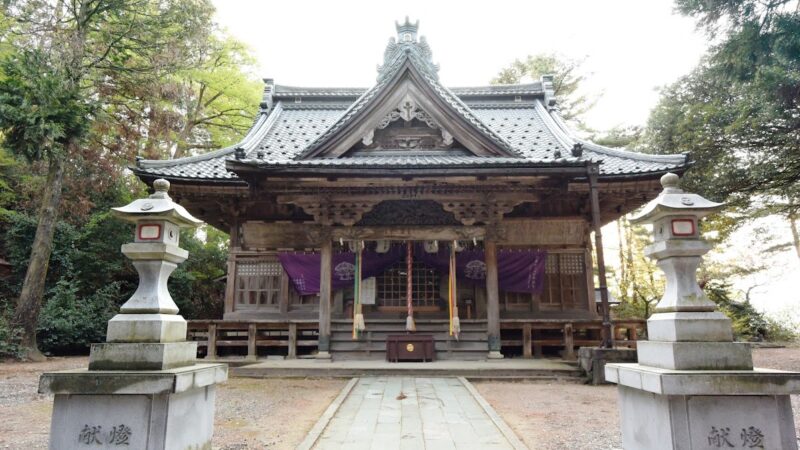
The main hall of Koutou Shrine is built in a traditional shrine architectural style, providing a tranquil atmosphere for worship. The worship hall is decorated with motifs of the moon and rabbits, showcasing meticulous attention to detail.
Nestled in a tranquil forest, the shrine offers the perfect environment for peaceful worship.
Goshuin (Shrine Seal) and Goshuincho (Shrine Seal Book) Information
Goshuin of Kouto Shrine
At Kouto Shrine, you can receive a Goshuin as a memento of your visit. The Goshuin features the calligraphy of “Kouto Shrine” and a rabbit motif stamp, making it a popular design among collectors.
Goshuin can be obtained at the shrine office, but since the head priest may be absent, it is recommended to contact the shrine in advance if you wish to be sure to receive one.
Original Goshuincho (Shrine Seal Book)
Kouto Shrine also offers an Original Goshuincho featuring a rabbit design. Its cute design is particularly popular with female visitors. Many people choose Kouto Shrine’s Goshuincho as their starting point for collecting Goshuin.
Items Offered and Amulets
Rabbit-themed Amulets
At Kousagi Shrine, various rabbit-themed amulets are offered:
- Good Fortune and Leap Amulet: An amulet wishing for leaps in life, drawing inspiration from the rabbit’s leaping ability.
- Matchmaking Amulet: Rabbits are also symbols of fertility, making this an amulet for finding a good match.
- Health and Longevity Amulet: An amulet for health and longevity, guided by the divine virtues of Tsukuyomi-no-Mikoto.
- Academic Success Amulet: An amulet for students wishing for ambition and progress.
All feature adorable rabbit designs and are perfect for personal use or as gifts.
Rabbit Figurines and Ema (Votive Tablets)
Small rabbit figurines are also popular as offerings. It is believed that displaying them on your home altar or in your entryway will bring the blessings of Kousagi-no-Okami.
In addition, rabbit-shaped ema are available, which you can write your wishes on and dedicate. Numerous votive tablets (ema) donated by worshippers hang on the shrine grounds, each bearing a unique wish.
Access Information
Access by Train
Nearest Station: JR Yonesaka Line “Echigo-Oshima Station” or “Echigo-Shimoseki Station”
Access from Niigata Station:
- Local Train: Approximately 70 minutes to Murakami Station, then approximately 15 minutes on the Yonesaka Line
- Express Train: Approximately 45 minutes to Murakami Station, then approximately 15 minutes on the Yonesaka Line
From the station to Kōto Shrine, you can walk or take a taxi. From Echigo-Shimoseki Station, it’s approximately a 20-minute walk or a 5-minute taxi ride.
Access by Car
Location: Shimoseki, Sekikawa Village, Iwafune District, Niigata Prefecture
- Approximately 30 minutes from the Arakawa-Tainai IC on the Nihonkai Tohoku Expressway
- Near the intersection of National Route 290 and Prefectural Route 273
The shrine has a parking lot for visitors, with space for several regular cars. However, it may be full during peak seasons such as New Year’s Day, so it is recommended to visit with plenty of time to spare.
Map and Navigation
Search for “Kousagi Shrine” or “Shimoseki, Sekikawa Village, Iwafune District, Niigata Prefecture” on your car navigation system or smartphone map app. It is located along National Route 290, making it relatively easy to find.
Best Season for Visiting and Recommended Stay
Recommended Season
Kousagi Shrine can be visited throughout the year, but the most recommended season is:
Spring (April-May): The fresh greenery is beautiful, and the rabbit-shaped plants are a vibrant green. The weather is mild, making it ideal for visiting. Autumn (October-November): The autumn leaves are at their peak, and the shrine grounds and surrounding nature are ablaze with color. The weather is cool and pleasant.
New Year’s Day in the Year of the Rabbit: The shrine is especially crowded with visitors for the first shrine visit of the Year of the Rabbit. As a shrine dedicated to rabbits, it is bustling with people praying for success in the coming year.
Recommended Visit Time
While a visit to Koutou Shrine itself only takes about 30 minutes, if you want to enjoy searching for rabbits on the grounds and taking photos, a stay of about 1 hour is recommended.
Including a stroll through the surrounding nature and along the Onagawa River, you can enjoy a leisurely 2-3 hours.
Nearby Tourist Attractions
Tourist Facilities in Sekikawa Village
When visiting Koutou Shrine, consider visiting other tourist attractions in Sekikawa Village:
Michi-no-Eki Sekikawa: You can purchase local specialties and fresh agricultural products. There are also restaurants where you can enjoy local flavors.
Sekikawa Onsen: This hot spring facility offers day-trip bathing, perfect for relaxing after a visit to the shrine.
Watanabe Residence: A wealthy farmer’s residence designated as a National Important Cultural Property, where you can admire Edo-period architecture.
Murakami City Area
Murakami City, close to Sekikawa Village, offers the following tourist attractions:
- Murakami Castle Ruins: A historical site with the remains of a mountain castle.
- Iyoboya Hall: A facility known as a salmon museum.
- Machiya Stroll: A walk through an area with preserved old townscapes.
The northern area of Niigata Prefecture is rich in nature and history, so we recommend enjoying sightseeing in the surrounding area in conjunction with a visit to Koutou Shrine.
Points to Note and Manners When Visiting the Shrine
Basic Manners for Visiting the Shrine
Koutou Shrine is a shrine deeply rooted in the local community. Please observe the following basic manners when visiting:
- Bow before the Torii Gate: Bow before entering the shrine grounds.
- Purify yourself at the Water Basin: If there is a water basin, purify your hands and mouth.
- Walk along the edge of the path: The center of the path is considered the path of the gods.
- Two bows, two claps, one bow: Perform the basic ritual of worship in front of the main hall.
Regarding Photography
Photography of the rabbit statues and plants on the shrine grounds is permitted, but please note the following:
- Refrain from taking photos inside the main hall.
- Be considerate of other visitors.
- When posting on social media, clearly state the location and encourage others to observe proper etiquette during their visit.
Shrine Office Hours
Please note that the head priest may not be present at all times when you wish to receive a Goshuin (shrine stamp) or other items. If you wish to be sure of receiving assistance, it is recommended to contact the shrine by phone in advance. This is especially important if you are visiting from afar.
The Charm and Value of Visiting Koutou Shrine
A Holy Site for Rabbit Lovers
Koutou Shrine is a rare shrine in Japan that focuses on “rabbits” as its main theme. The adorable rabbits placed throughout the shrine grounds create a calming and healing space for visitors.
For rabbit lovers, it is truly a holy site, attracting many fans from all over Japan. It is also gaining recognition as a “rabbit shrine” due to numerous posts on social media.
A Power Spot for Advancement and Improvement
The “jumping power” of rabbits is considered a symbol of advancement and improvement in life. It is believed that visiting Kōto Shrine can provide positive energy when embarking on new challenges, aiming for career advancement, or facing life-changing moments.
In particular, many students preparing for exams, job seekers, and those considering starting a business visit the shrine hoping for success.
A Healing Space Surrounded by Nature
The charm of Kōto Shrine isn’t limited to rabbits. The gentle murmur of the clear Onagawa River, the towering Mount Kōto in the background, and the seasonal natural scenery create a tranquil environment far removed from the hustle and bustle of the city.
It’s a precious place where people can calm their minds and feel the energy of nature, and many are repeat visitors.
Summary of Visiting Kōto Shrine
Kōto Shrine in Sekikawa Village, Niigata Prefecture, is a historical shrine founded in 861 AD (Jōgan 3), and is a rare rabbit shrine in Japan, enshrining Kōto Ōkami and Tsukuyomi-no-Mikoto.
With its meticulously cared-for rabbit-shaped plants, dozens of rabbit figurines placed throughout the grounds, and charmingly designed goshuin (temple/shrine stamps) and other offerings, this shrine is full of delightful sights.
Access is a bit of a journey – about 90 minutes by train from Niigata Station, or about 30 minutes by car from the Arakawa-Tainai Interchange – but it’s a shrine well worth the trip.
For rabbit lovers, those seeking advancement and growth, those wanting to find peace in nature, and those looking to visit a hidden gem in Niigata Prefecture, Koutou Shrine will undoubtedly create lasting memories.
Why not plan a visit to Koutou Shrine on your next holiday or trip? Adorable rabbits are sure to welcome you!