Complete Guide to Sorasaya Inao Shrine (Hiroshima Prefecture) | History, Blessings, Access, and Highlights Explained in Detail
Sorasaya Inao Shrine, located in Naka Ward, Hiroshima City, is a shrine that has been cherished by the local people for centuries as the guardian shrine of the Hiroshima castle town. Known for its blessings of matchmaking and business prosperity, it is a power spot that maintains a tranquil atmosphere despite being in the heart of Hiroshima, attracting attention from both locals and tourists.
This article provides a detailed explanation of everything you need to know before visiting Sorasaya Inao Shrine, including its history, enshrined deities, blessings, highlights within the grounds, access methods, and information on Goshuin (shrine stamps).
History and Origins of Sorasaya Inao Shrine
Origins of the Shrine and its Formation
The history of Sorasaya Inao Shrine is ancient, dating back to the Heian period. Originally, it consisted of two independent shrines, “Sorasaya Shrine” and “Inao Shrine,” but they were merged during the Meiji era to become the current “Sorasaya Inao Shrine.”
Kusaya Shrine is said to have been founded during the Kanji era (1087-1094) of the late Heian period. Legend says that a warrior who ruled this region at the time lost his sword in battle, leaving only the scabbard behind, while the blade vanished. The shrine’s name is said to originate from the enshrinement of this scabbard.
Inari Shrine was founded during the Keicho era (1596-1615) of the early Edo period, during the reign of Fukushima Masanori, the lord of the Hiroshima domain. As a shrine dedicated to praying for abundant harvests and business prosperity, it attracted the faith of the common people as Hiroshima Castle Town developed.
Deep Connections to Hiroshima Castle Town
Throughout the Edo period, Kusaya Inari Shrine played an important role as the principal guardian shrine of Hiroshima Castle Town. It was particularly revered by merchants and craftsmen, and records indicate that it was bustling with many worshippers on market days.
Following the Meiji Restoration’s policy of consolidating shrines, two shrines were formally merged during the Meiji era, resulting in the creation of the current Karasaya Inari Shrine. Although the shrine buildings were destroyed by the atomic bomb during World War II, they were rebuilt after the war through the efforts of local residents and remain to this day.
Deities and Divine Virtues
Main Deities
The following deities are enshrined at Karasaya Inari Shrine:
Ukanomitama-no-kami
Known as Inari-sama, this is the god of food and grains. They bestow blessings of abundant harvests, business prosperity, and industrial development.
Emperor Ojin
The 15th Emperor, worshipped as Hachiman-sama, the god of military success and national peace.
Empress Jingu
Emperor Ojin’s mother, she bestows blessings of safe childbirth, child-rearing, and protection of women.
Divine Blessings and Virtues
Kusasaya Inari Shrine is known for the following blessings:
- Business Prosperity and Success: Due to the divine virtues of Inari, many business owners and sole proprietors visit the shrine to pray for business prosperity and success.
- Matchmaking and Fulfillment of Good Relationships: Based on the legend of “Kusasaya” (empty sheath), it is believed to bring blessings for fateful encounters and good relationships.
- Family Safety and Protection from Evil: As the local guardian deity, it protects the safety and health of families.
- Academic Success and Passing Exams: Due to the divine virtues of Emperor Ojin, one can pray for success in academics and exams.
- Safe Childbirth and Child-Rearing: Due to the divine virtues of Empress Jingu, many visitors pray for safe childbirth and the healthy growth of their children.
Highlights of the Shrine Grounds
Main Hall and Worship Hall
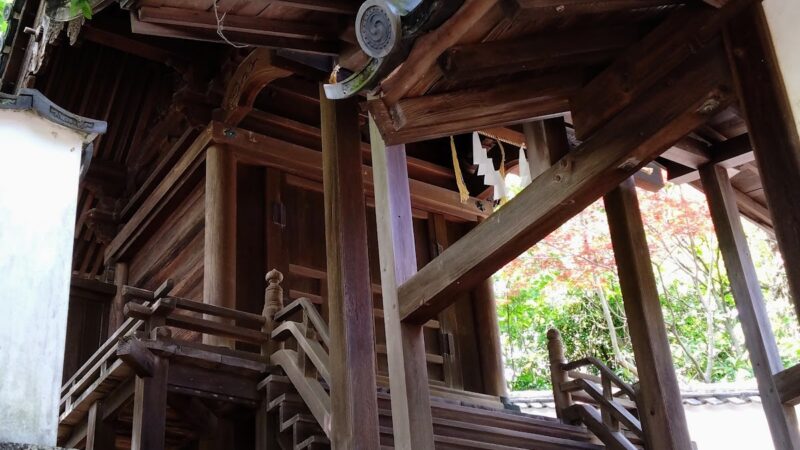
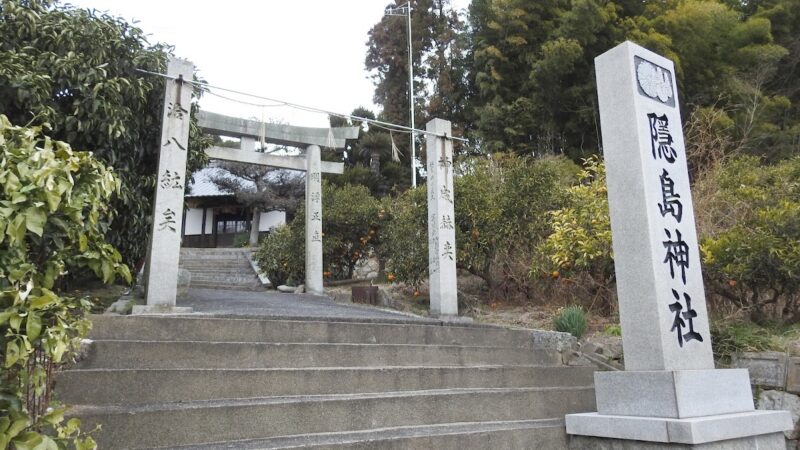
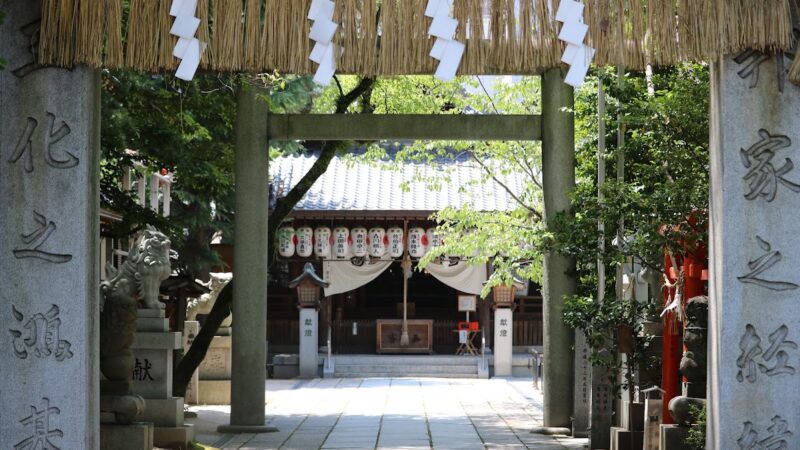
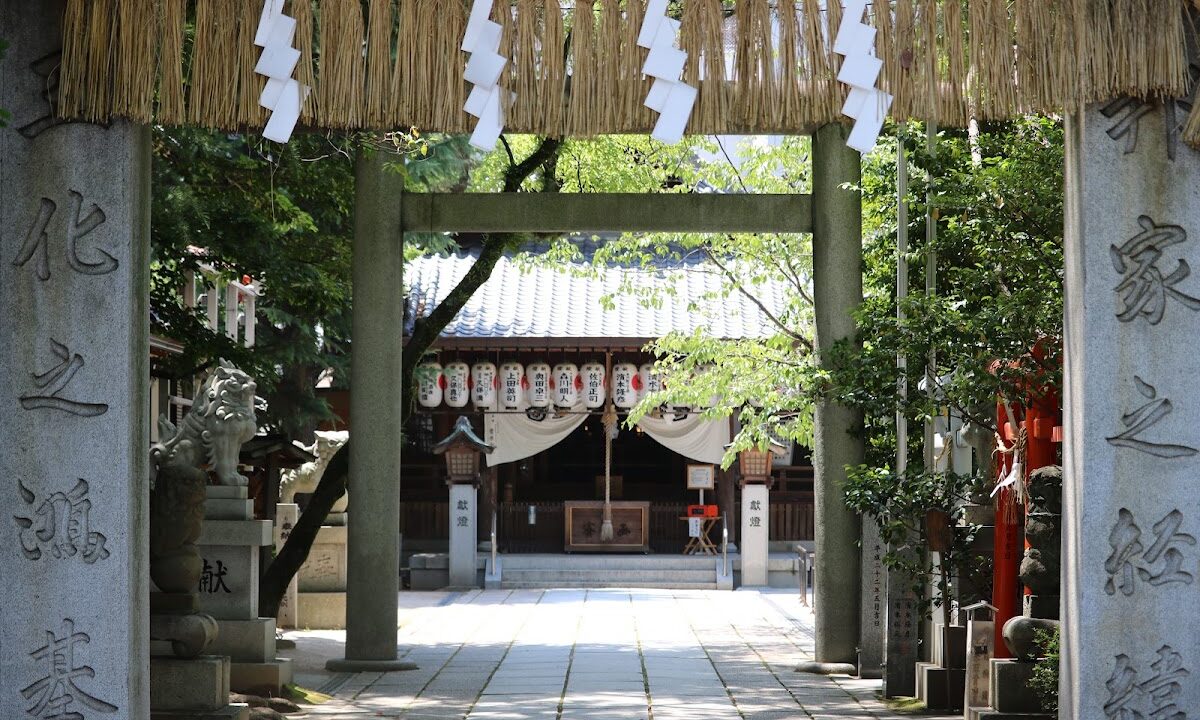
The main hall and worship hall, rebuilt after the war, have a simple yet dignified design. Passing through the vermilion torii gate and ascending the stone steps, the main hall appears, enveloped in a tranquil atmosphere that makes you forget the hustle and bustle of the city.
Komainu and Stone Sculptures
Within the shrine grounds, there are stone sculptures donated from the Edo period to the Meiji period. In particular, the komainu (guardian lion-dogs) in front of the main hall are valuable cultural assets that convey the techniques of Hiroshima’s stonemasons to the present day.
Sacred Tree
Within the shrine grounds is a sacred tree said to be several hundred years old, which has watched over the region throughout its long history. Having survived the atomic bombing, these trees also hold significance as symbols of Hiroshima’s reconstruction.
Subsidiary Shrines and Auxiliary Shrines
Several subsidiary shrines are enshrined around the main hall, each with different divine blessings. Visiting these subsidiary shrines during your worship will allow you to receive a wider variety of blessings.
Annual Events and Festivals
Main Annual Events
At Karasaya Inari Shrine, various festivals are held throughout the year.
New Year’s Visit (January 1st-3rd)
Many worshippers visit the shrine for New Year’s prayers for happiness and safety throughout the year. The first three days are especially crowded, so it is recommended to allow ample time for your visit.
Setsubun Festival (Around February 3rd)
Bean-throwing ceremonies are held, and this event is popular among locals as a way to ward off evil and invite good fortune.
Grand Festival (October)
The Grand Festival, the most important festival of the year, is held in the autumn. A procession of portable shrines and various offerings take place, enveloping the entire community in a festive atmosphere.
Shichi-Go-San (November)
Many families visit the shrine during Shichi-Go-San, a celebration of children’s growth. Prayers can be received with prior reservation.
Information on Goshuin (Shrine Seals) and Other Items
Goshuin (Shrine Seals)
At Sorasaya Inari Shrine, you can receive a goshuin as proof of your visit. Please bring your goshuincho (seal book) and apply during the shrine office’s opening hours. The offering fee is generally around 300 to 500 yen.
The goshuin will have the shrine’s name and date of visit written in ink, and the shrine’s seal will be stamped. The carefully written goshuin is something you’ll want to cherish as a memento of your visit.
Items and Amulets
Various items and amulets are available at the shrine office.
- Business Prosperity Charm: A charm to pray for business success and prosperity.
- Matchmaking Charm: A charm to pray for a successful relationship.
- Exorcism Charm: A charm to ward off misfortune and protect oneself.
- Academic Success Charm: A charm to pray for passing exams and academic improvement.
- Safe Childbirth Charm: A charm to pray for a safe childbirth and the health of mother and child.
- Traffic Safety Charm: A charm to protect oneself from traffic accidents.
Other items such as votive tablets and amulets are also available.
Access and Visiting Information
Location
Address: 8-8 Enokimachi, Naka-ku, Hiroshima City, Hiroshima Prefecture 730-0851
Transportation Access
Access by Train
- Approximately 3 minutes on foot from the Hiroshima Electric Railway “Ginzancho” tram stop
- Approximately 5 minutes on foot from the Hiroshima Electric Railway “Ebisu-cho” tram stop
- Approximately 7 minutes on foot from the Hiroshima Electric Railway “Hatchobori” tram stop
Located in the heart of Hiroshima City, it is easily accessible by tram.
Access by Bus
- Approximately 2 minutes on foot from the Hiroshima Bus “Enokimachi” bus stop
Access by Car
- Approximately 20 minutes from the Sanyo Expressway “Hiroshima IC”
- Approximately 10 minutes from the Hiroshima Expressway “Shinonome Exit”
*Since dedicated parking is limited, we recommend using public transportation. Coin parking is also available nearby.
Visiting Hours and Shrine Office Hours
Visiting Hours: The shrine grounds are generally open 24 hours a day for free worship.
Shrine Office Hours: 9:00 AM to 5:00 PM (approximate)
*Please note that Goshuin (shrine stamps) and other items are only available during the shrine office’s opening hours.
*Hours may change due to festivals and events; it is recommended to check in advance.
Admission Fee
Admission is free.
Manners and Etiquette for Visiting a Shrine
When visiting a shrine, please observe the following basic manners and etiquette.
How to Pass Through the Torii Gate
The torii gate is the entrance to the sacred area. Before passing through the torii gate, bow and compose yourself before entering the grounds. Since the center of the path is considered the path of the gods, it is polite to walk along the sides.
How to Wash Your Hands
Purify yourself at the water basin.
- Hold the ladle in your right hand and purify your left hand.
- Switch the ladle to your left hand and purify your right hand.
- Switch the ladle back to your right hand, receive water in your left hand, and rinse your mouth.
- Purify your left hand once more.
- Hold the ladle upright, purify the handle, and return it to its original place.
Proper Worship Etiquette at the Shrine
The basic worship etiquette is “two bows, two claps, one bow.”
- Place your offering in the offering box.
- Ring the bell if there is one.
- Bow deeply twice (two bows).
- Clap your hands twice at chest height (two claps).
- With your hands clasped together, silently express your wishes and gratitude.
- Finally, bow deeply once (one bow).
Nearby Tourist Attractions
Kusaya Inari Shrine is located in the center of Hiroshima City, so there are many tourist attractions nearby.
Hiroshima Castle
Located about a 15-minute walk from the shrine, Hiroshima Castle is a famous castle built by Mori Terumoto. From the keep, you can enjoy a panoramic view of Hiroshima city, and there is also a historical museum within the castle grounds.
Shukkei-en Garden
This Japanese garden was built as a villa for the Asano family, the lords of the Hiroshima domain, and offers beautiful scenery throughout the seasons. It’s about a 20-minute walk from the shrine.
Hondori Shopping Street & Hatchobori
Hiroshima’s largest shopping and entertainment district, offering shopping and dining options. It’s within walking distance of the shrine.
Peace Memorial Park & Atomic Bomb Dome
The Atomic Bomb Dome and Peace Memorial Park, both registered as World Heritage Sites, are must-see places when visiting Hiroshima. It’s about a 10-minute tram ride from the shrine.
The Charm and Power Spot Characteristics of Karasaya Inari Shrine
A Tranquil Space in the City
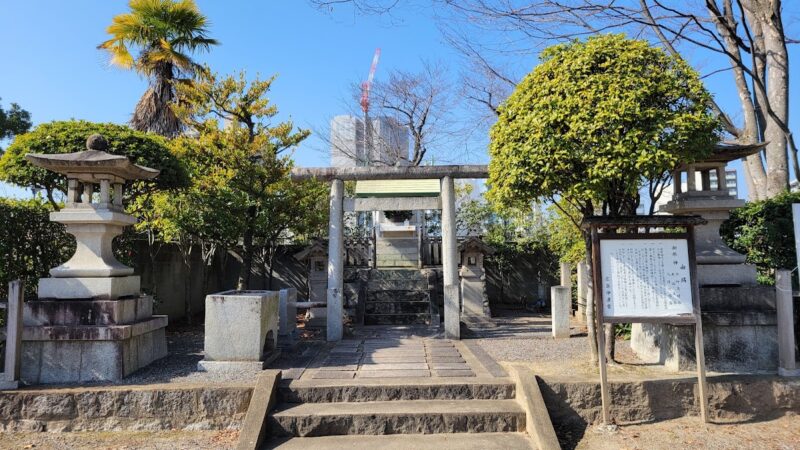
Despite its location in the heart of Hiroshima city, the shrine grounds are enveloped in a quiet and peaceful atmosphere. Despite being located in the heart of a bustling city surrounded by buildings, stepping onto the shrine grounds offers a tranquil escape, like entering another world.
It’s a precious place to escape the hustle and bustle of everyday life, find peace of mind, and have time to reflect on oneself.
A Faith Rooted in the Community
This shrine has a long history, deeply intertwined with the lives of the local people. Visitors pray here at various milestones in life, such as for business prosperity, family safety, and the healthy growth of children, and it has served as a spiritual support for the local community.
Even today, it remains a cherished shrine for the locals, and its warm atmosphere gently welcomes visitors.
A Power Spot for Matchmaking
Based on the legend that gave rise to the name “Sorasaya,” it is also known as a power spot for fateful encounters and good relationships. Many people visit not only to pray for romantic success, but also to seek good fortune in work and relationships.
A Place to Tell the History of Hiroshima
As a shrine that recovered from the damage of the atomic bomb, it conveys the history of Hiroshima and the strength of its people. The sacred trees and stone structures on the grounds are symbols of Hiroshima’s resilience in overcoming adversity. ## Points to Note and Manners When Visiting a Shrine
Regarding Attire
While casual attire is acceptable, please avoid overly casual or revealing clothing. Especially if you are receiving prayers, somewhat formal attire is preferable.
Regarding Photography
Photography is generally permitted on the shrine grounds, but please be considerate of the privacy of those inside the main hall and other visitors. It is important to maintain a quiet atmosphere by refraining from flash photography and loud conversations.
Regarding Bringing Pets
Some shrines may have restrictions on bringing pets. Please check in advance or follow the signs on the shrine grounds.
Regarding the Time of Visit
Expect crowds during New Year’s visits and annual festivals. If you wish to visit at a leisurely pace, it is best to choose a relatively less crowded time, such as weekday mornings.
Tips for Visiting a Shrine from Locals
Recommended Time of Visit
Early morning visits are recommended. Visiting in the refreshing morning air will refresh both your mind and body. Furthermore, with fewer people around, you can visit the shrine in a quiet and peaceful atmosphere.
Local Gourmet Information
Around the shrine, you’ll find many Hiroshima-style okonomiyaki restaurants and popular local cafes. Enjoying Hiroshima’s cuisine after your visit is highly recommended.
Seasonal Highlights
Spring: The cherry blossoms in the shrine grounds bloom beautifully, allowing you to feel the arrival of spring.
Summer: The lush green grounds offer a cool and refreshing escape from the city heat.
Autumn: The annual festival is held, allowing you to enjoy the lively atmosphere. The autumn leaves are also beautiful this season.
Winter: The tranquil atmosphere intensifies, making it a season for peaceful worship. The lively atmosphere of New Year’s visits is also a highlight.
Summary
Kusasaya Inari Shrine is a historic shrine that maintains a quiet atmosphere despite being located in the heart of Hiroshima City. It offers various blessings, including business prosperity, matchmaking, and family safety, and has been cherished by locals for many years. When you visit Hiroshima, be sure to stop by. Away from the hustle and bustle of the city, you can find peace of mind and spend precious time reflecting on yourself in a sacred atmosphere.
It’s easily accessible, and there are many other tourist attractions nearby, such as Hiroshima Castle and Peace Memorial Park. Why not incorporate it into your Hiroshima sightseeing itinerary and enjoy both shrine visits and sightseeing?
Feeling the history and tradition, and praying for new encounters and good fortune—Kusasaya Inari Shrine offers such a special experience. Pray with a heartfelt devotion and feel the blessings of the gods rooted in the land of Hiroshima.