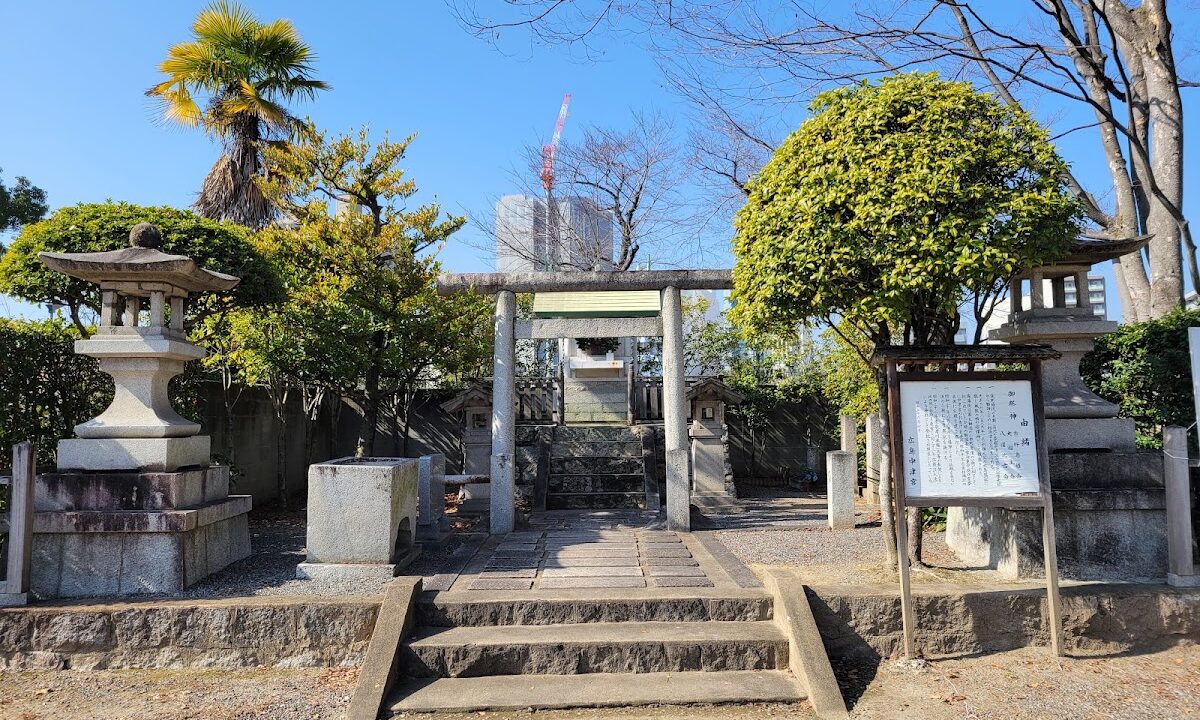
Nakatsu-miya Shrine (Hiroshima Prefecture) Complete Guide: A Thorough Explanation of the History, Benefits, and Visiting Methods of Itsukushima Shrine’s Subsidiary Shrine
Nakatsu-miya Shrine, located on Miyajima Island in Hatsukaichi City, Hiroshima Prefecture, is one of the important subsidiary shrines of the World Heritage Site, Itsukushima Shrine. This article provides a detailed explanation of everything you need to know before visiting, from the history of Nakatsu-miya Shrine, its enshrined deities, benefits, visiting methods, to access information.
What is Nakatsu-miya Shrine?: An Important Subsidiary Shrine of Itsukushima Shrine
Nakatsu-miya Shrine is a subsidiary shrine of Itsukushima Shrine, located near Omoto Park on Miyajima Island. While Itsukushima Shrine’s main shrine is known for its magnificent sanctuary built on the sea, Nakatsu-miya Shrine is a charming shrine nestled in a quiet forest, and is beloved by many visitors.
The Position of the Three Shrines within Itsukushima Shrine
Itsukushima Shrine has three important subsidiary shrines called “Three Shrines,” and Nakatsu-miya Shrine is one of them. The Three Shrines:
- Kamitsumiya: Located near the summit of Mt. Misen
- Nakatsumiya: Located around Omoto Park
- Shimotsumimiya: Located near the main shrine of Itsukushima Shrine
These three shrines are located in different places and play an important role in supporting the faith of Itsukushima. Nakatsumiya is said to have been named “Nakatsu” (meaning “middle”) because it is located in the middle of the three.
History of Nakatsumiya: A Place of Worship Since Ancient Times
Founding and History
The exact founding date of Nakatsumiya is not clearly known, but it is deeply intertwined with the history of Itsukushima Shrine. Itsukushima Shrine is said to have been founded in the first year of Emperor Suiko’s reign (593 AD), and it is believed that Nakatsumiya was also an object of worship around this time.
During the Heian period, Taira no Kiyomori was a devout follower of Itsukushima Shrine and dedicated himself to the construction of the shrine buildings. It is presumed that the subsidiary shrines, including Nakatsu-gu, were also renovated during this period.
Historical Changes
Nakatsu-gu Shrine has undergone the following changes throughout its long history:
Late Heian Period: Revered by the Taira clan, it played a part in the Itsukushima faith.
Kamakura and Muromachi Periods: Even under the samurai government, faith in Itsukushima Shrine continued, and Nakatsu-gu Shrine attracted many worshippers.
Sengoku Period: The Mori clan ruled Itsukushima and worked to protect the shrine.
Edo Period: Received the patronage of the Asano clan, lords of the Hiroshima domain, and underwent regular repairs.
Meiji Era and Beyond: Due to the separation of Shinto and Buddhism, it transformed from a syncretic Shinto-Buddhist form to a purely Shinto shrine.
Showa and Heisei Eras: Itsukushima Shrine was registered as a World Heritage Site (1996), and the cultural value of Miyajima, including Nakatsu-gu Shrine, was internationally recognized.
Deity Enshrined: The Divine Virtues of Ichikishima-hime no Mikoto
Main Deity
The deity enshrined at Nakatsu-gu Shrine is Ichikishima-hime no Mikoto. Ichikishimahime-no-Mikoto is one of the three goddesses (the Munakata Three Goddesses) appearing in Japanese mythology, and is also the principal deity of Itsukushima Shrine.
About the Munakata Three Goddesses
The Munakata Three Goddesses are three goddesses born from the oath (ukei) between Amaterasu Omikami and Susanoo-no-Mikoto:
- Tagorihime-no-Mikoto
- Ichikishimahime-no-Mikoto
- Tagitsuhime-no-Mikoto
These goddesses have been worshipped since ancient times as guardians of maritime traffic. Itsukushima Shrine enshrines all three goddesses, and Ichikishimahime-no-Mikoto is the principal deity at Nakatsu-gu Shrine.
Divine Aspects of Ichikishimahime-no-Mikoto
Ichikishimahime-no-Mikoto is believed to possess the following divine attributes:
- Guardian Deity of Maritime Safety: Protects safe voyages
- Deity of Traffic Safety: Also presides over land traffic safety
- Deity of Performing Arts: Synchronized with Benzaiten, she is also worshipped as the goddess of performing arts and music
- Goddess of Beauty: As a goddess of beauty, she also grants blessings for beauty and matchmaking
Benefits of Nakatsu-gu Shrine: Divine Virtues Gained Through Worship
By visiting Nakatsu-gu Shrine, the following benefits are believed to be obtained:
Main Benefits
Maritime Safety and Traffic Safety
Benefits as the guardian deity of maritime traffic, which is Ichikishimahime-no-Mikoto’s original divine attribute. Many people involved in fishing, sailors, and in modern times, those praying for traffic safety in cars and motorcycles, visit the shrine.
Improvement in Performing Arts
Due to her syncretism with Benzaiten, worshippers visit to pray for improvement in performing arts such as music, dance, and theater. She is also a devout follower of musicians and those involved in the entertainment industry.
Business Prosperity
As Benzaiten is also a goddess of wealth, worshippers can expect blessings for business prosperity and increased financial luck.
Matchmaking and Good Relationships
Due to her image as a beautiful goddess, worshippers also pray for good relationships and success in love.
Academic Success
As she is also a goddess of wisdom, some people pray for academic success and passing entrance exams.
Special Prayers
At Nakatsu-gu Shrine, just like at Itsukushima Shrine, prayers for important life events are accepted:
- First Shrine Visit (for a newborn)
- Shichi-Go-San (7-5-3 Festival)
- Exorcism/Protection from Evil
- Prayer for Safe Childbirth
- Family Safety
Guide to Nakatsu-gu Shrine Grounds
Features of the Shrine Buildings
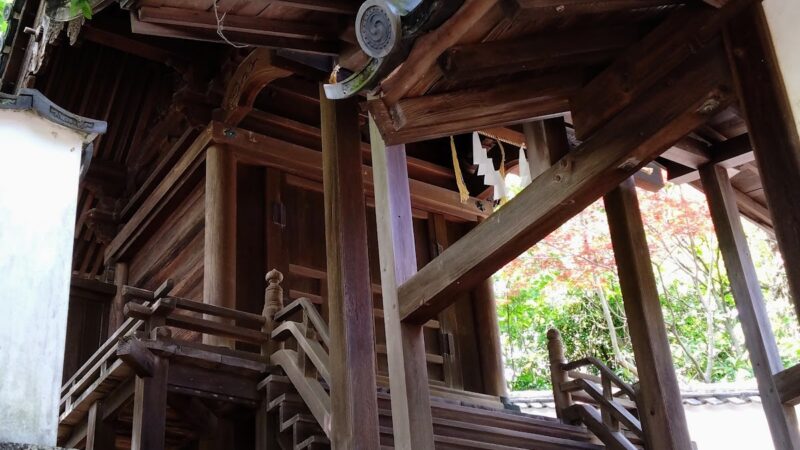
Unlike the splendor of Itsukushima Shrine’s main building on the sea, Nakatsu-gu Shrine’s buildings are simple yet dignified, standing quietly in the forest.
Main Hall: A traditional shrine building with a cypress bark roof.
Worship Hall: A place where worshippers offer their prayers. Simple yet solemn atmosphere.
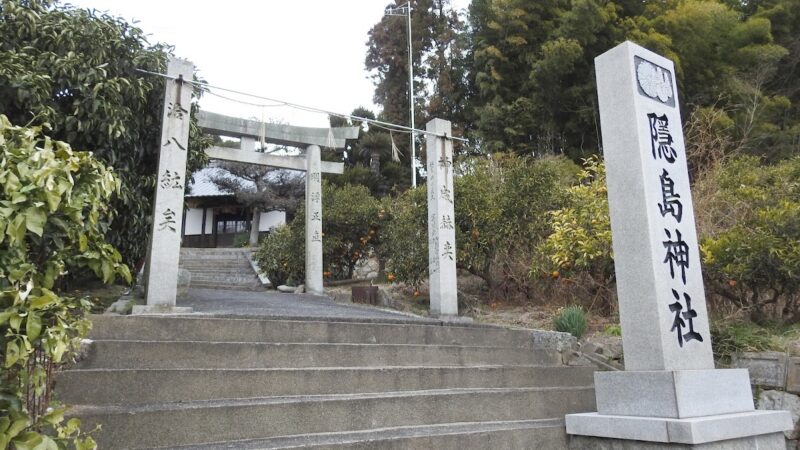
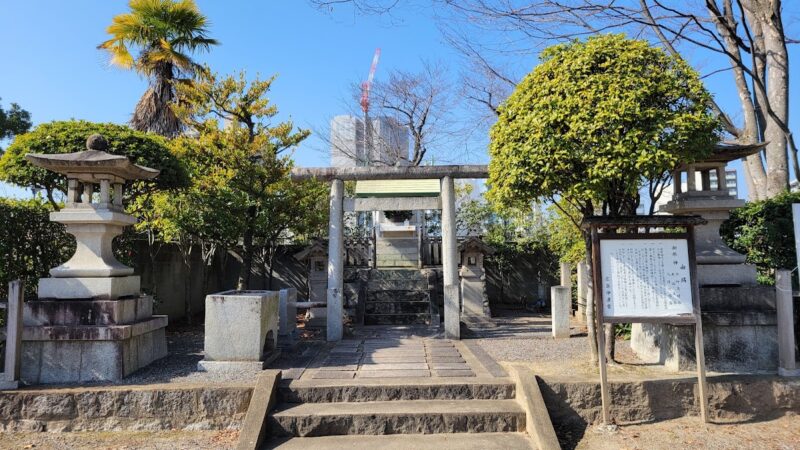
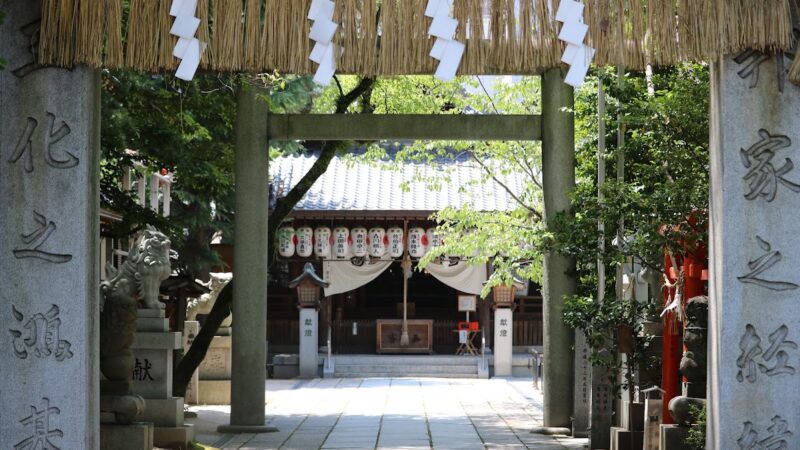
Torii Gate: The torii gate standing at the entrance to the grounds harmonizes beautifully with the nature of Miyajima.
Highlights of the Shrine Grounds
Sacred Forest
The area surrounding Nakatsu-gu Shrine retains rich nature, close to a primeval forest. Giant trees and seasonal flowers welcome visitors, creating a sacred atmosphere.
Stone Steps
The stone steps leading to the temple grounds are covered in moss from the passage of many years, conveying a sense of history.
Water Basin
The water basin, where visitors purify themselves before praying, is also a tasteful structure that makes use of natural stones.
How to Worship: Correct Etiquette and Manners
Basic Worship Etiquette
Worship at Nakatsu-gu Shrine follows the general etiquette for visiting a shrine:
- Bow before the Torii Gate: Before entering the shrine grounds, bow before the Torii gate.
- Purify yourself at the Water Basin:
- Hold the ladle in your right hand and wash your left hand.
- Switch the ladle to your left hand and wash your right hand.
- Hold the ladle in your right hand again, receive water in your left hand, and rinse your mouth.
- Finally, hold the ladle upright and rinse the handle.
- Walk along the edge of the path: The center of the path is considered the path of the gods, so walk along the edge.
- Worship at the Main Hall:
- Quietly place your offering in the offering box.
- Ring the bell if there is one.
- Bow twice, clap twice, bow once.
- Make your wish silently.
- Bow upon leaving: When leaving, turn back and bow in front of the torii gate.
Attire for Visiting
There are no specific dress code requirements, but it is desirable to dress appropriately for a sacred place:
- Clean and presentable attire
- Avoid excessive exposure
- Remove hats and sunglasses within the shrine grounds
- For formal visits, suits are preferred for men, and suits or traditional Japanese attire for women.
Access: How to get there on Miyajima Island
Arrival at Miyajima
First, you need to arrive at Miyajima.
Using the Ferry
- JR West Miyajima Ferry: Departs from the pier a short walk from JR Miyajimaguchi Station
- Miyajima Matsudai Kisen: Departs from Miyajimaguchi Pier
- Travel time: Approximately 10 minutes
- Fare: 180 yen one way for adults (as of 2024)
From Miyajima Pier to Nakatsu-gu Shrine
After arriving at Miyajima Pier, there are the following routes to Nakatsu-gu Shrine.
Recommended Walking Route
- From Miyajima Pier, head towards Itsukushima Shrine.
- After visiting Itsukushima Shrine, head west (towards Omoto).
- Proceed towards Omoto Park.
- Follow the signs to Nakatsu-gu Shrine.
Estimated time: Approximately 30-40 minutes from Miyajima Pier.
Distance: Approximately 2km
For those with limited physical fitness
Shared taxis and rental bicycles are available for some sections of Miyajima Island. However, the section immediately before Nakatsu-gu Shrine is only accessible on foot.
Optimal Pilgrimage Route
Recommended routes for efficiently visiting Miyajima’s highlights:
Half-Day Course
Miyajima Pier → Itsukushima Shrine → Daiganji Temple → Treasure Museum → Omoto Park → Nakatsu-gu Shrine → Miyajima Pier
Full-Day Course
Miyajima Pier → Itsukushima Shrine → Five-Storied Pagoda → Senjokaku → Omoto Park → Nakatsu-gu Shrine → Momijidani Park → Misen Ropeway → Misen Summit (Kamitsu-gu Shrine) → Miyajima Pier
Nearby Attractions: Spots to Visit in conjunction with Nakatsu-gu Shrine
Omoto Park
A park located very close to Nakatsu-gu Shrine, known for its cherry blossoms. In spring, the magnificent rows of cherry trees delight visitors.
Omoto Shrine
An ancient shrine within walking distance of Nakatsu-gu Shrine. It enshrines Kunitokotachi-no-Mikoto and is considered one of the oldest shrines on Miyajima.
Itsukushima Shrine Main Shrine
A world heritage site, as everyone knows. The large torii gate and shrine buildings floating on the sea are a must-see. Visit them in conjunction with your visit to Nakatsu-gu Shrine.
Mount Misen
The highest peak on Miyajima Island (535m above sea level). Kamitsu-gu Shrine is located at the summit, allowing you to complete a pilgrimage to all three shrines (Kamitsu-gu, Nakatsu-gu, and Kamitsu-gu). Accessible by ropeway and on foot.
Momijidani Park
A park beautiful with autumn foliage. The Misen Ropeway station is also located here.
Annual Events: Nakatsu-gu Shrine Festivals
Nakatsu-gu Shrine holds various festivals in conjunction with the annual events of Itsukushima Shrine.
Main Annual Events
January 1st: Saitansai (New Year’s Festival)
A festival celebrating the New Year. It is bustling with many first-time visitors.
February: Setsubun (Bean-throwing Festival)
Events such as bean-throwing are held.
April 15th: Toukasai (Peach Blossom Festival)
One of Itsukushima Shrine’s important festivals. There are performances of Gagaku (ancient Japanese court music) and Bugaku (court dance).
June 17th: Kangensai (Orchestral Festival)
The largest festival at Itsukushima Shrine. A Shinto ritual recreating the elegant boat excursions of the Heian period.
October 15th: Kikkasai (Chrysanthemum Festival)
A festival to give thanks for the autumn harvest.
December 31st: Chinkasai (Fire Prevention Festival)
A festival to pray for protection against fire. Held as the culmination of the year.
Best Season for Visiting
Spring (March-May)
Recommendation: ★★★★★
- Cherry blossoms at Oomoto Park are in full bloom (late March-early April)
- Beautiful fresh greenery and mild weather
- Events such as the Peach Blossom Festival are also held
Summer (June-August)
Recommendation: ★★★☆☆
- The June Gagaku Festival is a must-see
- Lush greenery, perfect for forest bathing
- High heat and humidity require precautions against heatstroke
Autumn (September-November)
Recommendation: ★★★★★
- Beautiful autumn foliage (mid-to-late November)
- Pleasant weather, ideal for visiting
- Events such as the Chrysanthemum Festival are also held
Winter (December-February)
Recommendation: ★★★☆☆
- Fewer tourists, allowing for peaceful worship
- Clear air and beautiful scenery
- Events such as New Year’s visits and fire prevention festivals
- Cold weather precautions are necessary
Precautions when visiting
Rules for Miyajima as a whole
No feeding the deer
Wild deer inhabit Miyajima, but feeding them is prohibited. Human food harms the deer’s health.
Take your trash home
To protect Miyajima’s beautiful nature, please be sure to take your trash home with you.
Check designated smoking areas
Smoking is prohibited outside of designated areas.
Precautions when visiting Nakatsu-gu Shrine
Watch your step
Some parts of the stone steps and paths are covered in moss and can be slippery. Wearing comfortable shoes is recommended.
Insect repellent
As it is located in a forest, insect repellent spray is useful, especially in summer.
Hydration
Especially in summer, be sure to have plenty of water before visiting.
Photography
Photography is permitted on the shrine grounds, but please be considerate and avoid disturbing worshippers or religious ceremonies.
Goshuin (Shrine Seal) Information
About Goshuin
The Nakatsu-gu shrine’s goshuin can be obtained at the Itsukushima Shrine office. Nakatsu-gu has its own unique goshuin, which many people receive as a memento of their visit.
Reception Location: Itsukushima Shrine Office
Reception Hours: Usually 9:00 AM to 4:00 PM (may vary depending on the season)
Offering Fee: Usually around 300-500 yen
Goshuincho (Shrine Seal Book)
Itsukushima Shrine also offers original goshuincho. These beautiful goshuincho, featuring designs of Miyajima and Itsukushima Shrine, make a wonderful memento of your visit.
Fun Facts about Miyajima and Nakatsu-gu Shrine
Alternative Names for Miyajima
Miyajima is also known as “Aki no Miyajima” and is counted as one of Japan’s three most scenic spots (the others being Amanohashidate and Matsushima). Its official name is “Itsukushima.”
Pilgrimage to the Three Shrines
The “Pilgrimage to the Three Shrines” of Itsukushima Shrine (Kamitsu-gu, Nakatsu-gu, and Shimotsu-gu) is a pilgrimage route that has been revered since ancient times. It is believed that visiting all three brings greater blessings.
Island of the Gods
Miyajima has been revered as an “Island of the Gods” since ancient times, and until the Meiji era, childbirth and death on the island were prohibited. Even today, there are no cemeteries on the island.
World Heritage Site
In 1996, Itsukushima Shrine was registered as a World Cultural Heritage site as “Itsukushima Shrine.” The shrine buildings built on the sea and the primeval forest of Mount Misen behind them are highly regarded.
Frequently Asked Questions
How long does a visit take?
A visit to Nakatsu-gu Shrine alone takes about 15-20 minutes. However, including round-trip time from Miyajima Pier, it’s best to allow 1.5 to 2 hours.
Is it accessible by wheelchair?
Unfortunately, access to Nakatsu-gu Shrine involves stone steps, making it difficult for wheelchair users. Itsukushima Shrine’s main sanctuary is relatively more barrier-free, so we recommend visiting there instead.
Can I bring my pet?
Pets are allowed on Miyajima, but generally, they are not permitted inside the shrine grounds. However, keeping your pet on a leash and following proper etiquette while exploring the island is fine.
Is accommodation on Miyajima?
There are several inns and hotels on Miyajima Island. Staying on the island allows you to visit Nakatsu-gu Shrine in the quiet early morning hours, which is highly recommended.
Summary: A Special Experience at Nakatsu-gu Shrine
Nakatsu-gu Shrine, an important subsidiary shrine of the World Heritage site Itsukushima Shrine, boasts a long history and deep faith. Its quiet presence nestled in the forest contrasts sharply with the opulent main Itsukushima Shrine on the sea, offering visitors a serene time for prayer.
Nakatsu-gu Shrine, dedicated to the beautiful and powerful goddess Ichikishimahime-no-Mikoto, is known for its diverse blessings, including maritime safety, traffic safety, artistic improvement, and business prosperity. When visiting Miyajima, be sure to extend your trip and pay your respects at this historic shrine.
Because Nakatsu-gu Shrine is located a little distance from the hustle and bustle of the main Itsukushima Shrine, you can offer your prayers in peace and tranquility. Visiting a shrine surrounded by Miyajima’s rich nature will be a special experience that allows you to forget the noise of everyday life.
Challenging yourself to visit all three shrines (“Sannomiya Pilgrimage”) is another way to enjoy Miyajima sightseeing. While experiencing the unique atmosphere of each shrine, you can touch upon the profound depths of Itsukushima faith.
Visiting Nakatsu-gu, a tranquil sacred site on the special island of Miyajima, is a precious time that will cleanse your soul. Please use this article as a guide when planning your visit to Nakatsu-gu.