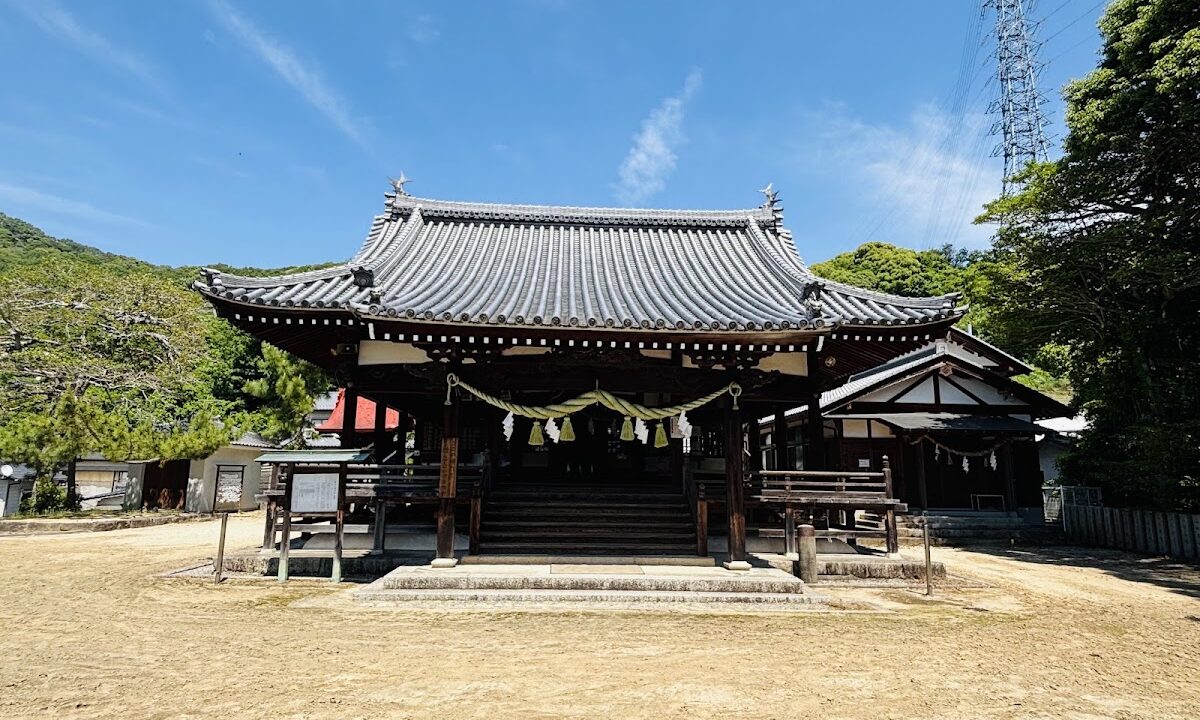
Hachimanyama Hachiman Shrine (Saka-cho, Hiroshima Prefecture) Complete Guide | History, Deities, Autumn Festival, and Access Information
Hachimanyama Hachiman Shrine, located in Saka-cho, Aki-gun, Hiroshima Prefecture, is a venerable local shrine that has watched over the Saka-mura area since 1260. It has long been revered by the local people as a guardian deity of abundant harvests, family safety, and military fortune, as well as a god of learning and sports. This article comprehensively introduces information you should know before visiting Hachimanyama Hachiman Shrine, including its history, enshrined deities, annual events, highlights of the shrine grounds, and detailed access information.
History and Origins of Hachimanyama Hachiman Shrine
Founding and Establishment History
Hachimanyama Hachiman Shrine is said to have been established in Saka-mura in 1260. During this period, the mid-Kamakura era, the worship of Hachiman, the god of military fortune, spread throughout Japan with the development of samurai society. In Saka-machi, Hachiman was enshrined as the local guardian deity, and for over 760 years since then, it has been revered as a spiritual pillar of the community.
The Development of Saka Village and the Role of the Shrine
From the medieval to the early modern period, Saka-mura developed as a key transportation hub along the Seto Inland Sea. Hachimanyama Hachiman Shrine functioned as the guardian deity of those involved in agriculture, fishing, and trade in the region, and as a central place for praying for the peace and prosperity of the village. During the Edo period, it established a firm position as the village’s guardian deity, becoming a place of worship closely intertwined with the lives of the villagers.
Changes After the Meiji Era
Even after the Meiji-era separation of Shinto and Buddhism, Hachimanyama Hachiman Shrine continued to attract unwavering devotion as the local guardian deity. Even amidst the wave of modernization, traditional festivals and forms of worship have been passed down, continuing to play a crucial role as the core of Saka-machi’s cultural identity to this day.
Deities and Divine Virtues
Main Deity
The main deity enshrined at Hachimanyama Hachiman Shrine is Homudawake-no-Mikoto. Homudawake-no-Mikoto is the divine name of Emperor Ojin, the 15th emperor, and is a representative Japanese deity worshipped at Hachiman shrines throughout Japan.
Divine Virtues
At Hachimanyama Hachiman Shrine, the following diverse divine virtues have been worshipped since ancient times:
Abundant Harvest: As the guardian deity of agriculture, there is a deep faith in praying for abundant harvests and fertility, and it has been especially revered by farmers.
Family Safety: As a deity that protects the health and safety of families and the peace of the home, many parishioners pray for peace and tranquility in their daily lives.
Long-lasting Military Fortune: Due to its nature as a god of war, worshippers visit to pray for success in competitions and overcoming difficulties.
Academic Achievement: Because Emperor Ojin contributed to the flourishing of culture, the shrine is believed to grant blessings for academic success and passing examinations.
Improvement in Sports: In recent years, the divine virtue of long-lasting military fortune has been seen as applicable to modern sports, and the shrine has also gained followers as a guardian deity of sports.
Highlights of the Shrine Grounds
Worship Hall and Main Shrine
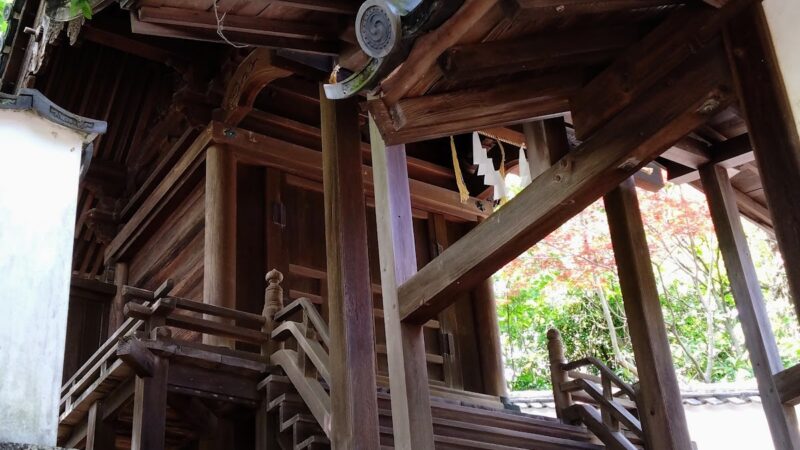
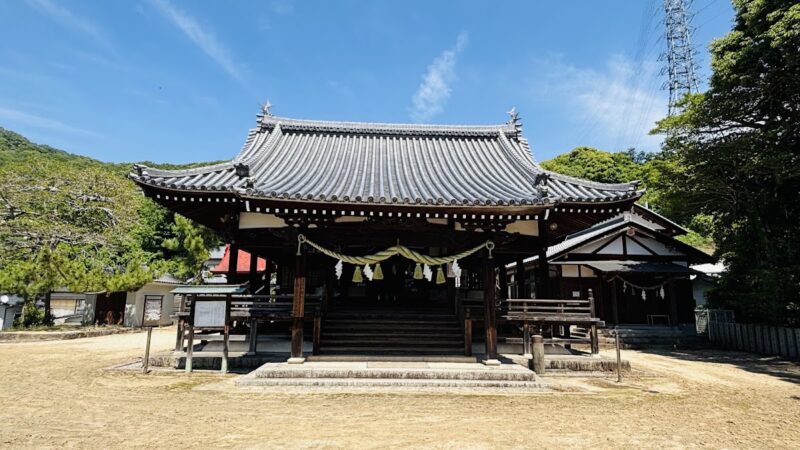
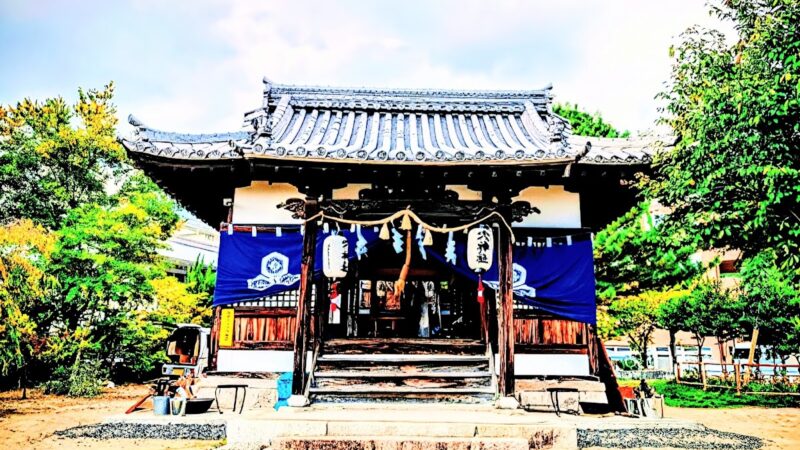
The worship hall of Hachimanyama Hachiman Shrine is a magnificent building that welcomes worshippers. It features traditional shrine architecture and is meticulously maintained. Behind the worship hall sits the main shrine, where the enshrined deity is worshipped. The main shrine is a sacred space and is not usually visible to ordinary worshippers, but its presence brings a solemn atmosphere to the entire shrine grounds.
Atmosphere of the Shrine Grounds
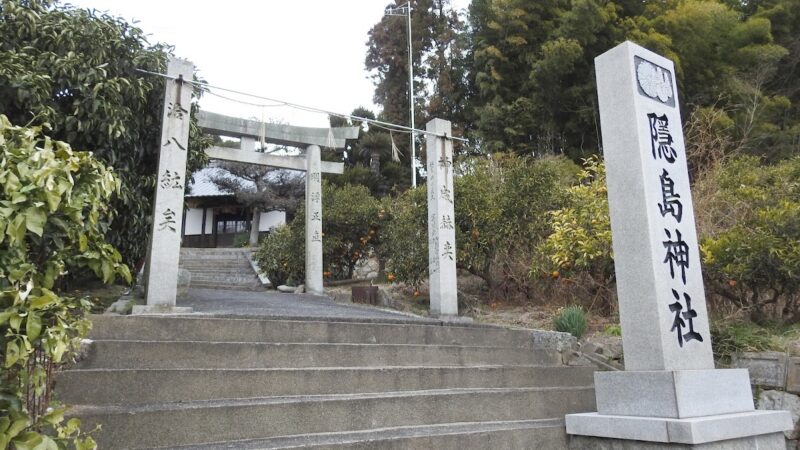
Nestled amidst the natural beauty of Hachimanyama, the shrine grounds are enveloped in a tranquil atmosphere. As you walk along the approach, you can feel the pure and sacred atmosphere unique to a sacred place, far removed from the hustle and bustle of everyday life. The changing expressions of the trees with each season are also one of the pleasures of visiting.
Komainu and Stone Sculptures
Stone sculptures that tell the story of history are placed throughout the shrine grounds. These stone sculptures, including the komainu (guardian lion-dogs), have weathered over time, but they remain valuable cultural assets that convey the history of the shrine and the faith of the local people.
Hachimanyama Hachiman Shrine Autumn Festival
Festival Overview
The most important annual event at Hachimanyama Hachiman Shrine is the Autumn Festival, held every autumn. This festival, a representative traditional event of Saka-cho, attracts many spectators from both within and outside the region. The magnificent festival, unfolding amidst the sounds of flutes and drums, is truly breathtaking.
Festival Highlights
Lion Dance: A traditional lion dance is performed to ward off evil and pray for a bountiful harvest. The magnificent dance captivates the audience.
Chōsai: A traditional festival form in which portable shrines and floats are carried. The enthusiasm and sense of unity among the bearers are a highlight.
Hikifune: A unique festival in which boat-shaped floats are pulled, reflecting the culture unique to the Seto Inland Sea coastal region.
Yatai: Decorated floats appear, adding a vibrant touch to the festival.
The Charm of the Large Bunsei-style Floats
At the Hachimanyama Hachiman Shrine Autumn Festival, the impressive large Bunsei-style floats are one of the highlights. The Bunsei-za style is a type of festival float that was popular during the Bunsei era (1818-1830) of the late Edo period, characterized by its elaborate carvings and magnificent decorations. The sight of these traditional floats parading through the streets is truly spectacular, worthy of being called a moving cultural artifact.
Significance of the Festival
The autumn festival is not merely an entertainment event; it is a Shinto ritual to give thanks for the year’s harvest and to pray for a bountiful harvest in the coming year and peace in the community. The community bonds are strengthened through the joint participation of local residents in the festival, and traditional culture is passed down to future generations.
List of Annual Festivals and Events
At Hachimanyama Hachiman Shrine, various festivals and events are held throughout the year in addition to the autumn festival.
Main Annual Events
Saitansai (January 1st): A festival to celebrate the New Year and pray for peace throughout the year. The shrine is bustling with worshippers on New Year’s Day.
Spring Festival: A festival to pray for a bountiful harvest and the safety of parishioners as spring arrives.
Summer Purification Ceremony (around June 30th): A Shinto ritual to purify oneself of the impurities accumulated over the past six months and pray for good health and protection from illness for the remaining half of the year.
Autumn Grand Festival (Autumn): The most important festival of the year, featuring the magnificent autumn festival mentioned above.
Niiname-sai (around November 23rd): A festival to thank the gods for the harvest.
Great Purification Ceremony (December 31st): A Shinto ritual to purify oneself of the impurities accumulated over the year and welcome the new year with a pure heart.
*Please note that festival dates may change depending on the year; we recommend checking before your visit.
Etiquette and Manners for Visiting a Shrine
Basic Etiquette for Visiting a Shrine
- Bow before passing through the torii gate: This is an expression of respect before entering the sacred area.
- Walk along the edge of the path: The center is considered the path of the gods.
- Purify yourself at the water basin: Purify your left hand, right hand, and mouth in that order, and finally purify the handle of the ladle.
- Worship at the main hall: Two bows, two claps, and one bow is the basic procedure.
- Bow upon leaving: Turn around and bow when leaving the torii gate.
Precautions for Visiting a Shrine
The shrine grounds are a sacred place. Please refrain from loud conversations and running around, and worship quietly. Photography is generally permitted, but there may be restrictions on photography inside the main hall or during rituals. Also, it is generally considered good manners to refrain from bringing pets to the shrine.
Location and Surrounding Environment
Location
Address: 8-1, Bando 2-chome, Saka-cho, Aki-gun, Hiroshima Prefecture 731-4311
Hachimanyama Hachiman Shrine is located in the center of Saka-cho, Aki-gun, in the southwestern part of Hiroshima Prefecture. Saka-cho is a town of approximately 10,000 people located between Hiroshima City and Kure City, and enjoys a mild climate facing the Seto Inland Sea.
Surrounding Environment
The shrine is situated at the foot of Mt. Hachiman, with lush green mountains behind it. While close to the town center of Saka-cho and within the living area of local residents, the shrine grounds are enveloped in a tranquil atmosphere. Residential areas spread out around the shrine, giving a strong sense of its deep roots as a local guardian deity.
Access Information
Nearest Station/Railway Access
JR Kure Line “Saka Station” is the nearest station.
- Walking distance from Saka Station: Approximately 11 minutes (approx. 885m)
- Walking distance from Yano Station: Approximately 21 minutes (approx. 1.7km)
Saka Station is located about 30 minutes from Hiroshima Station on the Kure Line, and about 20 minutes from Kure Station. The path from the station to the shrine is flat, making it easily accessible on foot. Signposts guiding from the station towards the shrine are also well-maintained.
Access by Bus
Saka Hachimangu-mae Bus Stop is the most convenient.
- Walking distance from Saka Hachimangu-mae Bus Stop: Approximately 2 minutes (approx. 118m)
The bus stop is very close to the shrine, making it the most easily accessible mode of transportation. Bus routes from Hiroshima city and surrounding areas are available. It is recommended to check the bus timetable in advance.
Access by Car
Using the Hiroshima-Kure Expressway (Kure Line) is convenient.
- Approximately 5 minutes from Sakakita IC
- Approximately 30 minutes from central Hiroshima City
- Approximately 20 minutes from central Kure City
There is parking space for visitors around the shrine, but congestion is expected during events such as the Autumn Festival. We recommend using public transportation during major festivals.
Parking Information
Parking space for visitors is available on or around the shrine grounds, but the number of spaces is limited. Especially during large events such as the Autumn Festival, please try to arrive early or consider using public transportation.
Best Time and Season for Visiting
Recommended Time for Visiting
Autumn Festival Period: This is the busiest time, and you can experience traditional festivals. However, congestion is inevitable.
New Year’s Visit (January 1st-3rd): Many visitors come to pray for the New Year.
Spring and Autumn: The weather is mild, the nature on the shrine grounds is beautiful, and it is suitable for a leisurely visit.
Visiting Hours
The shrine grounds are generally open for free visits during the daytime. However, the hours for receiving Goshuin (shrine stamps) and other items at the shrine office may be limited, so it is recommended to check in advance. Visiting in the early morning or evening allows you to more deeply appreciate the quiet and sacred atmosphere.
Hachimanyama Hachiman Shrine and the Local Community
Role as a Guardian Deity
Hachimanyama Hachiman Shrine has deep ties to the local community as the guardian deity of Saka-machi. A guardian deity is a god that protects the people living in a specific area, and those born in that area have a special relationship with the shrine as parishioners.
Center of the Local Community
The shrine is not merely a religious facility, but plays a central role in the local community. Annual events, including the autumn festival, are valuable opportunities for local residents to gather together, providing a place for intergenerational exchange. Furthermore, a sense of community solidarity is fostered through the maintenance and management of the shrine and the preparation of festivals.
Preservation of Traditional Culture
Hachimanyama Hachiman Shrine plays an important role in passing on Saka-machi’s traditional culture to the next generation. Traditional performing arts such as the lion dance, boat procession, and festival floats at the autumn festival serve as living teaching materials for children to learn about the region’s history and culture. Through activities centered around the shrine, the younger generation cultivates pride and affection for their community.
Nearby Tourist Attractions
Highlights of Saka-machi
When visiting Hachimanyama Hachiman Shrine, why not explore other attractive spots in Saka-machi?
Bayside Beach Saka: An artificial beach overlooking the Seto Inland Sea, bustling with swimmers in the summer.
Saka-machi General Sports Park: A park with excellent sports facilities, popular with families.
Yokohama Fureai Hiroba: A park rich in nature, perfect for walks and picnics.
Wider Area Tourism
Saka-machi is located midway between Hiroshima City and Kure City, providing easy access to tourist attractions in both cities. World Heritage sites such as Hiroshima Peace Memorial Park, the Atomic Bomb Dome, and Miyajima (Itsukushima Shrine), as well as tourist attractions in Kure City such as the Yamato Museum and the Iron Whale Museum, are all within day-trip distance.
Goshuin (Shrine Seals) and Souvenirs
About Goshuin
At Hachimanyama Hachiman Shrine, you can receive a goshuin as proof of your visit (depending on the shrine office’s opening hours). A goshuin is not merely a commemorative stamp, but something to be cherished as proof of a connection with the deity. If you do not have a goshuincho (seal book), you may be able to purchase one at the shrine.
Souvenirs
The shrine also offers amulets and ema (votive tablets). There are amulets for various wishes, such as academic success, family safety, and traffic safety. Also, due to the shrine’s divine virtue as a guardian deity of sports, sports-related amulets are popular.
Summary
Hachimanyama Hachiman Shrine is a venerable local shrine that has watched over the Saka town area for over 760 years, since the first year of the Bun’ō era (1260). It offers a variety of divine blessings, including abundant harvests, family safety, military success, academic achievement, and improvement in sports, and is deeply revered by the local residents.
The autumn festival, in particular, is a magnificent and spectacular event featuring lion dances, float processions, boats, and portable shrines. The large, Bunsei-style portable shrine is a must-see. This festival is not merely a tourist event, but plays an important role in passing on the region’s traditions and culture to future generations.
Access is also convenient, being approximately an 11-minute walk from Saka Station on the JR Kure Line and about a 2-minute walk from the Saka Hachimangu-mae bus stop, making it easily accessible by both public transport and car. Located midway between Hiroshima City and Kure City, it can be combined with a visit to both cities.
Hachimanyama Hachiman Shrine is a shrine with multifaceted appeal, possessing historical value, cultural significance, and a role in the local community. When you visit Saka-machi, be sure to pay your respects at this venerable local shrine and experience its history of faith that has continued for over 760 years, as well as the traditional culture deeply rooted in the region. The time you spend purifying your heart in the tranquil grounds and praying for the protection of the enshrined deity will surely be a memorable experience.