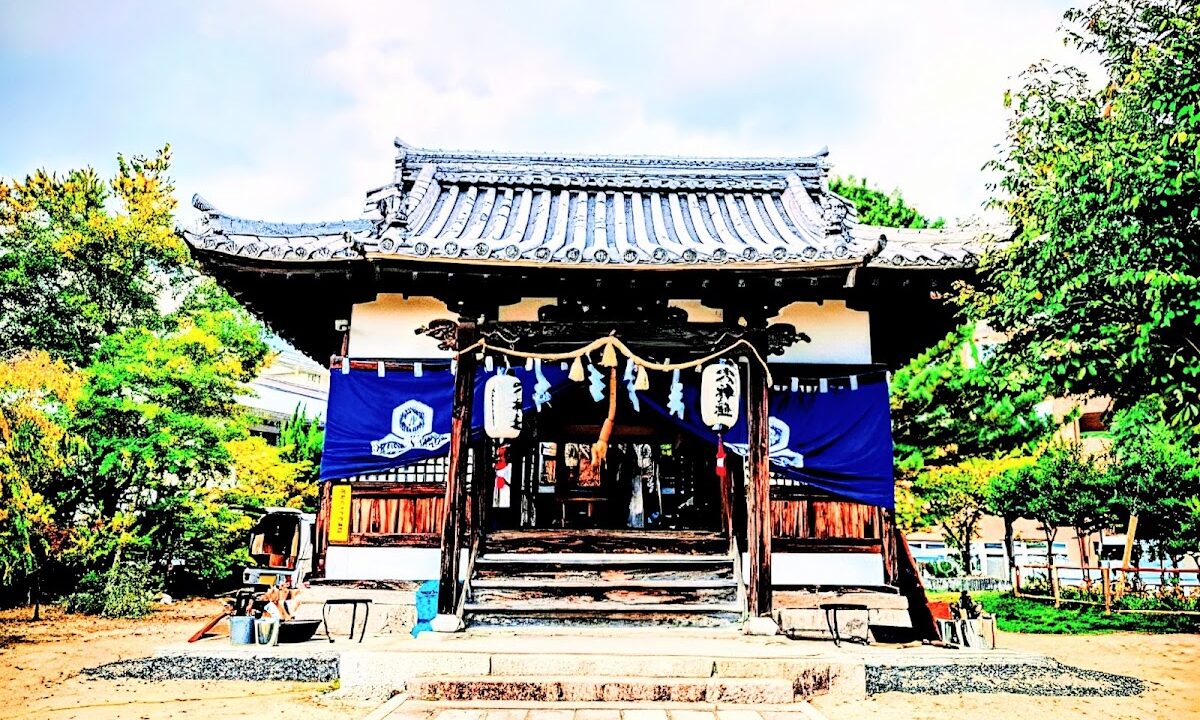
Ana Shrine (Hiroshima Prefecture) Complete Guide: History of the Atomic Bomb-Damaged Building, Deities, and Access Information
Ana Shrine, located in Tanna-cho, Minami-ku, Hiroshima City, is a shrine that attracts the faith of the local community and also holds significant importance as an atomic bomb-damaged building that conveys the tragedy of the atomic bombing. Situated in a residential area approximately 3km south of Hiroshima Station, and quietly standing on the west side of Ogonzan Mountain, this shrine provides a detailed introduction, from its historical background and the origin of its enshrined deities to the highlights of the grounds and its significance in modern times.
Basic Information on Ana Shrine
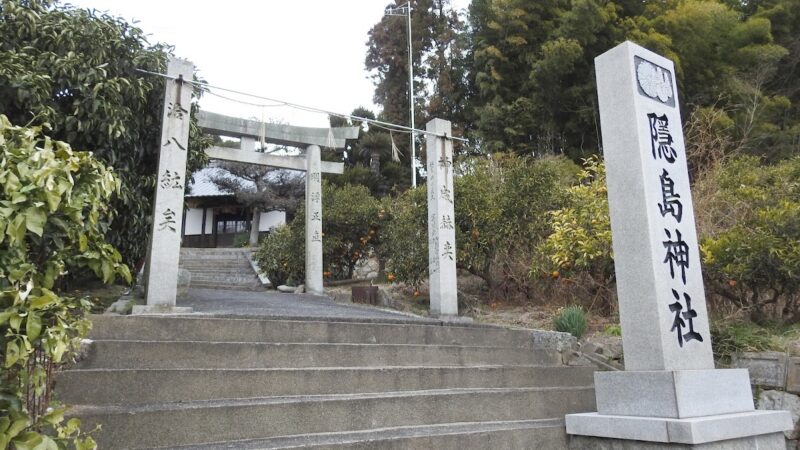
Ana Shrine is located at 23-11 Tanna-cho, Minami-ku, Hiroshima City, and has been cherished by local residents for many years. Its location in a residential area approximately 1km west of Ogonzan Mountain makes it a valuable place of worship in the increasingly urbanized city of Hiroshima.
The character “ana” (穴), which is part of the shrine’s name, is thought to be a remnant of the ancient time when this area was called “Ana no Umi” (Sea of Holes), and is an important clue to the geographical changes of Hiroshima.
Location and Access
Address: 23-11 Tanna-cho, Minami-ku, Hiroshima City, Hiroshima Prefecture
Access by Public Transportation:
- Approximately 3km south of Hiroshima Station
- Accessible by Hiroshima Electric Railway bus, and a short walk from the nearest bus stop
- Within walking distance from the vicinity of Kogane-yama
Access by Car:
- From various interchanges on the Hiroshima Expressway, head towards the city center
- As the surrounding area is residential, consideration for neighbors is necessary when visiting.
Deities and Origins of Ana Shrine
Ana Shrine enshrines multiple deities, each with its own deep meaning and origin.
Main Deity: Sukunabikona-no-kami
The main deity of Ana Shrine is Sukunabikona-no-kami. This deity is known in Japanese mythology as an important god who, along with Okuninushi-no-kami (Oanamuchi-no-kami), played a crucial role in nation-building.
Sukunabikona-no-kami has been worshipped as a god who, despite his small stature, possesses great wisdom and knowledge of medicine and pharmacology. In particular, the following blessings are believed to be offered:
- Healing from illness and prayers for good health: Due to its character as a god of medicine
- Impartial granting: As a god possessing superior wisdom
- Industrial development: As a god who contributed to nation-building
- Safe voyages: Due to the myth of arriving by crossing the sea
Enshrined deities (gods enshrined alongside)
In addition to the main deity, the following gods are enshrined as enshrined deities at Ana Shrine:
Sarutabiko-no-kami
- Known as the god of opening paths, a god who provides guidance at the beginning of things and at crossroads in life
- Also offers blessings for traffic safety and safe travel
Mizuhanome-no-kami
- A god of water, presiding over water essential for agriculture and daily life
- An object of worship for praying for abundant harvests and stable lives
Okutsuhiko-no-kami
- The god of the hearth, guardian of kitchens and fire
- A god who watches over the safety and prosperity of the home
Okutsuhime-no-kami
- A goddess paired with Okutsuhiko-no-kami
- Presides over family harmony and the bounty of food
Ootoshi-no-kami
- God of grain, presides over abundant harvests
- Blessings for agricultural and business prosperity
Oonamuchi-no-kami
- Another name for Okuninushi-no-kami, god of nation-building
- Blessings for a wide range of things including matchmaking, business prosperity, and family safety
By enshrining these gods together, Ana Shrine has played the role of a comprehensive guardian deity of the region.
Ana Shrine as an Atomic Bomb Survivor Building
One of the most important features of Ana Shrine is that it is an atomic bomb survivor building that conveys the tragedy of the atomic bomb to this day.
Atomic Bombing on August 6, 1945
At 8:15 AM on August 6, 1945, an atomic bomb was dropped on Hiroshima City. Ana Shrine, located approximately 2.7 km from the hypocenter, was also affected by the blast and heat rays.
Although the shrine buildings, including the main hall, were damaged by the bombing, they did not completely collapse and remain standing to this day. This fact is a testament to the structural strength of the buildings and the post-war reconstruction efforts of the local residents.
Registration and Preservation of Atomic Bomb-Damaged Buildings
Hiroshima City has created a list of atomic bomb-damaged buildings and is working to preserve them in order to pass on the reality of the bombing to future generations. The main hall of Ana Shrine is registered on this list of atomic bomb-damaged buildings, and its historical value has been recognized.
As a building that survived the atomic bombing, Ana Shrine holds significant importance in the following ways:
- Witness to History: Physically demonstrates the power and devastation of the atomic bomb.
- Place for Peace Education: Conveys the tragedy of war and the preciousness of peace to future generations.
- Local Memory: Demonstrates the continuity of the local community that has existed since before the war.
- Symbol of Reconstruction: Embodys the spirit of reconstruction of Hiroshima, which rose from the ruins.
Current Status and Preservation Activities of Atomic Bomb-Surviving Buildings
Nearly 80 years have passed since the atomic bombing, and the buildings that survived the bombing are deteriorating. Ana Shrine is no exception, and its maintenance and management have become a local issue.
The City of Hiroshima is working to preserve atomic bomb-surviving buildings in cooperation with owners and local communities. In the case of religious facilities like Ana Shrine, there is a dual challenge: maintaining its function as a place of worship while also preserving it as a historical building.
The History of Ana Shrine and its Connection to the Community
Founding and History
The exact founding date of Ana Shrine is unknown, but based on local elder traditions and the surrounding historical background, it is highly likely that it existed before the Edo period.
The name “Ana” (穴) in the shrine’s name is thought to originate from the time when the ancient Seto Inland Sea extended further inland than it does today, and this area was called “Ana no Umi” (穴の海). The complex, indented topography of Hiroshima Bay was described as “Ana” (穴), and this remains as the place name “Tanna.”
As a Center of Local Faith
Ana Shrine has been revered by local residents as the tutelary deity of Tanna Town and the surrounding areas. In particular, the following annual events have supported the unity of the local community:
- Hatsumode (First Shrine Visit of the New Year): Praying for happiness and safety in the new year
- Spring Festival: Praying for a bountiful harvest and prosperity of the community
- Natsukoshi no Harae (Summer Purification Ceremony): Purifying oneself of the impurities of the past six months and praying for good health for the remaining half of the year
- Autumn Festival: Expressing gratitude for the harvest and praying for a bountiful harvest next year
- Shichi-Go-San (Seven-Five-Three Festival): Celebrating the growth of children and praying for their healthy development
These events also serve as important opportunities to pass on the region’s traditional culture to the next generation.
Post-War Reconstruction and the Role of Shrines
After the atomic bombing, Hiroshima City suffered devastating damage, but the survivors rose up towards reconstruction. Ana Shrine also played an important role as a spiritual pillar of community reconstruction.
For those who lost their families and homes due to the bombing, the shrine was a source of comfort and a place for community rebuilding. In the chaotic post-war period, festivals and ceremonies at shrines became important opportunities to give local residents hope and a sense of solidarity.
Highlights and Features of the Shrine Grounds
Worship Hall (Atomic Bomb Survivor Building)
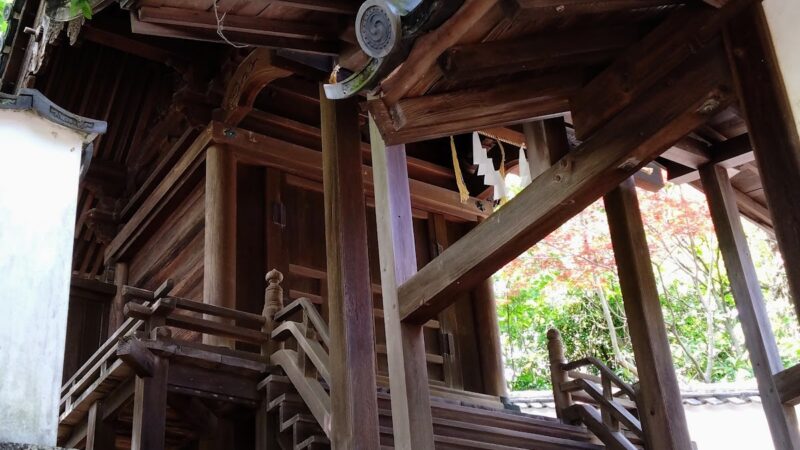
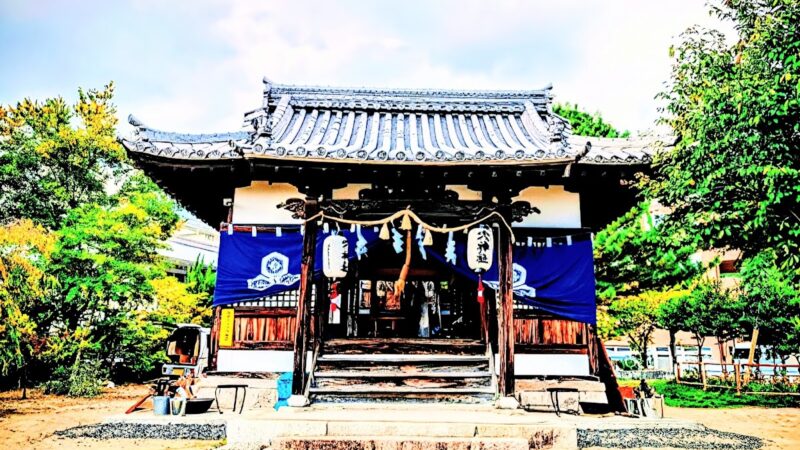
The worship hall of Ana Shrine is the most noteworthy building among those that survived the atomic bombing. It possesses a traditional wooden shrine architectural style and, while bearing the scars of damage from the bombing, still functions as a place of worship today.
When visiting the worship hall, pay attention to the building’s structure and decorations, and reflect on how this building has survived the horrors of the atomic bombing to reach the present day.
Main Sanctuary
The main sanctuary enshrines the deity and is located behind the worship hall. While generally not visible directly, it is carefully preserved as the most sacred place of the shrine.
Atmosphere of the Shrine Grounds
Despite being located in a residential area, the shrine grounds are enveloped in a tranquil atmosphere. In the increasingly urbanized city of Hiroshima, the existence of such a quiet place of worship is precious.
The shrine grounds are planted with trees, allowing visitors to experience the changing seasons. The fresh greenery of spring and the vibrant autumn foliage, in particular, add beautiful color to the grounds.
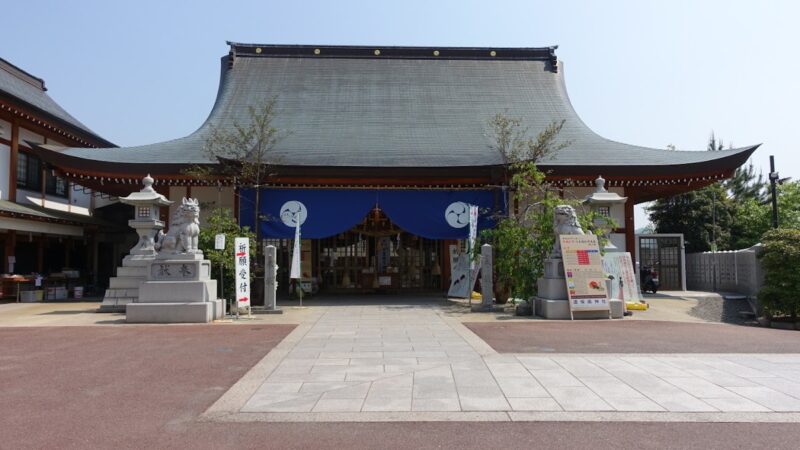
Komainu and Stone Sculptures
Shrines feature stone sculptures, including komainu (guardian lion-dogs), each with its own history and historical context. These stone sculptures are important elements that tell the story of the shrine’s history.
Etiquette and Manners for Visiting
When visiting Ana Shrine, please observe the following basic etiquette and manners.
Basic Procedure for Worship
- Bow before passing through the torii gate: As a courtesy before entering the sacred area.
- Purify yourself at the water basin: Purify your left hand, right hand, and mouth in that order, and finally purify the handle of the ladle.
- Avoid walking in the center of the approach: The center is considered the path of the gods.
- Worship in front of the main hall:
- Quietly place your offering in the offering box.
- Ring the bell if there is one.
- Two bows, two claps, one bow (bowing deeply twice, clapping twice, bowing deeply once).
- Bow again at the torii gate when leaving: As a courtesy when leaving the sacred area.
Mindset when Worshiping
- Worship quietly: As it is located in a residential area, consideration for the neighbors is necessary.
- Keep the shrine grounds clean: Take your trash with you.
- Limit photography: Especially refrain from taking pictures inside the main hall and worship hall.
- Respect for Atomic Bomb Survivor Buildings: Understanding and respecting their value as historical structures.
Attractions Around Ana Shrine
Ogonzan Mountain
Located approximately 1km west of Ana Shrine, Ogonzan Mountain is a 221.7m-high mountain known for its panoramic views of Hiroshima City. From the summit, you can see Hiroshima city, Hiroshima Bay, and even Miyajima Island, and it is particularly popular for its beautiful night views.
Ogonzan Mountain also has a history of being affected by the atomic bomb, and memorials to atomic bomb survivors have been erected on its slopes. Visiting it in conjunction with a visit to Ana Shrine will allow you to gain a deeper understanding of Hiroshima’s history.
Historical Spots in Minami Ward, Hiroshima City
Minami Ward also has many other historical temples, shrines, and atomic bomb survivor buildings, making it an enjoyable historical walking course. You can also learn about pre-war Hiroshima and records of the atomic bombing at local history museums and libraries.
Hiroshima’s Shrine Culture and the Position of Ana Shrine
Characteristics of Shrines in Hiroshima Prefecture
Hiroshima Prefecture has approximately 2,400 shrines, and the Hiroshima Prefectural Shrine Association manages the affairs of these shrines. The shrines in the prefecture are diverse, ranging from nationally famous shrines like Itsukushima Shrine to small, locally rooted shrines like Ana Shrine.
The following are some of the characteristics of Hiroshima’s shrine culture:
- Influence of Seto Inland Sea Culture: Strong beliefs related to maritime transport and fishing
- Influence of Sengoku Daimyo: Protection and development of shrines by Sengoku daimyo such as the Mori clan
- History of the Atomic Bombing: Many shrines have a history of damage and recovery from the atomic bombing
- Connection with Local Communities: Strong belief in local guardian deities remains to this day
Uniqueness of Ana Shrine
Ana Shrine has the following unique characteristics among shrines in Hiroshima Prefecture:
- Historical Value as an Atomic Bomb Survivor: A valuable building that conveys the reality of the atomic bombing
- Rareness of Having Sukunabikona-no-Kami as the Main Deity: Shrines with a god of medicine as their main deity are relatively rare
- Community-Based Shrine in an Urban Area: Continues to preserve local beliefs within a residential area
- Comprehensive Nature of Enshrining Multiple Deities: Characterized as a shrine that protects all aspects of life
Ana Shrine and Prayers for Peace
Messages Conveyed by Atomic Bomb Survivor Buildings
The worship hall of Ana Shrine is not merely a historical building, but also serves as a “storyteller” imbued with prayers for peace. The building itself continues to convey the following messages:
- The horrors of war: Traces of the destruction brought about by the atomic bomb
- The strength of humanity: The power of people who overcame hardship and achieved reconstruction
- The preciousness of peace: The determination never to repeat the same mistakes
- Symbol of hope: The courage to rise from the ruins and move towards the future
Significance in the Modern Age
Nearly 80 years have passed since the atomic bombing, and as the number of war survivors dwindles, the importance of atomic bomb survivor buildings like Ana Shrine is increasing. The persuasive power of actual buildings is stronger than any words or photographs, appealing to the hearts of visitors with the importance of peace.
Especially for younger generations, learning about history in familiar places like Ana Shrine is extremely important from the perspective of peace education. Knowing that a familiar local shrine simultaneously carries a heavy history fosters a deeper understanding and empathy. ## Planning a Visit to Ana Shrine
Recommended Time to Visit
Ana Shrine is open year-round, but the best times to visit are:
Spring (March-May)
- Mild weather, making it easy to visit
- A season of beautiful fresh greenery
- Spring festival season (dates vary by shrine)
Autumn (September-November)
- Pleasant weather
- Autumn leaves adorn the shrine grounds
- Autumn festival season
Around August 6th
- Praying for peace on the anniversary of the atomic bombing
- An opportunity to deeply consider the significance of the building as a survivor of the atomic bombing
Time Required for Visit
Visiting Ana Shrine itself takes approximately 15-30 minutes. However, including the following will make your visit more fulfilling:
- A leisurely stroll through the shrine grounds: 30 minutes
- Time to reflect on its history as an atomic bomb survivor: 15 minutes
- A walk including the surrounding Kogane-yama (Golden Mountain): 2-3 hours
Notes for Visitors
- Please be quiet as it is located in a residential area: Please refrain from loud conversations and noise.
- Check parking: It is recommended to check in advance whether parking is available.
- Take precautions against the heat in summer: Prepare for hydration and sun protection.
- Take precautions against the cold in winter: The wind is cold as it is close to the sea.
- Camera etiquette: When taking photos, please be considerate of those around you.
Inquiries about Ana Shrine
For more detailed information about Ana Shrine and its history as an atomic bomb survivor, you can contact the following organizations:
Hiroshima City Contact Points
Regarding Atomic Bomb Survivor Buildings
- Hiroshima City Citizens’ Affairs Bureau, International Peace Promotion Department, Peace Promotion Division, Atomic Bomb Survivor Experience Transmission Section
- Provides a list of atomic bomb-damaged buildings and information on their preservation.
General Information about the Shrine
- Hiroshima Prefectural Shrine Association
- Location: 313-1 Kamihira, Hatsukaichi City, Hiroshima Prefecture
- Provides comprehensive information about shrines within the prefecture.
Things to Check Before Visiting
When planning a visit, we recommend checking the following points in advance:
- Dates of festivals and special events (normal visits may be restricted)
- Latest information on access methods (possibility of changes due to road construction, etc.)
- Impact of weather (refrain from visiting during typhoons or heavy rain)
Summary: The Multi-layered Value of Ana Shrine
At first glance, Ana Shrine may seem like just a small shrine in a residential area of Minami Ward, Hiroshima City. However, by understanding its history and background, the multi-layered value of this shrine becomes apparent.
As a Place of Worship: This shrine enshrines multiple deities, including Sukunabikona-no-kami, and has served as a spiritual anchor for local residents. It continues to receive people’s everyday wishes, such as recovery from illness, prayers for good health, and safety for their families.
As a Witness to History: As a building that survived the atomic bombing, it plays a crucial role in conveying the tragedy of the atomic bomb to the present day. The building itself silently speaks of the horrors of war and the preciousness of peace.
As a Core of the Local Community: From before the war, through the postwar period, and to the present day, it has played a role in connecting the people of the region. Through festivals and annual events, it also serves as a place to pass on the region’s traditional culture to the next generation.
As a Place for Peace Education: As a place where one can learn about the realities of the atomic bombing firsthand, it holds invaluable educational value, especially for younger generations.
Visiting Ana Shrine goes beyond mere sightseeing or worship; it is an opportunity to reflect on many things, including the history of Hiroshima, Japanese Shinto culture, and the meaning of peace. It is a little-known but important spot that you should definitely visit when you come to Hiroshima.
Nestled in a quiet residential area, Ana Shrine is not flashy, but it is imbued with a deep history and the prayers of its people. Each person quietly puts their hands together in prayer and renews their commitment to peace. Ana Shrine continues to quietly welcome local residents and visitors alike as a place where they can spend such time.