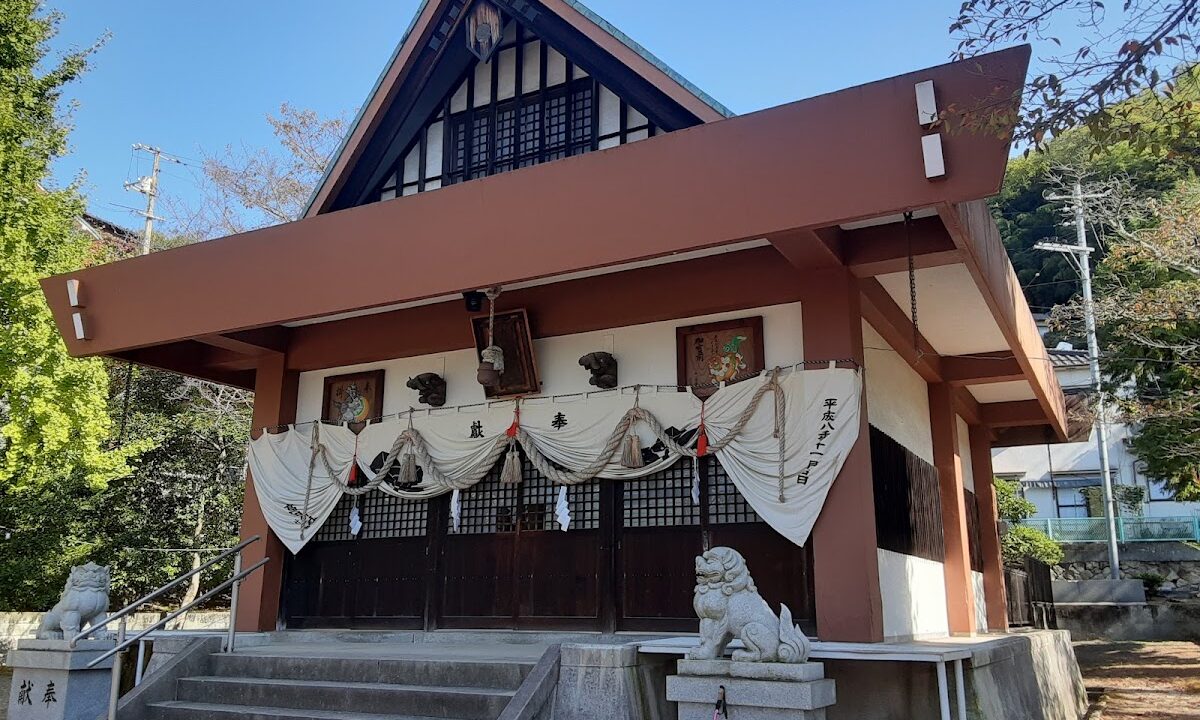
Takahi Shrine (Kure City, Hiroshima Prefecture) Complete Guide | History, Deities, Access, and Festival Information
Takahi Shrine, located in Kure City, Hiroshima Prefecture, is a historic shrine that has long been cherished by the local community. Within walking distance of Kure Station, its tranquil grounds retain natural beauty, including a large ginkgo tree. This article provides a detailed explanation of Takahi Shrine’s history, enshrined deities, highlights of the grounds, annual events, and access information.
Basic Information on Takahi Shrine
Takahi Shrine is located in Washo Honmachi, Kure City, Hiroshima Prefecture, and is revered as the local guardian deity. Despite its proximity to the center of Kure City, the shrine grounds are enveloped in tranquility, providing a peaceful space for visitors.
Location and Contact Information
Address: 19-2 (Main Shrine), 19-3 (Shrine Office), Washo Honmachi, Kure City, Hiroshima Prefecture
Nearest Station: Kure Station, JR Kure Line
Parking: Parking available for visitors around the shrine grounds
The shrine is located in the Washo district of Kure City, in an area with a mix of residential and commercial facilities. You can find the exact location by searching for “Takahi Shrine” on a map app or map service.
History and Origins of Takahi Shrine
While there are no clear records regarding the founding date of Takahi Shrine, stories from local elders and historical documents indicate that it has been worshipped as the tutelary deity of the Washo district since ancient times. Kure City developed as a naval city after the Meiji era, but Takahi Shrine existed as a spiritual pillar of the community even before that.
History of Kure City and the Role of Shrines
Kure City developed as a port city facing the Seto Inland Sea. During the Edo period, the area was under the control of the Hiroshima Domain. In the Meiji era, a naval arsenal was established, and it rapidly grew as a naval port city. Throughout this history, Takahi Shrine played a vital role as a spiritual center for local residents and as the heart of the community.
Before and during the war, soldiers and their families prayed for good fortune in battle, and after the war, people prayed for reconstruction and peace. Even today, the shrine is bustling with local people visiting for important life events such as New Year’s prayers, Shichi-Go-San (a traditional rite of passage for children), and exorcisms.
Deity and Divine Virtues
The deity enshrined at Takahi Shrine is Takakiiribime-no-Mikoto. This deity is a mythological figure appearing in the Kojiki and Nihon Shoki, and is known as the empress of Emperor Jimmu.
About Takagiirihime-no-Mikoto
Takagiirihime-no-Mikoto is said to be the daughter of Kotoshironushi-no-Kami, and was welcomed as Empress after Emperor Jimmu pacified Yamato. This deity is believed to possess the following divine virtues:
- Family Safety: Due to her experience governing the country as Empress, she is worshipped as a goddess who protects the peace and security of the home.
- Good Matchmaking: Due to her marriage to Emperor Jimmu, she is believed to possess the divine virtue of bringing good matches.
- Childbearing and Safe Childbirth: Having given birth to a prince, she is also revered as a goddess of fertility and safe childbirth.
- Protection of Women: As an ancient Empress, she is worshipped as a goddess who protects the happiness of women.
Benefits of Worship
By visiting Takahi Shrine, it is believed that one can receive blessings such as family health and happiness, successful matchmaking, prayers for fertility, and prayers for safe childbirth. Local residents visit the shrine regularly and offer special prayers at important life events.
Highlights of the Shrine Grounds
The grounds of Takahi Shrine offer various points of interest that tell the story of its long history.
The Sacred Ginkgo Tree
The most impressive feature of the grounds is the large ginkgo tree, estimated to be several hundred years old. Its trunk circumference is several meters, and in autumn, its golden leaves adorn the grounds. This ginkgo tree is known as one of the largest trees in Kure City and is a symbolic presence of the shrine.
Ginkgo trees are considered symbols of longevity and are also known as fire-preventing trees. Having survived war and disasters, it stands tall even today, a living witness to the region’s history.
Main Hall and Worship Hall
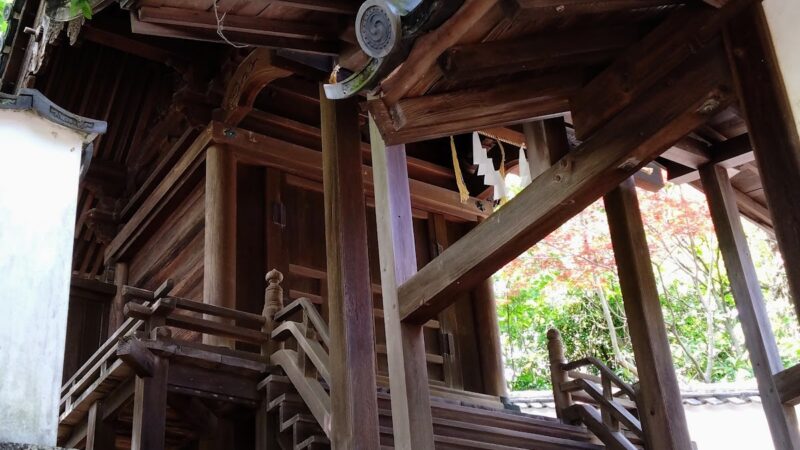
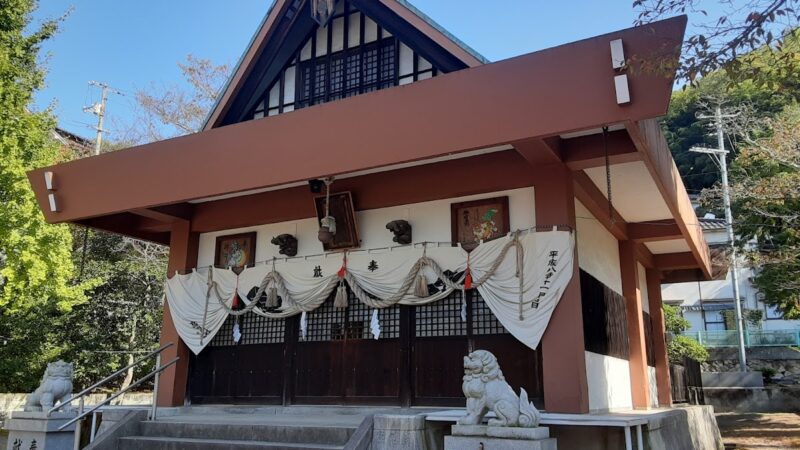
The main hall of Takahi Shrine is built in the traditional shrine architectural style, and the space from the worship hall to the main hall is enveloped in a sacred atmosphere. The craftsmanship shines through in the details of the architecture, making it a building of high historical value.
Regular repairs are carried out, reflecting the local people’s devotion to the shrine and the maintenance of the building.
Water Basin and Approach
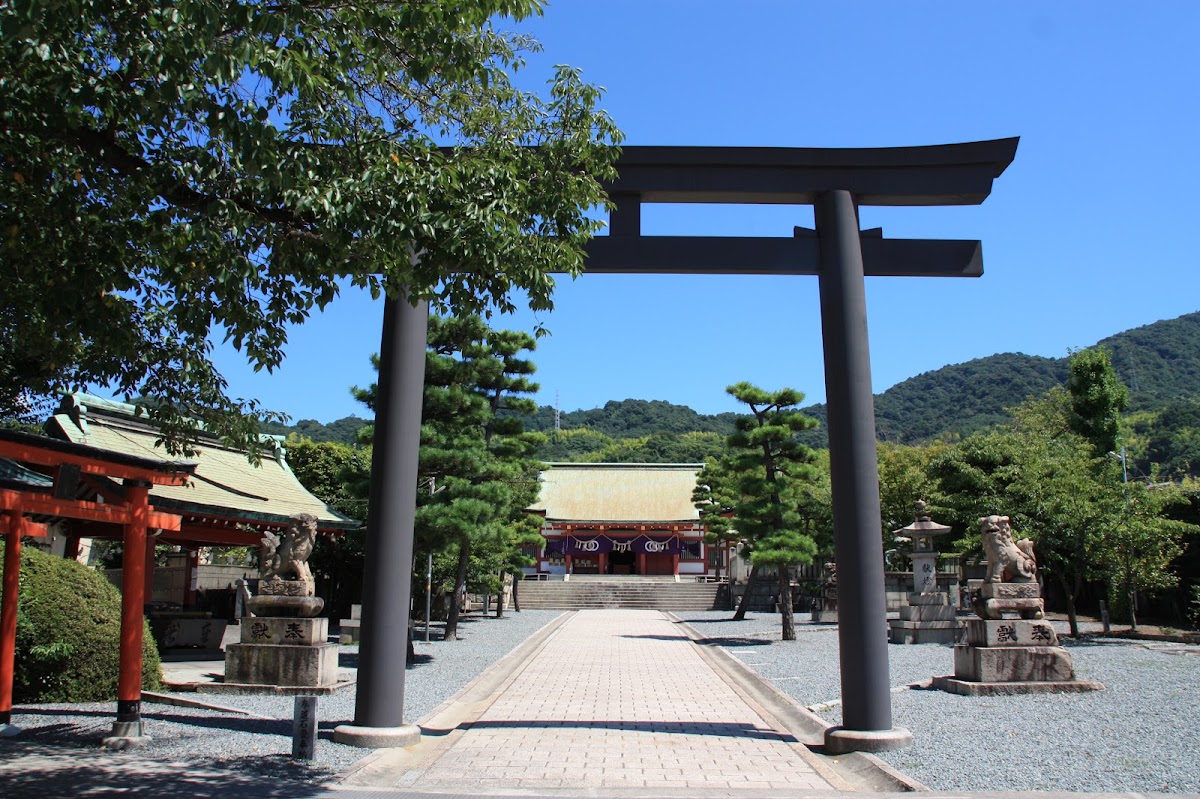
Upon entering the shrine grounds, you will first find the water basin. It is proper etiquette to purify your hands and mouth here before praying. The approach is well-maintained, a clean space paved with cobblestones and pebbles.
Annual Events and Festivals
Takahi Shrine holds various Shinto rituals and festivals throughout the year.
New Year’s Visit
The New Year’s visit is one of the busiest times for Takahi Shrine. From New Year’s Day to the third day, many worshippers visit to pray for happiness in the new year. Temporary gift shops are set up on the grounds, where amulets, protective arrows, and fortune slips are given out.
During the New Year’s visit period, not only local residents but also people returning home for the holidays visit the familiar shrine, exchanging New Year’s greetings. We recommend checking the weather forecast for the New Year period in advance and dressing warmly for your visit.
Annual Grand Festival (Autumn Festival)
The annual grand festival of Takahi Shrine is held in the autumn, featuring traditional festival events called “Yabu.” This is a part of Kure City’s festival culture, with a procession of portable shrines and lion dances parading through the community. The festival is supported by the entire community, centered around the Takahi Supporters Association, and serves as a place for intergenerational exchange.
In recent years, the festival has been shared on social media, making Takahi Shrine’s festival culture known to people outside the region. Since the festival dates may change every year, we recommend checking in advance.
Other Annual Events
- Setsubun Festival: Held around February 3rd, where evil spirits are driven away by bean-throwing.
- Summer Purification Ceremony: A Shinto ritual held on June 30th to purify oneself of the impurities accumulated over the past six months.
- Shichi-Go-San Festival: In November, many families visit to pray for the healthy growth of their children.
- Year-End Purification Ceremony: Held on December 31st to purify oneself of the impurities accumulated over the year and prepare for the New Year.
Access
Takahi Shrine can be accessed by both public transport and car.
Access by Train
Walking distance from Kure Station on the JR Kure Line
- Approximately 17-23 minutes on foot from the Kure Station exit (depending on the route)
- Distance is approximately 1.7km
- Exit the station and head north towards the Washo area.
Kure Station is approximately 30 minutes from Hiroshima Station by rapid train and is easily accessible from central Hiroshima City. The walk from the station to the shrine offers a pleasant stroll through the streets of Kure City.
Access by Bus
You can also take a bus from Kure Station. Take a bus bound for Washo and get off at the nearest bus stop; the shrine is just a few minutes’ walk away. It is recommended to check the bus timetable in advance.
Access by Car
From Hiroshima City
- Take the Hiroshima-Kure Expressway (Kure Line) and exit at Kure IC (approximately 10 minutes).
- Access is also possible via National Route 31.
Parking Information
- There is parking space for visitors around the shrine grounds.
- During New Year’s and festivals, congestion is expected, so using public transportation is recommended.
Searching for “Takahi Shrine Kure City” on a map app or car navigation system will provide accurate route guidance. Map services display multiple routes, allowing you to choose the best route based on traffic conditions.
Etiquette and Manners for Visiting a Shrine
When visiting a shrine, it is important to observe basic etiquette. ### Basic Procedure for Visiting a Shrine
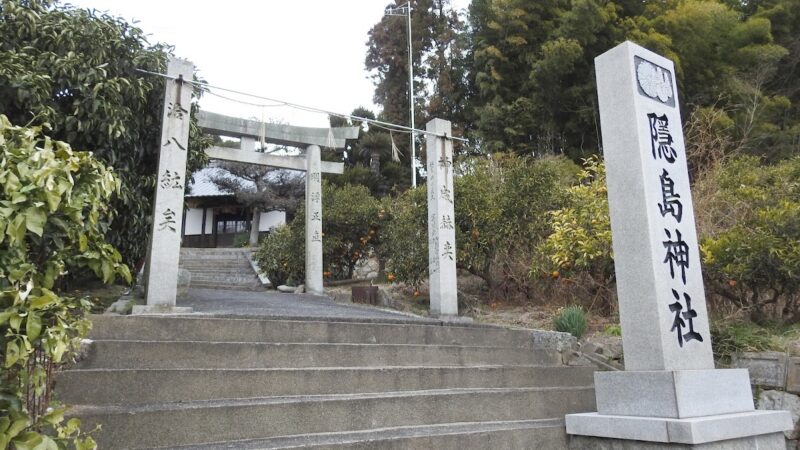
- Passing Through the Torii Gate: Bow before entering the shrine grounds.
- Purifying at the Water Basin: Purify your left hand, right hand, and mouth at the water basin.
- Walking the Path: Walk along the sides of the path, as the center is considered the path of the gods.
- Worshiping at the Main Hall: Worship using the two bows, two claps, and one bow ritual.
- Departing: Turn back and bow once before leaving the torii gate.
Manners During Visits
- Be quiet and avoid speaking loudly on the shrine grounds.
- Take photographs only in designated areas.
- Refrain from bringing pets to the shrine, or check beforehand.
- Take your trash with you and keep the shrine grounds clean.
- Do not touch the sacred trees or buildings.
Amulets and Charms
Takahi Shrine offers a variety of amulets and talismans.
Main Items Offered
- Exorcism Charm: For those in their unlucky year or those wishing for protection from misfortune
- Traffic Safety Charm: For safe driving and cycling
- Academic Success Charm: Popular among students and those taking exams
- Safe Childbirth Charm: For pregnant women and those expecting a child
- Matchmaking Charm: For those wishing for a good relationship
- Goshuin (Shrine Seal): A memento of your visit (available at the shrine office)
Items can be obtained at the shrine office. Since the office hours may vary depending on the day, it is recommended to check in advance if you wish to be sure to receive an item.
Nearby Tourist Attractions
When visiting Takahi Shrine, why not also explore other tourist attractions in Kure City?
Yamato Museum (Kure Maritime Museum)
Located about a 5-minute walk from Kure Station, this museum focuses on the maritime history of the battleship Yamato. The 1/10 scale model of the Yamato battleship is breathtaking and offers insights into the history of Kure’s shipbuilding technology.
Iron Whale Museum (Japan Maritime Self-Defense Force Kure Museum)
This museum displays the actual submarine “Akishio” and allows visitors to learn about the activities of the Japan Maritime Self-Defense Force and the history of submarines. Admission is free, making it a popular spot for families.
Kure Central Park
A large park near Kure Station, perfect for strolls and picnics. Enjoy seasonal flowers and it’s a popular relaxation spot for local residents.
Alley Karasuko-jima
A park where you can see Japan Maritime Self-Defense Force submarines up close and enjoy the unique scenery of Kure. There are also cafes and restaurants where you can relax while enjoying the sea view.
History and Culture of Kure City
Kure City, where Takahi Shrine is located, is a core city in Hiroshima Prefecture facing the Seto Inland Sea.
History as a Naval Port City
During the Meiji era, a naval arsenal was established in Kure, and many warships, including the battleship Yamato, were built there. Before the war, it flourished as the largest naval port in East Asia, and its population rapidly increased. After the war, it developed as an industrial city centered on shipbuilding and steel industries, and is still known today as one of Japan’s leading shipbuilding cities.
Modern Kure City
Present-day Kure City also has aspects of a tourist city that utilizes its historical heritage. Designated as a Japan Heritage site as “Kure Naval District,” many historical buildings and facilities are preserved and open to the public. Visitors can also enjoy fresh seafood from the Seto Inland Sea and local cuisine such as Kure’s famous “Navy Curry” and “Kure Cold Noodles.”
Takahi Shrine and the Local Community
Takahi Shrine is not merely a religious facility, but also plays a central role in the local community.
Activities of the Takahi Supporters Association
The Takahi Supporters Association is a local organization that supports the festivals and maintenance of the shrine. Throughout the year, we clean and maintain the shrine grounds, and during festivals, we participate as mikoshi (portable shrine) bearers and event staff. We also focus on passing on traditions to younger generations, providing opportunities for children to participate in the festivals.
A Place to Foster Community Bonds
The shrine grounds and festivals serve as a place for intergenerational exchange. People from all ages, from the elderly to children, gather and share traditions, strengthening community bonds. In modern society, where community ties tend to weaken, the shrine plays a vital role in maintaining these connections.
Suitable Time and Attire for Visiting
While Takahi Shrine is open for visits throughout the year, different times of year offer different charms.
Seasonal Highlights
Spring (March-May)
- Enjoy the beauty of fresh greenery and the refreshing air during your visit.
- The surrounding scenery becomes even more vibrant during cherry blossom season.
Summer (June-August)
- Feel the coolness of the lush green grounds.
- Summer rituals, such as the Natsukoshi no Oharae (Summer Purification Ceremony), are held.
Autumn (September-November)
- The autumn foliage of the large ginkgo tree is magnificent, making this the most beautiful season.
- The annual festival is held, bringing life to the community.
- The shrine becomes bustling with visitors celebrating Shichi-Go-San (a traditional Japanese rite of passage for children).
Winter (December-February)
- Enjoy a solemn visit in the tranquil grounds.
- The shrine is busiest during the New Year’s visit.
- Be sure to dress warmly for your visit.
Clothing and Items to Bring
For a normal visit, no special clothing is required. However, please note the following:
- Dress neatly and cleanly.
- Formal attire is recommended if receiving prayers.
- Bring a hat or parasol in summer, and warm clothing in winter.
- Choose comfortable walking shoes.
- Bring an umbrella if it’s raining.
Frequently Asked Questions
Can I get a Goshuin (temple/shrine stamp)?
Yes, you can get a Goshuin at the shrine office. However, the office may be unattended, so if you want to be sure to get a Goshuin, we recommend calling ahead to confirm. Please bring your Goshuincho (stamp book).
Is there parking?
There is parking space for visitors around the shrine grounds. However, since the number of spaces is limited, we recommend using public transportation during busy periods such as New Year’s Day and festivals.
Can I receive prayers?
You can receive prayers for warding off evil, safe childbirth, Shichi-Go-San (children’s festival), etc. If you wish to request a prayer, it is recommended that you contact the shrine office in advance to confirm the date, time, and offering fee.
Can I bring my pet to the shrine?
Generally, it is discouraged to bring pets to shrines. If you absolutely must bring your pet, please check with the shrine office in advance, obtain permission, and take precautions such as keeping your pet in a carrier.
Is photography allowed?
Photography is generally permitted on the shrine grounds, but there may be restrictions, such as inside the main hall or during Shinto rituals. Please check before taking photos and be considerate of other worshippers.
Summary
Takahi Shrine is a historic shrine located in Kure City, Hiroshima Prefecture, and is deeply loved by the local people. The enshrined deity, Takagiirihime-no-Mikoto, is believed to bestow blessings for family safety, good fortune in relationships, and safe childbirth, attracting worshippers with various wishes.
The large ginkgo tree on the shrine grounds is a symbol of the shrine, and the scenery is particularly magnificent during the autumn foliage season. Throughout the year, various events such as New Year’s visits and annual festivals are held, and the shrine plays a central role in the local community.
Access is convenient, approximately 17-23 minutes on foot from Kure Station, and there are also tourist attractions nearby, such as the Yamato Museum and the Iron Whale Museum. When visiting Kure City, be sure to visit Takahi Shrine and experience the local history and culture.
For the latest information on the shrine and event schedules, please search using map apps or services, or contact the shrine office directly. When visiting, please observe basic manners and offer your prayers with sincerity.