Complete Guide to Kameyama Shrine | A Thorough Explanation of the History, Benefits, and Visiting Methods of the Former Kure City’s Guardian Deity
Kameyama Shrine, situated on a hill in Kure City, Hiroshima Prefecture, is a Hachiman shrine deeply revered by local residents as the guardian deity of the former Kure City. From its grounds, which offer a panoramic view of Kure Bay, one can see the history of Kure, which developed as a naval port city, and its current state. This article provides detailed information you should know before visiting, including the history of Kameyama Shrine, its benefits, how to visit, and annual events.
What is Kameyama Shrine? | A Hachiman Shrine Revered as the Guardian Deity of the Former Kure City
Kameyama Shrine is a shrine located in Shimizu, Kure City, Hiroshima Prefecture, and is cherished by local people as the guardian deity of the former Kure City. As a Hachiman shrine dedicated to Hachiman Okami, it is an ancient shrine with a history of over 1300 years, said to have been founded in 703 AD (Taiho 3).
Located on a hill overlooking Kure Bay, it has watched over the development of Kure City, which flourished as a naval port city. The view from the shrine grounds is magnificent; on a clear day, you can see Kure Port and the islands of the Seto Inland Sea.
Deities and the Three Great Divine Virtues
Kameyama Shrine enshrines the following three deities as Hachiman-jin:
- Honda Wake no Mikoto – Emperor Ojin
- Tarashinakatsuhiko no Mikoto – Emperor Chuai
- Okinagatarahime no Mikoto – Empress Jingu
Hachiman-gu shrines are known for their three great divine virtues: improvement of victory, safe childbirth, and academic success. Many worshippers visit the shrine, including professional baseball players and J-League players with ties to Kure who pray for victory, students praying for success in exams, and those praying for safe childbirth with the blessing of their maternity belts. As the guardian shrine of Kure, it also attracts many visitors praying for family safety, traffic safety, and protection from evil.
History of Kameyama Shrine | 1300 Years of History with the Kure Naval District
From Founding to the Edo Period
Kameyama Shrine is said to have been founded in 703 AD (Taiho 3). Initially, it was located in Kameyama (Irifuneyama), Miyahara Village, Kure. This area was a thriving center of Kure from ancient times, and the shrine was revered as the guardian deity of the region.
Relocation in the Meiji Era and the Kure Naval District
A major turning point in the history of Kameyama Shrine was its relocation during the Meiji era. Following the opening of the Kure Naval District in 1889 (Meiji 22), the shrine moved to its current location in 1890 (Meiji 23).
The Kure Naval District was established as one of the four major naval districts of the Imperial Japanese Navy, and Kure rapidly developed as a naval port city. Kameyama Shrine took on an even more important role as a spiritual pillar for the citizens of Kure in this new era.
The Current State of Kameyama Shrine
After the war, Kure transformed from a naval port city to an industrial city, and is now known as a “manufacturing town” centered on shipbuilding. Kameyama Shrine has witnessed these changes over time, and continues to attract the faith of local residents as the principal guardian shrine of the former Kure City.
Benefits of Kameyama Shrine | The Three Great Divine Virtues: Victory, Safe Childbirth, and Academic Success
Benefits for Improving Victory
Hachiman, the god of war, is believed to grant blessings for improving victory in competitions. Professional baseball players and J-League players with ties to Kure, as well as athletes and business people, visit the shrine to pray for success in various fields.
This prayer is recommended for those who want to perform well in important life situations such as exams, job hunting, and business negotiations.
Benefits for Safe Childbirth
Based on the legend of Empress Jingu safely giving birth to Emperor Ojin, Hachiman shrines are widely worshipped as gods of safe childbirth. At Kameyama Shrine, many prayers for safe childbirth, including the purification of the maternity belt, are performed.
It is common to visit the shrine on the Day of the Dog in the fifth month of pregnancy to pray for a safe delivery. Many expectant mothers and their families visit, praying for the health and safe delivery of both mother and child.
Benefits for Academic Success
Emperor Ojin is also revered as the god of culture and learning, and is believed to grant blessings for academic success and passing exams. During exam season, students preparing for high school and university entrance exams and their families visit to pray for success.
Many worshippers also visit to pray for success in learning-related matters, such as qualification exams and promotion exams for working adults.
Other Benefits
As the principal shrine of the former Kure City, Kameyama Shrine also accepts various other prayers, including the following:
- Family Safety – For the health and peaceful life of your family
- Traffic Safety – For the blessing of your car and safe travels
- Exorcism – To ward off misfortune during your unlucky year
- Business Prosperity – For the development and success of your business
- Good Health – For recovery from illness and prayers for good health
Highlights of the Shrine Grounds | A Sacred Precinct Enveloped in Refreshing Energy
Approach to the Shrine
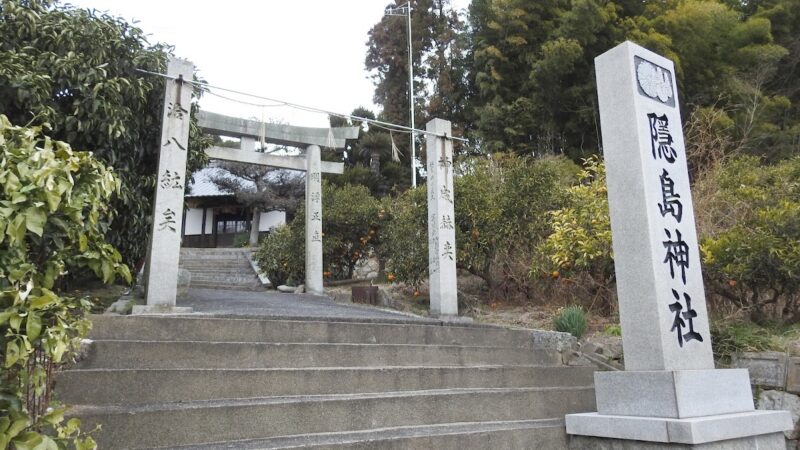
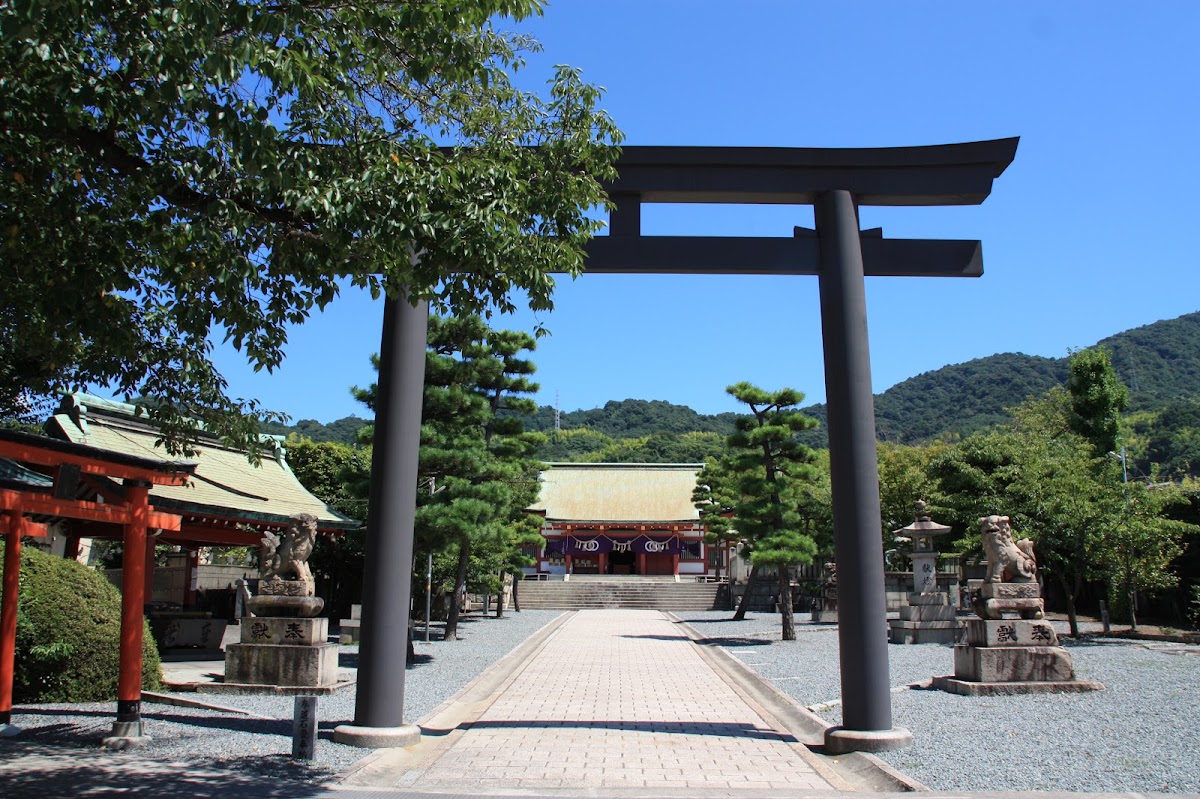
The approach to Kameyama Shrine is a sacred path connecting gods and people. As you climb the stone steps, you leave the hustle and bustle of everyday life and calm your mind. Trees line both sides of the approach, allowing you to appreciate the beauty of nature in every season.
Water Basin
As you proceed along the approach, you will find a water basin. It is proper etiquette to purify your body and mind here before approaching the shrine. By purifying yourself with pure water, you prepare yourself to show respect to the gods.
Worship Hall and Main Shrine
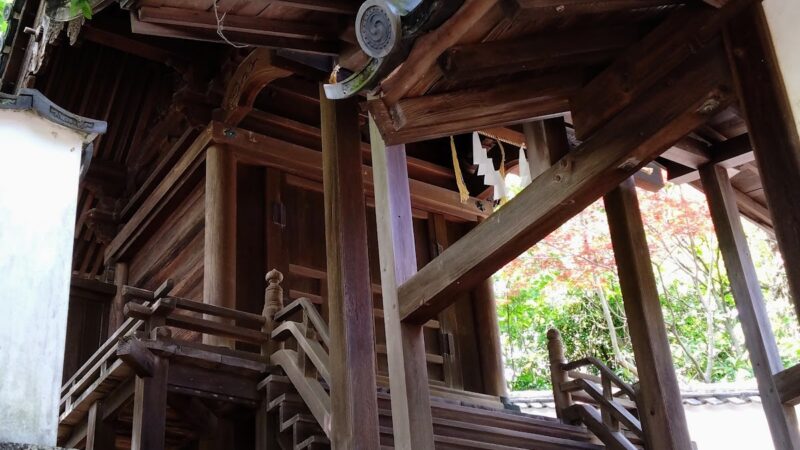
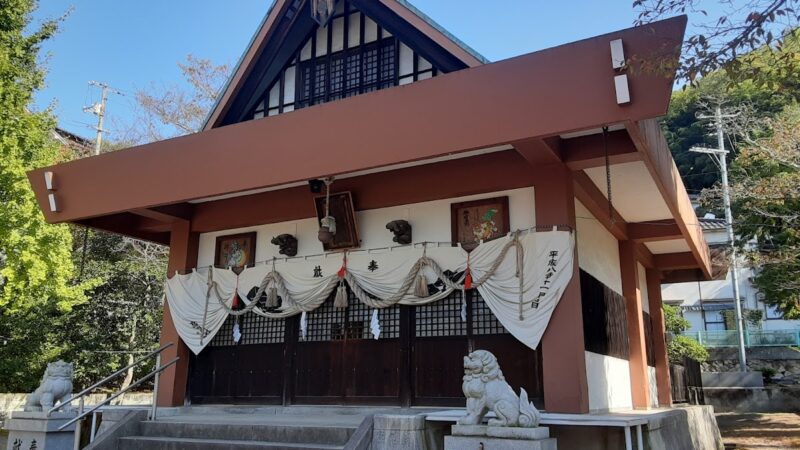
The worship hall is where worshippers offer their prayers to the gods. Please pray respectfully using the two bows, two claps, and one bow ritual. The main shrine enshrines Hachiman-Okami and is enveloped in a solemn atmosphere.
View from the Shrine Grounds
One of the greatest attractions of Kameyama Shrine is the spectacular view of Kure Bay from the shrine grounds. Located on a hill, it offers panoramic views of Kure Port, the shipyards, and the islands of the Seto Inland Sea. The view is especially magnificent on a clear day, allowing you to feel the history of Kure, which developed as a naval port city.
Shrine Office
Prayer requests and the distribution of amulets and other items are handled at the shrine office. Please inquire here if you wish to receive amulets or a Goshuin (shrine stamp).
How to Visit a Shrine and Etiquette | Properly and Sincerely
Basic Shrine Visit Etiquette
- Bow Before Passing Through the Torii Gate – Bow before entering the sacred area, bow before the torii gate.
- Walk Along the Edge of the Path – The center of the path is considered the path of the gods, so walk along the edge.
- Purify Yourself at the Water Basin – Purify your left hand, right hand, and mouth in that order.
- Two Bows, Two Claps, and One Bow at the Main Hall – Bow deeply twice, clap your hands twice, and finally bow once.
- Bow When Leaving the Torii Gate – When leaving the sacred area, turn around and bow once.
Receiving a Prayer
Those wishing to receive a prayer should register at the shrine office. The offering fee varies depending on the prayer content, so it is recommended to check in advance.
For prayers related to the traditional Japanese age counting system, such as for unlucky years, please check your age before visiting. The official website of Kameyama Shrine publishes a list of ages according to the traditional Japanese age counting system, including the unlucky years for 2026 (Reiwa 8).
Attire for Visiting the Shrine
For regular visits, clean clothing is acceptable. However, if you are receiving a prayer, formal attire is preferable.
Annual Events | Autumn Grand Festival, also known as the “People’s Festival”
Autumn Grand Festival (October)
The most important annual event at Kameyama Shrine is the Autumn Grand Festival, held every October. The eve of the festival is on the second Saturday of October, and the main festival is held on the following Sunday.
This festival is so grand that it is called the “People’s Festival,” with many people filling the approach to the shrine and the shrine grounds. The clash between the Yabu (young people welcoming the portable shrine) and the portable shrine is spectacular and has become an autumn tradition for the citizens of Kure. It is a powerful festival well worth seeing and a valuable opportunity to experience Kure’s traditional culture.
Other Annual Events
- Hatsumode (January) – The shrine is bustling with worshippers praying for happiness in the new year.
- Setsubun Festival (February) – Bean-throwing wards off evil spirits and invites good fortune.
- Natsukoshi no Oharae (June) – A Shinto ritual to purify oneself of sins and impurities accumulated over the past six months.
- Shichi-Go-San (November) – Celebrating children’s growth and praying for their continued health.
- Toshikoshi no Oharae (December) – Purifying oneself of sins and impurities accumulated over the year and preparing for the new year.
Access & Basic Information | 10-minute walk from Kure Station
Location
1-9-36 Shimizu, Kure City, Hiroshima Prefecture 737-0029
Access Method
Access by Train
- Approximately 10-minute walk from JR Kure Line “Kure Station”
- Head north from Kure Station and go up the hill.
Access by Car
- Approximately 10 minutes from the Kure IC on the Hiroshima-Kure Expressway (Kure Line)
- Parking available (limited spaces; public transportation is recommended during festivals, etc.)
Visiting Hours
While entry to the shrine grounds is generally free, the shrine office is open from approximately 9:00 AM to 5:00 PM. Those wishing to receive prayers are advised to confirm by phone in advance.
Admission Fee
Free (a donation is required for prayers)
Inquiries
For details, please check the official Kameyama Shrine website or contact them directly.
Recommended Nearby Spots | Places to Visit in Combination with Kure Sightseeing
Yamato Museum (Kure Maritime Museum)
Located approximately a 5-minute walk from Kure Station, this museum allows you to learn about Kure’s maritime history. A 1/10 scale model of the battleship Yamato is on display, allowing you to learn about the history of Kure as a naval port city. Visiting these sites in conjunction with Kameyama Shrine will allow you to gain a deeper understanding of Kure’s history.
Iron Whale Museum (Japan Maritime Self-Defense Force Kure Museum)
This is a rare facility where the actual submarine “Akishio” is on land display. You can learn about the history of the Japan Maritime Self-Defense Force and the workings of submarines. Admission is free, making it an easy place to stop by.
Irifuneyama Memorial Museum
This history museum centers around the former residence of the Commander-in-Chief of the Kure Naval District. You can see Western-style architecture from the Meiji era and feel the history of Kure’s modernization. Located on Irifuneyama, the original site of Kameyama Shrine, it’s a place where you can feel the historical connection.
Kure Bay Ship Cruise
This cruise takes you around Kure Port, allowing you to see Japan Maritime Self-Defense Force vessels up close. Viewing Kure Bay from the sea, after looking down from the grounds of Kameyama Shrine, allows you to discover the charm of Kure from a different perspective.
The Charm of Kameyama Shrine | A Spiritual Sanctuary for Kure Citizens
Kameyama Shrine is a historic shrine that has watched over the land of Kure for over 1300 years. As the principal guardian shrine of the former Kure City, it is a beloved place where local residents pray for safety and happiness in their daily lives, accompanying them through important life events.
The beautiful view of Kure Bay from the hilltop, the refreshing air of the shrine grounds, and the warm atmosphere rooted in the community—all of these are major attractions of Kameyama Shrine.
When you visit Kure, be sure to stop by Kameyama Shrine. By feeling the history and praying in peace, you can forget the hustle and bustle of everyday life and refresh your mind and body.
Summary | Experiencing Kure’s History and Culture at Kameyama Shrine
Kameyama Shrine is a Hachiman shrine with a history of over 1300 years as the principal guardian shrine of the former Kure City. Known for its three major divine blessings of improved fortune, safe childbirth, and academic success, it continues to attract the faith of Kure citizens.
Its convenient location, just a 10-minute walk from Kure Station, makes it an easy stop during your Kure sightseeing. The view of Kure Bay from the shrine grounds is magnificent, allowing you to truly feel the history of Kure as a naval port city.
The annual Autumn Festival, “Hitomatsuri,” held every October, is a valuable opportunity to experience Kure’s traditional culture. The clash between the Yabu (portable shrine) and the Mikoshi (portable shrine) is incredibly impressive and well worth seeing.
When you visit Kure, be sure to pay your respects at Kameyama Shrine and experience the region’s history and culture, as well as the refreshing atmosphere of the shrine. It will surely be a memorable and special experience.