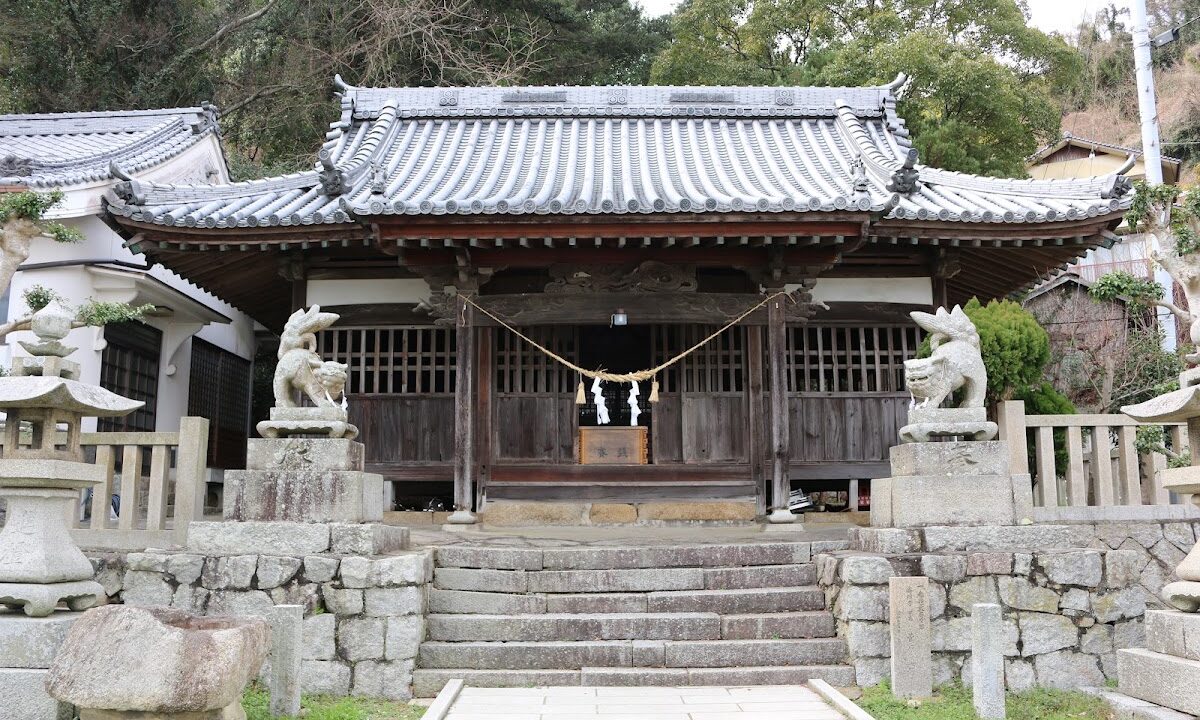
Complete Guide to Morinooku Itsukushima Shrine (Hiroshima Prefecture): History, Benefits, Access, and Visiting Information
Morinooku Itsukushima Shrine, located in Hatsukaichi City, Hiroshima Prefecture, is known for its deep connection to Itsukushima Shrine, a World Heritage Site. This article provides detailed information you should know before visiting, including the shrine’s historical background, benefits, how to worship, and access information.
What is Morinooku Itsukushima Shrine?
Morinooku Itsukushima Shrine is a historical shrine located in Hatsukaichi City, Hiroshima Prefecture, and is sometimes said to have connections to the subsidiary shrines of Itsukushima Shrine. It is affectionately known locally as “Morinooku-san” and is loved by many visitors as a sacred space nestled in a quiet forest.
Characteristics of the Shrine
The most distinctive feature of Morinooku Itsukushima Shrine lies in its location and atmosphere. Surrounded by a deep forest, the shrine grounds offer a tranquil space far removed from the hustle and bustle of the city, allowing visitors to find peace of mind while feeling a sense of oneness with nature.
The grounds are lined with ancient trees, some said to be hundreds of years old, allowing visitors to enjoy the beauty of nature throughout the seasons. Especially during the seasons of fresh greenery and autumn leaves, many worshippers and photography enthusiasts visit.
History of Mori-no-Oku Itsukushima Shrine
Origin of Founding
While there are various theories regarding the exact founding date of Mori-no-Oku Itsukushima Shrine, it is believed to have been established during the Heian to Kamakura periods, as Itsukushima worship spread. It is said to have enshrined Ichikishima-hime no Mikoto, the deity of Itsukushima Shrine, and has long functioned as a center of local faith.
Relationship with Itsukushima Shrine
Itsukushima Shrine, located on Miyajima Island, is one of Japan’s most renowned shrines, but its worship spread throughout Hiroshima Prefecture, resulting in the establishment of many branch shrines and related shrines. Morinooku Itsukushima Shrine is considered one such example, having played a role in establishing the Itsukushima faith within the local community.
In particular, the Itsukushima faith, which prays for the safety of maritime traffic, has also taken on the characteristics of a water god and an agricultural god in inland areas, and has been closely intertwined with the lives of local residents.
Developments since the Modern Era
Even after the Meiji-era separation of Shinto and Buddhism and the turmoil of the post-war period, Morinooku Itsukushima Shrine has survived as a spiritual pillar of the local community. Currently, it is carefully preserved by parishioners and devotees, and regular festivals and cleaning activities are held.
Deities and Benefits
Deities
The main deity enshrined at Morinooku Itsukushima Shrine is Ichikishimahime-no-Mikoto, the same as at Itsukushima Shrine. Ichikishimahime-no-Mikoto is one of the three Munakata goddesses, and is said to be a goddess born from the vow between Amaterasu-Omikami and Susanoo-no-Mikoto.
The Munakata Three Goddesses have been worshipped since ancient times as guardians of maritime traffic, but they are also revered as goddesses of performing arts and wealth, having been syncretized with Benzaiten, the goddess of water.
Main Benefits
The main benefits that can be received at Mori-no-Oku Itsukushima Shrine are as follows:
Safety in Traffic and Navigation
This benefit stems from Ichikishimahime-no-Mikoto’s original divine nature as a guardian of maritime traffic. In modern times, it is also believed to be effective for praying for safety in land transportation such as automobiles.
Business Prosperity and Increased Wealth
Due to her characteristics as Benzaiten, she is believed to bring benefits of business prosperity and increased wealth. Many worshippers visit to pray for business success and financial stability.
Improvement in Performing Arts and Academic Success
Since Benzaiten is also the goddess of music and art, many people involved in performing arts and students visit the shrine. It is worshipped by people praying for skill improvement and success in examinations.
Matchmaking and Family Safety
As the shrine enshrines a goddess, it is popular for those seeking good relationships and those praying for family happiness. It is also believed to bring blessings for marital harmony and prosperity of descendants.
Exorcism and Good Fortune
As a shrine nestled in a sacred forest, it is believed to possess the power to ward off evil spirits and improve one’s luck.
Highlights of the Shrine Grounds
Main Hall and Worship Hall
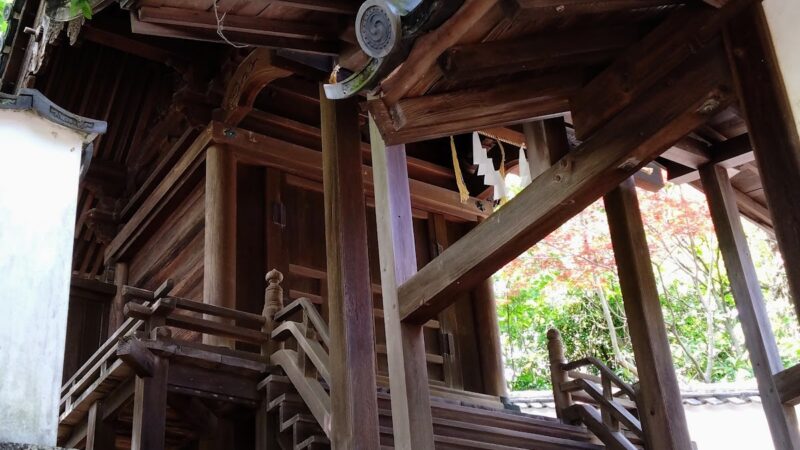
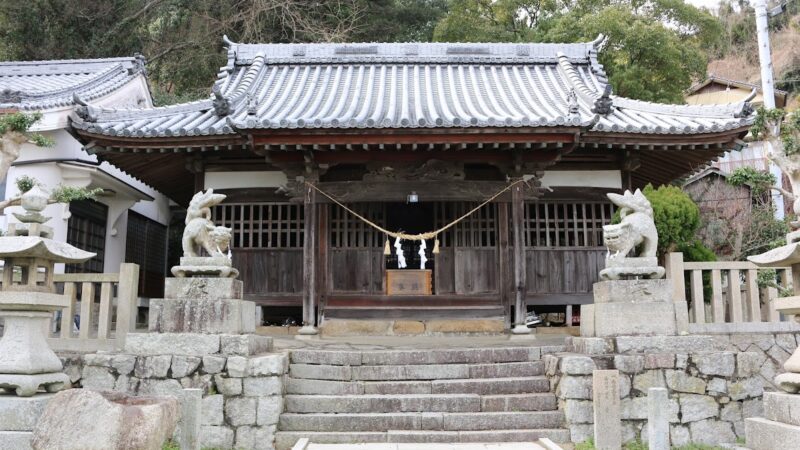
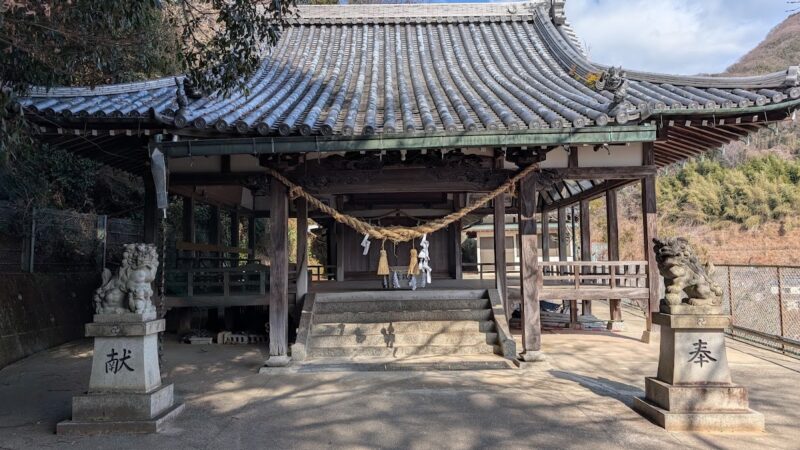
The main hall of Morinooku Itsukushima Shrine is a valuable structure that preserves traditional shrine architecture. Its simple yet dignified design speaks to the weight of its long history. In the worship hall, one can quietly clasp their hands together and offer heartfelt prayers.
Sacred Trees and Nature
The shrine grounds contain several magnificent, ancient sacred trees, which serve as symbols of the shrine. These large trees, with trunks several meters in circumference, are living witnesses that have watched over this land for many years, and many people visit to feel their power.
Located in the middle of a forest, the sounds of birdsong and rustling trees create a pleasant atmosphere, offering a space where you can feel in harmony with nature.
Water Basin
A water basin is provided for purification before worship. Cleansing your hands and mouth with the pure water purifies both mind and body, preparing you to approach the shrine.
Shrine Office and Gifts
At the shrine office, you can receive gifts such as Goshuin (shrine stamps), amulets, and talismans. However, staff may not always be present, so it is recommended to check in advance if you wish to receive a Goshuin or other items.
Annual Events and Festivals
Grand Festival
Mori no Oku Itsukushima Shrine holds its annual Grand Festival. Local parishioners and devotees gather, and the Shinto rituals are performed solemnly. The festival dates are determined based on local traditions and the calendar, making it an important opportunity to reaffirm the unity of the local community.
New Year’s Visit
The shrine is bustling with worshippers for the New Year’s visit. People visit to pray for safety and happiness throughout the year, welcoming the start of the new year before the gods. A New Year’s visit to a shrine in the quiet forest offers a peaceful atmosphere, different from large urban shrines.
Other Events
Seasonal festivals and local traditional events may also be held. Detailed schedules can be found in local information or on the shrine’s bulletin board.
Access
Location
Mori no Oku Itsukushima Shrine is located in Hatsukaichi City, Hiroshima Prefecture. However, for the specific address and detailed location information, it is recommended to check the latest information before visiting.
Access by Public Transportation
Using JR
It is generally recommended to take a bus or taxi from the nearest JR Sanyo Main Line station. Hatsukaichi Station and Miyauchi-Kushido Station are options, but the best station depends on the exact location of the shrine.
Using Buses
While there may be local bus services such as Hiroden Bus, the number of services may be limited, so it is important to check the timetable in advance.
Access by Car
Using the Sanyo Expressway
You can access the shrine via local roads from Hatsukaichi IC or Ono IC. If using a car navigation system, it’s recommended to set the shrine name or major nearby facilities as your destination.
Parking
The availability and capacity of dedicated parking vary depending on the size and location of the shrine. It’s recommended to check the parking situation before visiting. Due to its location in a forest, roads may be narrow, so careful driving is necessary.
Points to Note When Accessing
- As the shrine may be located in a mountainous or forested area, road conditions may change depending on the weather and season.
- In winter, there is a possibility of snow and icy roads, so appropriate equipment and careful driving are necessary.
- Cell phone reception may be poor in some areas, so it’s recommended to check a map beforehand.
Manners and Points for Visiting a Shrine
Basic Shrine Visiting Etiquette
There are basic manners for visiting a shrine. At Morinooku Itsukushima Shrine, please follow general shrine visiting etiquette.
How to Pass Through a Torii Gate
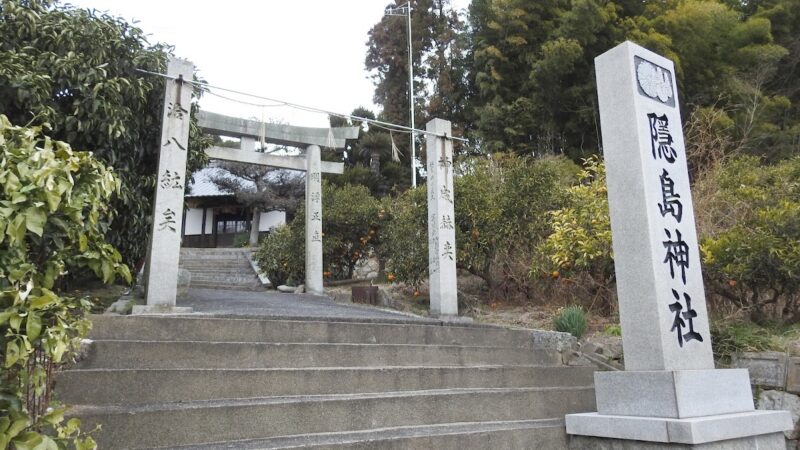
The torii gate is the entrance to the sacred area. Bow before passing through, and walk along the edge of the path, as the center is considered the path of the gods.
How to Wash Your Hands
- Hold the ladle in your right hand and wash your left hand.
- Switch the ladle to your left hand and wash your right hand.
- Switch the ladle back to your right hand, receive water in your left hand, and rinse your mouth.
- Wash your left hand again.
- Hold the ladle upright, wash the handle, and return it to its original position.
How to Bow
- Place your offering in the offering box.
- Ring the bell if there is one.
- Perform the two bows, two claps, and one bow (two deep bows, two claps, one deep bow).
Clothing and Belongings
There are no specific dress code requirements for visiting a shrine, but clean clothing that reflects the sacred nature of the place is desirable. Considering its location in the forest, please note the following:
- Wear comfortable walking shoes (the path may not be well-maintained)
- Wear appropriate clothing for the season (temperatures in the forest may be lower than in urban areas)
- Bring insect repellent (especially in summer)
- Bring drinking water (there may not be vending machines)
Photography
Photography is generally permitted on the shrine grounds, but please note the following:
- Follow instructions if photography is prohibited in certain areas, such as inside the main hall.
- Be considerate of other visitors.
- Remember that this is a sacred place and take photos with moderation.
- Use a tripod only after assessing the surrounding environment.
Nearby Tourist Attractions
Itsukushima Shrine (Miyajima)
If you visit Mori-no-Oku Itsukushima Shrine, you should definitely also visit the original Itsukushima Shrine. Itsukushima Shrine, a UNESCO World Heritage Site, is famous for its floating torii gate and is one of Japan’s leading tourist destinations.
Miyajima Island is accessible by ferry and offers a full day of enjoyment, including Itsukushima Shrine, hiking Mount Misen, local delicacies like momiji manju (maple leaf-shaped steamed buns), and opportunities to interact with deer.
Attractions in Hatsukaichi City
Hatsukaichi City also has many other attractions:
Kendama Port Museum
Hatsukaichi City is known as the birthplace of kendama (a Japanese cup-and-ball game), and there is a museum where you can learn about the history and culture of kendama.
Gokurakuji Mountain
This mountain, with an elevation of 693 meters, is a popular hiking destination. From the summit, you can enjoy panoramic views of the Seto Inland Sea and Miyajima Island.
Oono Nature Observation Forest
This forest park is rich in nature, allowing you to observe plants and wild birds throughout the seasons. It is a popular spot for families.
Sightseeing in Hiroshima City
Hatsukaichi City is about a 30-minute drive from the center of Hiroshima City. Hiroshima boasts numerous historical and cultural attractions, including the Atomic Bomb Dome, Peace Memorial Park, Hiroshima Castle, and Shukkei-en Garden.
You can also enjoy Hiroshima’s local cuisine, such as okonomiyaki, oysters, and momiji manju (maple leaf-shaped steamed buns).
The Charm of Mori-no-Oku Itsukushima Shrine
Worship in Tranquility and Nature
The greatest charm of Mori-no-Oku Itsukushima Shrine lies in its tranquil environment, far removed from the hustle and bustle of the city. Within the shrine grounds, surrounded by a deep forest, only the sounds of birdsong and wind can be heard, allowing for a peaceful and calming worship experience.
In modern society, such a tranquil space is precious, offering an excellent opportunity to escape daily stress and refresh mind and body.
Aspects as a Power Spot
In recent years, shrines and temples have gained attention as power spots, and Mori-no-Oku Itsukushima Shrine can be considered one of them. It possesses elements that evoke a sense of energy, including a sacred place that has attracted worshippers since ancient times, ancient trees, and pure air.
Especially for those seeking the energy of nature, shrines nestled in forests are ideal places. You can enjoy the scientifically proven benefits of nature, such as the phytoncides released from the trees.
Preservation of Local Culture
Mori no Oku Itsukushima Shrine is a valuable presence that conveys the history and culture of the region to the present day. The traditions, preserved by parishioners and local residents, continue to be passed down even today.
Visiting such a community-based shrine is a good opportunity to understand Japanese traditional culture and the nature of local communities.
Precautions When Visiting
Shrine Office Opening Hours
For smaller shrines, the shrine office may not be open all the time. If you wish to obtain a goshuin (shrine stamp) or other items, it is recommended to check the opening hours in advance or inquire by phone.
Seasonal Differences
Spring (March-May)
The fresh greenery is beautiful, and it is a pleasant season. Those with hay fever may need to take precautions.
Summer (June-August)
The forest is cool, but it is also a season with many insects. Take thorough insect repellent measures. The ground can be slippery during the rainy season.
Autumn (September-November)
This is a beautiful season for autumn foliage and one of the best times to visit. Be mindful of significant temperature fluctuations and dress accordingly.
Winter (December-February)
There is a possibility of snowfall, so winter tires or chains may be necessary. Take thorough precautions against the cold.
Manners and Etiquette
- Smoking is prohibited on the shrine grounds.
- Please take all your trash with you.
- Please refrain from speaking loudly or making noise.
- Please check in advance whether pets are allowed.
- Always be mindful that this is a sacred place.
About Itsukushima Faith
History of Itsukushima Faith
Itsukushima faith is a belief system that developed around Itsukushima Shrine on Miyajima Island. Taira no Kiyomori deeply revered Itsukushima Shrine and constructed the shrine buildings, leading to its widespread recognition as the guardian deity of the Taira clan.
The Itsukushima faith, with Ichikishimahime-no-Mikoto as its principal deity, spread primarily along the Seto Inland Sea coast as a faith praying for safe maritime travel and protection of voyages.
Syncretism with Benzaiten
During the era of Shinto-Buddhist syncretism, Ichikishimahime-no-Mikoto came to be identified with Benzaiten. Benzaiten is a goddess of Indian origin, worshipped as the deity of water, music, art, and wealth.
This syncretism expanded the Itsukushima faith to encompass not only protection of maritime travel but also blessings for artistic improvement, business prosperity, and increased wealth, attracting a wider range of followers.
Itsukushima Faith in Modern Times
Even today, Itsukushima Shrine remains one of Japan’s most representative shrines, attracting many worshippers from both within Japan and internationally. Local Itsukushima-related shrines, such as Mori-no-Oku Itsukushima Shrine, continue to preserve their faith in their respective regions.
Itsukushima Shrine, which has garnered international attention due to its World Heritage designation, embodies a deep reverence for nature and gratitude towards the gods.
Mindset for Worship
Cultivate a Grateful Heart
The foundation of shrine worship is not just making requests, but also expressing gratitude for daily safety and blessings. It’s important to first express gratitude to the gods, and then, if you have a wish, offer your prayer.
Approach with Sincerity
It’s crucial to approach the gods with sincerity, rather than merely going through the motions. Closing your eyes quietly and calming your mind before worship allows for a deeper spiritual experience.
Harmony with Nature
At shrines surrounded by nature, such as Mori-no-Oku Itsukushima Shrine, experiencing harmony with nature is a key aspect of worship. Sharpen your senses and feel the nature around you—the rustling of the trees, the chirping of birds, the scent of the wind.
Summary
Morinooku Itsukushima Shrine is a historic shrine located in Hatsukaichi City, Hiroshima Prefecture. It has long been cherished by the local people as a shrine that transmits the Itsukushima faith to the region.
The quiet grounds, surrounded by a deep forest, are a place worth visiting, offering a chance to regain the peace of mind that modern people often lose, and a power spot where you can feel the energy of nature.
It is said to offer a variety of blessings, including traffic safety, business prosperity, improvement in performing arts, and matchmaking, welcoming worshippers with diverse wishes.
Visiting it in conjunction with the World Heritage site Itsukushima Shrine will deepen your understanding of the Itsukushima faith. When visiting Hiroshima Prefecture, be sure to visit Morinooku Itsukushima Shrine as well.
The time spent praying in the tranquil forest will surely be a special and memorable experience. By escaping the hustle and bustle of daily life and spending time facing nature and the gods, you will gain new insights and vitality.
When visiting, please observe basic manners and approach the gods with a grateful heart. Furthermore, we hope you will not forget to show respect to the local people who have protected this shrine for so long, and that you will consider passing it on to future generations as a precious cultural heritage.