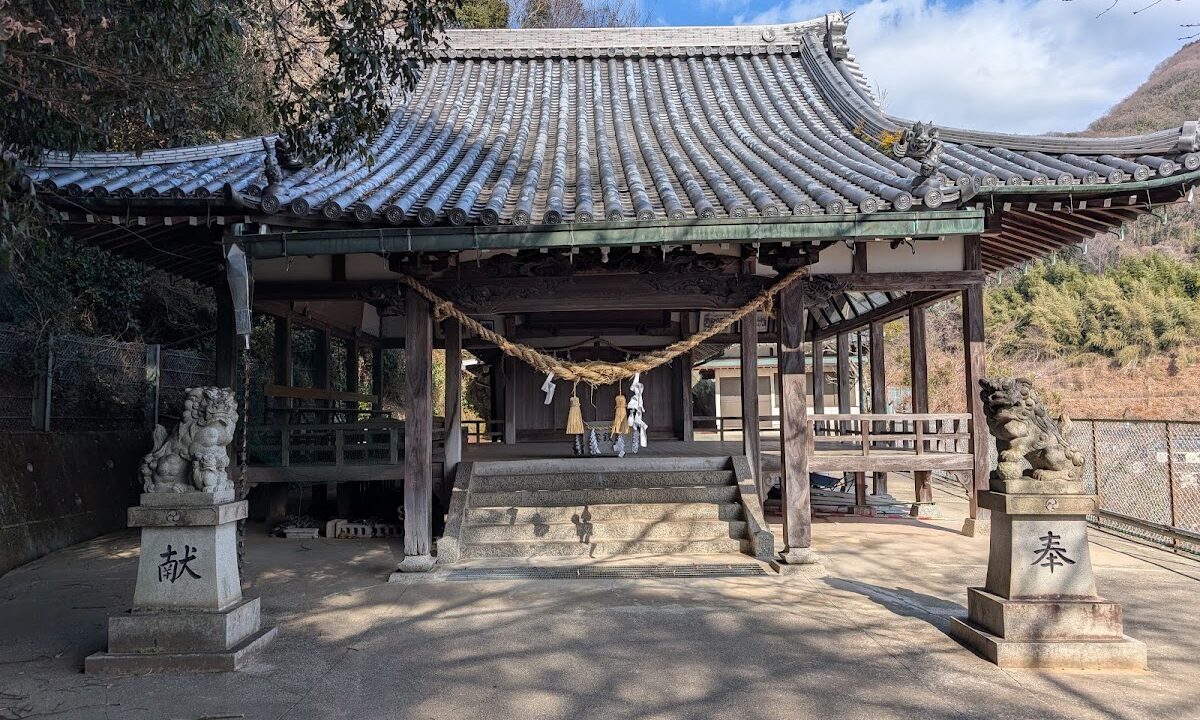
Complete Guide to Kotsubo Hachiman Shrine (Hiroshima Prefecture) | The Charm of Kotsubo Kagura and Festivals with 200 Years of History
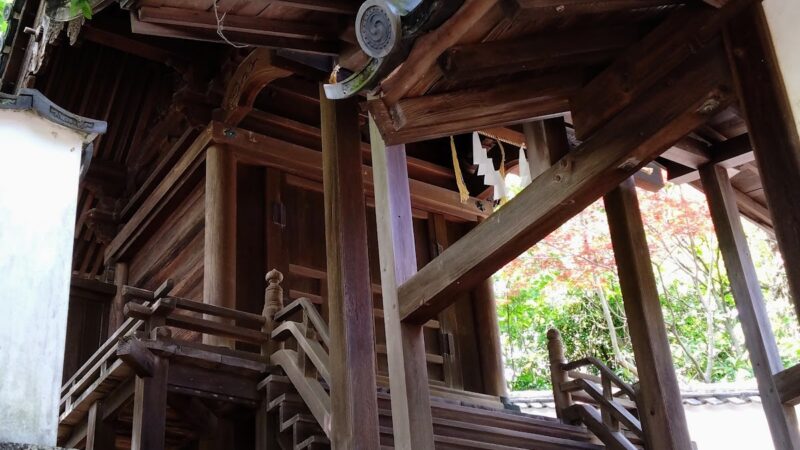
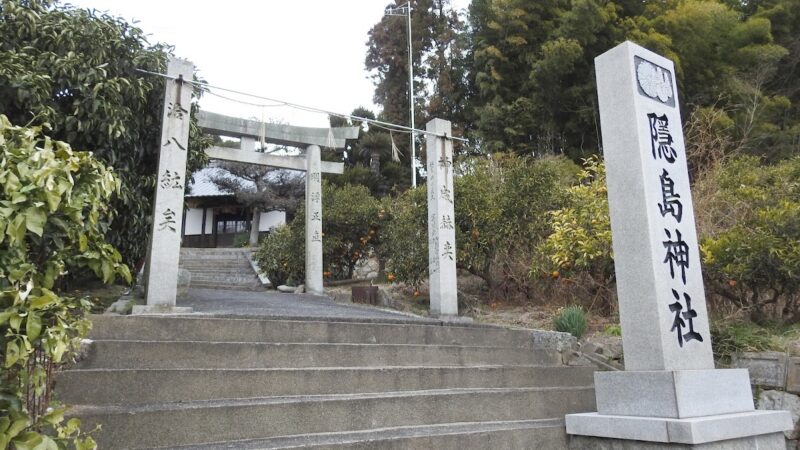
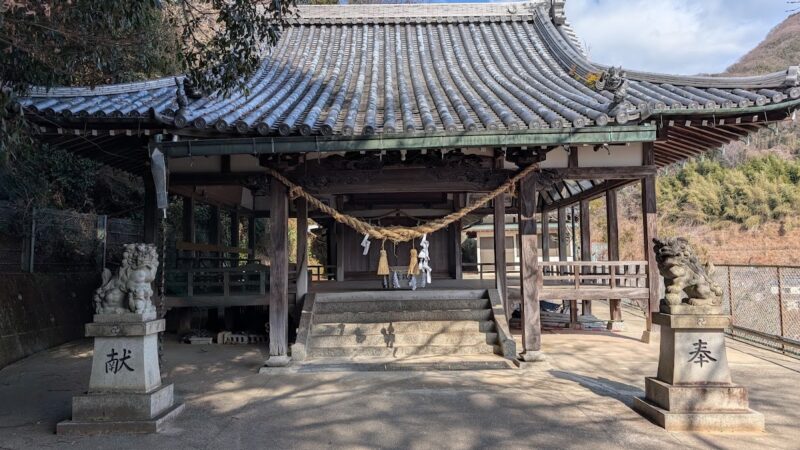
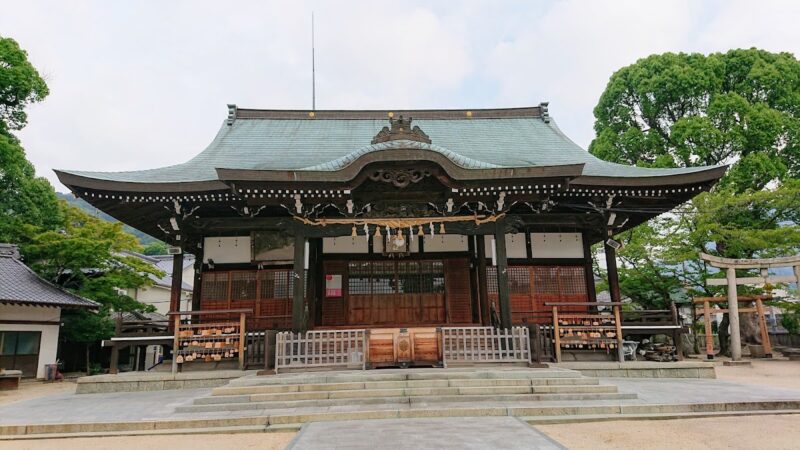
Kotsubo Hachiman Shrine, located in Hirokotsubo, Kure City, Hiroshima Prefecture, is a shrine that has long been revered as the local guardian deity. In particular, the “Kotsubo Kagura,” performed annually in autumn, is registered as an intangible cultural property of Kure City and is known as a valuable traditional performing art with a history of approximately 200 years. This article will introduce the charm of this shrine in its entirety, from its history and the characteristics of Kotsubo Kagura to the highlights of its festivals and access information.
Overview and History of Kotsubo Hachiman Shrine
Basic Information about the Shrine
Kotsubo Hachiman Shrine is located in the Hirokotsubo district of Kure City, Hiroshima Prefecture, and has long been cherished as a center of faith for the local residents. The Hirokotsubo district is surrounded by mountains on three sides and is situated in a scenic location facing the Seto Inland Sea.
The deities enshrined at the shrine are Emperor Ōjin and other Hachiman Ōkami, revered as guardians of abundant harvests, family safety, and lasting military fortune. As the local tutelary deity, it is deeply intertwined with the lives of the residents.
Historical Background of the Hirokotsubo Area
The Hirokotsubo area was a thriving center of lime production from the late Edo period. Due to its topography, surrounded by mountains on three sides, all lime production was transported by sea. The development of this shipping industry is deeply connected to the origins of the Kotsubo Kagura, which will be discussed later.
In the Hirokotsubo area, which prospered from the lime industry, active exchanges with other regions took place through sea transport, and cultural exchanges flourished. This historical background has fostered a unique culture and traditions that continue to this day.
History and Origins of Kotsubo Kagura
The Beginning of a 200-Year-Old Traditional Performing Art
The history of Kotsubo Kagura is said to span approximately 200 years. Its origins have an interesting story. In the late Edo period, while transporting lime by sea, the people of Hirokotsubo happened to stop at the Oyamazumi Shrine on Omishima Island in Ehime Prefecture. They were deeply impressed by the Kagura (sacred dance) performed there.
They learned the dance and began performing it at the autumn festival of their local Kotsubo Hachiman Shrine, which is considered the origin of Kotsubo Kagura. The Oyamazumi Shrine is located at a key point in maritime traffic in the Seto Inland Sea and has long been worshipped as a god of the sea. For the people of Hirokotsubo, who made their living from maritime transport, this encounter with the shrine may have been inevitable.
Registration as an Intangible Cultural Property of Kure City
Kotsubo Kagura has been recognized for its historical value and cultural importance and is registered as an Intangible Cultural Property of Kure City. It is a precious traditional performing art carefully preserved by local community associations and preservation societies, and passed down to future generations.
Thanks to the enthusiastic efforts of local residents, this Kagura has continued uninterrupted for 200 years and has become the very identity of the Hirokotsubo district. ## Characteristics and Repertoire of Kotsubo Kagura
A Magnificent Shinto Ritual Composed of 21 Types of Dances
The most distinctive feature of Kotsubo Kagura is that it consists of 21 different types of dances. These dances are offered as sacrifices to the gods in Shintoism and play an important role in shrine festivals.
The Kagura performance lasts for approximately 6 hours, a long dedication that continues from night until early morning. By watching until the end, the audience shares in the sacred atmosphere and deepens community bonds.
Unique Rhythms Woven by Five Drums
One of the major characteristics of Kotsubo Kagura is the use of five drums. The powerful rhythms created by the multiple drums give the Kagura a unique power and dynamism.
The sound of the drums is considered a sacred resonance that connects the sacred realm and the human world, stirring the hearts of the audience. The rhythms played by skilled performers are the culmination of techniques backed by many years of tradition.
Audience Participation in Kagura
One of the unique aspects of Kotsubo Kagura is the opportunity for audience members to spontaneously participate. This is a feature rarely seen in other Kagura performances, and it is a tradition unique to Kotsubo Kagura, which, while being a Shinto ritual, emphasizes a sense of unity with the local community.
By involving the audience, Kagura becomes not merely an object of observation, but a festival created by the entire community. This participatory element can be said to be one of the driving forces that has supported Kotsubo Kagura for 200 years.
Female Participation and the Transmission of Tradition
While Kagura has traditionally been performed primarily by men, in recent years, female participation has also been seen in Kotsubo Kagura. This attitude of flexibly adapting to the times while preserving tradition is an important element for the long-term continuation of Kotsubo Kagura.
The participation of younger generations and women makes the transmission of Kagura more certain and contributes to the revitalization of local culture.
Annual Festival and Events of Kotsubo Hachiman Shrine
Autumn Festival (Late October)
The most important event at Kotsubo Hachiman Shrine is the Autumn Festival, held annually in late October. During this festival, the Kotsubo Kagura dance is performed, attracting many spectators from both within and outside the region.
The festival is conducted solemnly as a shrine ritual. After Shinto rituals such as the recitation of prayers and the offering of sacred branches by the priests, the Kotsubo Kagura performance begins in the evening. While the atmosphere of the festival is sacred, it also serves as a warm gathering place for local residents.
A Day in the Life of the Festival
On the day of the festival, preparations begin in the morning around the shrine. Shinto rituals are performed in the morning, and from the afternoon to the evening, there may be local stalls and events.
As dusk falls, the Kotsubo Kagura performance begins. 21 different dances are performed in sequence, and the sound of drums and dances resonates throughout the shrine grounds. Spectators watch the Kagura performance all night long, sharing a sacred time that continues until the early morning.
Other Annual Events
Besides the autumn festival, Kotsubo Hachiman Shrine holds various events throughout the year. Seasonal festivals such as the New Year’s visit, Setsubun festival, and summer festival create a rhythm in the lives of local residents.
Through these events, the shrine continues to play a central role in the local community.
People Supporting Kotsubo Kagura
Efforts of Local Community Associations and Preservation Societies
Kotsubo Kagura is carefully preserved by local community associations and preservation societies. A wide range of activities are carried out throughout the year, including training performers, managing props, and passing on the performances.
Members of the preservation society practice in their spare time, honing their traditional skills. Especially in the months leading up to the festival, intensive practice is conducted, with efforts continuing to dedicate a highly polished Kagura performance.
Activities for Passing on to the Next Generation
The training of the younger generation is essential for the continuation of Kotsubo Kagura. The preservation society also focuses on teaching children, providing opportunities for local elementary and junior high school students to learn Kagura (Shinto ritual dance).
Children sometimes participate in actual performances, fostering a natural attachment to local culture through exposure to tradition from a young age. These efforts are the driving force that connects the 200-year-old tradition to the future.
Access and Visiting Information for Kotsubo Hachiman Shrine
Location and Basic Information
Location: Hirokotsubo, Kure City, Hiroshima Prefecture
Deity Enshrined: Emperor Ojin (Hachiman Okami)
Main Festival: Autumn Festival (late October)
Cultural Property Designation: Kotsubo Kagura (Kure City Intangible Cultural Property)
Transportation Access
Access by Train:
Take a walk or bus from JR Kure Line “Hiro Station” to the Hirokotsubo area. Hiro Station is a few stops from the center of Kure City, making access relatively convenient.
Access by Car:
Take the Hiroshima-Kure Expressway (Kure Line) towards Kure. Hirokotsubo district is located in the southern part of Kure City, along the Seto Inland Sea. Searching for “Kotsubo Hachiman Shrine” or “Hirokotsubo, Kure City” on your car navigation system is recommended.
Parking: Temporary parking may be available during the annual festival, but congestion is expected, so using public transportation is recommended.
Points to Note When Visiting
Kotsubo Hachiman Shrine is a community-oriented shrine, and usually has a quiet atmosphere. When visiting, please be considerate of the lives of local residents and pray quietly.
If you plan to watch the Kotsubo Kagura performance during the annual festival, it will be a long viewing experience, so it’s advisable to bring warm clothing and a cushion for comfort. Also, remember that it is a sacred ritual, and observe proper etiquette.
Nearby Tourist Attractions
Highlights of Kure City
Kure City, where Kotsubo Hachiman Shrine is located, is a port town with a history of flourishing as a naval base for the former Imperial Japanese Navy. The following are some nearby tourist attractions:
Yamato Museum (Kure Maritime Museum): A popular museum exhibiting a 1/10 scale model of the battleship Yamato. You can learn about the history of Kure’s shipbuilding technology.
Iron Whale Museum (Japan Maritime Self-Defense Force Kure Museum): A rare museum exhibiting a real submarine. Admission is free.
Kure Bay: A port area where you can enjoy the beautiful scenery of the Seto Inland Sea. The view at sunset is particularly renowned.
Nature of Hirokotsubo Area
Hirokotsubo area is surrounded by mountains on three sides and faces the Seto Inland Sea, making it a naturally rich area. The environment, where you can enjoy both the sea and mountains, is ideal for spending relaxing time away from the hustle and bustle of the city.
As you stroll through the area, you can feel the remnants of the former lime industry and the atmosphere of a fishing village.
Cultural Value and Future Prospects of Kotsubo Kagura
Kagura as Regional Identity
Kotsubo Kagura is not merely a traditional performing art; it is the very identity of the people of the Hirokotsubo district. This kagura, passed down for 200 years, embodies the region’s history, the bonds between its people, and the memories of a life lived in harmony with the sea.
In rural cities facing depopulation and an aging population, the transmission of such traditional culture is not easy. However, Kotsubo Kagura continues to be preserved through the strong pride and affection of the local residents.
Protection and Utilization as an Intangible Cultural Property
Registered as an intangible cultural property of Kure City, Kotsubo Kagura is being protected and preserved with the support of the local government. Information dissemination to widely publicize its value as a cultural property and its utilization as a tourism resource are also being considered.
It is also registered in a multilingual explanatory database of regional tourism resources, and efforts are being made to convey the charm of Kotsubo Kagura to tourists from both Japan and abroad. The fact that it is both preserving tradition and challenging itself to disseminate information in new forms is noteworthy.
Kotsubo Kagura, registered as an intangible cultural property of Kure City, is being protected and preserved with the support of the local government. ### For Sustainable Succession
For Kotsubo Kagura to continue for many years to come, there are several challenges. These include the aging of performers, encouraging participation from younger generations, financial support, and maintaining the local community.
However, as long as the strong bonds of the local residents and their pride in tradition remain, Kotsubo Kagura will be passed down to future generations. Its unique style of audience participation and its willingness to embrace flexible changes, such as the participation of women, are also key to its continuation.
Experiencing Kotsubo Kagura
How to Participate in the Festival
Those who wish to experience Kotsubo Kagura firsthand are advised to visit during the annual festival in late October. The specific dates vary each year, so it’s a good idea to check Kure City’s tourism information and local information beforehand.
Since the festival lasts from night until early morning, securing accommodation is also important. There are various hotels and inns in Kure City, allowing you to enjoy sightseeing along with your visit.
Etiquette for Viewing
Remember that Kotsubo Kagura is a sacred Shinto ritual, and observe the following etiquette while viewing:
- View quietly and avoid disturbing the performers.
- Take photographs only where permitted (refrain from using flash photography).
- Take all your trash with you.
- Be considerate of local residents.
- Actively participate in parts where audience participation is permitted and enjoy the sense of unity.
Recommendation for Prior Learning
To better understand and enjoy Kotsubo Kagura, we recommend learning about its history and performances beforehand. You can find information on the Kure City website, tourism sites, and local tourism resource databases.
Researching the Oyamazumi Shrine, the origin of Kagura, will also help you better understand the background of Kotsubo Kagura.
Summary: The Charm of Kotsubo Hachiman Shrine and Kotsubo Kagura
Kotsubo Hachiman Shrine, located in Hirokotsubo, Kure City, Hiroshima Prefecture, is a shrine that continues to preserve Kotsubo Kagura, a valuable intangible cultural asset with a 200-year history. The Kotsubo Kagura, said to have originated at the Oyamazumi Shrine on Omishima Island in Ehime Prefecture, is a unique style featuring 21 different dances, five drums, and audience participation, and continues to be cherished by the local people.
Born from the historical background of the lime industry and shipping industry in the late Edo period, the Kotsubo Kagura is the very identity of the Hirokotsubo district and plays an important role in strengthening the bonds of the local community. Thanks to the enthusiastic efforts of local community associations and preservation societies, the tradition is being reliably passed down to the next generation.
At the annual autumn festival held in late October, the Kagura is performed for six hours, from night until early morning, creating a sacred atmosphere and a strong sense of community unity. Protected as an intangible cultural property of Kure City, and also attracting attention as a tourist attraction, the Kotsubo Kagura continues to move forward into the future, maintaining a balance between tradition and innovation.
When visiting Hiroshima Prefecture, be sure to visit the Kotsubo Hachiman Shrine and experience the power and beauty of the Kotsubo Kagura, steeped in 200 years of history. Along with the beautiful scenery of the Seto Inland Sea, you will be able to experience the splendor of traditional Japanese culture.