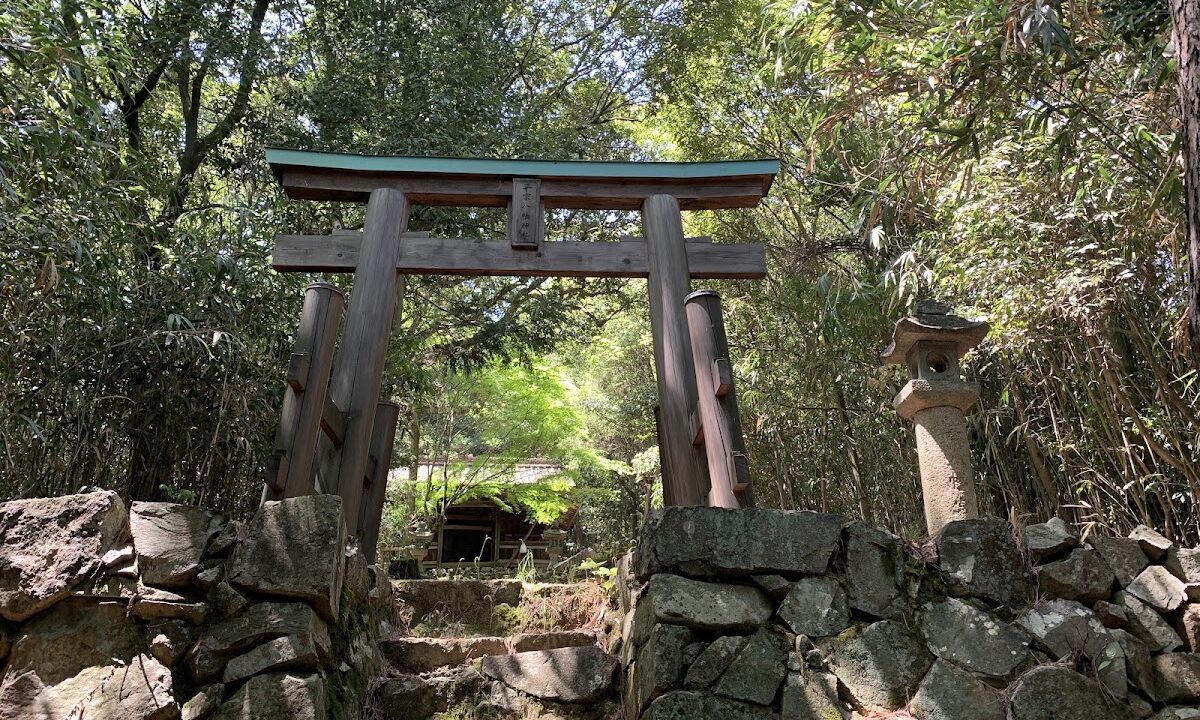
Heike Hachiman Shrine (Hiroshima Prefecture) Complete Guide: History, Benefits, Access, and Visiting Information
Heike Hachiman Shrine, located in Hiroshima Prefecture, is known as a historically significant shrine with strong ties to the Taira clan. This article provides detailed information useful for those planning a visit, including the shrine’s history, enshrined deities, benefits, highlights within the grounds, annual events, and access methods.
Basic Information on Heike Hachiman Shrine
Heike Hachiman Shrine is a historical shrine located in Hiroshima Prefecture, cherished by locals for its deep connection to the Taira clan. It possesses a unique form of worship that blends Hachiman faith with the history of the Taira clan, attracting many visitors.
Location and Basic Data
Heike Hachiman Shrine is situated in a naturally rich area of Hiroshima Prefecture, offering a peaceful environment for worship. Surrounded by greenery, it provides a tranquil setting for visitors to enjoy the changing seasons.
History and Origins of Heike Hachiman Shrine
Origin of Founding
The founding of Heike Hachiman Shrine is deeply intertwined with the historical context of the late Heian period to the early Kamakura period. It is said to have a history linked to the era when the Taira clan enjoyed great prosperity, or to the legend of the fugitives after their defeat at the Battle of Dan-no-ura.
A legend remains that when Taira warriors and family members fled to this area, they enshrined Hachiman, the god of war, and prayed for the peace and restoration of their family. Hachiman was widely worshipped as a god of war, and was particularly revered by both the Minamoto and Taira clans.
Connection with the Taira Clan
After the Taira clan’s downfall at the Battle of Dan-no-ura in 1185, the surviving members of the Taira family and their retainers are said to have scattered to various locations, hiding in mountainous areas and remote places. Several legends of Heike clan refugees remain within Hiroshima Prefecture, and Heike Hachiman Shrine has attracted worshippers within this historical context.
The shrine preserves artifacts and traditions related to the Heike clan, making it a valuable place that conveys the history of the region to the present day.
Changes Since the Edo Period
During the Edo period, it was revered by local people as the tutelary deity of the region and played an important role as the guardian shrine of the village. Despite being affected by the Meiji-era separation of Shinto and Buddhism and the shrine consolidation policy, it has been preserved and passed down to the present day through the fervent faith of the local residents.
Deities and Divine Virtues
Main Deity
The main deity of Heike Hachiman Shrine is Emperor Ōjin (Homudawake no Mikoto), the central figure in Hachiman worship. Hachiman is widely worshipped as the god of military fortune and victory, and is also revered as the god of national protection and industrial development.
Enshrined Deities
Some shrines enshrine Empress Jingū and Himegami alongside Emperor Ōjin. Furthermore, because it enshrines warriors and family members associated with the Taira clan, it has its own unique form of worship.
Divine Blessings and Virtues
The main blessings you can receive at Heike Hachiman Shrine include the following:
- Long-lasting Military Fortune and Improved Victory: As a divine virtue of Hachiman, you can pray for success in competitions and contests.
- Protection from Evil and Disaster: In keeping with the history of the Heike clan who overcame difficulties, the shrine is believed to offer protection from evil.
- Family Safety and Prosperity of Descendants: Inheriting the Heike clan’s wish for the peace and security of their family, many worshippers visit to pray for the happiness of their families.
- Traffic Safety: The shrine is also worshipped as a god that protects safe travels.
- Business Prosperity: Along with the development of the region, some worshippers pray for the success of their businesses.
Highlights of the Shrine Grounds
Main Hall and Worship Hall
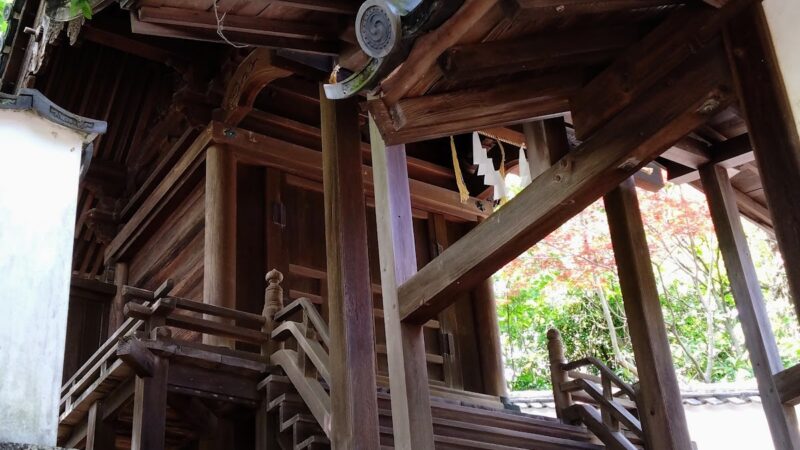
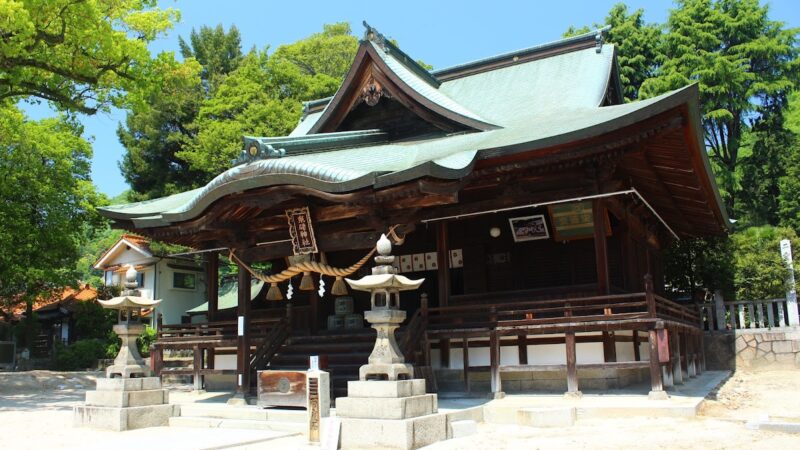
The main hall of Heike Hachiman Shrine is built in the traditional style of shrine architecture, exuding a sense of historical weight. From the worship hall, you can offer heartfelt prayers while feeling the tranquil atmosphere of the shrine grounds.
Historical Sites Related to the Taira Clan
Within the temple grounds and surrounding area, there are historical sites and places associated with legends of the Taira clan. For example:
- A well said to have been used by a Taira warrior
- The site of a place where the family is said to have hidden
- Stone monuments inscribed with the Taira family crest and patterns
- Information boards and explanatory signs that convey legends
These historical sites are valuable legacies that evoke a sense of historical romance.
Sacred Trees
Within the temple grounds stands a sacred tree said to be several hundred years old, a presence that has watched over this land for centuries, soothing the hearts of worshippers. Standing before the giant tree, one can feel the power of nature and a sacred atmosphere.
Subsidiary Shrines
In addition to the main shrine, there are sometimes several subsidiary shrines within the temple grounds. Each offers different blessings and addresses various wishes.
Annual Events and Festivals
Grand Festival
The Grand Festival, the most important festival of Heike Hachiman Shrine, is held grandly at a fixed time each year. The entire community participates, with a portable shrine procession and offering ceremonies taking place, making it an important opportunity to deepen community bonds.
Spring and Autumn Festivals
Seasonal festivals are held to pray for a bountiful harvest and the safety of the community. Traditional Shinto rituals are performed, providing a venue for passing on local culture to future generations.
New Year’s Visit
Many worshippers visit the shrine for their first shrine visit of the new year. The shrine is bustling with people praying for a safe year, the health of their families, and the fulfillment of their wishes.
Other Events
- Setsubun Festival: Events such as bean-throwing may be held.
- Shichi-Go-San: A visit to the shrine to celebrate the growth of children.
- Summer Purification Ceremony: A Shinto ritual to purify oneself of the impurities accumulated over the past six months.
- Year-End Purification Ceremony: A Shinto ritual to purify oneself of the impurities accumulated over the past year.
Etiquette and Manners for Visiting a Shrine
Basic Etiquette for Visiting a Shrine
By observing the correct etiquette for visiting a shrine, you can offer a more heartfelt visit:
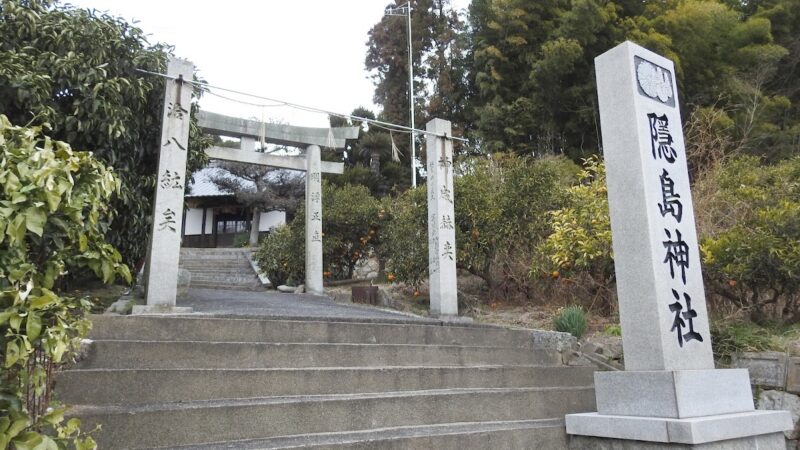
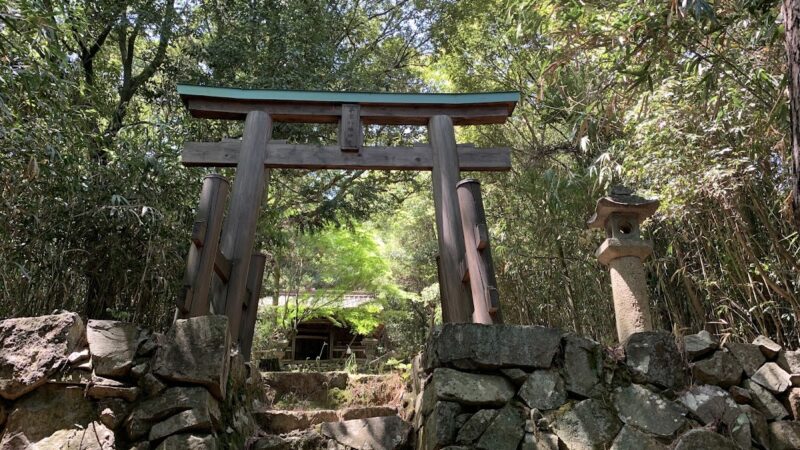
- Bow before passing through the torii gate: Bow as a sign of respect before entering the sacred area.
- Walk along the edge of the path: The center of the path is considered the path of the gods, so walk along the edge.
- Purify yourself at the water basin:
- Hold the ladle in your right hand and purify your left hand.
- Switch the ladle to your left hand and purify your right hand.
- Switch the ladle back to your right hand, receive water in your left hand, and rinse your mouth.
- Finally, stand the ladle upright to cleanse the handle.
- Worship at the Main Hall:
- Quietly place your offering in the offering box.
- Ring the bell if there is one.
- Bow using the two bows, two claps, and one bow method.
- Express your wishes and gratitude sincerely.
Attire for Worship
Unless you are receiving a special prayer, you can worship in everyday clothes, but please note the following:
- Wear clean clothing.
- Avoid overly casual clothing.
- Avoid clothing that exposes a lot of skin.
- Remove your hat before passing through the torii gate.
Photography Etiquette
Photography is generally permitted on the shrine grounds, but please observe the following etiquette:
- Photography inside the main hall is often prohibited.
- Be considerate of other worshippers.
- Refrain from taking photos during prayers or Shinto rituals.
- Check in advance before using a tripod.
Goshuin (Shrine Seal) and Other Items Offered
Goshuin (Shrine Seal)
At Heike Hachiman Shrine, goshuin are given as proof of worship. You can receive a goshuin at the shrine office after your visit. You can bring your own goshuincho (seal book) or purchase one from the shrine.
The goshuin will have the shrine’s name and date of visit written in ink, and a red seal will be stamped on it. It includes unique designs and wording specific to Heike Hachiman Shrine, and many people cherish them as a memento of their visit.
Amulets and Souvenirs
The shrine offers a variety of amulets and souvenirs:
- Victory Amulet: An amulet for success in competitions and exams
- Exorcism Amulet: An amulet for warding off evil
- Traffic Safety Amulet: An amulet for the safety of cars and bicycles
- Family Safety Amulet: An amulet for the health and happiness of the family
- Academic Success Amulet: An amulet for academic improvement
- Matchmaking Amulet: An amulet for finding a good partner
In addition, other souvenirs such as ema (votive tablets), hamaya (demon-repelling arrows), and kumade (rakes) are available depending on the season and purpose.
Access Information
Access by Car
If visiting by car, access the shrine via local roads from the nearest highway interchange. Entering the shrine name or address into your car navigation system will guide you to your destination.
The shrine has a parking lot for visitors, but it is expected to be crowded during festivals and the New Year’s period, so early arrival is recommended.
Access by Public Transportation
When using public transportation:
- Train: Access from the nearest JR station or bus stop on foot or by taxi.
- Bus: If using a local bus, get off at the nearest bus stop and access on foot.
- Taxi: Taking a taxi from the nearest station is convenient.
Since the number of public transportation services may be limited, it is recommended to check the timetable in advance.
Walking and Hiking Courses
There are often well-maintained walking trails and hiking courses around the shrine, allowing you to enjoy nature while visiting. If you have time, a leisurely walk is recommended.
Nearby Tourist Attractions
Historical Sites Related to the Heike Clan
Around Heike Hachiman Shrine, there are other historical sites and places associated with the Heike clan. You can enjoy historical walks visiting settlements with legends of Heike refugees and places associated with Heike warriors.
Natural Scenery
There are also spots nearby where you can enjoy the rich nature of Hiroshima Prefecture. You can enjoy the beautiful scenery of the four seasons, including mountain views, clear streams, and seasonal flowers.
Hot Springs and Accommodation
There are hot spring facilities and accommodations nearby, making it possible to stay and relax in conjunction with your visit. Some inns and hotels offer cuisine made with local ingredients.
Local Specialties
Purchasing local specialties as a memento of your visit is also recommended. You can find Hiroshima Prefecture’s unique products and locally made crafts.
Points to Note When Visiting
Opening Hours and Visiting Hours
While the shrine grounds are generally open for worship during the day, the shrine office has limited hours. If you wish to receive a Goshuin (shrine stamp) or other items, you must visit during the shrine office’s opening hours.
Generally, shrine offices are open from 9 AM to around 4 or 5 PM, but this varies by shrine, so it is recommended to check in advance.
Seasonal Precautions
Spring (March-May)
- Mild weather, ideal for visiting shrines
- Beautiful cherry blossoms and fresh greenery
- May be crowded during Golden Week
Summer (June-August)
- Heat protection is necessary (hat, hydration)
- Insect repellent is recommended
- The shrine is bustling during summer festivals
Autumn (September-November)
- Beautiful autumn foliage
- Autumn festivals are often held
- Pleasant weather, ideal for visiting shrines
Winter (December-February)
- Warm clothing is necessary
- Crowded during the New Year’s visit period
- Be careful of footing as snow may accumulate
Health Management
If there are slopes or stairs on the way to the shrine, those who are not confident in their physical strength should not push themselves and should take breaks and visit slowly. Especially for the elderly and those with children, please visit with safety in mind.
The Charm of Heike Hachiman Shrine
A Place to Experience Historical Romance
The greatest charm of Heike Hachiman Shrine is the opportunity to experience firsthand the turbulent history from the late Heian period to the Kamakura period. The drama of rise and fall depicted in the Tale of the Heike, and the beginning of new lives for the fugitives, breathes life into this shrine.
A Quiet and Peaceful Atmosphere
The simple atmosphere, unspoiled by excessive tourism, is beloved by many visitors. The opportunity to pray in a peaceful setting is a valuable experience in modern society.
A Connection to the Community
This shrine has been carefully preserved by the local people and plays a central role in the community. During festivals, you can feel the warmth and bonds of the local community.
Nature Through the Seasons
The natural environment of the shrine grounds and surrounding area is beautiful, showing different expressions with each season. From the cherry blossoms of spring, the greenery of summer, the autumn leaves, to the tranquility of winter, it is worth visiting throughout the year.
Points to Consider When Planning Your Visit
Preparations
- Check Access Methods: If traveling by car, check for parking availability; if using public transport, check the timetable.
- Check Opening Hours: If you wish to obtain a Goshuin (temple/shrine stamp) or other items, check the opening hours of the shrine office.
- Check Events: Festivals and special events may cause crowds and traffic restrictions.
- Check the Weather: Consider what to wear and how to cope with rain.
Checklist of Items to Bring
- Goshuincho (stamp book) (if you wish to receive a Goshuin)
- Small change for offerings
- Camera (for commemorative photos)
- Drinks (especially in summer)
- Hat/Parasol (summer)
- Warm clothing (winter)
- Rain gear (in case of bad weather)
- Comfortable walking shoes
Estimated Time Required
- Visiting the shrine only: 30 minutes to 1 hour
- Strolling around the grounds: 1 hour to 1 hour 30 minutes
- Visiting the surrounding historical sites: 2-3 hours
By allowing ample time, you can fully appreciate the atmosphere of the shrine.
Summary
Heike Hachiman Shrine is one of Hiroshima Prefecture’s representative historical shrines, blending the history of the Taira clan with Hachiman worship. It offers various blessings, including military success, protection from evil, and family safety, and is widely cherished not only by locals but also by history enthusiasts and those who enjoy visiting shrines.
By calming your mind and praying in the tranquil grounds, and reflecting on the history of the Taira clan, you can spend a special time away from everyday life. When visiting Hiroshima Prefecture, be sure to visit Heike Hachiman Shrine and experience its history and charm.
Through your visit, you will have a valuable opportunity to inherit the wishes for peace and prosperity that the Taira warriors prayed for, and to pray for your own happiness and the happiness of your family. Enjoy a time to refresh your mind and body at Heike Hachiman Shrine, surrounded by the beautiful nature of the four seasons.