Yoshikuni Shrine (Hiroshima Prefecture) Complete Guide: History, Blessings, Access, and Highlights Explained in Detail
Yoshikuni Shrine, located in Hiroshima Prefecture, is a historically significant shrine deeply rooted in the community and cherished by many visitors. This article provides detailed information you should know before visiting, including the history, origins, blessings, highlights within the grounds, how to worship, and access information.
Basic Information on Yoshikuni Shrine
Yoshikuni Shrine is located in Hiroshima Prefecture and has long been revered as the local guardian deity. Its tranquil setting provides a place of peace and tranquility for visitors.
Location and Contact Information
This section summarizes basic information for those planning a visit to Yoshikuni Shrine. We recommend checking the latest information before your visit.
The shrine is surrounded by residential areas and nature, offering a peaceful atmosphere for worship. The scenery within the grounds changes with the seasons, allowing visitors to enjoy the beauty of each season.
History and Origins of Yoshikuni Shrine
History of Founding
The founding of Yoshikuni Shrine is deeply intertwined with the history of the region. Like many local shrines, its faith has grown alongside the development and cultivation of this area.
The name “Yoshikuni” itself embodies the meaning of wishing for good fortune and prosperity, and it has been cherished as a place to pray for the peace and development of the local residents. Protected by successive chief priests and parishioners, the faith has been passed down to the present day.
Historical Changes
Throughout its long history, Yoshikuni Shrine has experienced various changes over time. Even amidst the Sengoku period, the Edo period, the Meiji Restoration, and the waves of modernization, it has continued to exist as a spiritual anchor for the people of the region.
Especially after the Meiji-era separation of Shinto and Buddhism, it formally established itself as a shrine and was officially recognized as the local guardian deity. During the Showa era, it faced difficulties such as war damage and natural disasters, but through the efforts of the local residents, it was restored and has reached its current state.
Historical Changes
Throughout its long history, Yoshikuni Shrine has experienced various changes over time. It has remained a spiritual center for the people of the region throughout the Sengoku period, the Edo period, the Meiji Restoration, and the waves of modernization. ## Deities and Blessings
About the Main Deity
The deities enshrined at Yoshikuni Shrine are important gods in Japanese Shinto. While the deities enshrined vary from shrine to shrine, they often include guardian deities of the region, gods of pioneering, and gods of abundant harvests.
It is believed that worshippers can receive various blessings through the divine virtues of the enshrined deities. It is important to believe in the divine power of the gods and worship with a sincere heart.
Expected Blessings
The blessings you can expect at Yoshikuni Shrine include the following:
Family Safety and Good Health
Many worshippers visit to pray for the health and safety of their entire family. You can pray for your family to live healthy lives in their daily lives.
Business Prosperity and Success
Local business owners and entrepreneurs pray for the prosperity of their businesses and the success of their ventures. Many also visit to pray when starting a new business or at the beginning of the year.
Prayers for a Bountiful Harvest
Those involved in agriculture visit to pray for a good harvest that year. It has long been an important place of prayer in agricultural societies.
Protection from Misfortune and Protection from Unfavorable Directions
Those in their unlucky years, or those seeking protection from unfavorable directions during moving or travel, also visit. Prayers can be offered to ward off misfortune at important life stages.
Prayers for Academic Success and Passing Exams
Students and their families pray for academic improvement and success in exams. Many visitors come, especially during exam season.
Prayers for Finding a Good Partner and Good Relationships
Those hoping for good encounters and marriage also visit. It is believed to bring blessings for forming good relationships with others.
Highlights of the Shrine Grounds
Main Hall and Worship Hall
The main hall and worship hall of Yoshikuni Shrine inherit the traditional style of shrine architecture. The beauty of the wooden architecture harmonizes with the dignified presence forged from years of weathering.
At the worship hall, visitors can offer prayers to the gods, while the main shrine houses the enshrined deity. The intricate details of the architecture showcase the craftsmanship of artisans, allowing visitors to experience the beauty of traditional Japan.
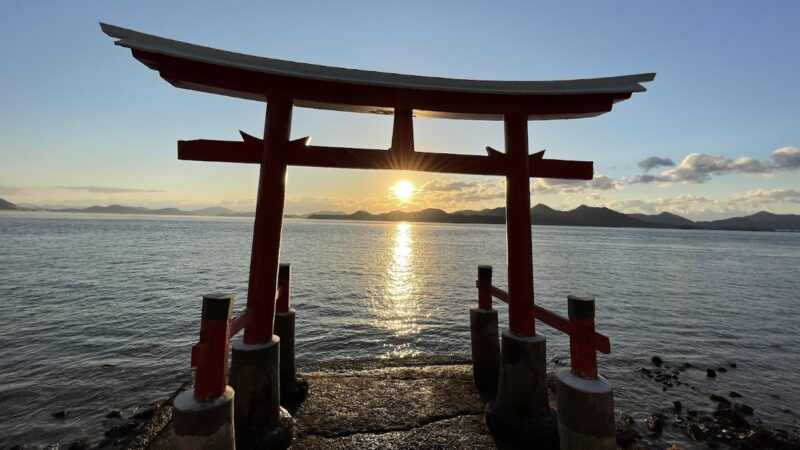
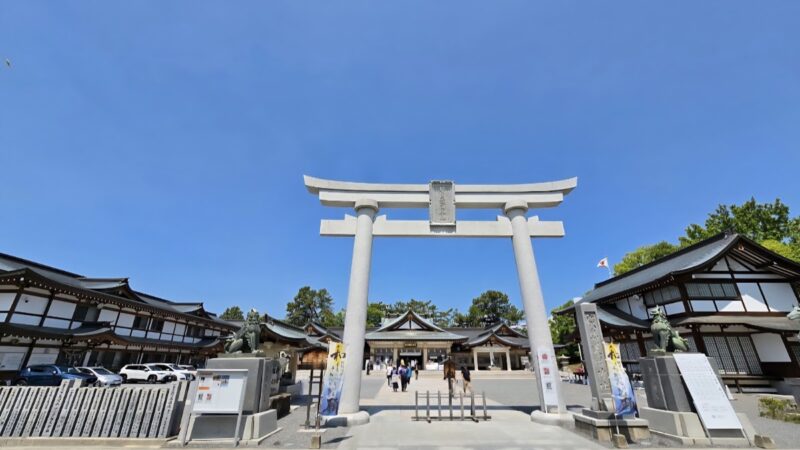
Torii Gate and Approach
The torii gate, standing at the entrance to the shrine, plays a crucial role as a boundary separating the sacred realm from the secular world. Passing through the torii gate purifies the heart and expresses respect for the gods.
The approach is the path leading to the main shrine, lined with trees on both sides, creating a tranquil atmosphere. Walking along the approach allows one to escape the hustle and bustle of everyday life and find peace of mind.
Water Basin
There is a water basin for purifying oneself before worship. By purifying one’s hands and mouth according to the proper etiquette, one can approach the gods in a pure state of mind and body.
The water in the water basin is always kept clean and managed to ensure that visitors can use it comfortably.
Shrines within the Precincts and Subsidiary Shrines
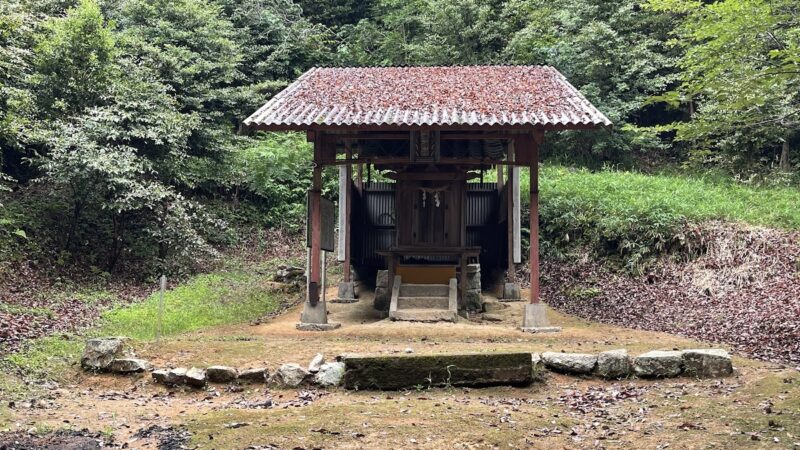
Besides the main shrine, there are often several smaller shrines within the precincts. These are called subsidiary shrines or minor shrines, and each enshrines a different deity.
Each shrine has its own unique blessings, and worshippers can pray according to their wishes. By visiting all the shrines within the precincts, you can receive even more blessings.
Sacred Trees
Within the precincts are ancient trees and sacred trees with a long history. These trees are believed to have grown alongside the shrine and possess sacred power.
By joining your hands in prayer before a sacred tree, you can feel the power of nature and the protection of the gods. Trees hundreds of years old inspire awe in those who see them.
Annual Events and Festivals
Main Annual Events
At Yoshikuni Shrine, various Shinto rituals and events are held throughout the year.
New Year’s Day Festival
This festival celebrates the beginning of the new year and prays for peace throughout the year. The shrine is bustling with many visitors for the New Year’s pilgrimage.
Setsubun Festival
Held around February 3rd, the Setsubun Festival features events such as bean-throwing to ward off evil and invite good fortune.
Spring Grand Festival
An important festival celebrating the arrival of spring and praying for a bountiful harvest and the prosperity of the community.
Summer Purification Ceremony
Held on June 30th, the Grand Purification Ceremony cleanses away the sins and impurities accumulated over the past six months. Rituals such as passing through a ring of reeds may also be performed.
Autumn Grand Festival
A festival expressing gratitude for the autumn harvest and reporting a good harvest to the gods. It is a grand event and an important community event.
Shichi-Go-San Pilgrimage
In November, many visitors come to celebrate Shichi-Go-San, a rite of passage for children.
Year-End Grand Purification Ceremony and New Year’s Eve Festival
On December 31st, we purify ourselves of the sins and impurities of the past year and prepare to welcome the new year.
The Charm of the Annual Festival
On the day of the annual festival, a special atmosphere different from the usual envelops the shrine grounds. Processions of portable shrines, offerings, and performances of local traditional arts may take place, making it a place for community interaction.
During the festival, stalls may appear, providing enjoyment for people of all ages. It is also an important opportunity to pass on local culture and traditions to the next generation.
Amulets and Items Offered
Various Amulets
Yoshikuni Shrine offers various types of amulets.
Amulet for Protection Against Misfortune
This amulet is for those in their unlucky year or those wishing for protection against misfortune. Wearing it is believed to bring divine protection.
Amulet for Health
This amulet is for wishing for health and longevity, and is believed to bring healing from illness and good health.
Academic Success Amulet
This amulet is for students and those taking entrance exams, praying for academic success and passing exams.
Traffic Safety Amulet
This amulet protects the safety of those driving cars or bicycles. It can be placed in the car or worn on the person.
Business Prosperity Amulet
This amulet prays for the prosperity and success of businesses.
Matchmaking Amulet
This amulet is for those seeking good relationships, and is believed to help forge positive connections with others.
Goshuin (Shrine Seal)
Yoshikuni Shrine offers Goshuin. Goshuin are cherished as proof of worship and as a record of one’s connection with the deities.
If you bring your Goshuincho (seal book), you can receive a unique Goshuin from the shrine. Sometimes, pre-printed Goshuin are available. Collecting Goshuin enhances the enjoyment of visiting shrines and deepens one’s faith.
When requesting a Goshuin, please speak to the shrine office after completing your prayers. The offering fee is generally around 300 to 500 yen.
Ema (votive tablets) and Omikuji (fortune slips)
Ema
Ema are also available for offering, where you can write your wishes. You can write your wishes and send them to the gods.
Omikuji
By drawing an omikuji, you can receive a message from the gods. Cherish the words written not only as good or bad fortune, but also as a guide for your life.
Etiquette and Manners for Visiting a Shrine
Correct Way to Visit a Shrine
There are manners to observe when visiting a shrine. By visiting with the correct manners, you can show respect to the gods.
How to Pass Through the Torii Gate
Bow before passing through the torii gate. Since the center of the path is considered the path of the gods, walk along the side.
Procedure for Washing Hands
- Hold the ladle in your right hand and wash your left hand.
- Switch the ladle to your left hand and wash your right hand.
- Hold the ladle in your right hand again, receive water in your left hand, and rinse your mouth.
- Wash your left hand once more.
- Hold the ladle upright, let water flow over the handle, and return it to its original place.
Worship at the Main Hall
- Place your offering in the offering box (do not throw it in, place it in quietly).
- If there is a bell, ring it.
- Worship using the two bows, two claps, one bow method.
- Bow deeply twice.
- Clap your hands twice at chest height.
- Pray with all your heart.
- Finally, bow deeply once.
Manners When Visiting a Shrine
Attire
As this is a sacred place, please dress in a clean and modest manner. It is advisable to avoid extremely revealing or overly casual clothing. Photography
Photography is permitted on the shrine grounds unless prohibited, but please be considerate of other visitors. There are areas where photography is prohibited, such as inside the main hall, so please check the signs.
Quietness
Please be quiet on the shrine grounds and refrain from speaking loudly or making noise. Be mindful that this is a sacred space.
Pets
Some shrines prohibit pets. Please check in advance or follow the signs on the grounds.
Access Methods
Access by Public Transportation
Here are some general ways to access Yoshikuni Shrine using public transportation.
Train/Bus
You can access the shrine by bus from the nearest station or on foot. Travel time and service frequency vary depending on the season, so it is recommended to check the timetable in advance.
Using a local bus from a major station in Hiroshima Prefecture is the most common method. The shrine is usually a few minutes to ten minutes’ walk from the bus stop.
Access by Car
Route by Car
If visiting by private car, it is convenient to enter the shrine name or address into your car’s navigation system. If accessing from a major highway interchange, you will arrive via local roads.
Parking
The shrine may have parking available for visitors. However, congestion is expected during events such as festivals, so consider using public transportation.
Parking is limited, so early arrival is recommended during peak seasons.
Notes on Access
Time of Day
Public transportation may be less frequent in the early morning and after evening. Plan your trip considering your return time.
Weather
The ground may be slippery during rainy weather or in winter. Choose appropriate footwear and visit safely.
Nearby Facilities
Restaurants and convenience stores may be limited around the shrine. It is advisable to prepare necessary items in advance.
Nearby Tourist Attractions
Highlights in Hiroshima Prefecture
When visiting Yoshikuni Shrine, exploring the surrounding tourist attractions will make your trip even more fulfilling.
Historical Buildings
Hiroshima Prefecture boasts numerous historical buildings and cultural properties. A trip visiting shrines and temples is a great opportunity to gain a deeper understanding of Japanese history and culture.
Natural Scenery
Hiroshima Prefecture faces the Seto Inland Sea and is blessed with beautiful natural scenery. You can enjoy the changing seasons through mountains, the sea, and rivers.
Gourmet Spots
Hiroshima is known for its delicious cuisine, including Hiroshima-style okonomiyaki and oysters. Enjoying local specialties after your visit to the shrine is highly recommended.
Model Sightseeing Course
Half-Day Course
This course involves visiting Yoshikuni Shrine in the morning and exploring the surrounding tourist attractions in the afternoon. Enjoy a fulfilling half-day immersed in history and culture, including lunch at a local restaurant.
One-Day Course
This one-day course includes a visit to Yoshikuni Shrine and several other shrines, temples, and tourist attractions in Hiroshima Prefecture. Plan your transportation in advance to make the most of your visit.
Best Season for Visiting
Seasonal Charms
Spring (March-May)
The shrine grounds and surrounding area are beautifully colored during cherry blossom season. The fresh green season offers a refreshing atmosphere for worship. The Spring Grand Festival is also held, creating a lively atmosphere.
Summer (June-August)
The greenery deepens, and the shrine grounds offer pleasant shade. The Summer Purification Ceremony includes rituals such as passing through a ring of reeds. Be sure to take precautions against the heat when visiting.
Autumn (September-November)
The shrine grounds are ablaze with autumn colors, offering beautiful scenery. It’s also a busy season with the Autumn Grand Festival and Shichi-Go-San (children’s festival). The pleasant weather makes it ideal for worship.
Winter (December-February)
You can enjoy a peaceful visit in the tranquil grounds. New Year’s events such as Hatsumode (first shrine visit of the year) and Setsubun Festival are held. Please dress warmly when visiting.
Recommended Time
Early Morning
With fewer people, you can visit slowly in a quiet atmosphere. You can pray with a calm heart in the refreshing air.
Weekday Mornings
Compared to weekends and holidays, it is less crowded, allowing you to leisurely explore the grounds.
Evening
The grounds illuminated by the setting sun take on a magical atmosphere. However, please be aware of the shrine office’s reception hours.
Charms and Characteristics of Yoshikuni Shrine
Community-Rooted Faith
The greatest charm of Yoshikuni Shrine is that it is a place of faith deeply rooted in the community. It has been carefully preserved by generations of local residents and remains a spiritual center for the people of the region.
It also plays a role in connecting people as the center of local festivals and events. Through the shrine, a community is formed, and traditional culture is passed down. ### A Tranquil Environment
Located in a quiet environment away from the hustle and bustle of the city, this shrine offers a peaceful setting for worship. The grounds, surrounded by nature, provide visitors with healing and tranquility.
It is a place cherished by many worshippers as a place to escape the stresses of daily life and reset their minds.
History and Tradition
As a shrine with a long history, it has accumulated the prayers of people from various eras. This history and tradition conveys important messages to us living in the present day.
We have a responsibility to pass on the form of faith that our ancestors have preserved and handed down to the next generation.
Visitor Voices and Reviews
Visitor Experiences
Many visitors have shared their impressions of visiting Yoshikuni Shrine.
“I was able to offer my prayers with heartfelt sincerity in a quiet and peaceful atmosphere. I forgot the stresses of everyday life and felt a sense of purification.”
“I felt that this shrine is cherished by the local community. It had a warm atmosphere, and I would like to visit again.”
“I visited on the day of the annual festival, and it was a valuable experience to witness the local traditional events.”
Reasons for the High Number of Repeat Visitors
Yoshikuni Shrine is characterized by its many repeat visitors. The reasons for this include:
- Quiet and peaceful atmosphere
- A warm, community-rooted shrine
- Enjoyable scenery throughout the seasons
- Easily accessible location
- Courteous service and well-maintained grounds
Summary: Key Points for Visiting Yoshikuni Shrine
Yoshikuni Shrine, a historical shrine located in Hiroshima Prefecture, has been cherished by the local community. It welcomes many visitors as a place where they can offer heartfelt prayers in a peaceful environment.
Preparation Before Visiting
- Check access methods and travel time
- Learn proper etiquette for visiting a shrine beforehand
- Prepare appropriate clothing and footwear
- Prepare for the weather (rain gear, warm clothing, etc.)
Points to Note During Your Visit
- Worship respectfully using the correct etiquette
- Take your time to enjoy the atmosphere of the shrine grounds
- Obtain a Goshuin (shrine stamp) or amulet
- Remember to be considerate of other visitors
Enjoying Your Visit After Visiting
- Explore nearby tourist spots
- Enjoy local cuisine
- Keep a record of your visit (photos, diary, etc.)
Visiting Yoshikuni Shrine is not merely sightseeing; it is a precious opportunity to forge a connection with the gods and purify your heart. Why not visit this place to experience traditional Japanese culture and find peace of mind?
Yoshikuni Shrine, a place of faith deeply rooted in the community, will continue to be cherished and passed down as a spiritual haven for many people. Visit Yoshikuni Shrine and feel the blessings of the gods.