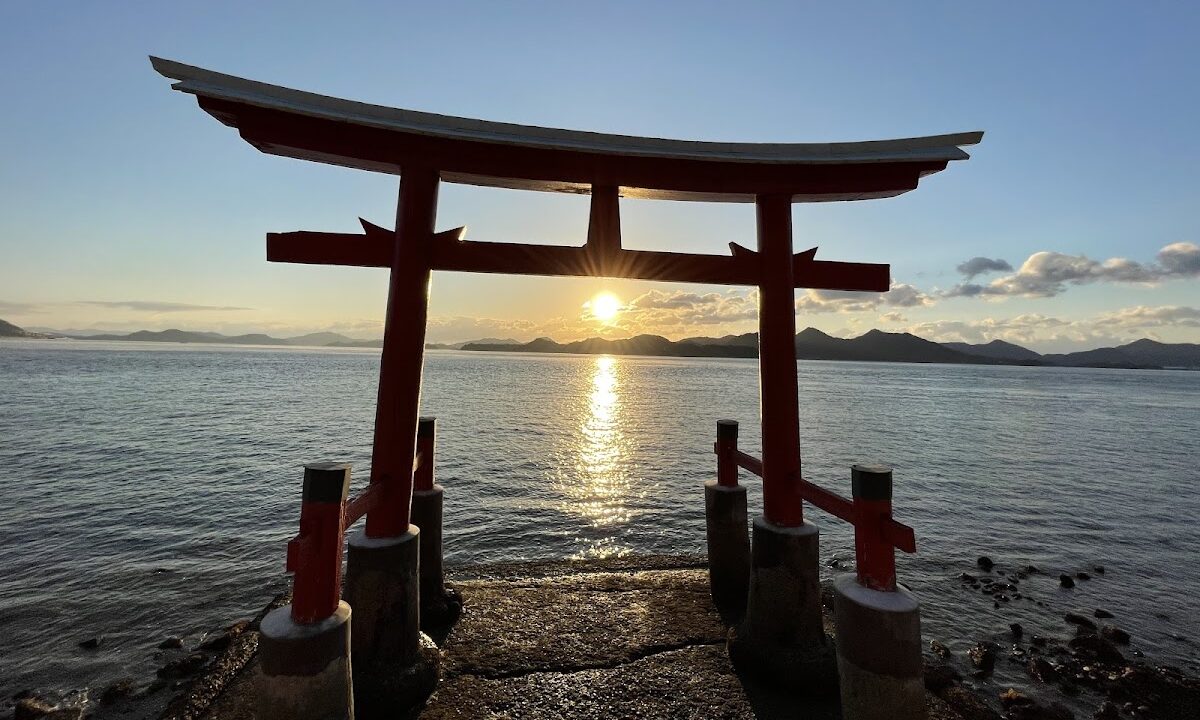
Benkai Shrine (Mihara City, Hiroshima Prefecture) Complete Guide | A Popular Matchmaking Power Spot with a Heart-Shaped Thatched Ring
Benkai Shrine, quietly nestled in Hongō-chō, Mihara City, Hiroshima Prefecture, is a little-known matchmaking shrine located among scattered houses in a rural town surrounded by fields as far as the eye can see. Recently, it has gained attention on social media for its heart-shaped thatched ring and its adorable heart-shaped goshuin (shrine stamp).
This article provides a thorough overview of Benkai Shrine, including its history, blessings, goshuin information, access methods, and nearby tourist spots—everything you need to know before visiting.
What is Benkai Shrine? | History and Origins
History of its Founding and the Records of Imagawa Ryōshun
The exact founding date of Benkai Shrine is unknown, but its existence can be confirmed in records from the Muromachi period. According to “Michiyukiburi,” a travelogue written by Imagawa Ryōshun, a samurai of the Muromachi period, there is a description of his visit to the Numata region in 1371 (Ōan 4) when he was appointed as the Kyushu Tandai (governor of Kyushu).
It states that “to the south, Otokoyama Hachiman is enshrined,” which is believed to refer to the present-day Benkai Shrine. This record indicates that the shrine existed as a place of worship in the region at least by the latter half of the 14th century.
Aspects as Benkai Hachiman Shrine
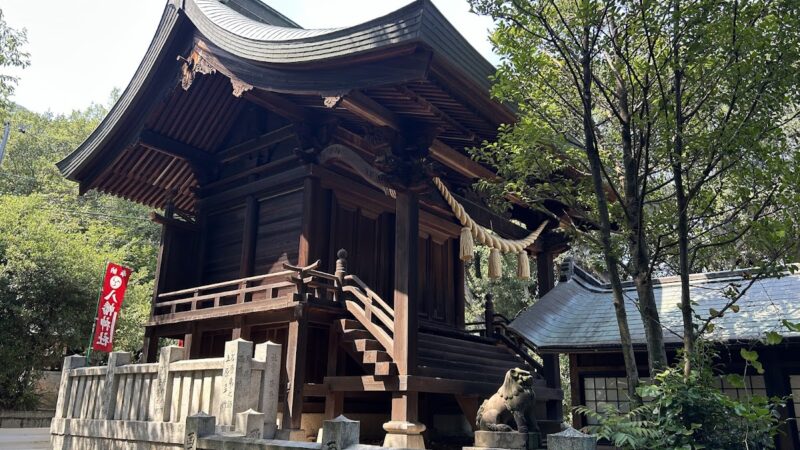
Benkai Shrine is also known as Benkai Hachiman Shrine and has the characteristics of a shrine dedicated to Hachiman. Hachiman is known as the god of military fortune and has been worshipped in various parts of Hiroshima Prefecture. In rural areas like Hongō-chō, it has a history of being revered as the guardian deity of agriculture.
Former Shrine Rank and Connection to the Community
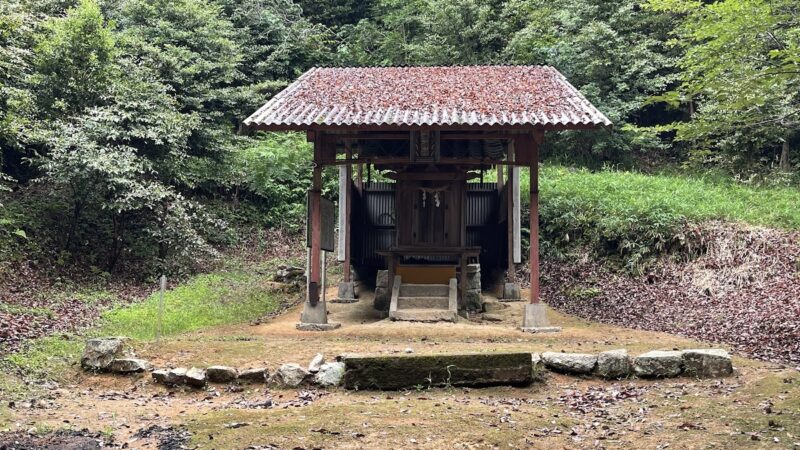
Benkai Shrine’s former shrine rank was unranked, but it has been a cherished tutelary shrine for local residents since ancient times. Located in a tranquil area surrounded by fields and farmlands, this shrine has been preserved to this day as a spiritual haven for the people of the scattered houses.
Heart-shaped Chinowa | Benkai Shrine’s Biggest Highlight
The Heart-Shaped Chinowa Passing Ceremony That’s Trending on Social Media
The biggest reason Benkai Shrine has been attracting attention in recent years is its heart-shaped chinowa. While chinowa are typically circular, Benkai Shrine has installed a charming heart-shaped chinowa, which is popular with worshippers praying for matchmaking and successful relationships.
Passing through the chinowa is originally a Shinto ritual called Nagoshi no Harae, a traditional Japanese custom to purify oneself of the impurities accumulated over the past six months. Benkai Shrine has added a modern twist to this tradition, making it accessible to younger generations.
Proper Procedure for Passing Through the Chino-wa (Chino-wa Ring)
It is believed that you will receive greater blessings by following the correct procedure when passing through the Chino-wa:
- Bow before the Chino-wa.
- Pass through the Chino-wa starting with your left foot, and return to the front in a counter-clockwise direction.
- Pass through the Chino-wa starting with your right foot, and return to the front in a clockwise direction.
- Finally, pass through once more starting with your left foot, and proceed to the main hall.
Although it has a special heart shape, the basic procedure is the same. Pass through carefully and with sincerity.
When the Chino-wa is Installed
The Chino-wa is usually installed during the Natsukoshi-no-harae (summer purification ritual) from late June to early July, but at Benkai Shrine, it may be installed throughout the year. It is recommended to check the latest information before visiting.
Goshuin Information | Cute Design with Heart Marks
Features of Benkai Shrine’s Goshuin
Benkai Shrine’s goshuin (seal) is offered as a pre-printed type, and its most distinctive feature is its adorable design depicting a heart mark and a heart-shaped thatched ring.
This warm and inviting design sets it apart from typical shrine goshuin and is particularly popular among female visitors. For those collecting goshuin, it will surely become a special piece in their collection.
Location and Time of Goshuin Issuance
Since Benkai Shrine often does not have a resident priest, it is necessary to check in advance regarding how to obtain a goshuin. Generally, the following methods are available:
- Pre-printed goshuin are available at the shrine office.
- They are available at the nearby priest’s residence.
- Available only on specific dates and times.
It is recommended to inquire with the Hiroshima Prefectural Shrine Association or the local tourism association before visiting.
How to Paste Goshuin Stamps into Your Goshuincho (Stamp Book)
When pasting pre-printed goshuin stamps into your goshuincho, use special adhesive or double-sided tape. Liquid adhesive or adhesive specifically for goshuin stamps is recommended over stick glue, as it is less likely to wrinkle. To beautifully preserve your precious goshuin stamps, paste them carefully.
Benefits and the Charm of a Power Spot
Matchmaking and Romantic Fulfillment
As symbolized by the heart-shaped straw ring, Benkai Shrine is known for its benefits in matchmaking and romantic fulfillment. It is especially recommended for those seeking good relationships or those who want to deepen their bond with their partner.
Protection from Evil and Good Fortune
Passing through the straw ring is originally a Shinto ritual for protection from evil and purification. It is an ideal place to purify mind and body for those facing a turning point in life or those wanting to make a new start.
Benefits of Hachiman-sama
As Benkai Hachiman-gu Shrine also enshrines Hachiman-sama, the following benefits can be expected:
- Good fortune and prayers for victory
- Family safety
- Abundant harvest
- Business prosperity
Access Information | How to get to Hongō-chō, Mihara City
Location
Address: Hongō-chō, Mihara City, Hiroshima Prefecture (Detailed street number requires on-site confirmation)
Access by Public Transportation
By JR:
- Get off at Hongō Station on the JR Sanyo Main Line
- Approximately 20-30 minutes on foot from the station
- Approximately 5-10 minutes by taxi
Hongō Station is about 10 minutes from Mihara Station on the Sanyo Main Line. Mihara Station is also a Shinkansen (bullet train) stop, making it relatively convenient for those coming from further away.
Access by Car
If using the Sanyo Expressway:
- Approximately 10 minutes from Hongō Interchange
- Approximately 15 minutes from Kawachi Interchange
Located in an area surrounded by fields and farmlands, using a car navigation system or map app is recommended. Please check in advance regarding parking availability.
Map and Landmarks
Benkai Shrine is located near scattered houses in a rural area. There may be few large signs, so using a smartphone map app and asking locals for directions is recommended.
Etiquette and Manners for Visiting a Shrine
Basic Etiquette for Visiting a Shrine
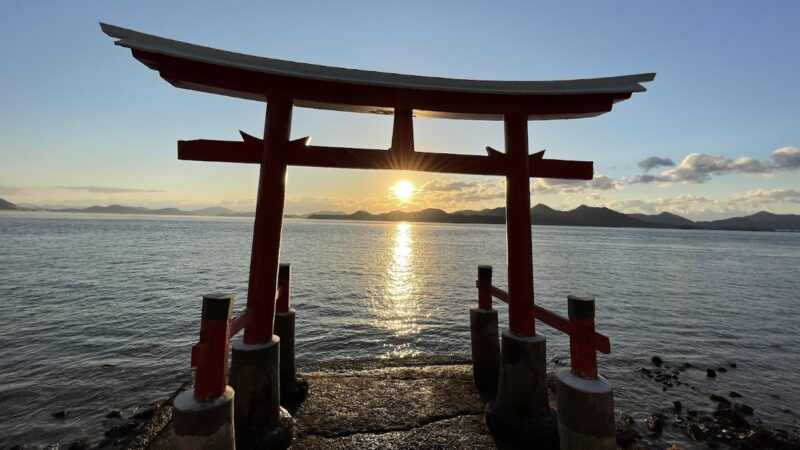
- Bow before passing through the torii gate: This is a courtesy before entering the sacred area.
- Purify yourself at the water basin: Purify your left hand, right hand, and mouth in that order.
- Pass through the heart-shaped straw ring: Follow the etiquette described above.
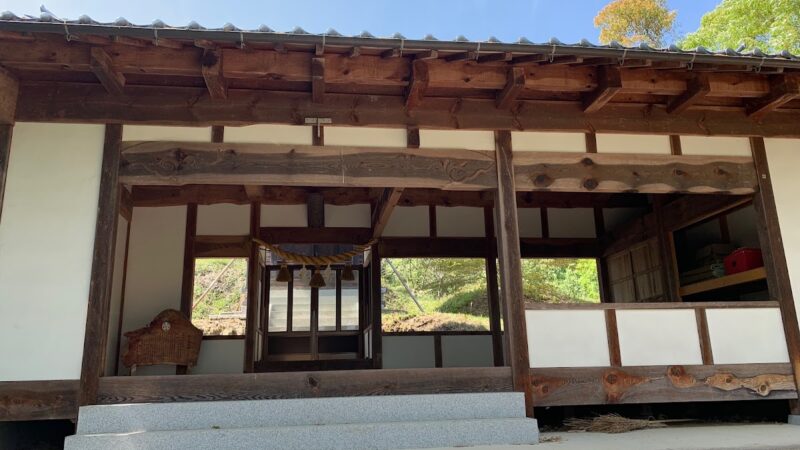
- Worship at the main hall: Two bows, two claps, and one bow is the basic procedure.
Manners for Photography
The heart-shaped straw ring is a popular photo spot, but please note the following:
- Be considerate of other worshippers.
- Refrain from taking photos inside the main hall.
- Cherish the atmosphere of quiet worship.
- Be mindful of location information when posting on social media.
Clothing
There are no specific dress code requirements, but it is desirable to wear clothing that reflects the sacred nature of the place. Since it is located in a rural area, comfortable walking shoes are recommended.
Nearby Tourist Attractions | The Charms of the Mihara and Hongō Area
Highlights in Mihara City
Mihara Castle Ruins: Located adjacent to Mihara Station, the castle ruins still retain their stone walls and keep base. Famous as a naval castle, it was also known as the “Floating Castle.” It’s a short walk from the station, making it a convenient stop before or after visiting Benkai Shrine.
Sunami Seaside Park: A beautiful park overlooking the Seto Inland Sea, perfect for a leisurely stroll while enjoying the scenery. If you have time, it’s also recommended to visit in conjunction with a scenic drive along the coast.
Charms of the Hongō Area
Hongō is a tranquil area with fields stretching as far as the eye can see, offering a glimpse into Japan’s original landscape. The changing rural scenery with each season provides a healing space that allows you to forget the hustle and bustle of city life.
Extending Your Trip to Takehara City
Located next to Mihara City, Takehara City is known as “Little Kyoto of Aki” and preserves its Edo-period townscape:
- Takehara Townscape Preservation District: Important Preservation District for Groups of Traditional Buildings
- Saihoji Temple: Offers a magnificent view from its grounds
- Takehara Shokei no Michi: Autumn Illumination Event
Takehara is accessible from Mihara by car in about 30 minutes, or by train in about 20 minutes.
Towards Miyajima and Itsukushima Shrine
If you have time, you can also extend your trip to Miyajima, one of Hiroshima’s most representative tourist attractions. It’s about an hour by car or an hour and a half by train from Mihara to Miyajimaguchi.
Itsukushima Shrine is one of Japan’s three most scenic spots and a World Heritage Site, famous for its large torii gate floating in the sea. Daiganji Temple, dedicated to Benzaiten, is also located on Miyajima, and visiting it along with Benkai Shrine is recommended.
Seasonal Ways to Enjoy
Spring Visit
In the area with its sprawling fields, rapeseed flowers and cherry blossoms bloom beautifully in spring. It’s a season to enjoy the tranquil rural scenery and the heart-shaped straw ring in the mild climate.
Summer Visit
During the summer purification ritual (Natsukoshi no Harae), you can visit the shrine while feeling the true meaning of passing through the straw ring. The lush green rural landscape makes it an ideal summer travel destination. Many shrines also have the sound of wind chimes playing during this season.
Autumn Visit
The rice fields shine golden in the harvest season. The vast rice fields are beautifully colored, allowing you to enjoy the quintessential Japanese landscape. The mild climate makes it an ideal time to visit the shrine.
Winter Visit
The shrine, enveloped in silence during winter, has an even more sacred atmosphere. The clear air makes the scenery appear sharper and more beautiful.
Points to Note When Visiting Benkai Shrine
Prior Confirmation is Important
- How and When to Obtain Goshuin (Shrine Seals)
- Status of the Chino-wa (Ring of Reeds)
- Availability of Parking
- Visiting Hours
It is recommended to confirm this information in advance. Contacting the Hiroshima Prefectural Shrine Association or the Mihara City Tourism Association would be a good idea.
Considerations in a Rural Area
As the area is surrounded by fields as far as the eye can see:
- Be considerate and avoid interfering with farm work
- Do not trespass on private property
- Always take your trash with you
- Be mindful of noise
Weather Preparations
Since there is little shade in the rural area, bring a hat, parasol, and drinks during the summer. Checking the weather forecast is also important, as the ground may become muddy in rainy weather.
Hotels and Accommodation Information near Benkai Shrine
Hotels in Mihara City
There are accommodations, mainly business hotels, around Mihara Station. Staying near the station allows you to visit Benkai Shrine early the next morning.
Accommodation in Takehara City
Takehara City has charming inns and guesthouses around its historic townscape preservation district. Enjoy a relaxing stay while strolling through the old town.
For Hot Springs
With a short trip, the following hot spring areas are also accessible:
- Hongo Onsen: Around Hongo-cho, Mihara City
- Onomichi Onsen: Onomichi City (approx. 30 minutes from Mihara)
- Miyajima Onsen: Miyajima (approx. 1.5 hours from Mihara)
Comparison with Other Shrines in Hiroshima Prefecture
Differences from Itsukushima Shrine
Itsukushima Shrine, a World Heritage Site, is a representative tourist attraction in Hiroshima, visited by millions of people annually. On the other hand, Benkai Shrine is a community-oriented shrine nestled in a quiet rural area. It is suitable for those who want to visit a shrine at a leisurely pace rather than a large-scale tourist destination.
Differences from Hiroshima Gokoku Shrine
Hiroshima Gokoku Shrine, located in the heart of Hiroshima City, sits amidst the ruins of Hiroshima Castle near the Atomic Bomb Dome and is bustling with many visitors. Benkai Shrine, on the other hand, offers a quieter, more peaceful atmosphere for peaceful worship.
Uniqueness of Benkai Shrine
With its unique heart-shaped thatched ring, Benkai Shrine possesses a one-of-a-kind charm as a shrine that blends tradition and modernity. It’s a popular spot for social media photos, while also preserving ancient beliefs.
Summary | A Healing Journey at Benkai Shrine
Benkai Shrine, located in Hongō-chō, Mihara City, Hiroshima Prefecture, is a heartwarming shrine quietly nestled amongst scattered houses in a rural area where fields stretch as far as the eye can see. While possessing the distinctive heart-shaped thatched ring, it continues to cherish and preserve ancient beliefs.
For those seeking to find love or fulfill their romantic wishes, as well as those wanting to escape the hustle and bustle of everyday life, find peace of mind, or be soothed by the quintessential Japanese scenery, Benkai Shrine will be a wonderful travel destination.
The shrine’s goshuin (stamped seal) is charming and appealing enough to share on social media, but even more important is the quiet and peaceful atmosphere of this place. Take your time to pray at your own pace and cleanse your soul.
There are many other attractive tourist spots scattered around Mihara City. From the townscape of Takehara and the scenery of the Seto Inland Sea, to Miyajima and Onomichi if you venture a little further, you can enjoy the diverse charms of Hiroshima Prefecture. Why not start your Hiroshima trip plan with Benkai Shrine as your base?
Please note that information may change, so please check the latest information before visiting and remember to be considerate of the local residents while enjoying your visit.