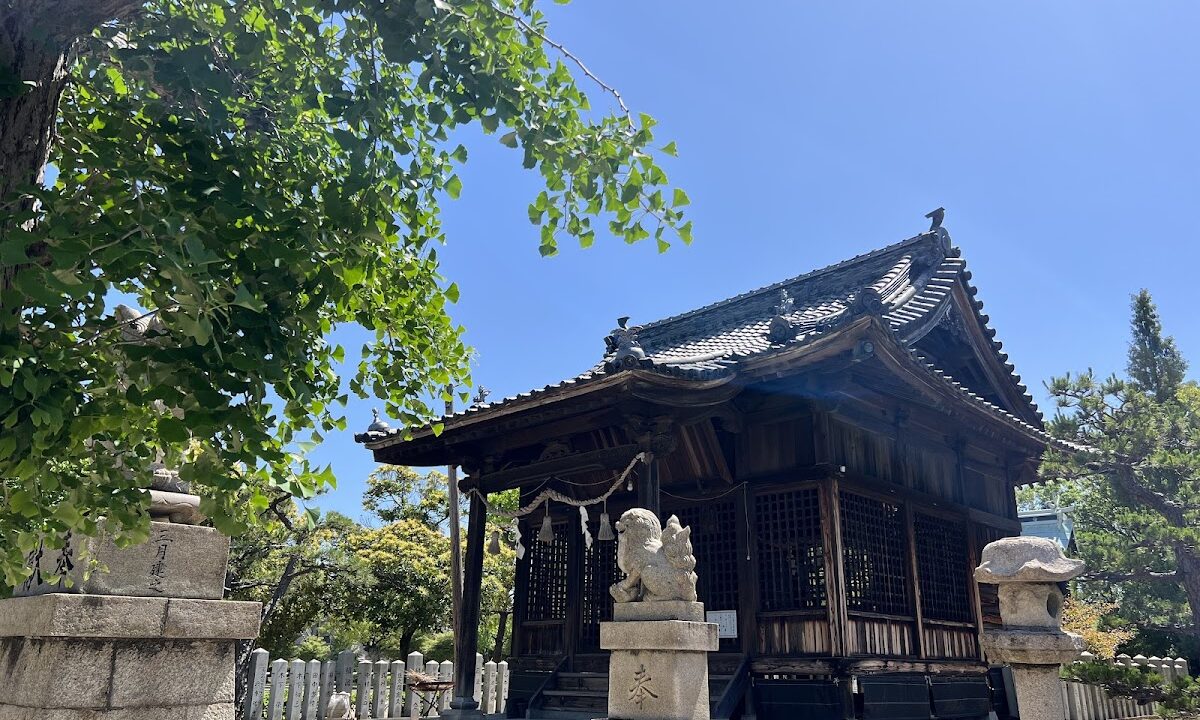
Mitsugisumi Shrine (Hiroshima Prefecture) Complete Guide: History, Benefits, Access, and Festivals – A Thorough Explanation
Mitsugisumi Shrine, located in Hiroshima Prefecture, is a shrine that has been cherished by the local people for centuries. This article provides a detailed introduction to Mitsugisumi Shrine, including its historical background, enshrined deities and benefits, highlights of the grounds, annual events, and access information for visitors.
About Mitsugisumi Shrine
Mitsugisumi Shrine is a shrine located in Hiroshima Prefecture and has a long history as a center of faith for local residents. The name “Mitsugisumi” is believed to embody the meaning of contributing to the community and praying for the peace and well-being of its residents.
Shrine Overview
Mitsugisumi Shrine has played an important role in the local community. Since ancient times, it has been revered as the guardian deity of the region and has been closely intertwined with the lives of the residents. The shrine grounds are enveloped in a quiet and peaceful atmosphere, allowing visitors to calmly connect with the deities.
History of Mitsuzumi Shrine
Origin of Founding
The founding date of Mitsuzumi Shrine is based on local traditions and records. Like many local shrines, its origins are ancient, possibly dating back to the era of regional development.
It is believed that influential local figures and pioneers were involved in the shrine’s founding, building it to pray for the safety of the land and a bountiful harvest. Over time, the faith of the local residents deepened, and the shrine developed into its current form.
Historical Changes
Mitsuzumi Shrine has undergone various changes throughout its long history. It was protected and maintained by local rulers and residents throughout the Sengoku and Edo periods.
Although it was affected by the Meiji-era separation of Shinto and Buddhism and the shrine consolidation policy, it survived as an independent shrine due to the strong faith of the local residents. Even as times changed from Showa to Heisei to Reiwa, its role as a spiritual pillar of the community remained unchanged.
Deities and Blessings
Deities
The deities enshrined at Mitsuzumi Shrine have been revered since ancient times as guardian deities of the region. In some shrines, multiple deities are enshrined together, and it is believed that various blessings are bestowed through the divine virtues of each deity.
Generally, local shrines often enshrine the following deities:
- Ōkuninushi-no-Mikoto: God of nation-building, matchmaking, and business prosperity
- Susanoo-no-Mikoto: God of protection against misfortune and disaster
- Amaterasu-Ōmikami: Sun goddess, goddess of national peace and security
- Local Guardian Deity: God who protects the land
Benefits
The benefits believed to be bestowed by visiting Kōjū Shrine include the following:
Family Safety and Harmony
As a guardian deity of the region, it watches over the health and happiness of your family. Visiting the shrine as a family is a good opportunity to deepen family bonds.
Abundant Harvest and Business Prosperity
For those wishing for the development of agriculture and commerce, Kōjū Shrine is an important place of prayer. You can pray for a bountiful harvest and business success.
Protection from Misfortune and Disaster
It is believed that praying for protection from misfortune at life’s turning points or during unlucky years can help avoid disaster and ensure peaceful days.
Regional Peace and Prosperity of Parishioners
As a shrine that prays for the safety and development of the entire region, it contributes to the unity of residents and the prosperity of the community.
Highlights of the Shrine Grounds
Main Hall and Worship Hall
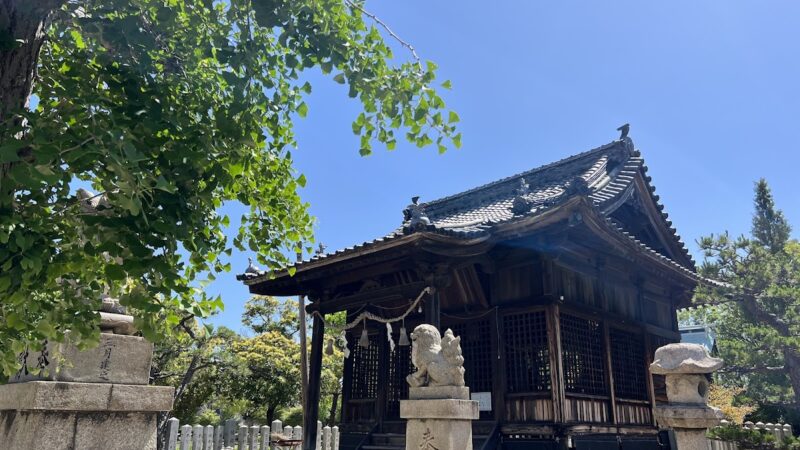
The main hall and worship hall of Kōjū Shrine preserve the traditional style of shrine architecture. You can feel the beauty of the wooden architecture and the dignified presence that has withstood the elements for many years.
In the worship hall, worshippers offer prayers to the gods. In this tranquil space, you can escape the hustle and bustle of everyday life and find peace of mind.
Torii Gate and Approach
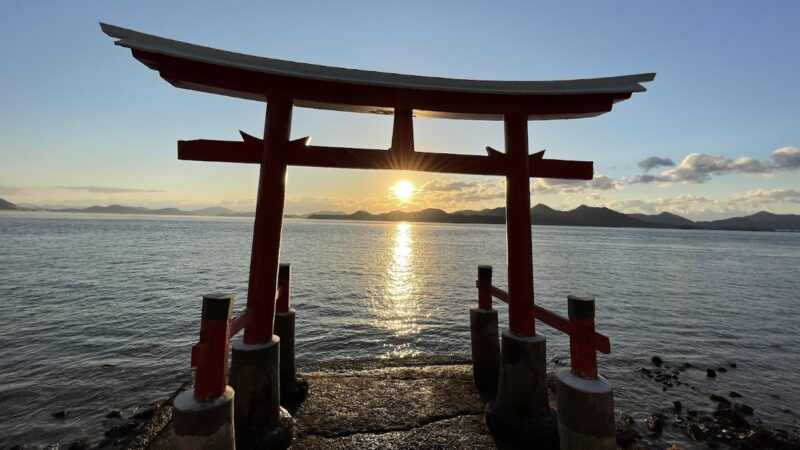
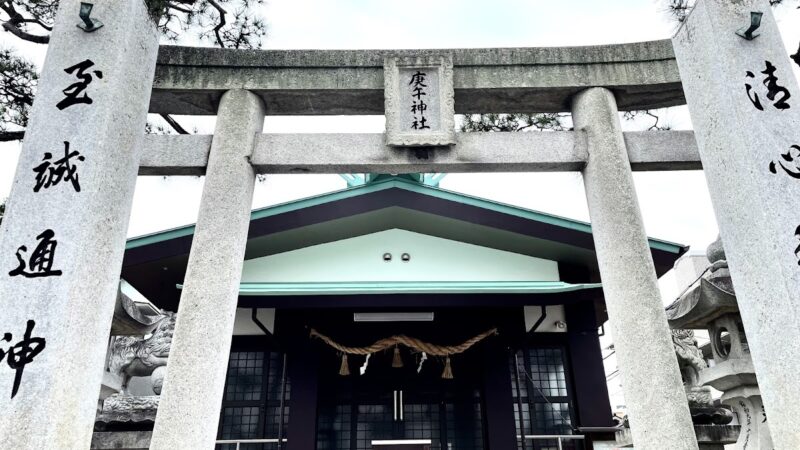
The torii gate, standing at the entrance of a shrine, marks the boundary between the secular world and the sacred realm. It is customary to bow before passing through the torii gate.
The approach is a sacred path leading to the gods. When walking along the approach, it is considered polite to walk on either the left or right side, avoiding the center. This is because the center is considered the path of the gods.
Water Basin
Before praying, there is a water basin for purifying the body and mind. Cleanse your hands and mouth using the correct procedure before proceeding to the main shrine.
Procedure for Washing Hands:
- Take the ladle with your right hand and wash your left hand.
- Switch the ladle to your left hand and wash your right hand.
- Take the ladle back into your right hand, receive water in your left hand, and rinse your mouth.
- Wash your left hand again.
- Stand the ladle upright and wash the handle.
- Return the ladle to its original position.
Komainu (Guardian Dogs)
Within the shrine grounds, there are guardian dogs (komainu) that protect the shrine. Komainu have the meaning of warding off evil and play a role in protecting the sacred area from evil.
Shrines within the Precincts
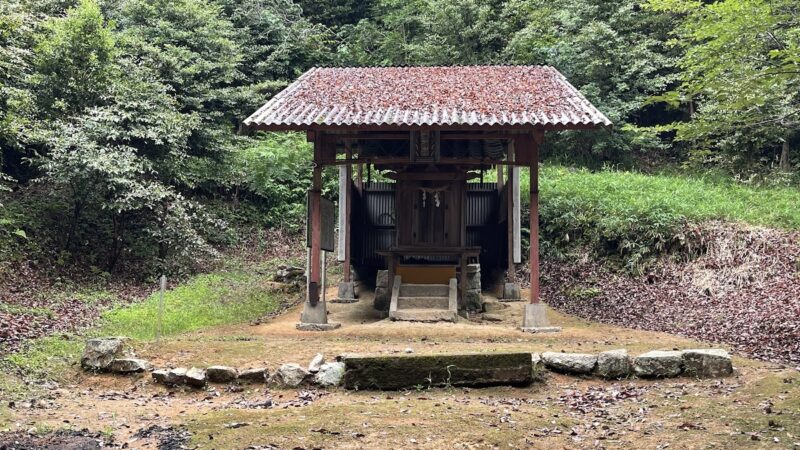
In addition to the main shrine, there are sometimes small shrines and subsidiary shrines within the precincts. These enshrine various gods and local guardian deities, and by praying at each of them, you can receive even more blessings.
Sacred Trees
Many shrines have sacred trees that have lived for many years. The sacred tree is considered a tree where a god resides, and it is believed that one can benefit from its life force.
Annual Events and Festivals
At Mitsuzumi Shrine, various festivals and events are held throughout the year. These events play an important role in passing on the region’s traditional culture and deepening community bonds.
New Year’s Day Festival and First Shrine Visit
On New Year’s Day, many worshippers visit the shrine for their first shrine visit of the year. They pray for happiness and health in the new year and for a safe year. During the first shrine visit period, lucky charms such as amulets and protective arrows are given out.
Spring Grand Festival
In spring, the Spring Grand Festival is held to pray for a bountiful harvest and the development of the region. It is considered a particularly important festival in areas where agriculture is thriving.
Summer Purification Ceremony
At the end of June, the Summer Purification Ceremony is held to cleanse away the impurities accumulated over the past six months. Through rituals such as passing through a ring of reeds, people purify their minds and bodies and pray for health and safety for the remaining half of the year.
Autumn Grand Festival
In autumn, the Autumn Grand Festival is held to give thanks for the harvest. In some areas, a procession of portable shrines and devotional performances take place, enveloping the entire community in a festive atmosphere.
Year-End Purification Ceremony
At the end of December, the Year-End Purification Ceremony is held to cleanse away the impurities of the past year. This is an important ritual for welcoming the new year with a pure heart.
Etiquette and Manners for Visiting Shrines
There are traditional customs and manners for visiting shrines. Knowing the correct etiquette will allow for a more heartfelt visit.
Basic Etiquette for Visiting a Shrine
- Bow Before the Torii Gate: Before entering the sacred area, bow to show respect.
- Walking Along the Path: Avoid the center and walk on either the left or right side.
- Purify at the Water Basin: Purify your hands and mouth at the water basin.
- Worship at the Main Hall: Place your offering, ring the bell, and worship using the two bows, two claps, and one bow ritual.
- Bow Upon Exit: Before leaving the torii gate, turn around and bow.
The Two Bows, Two Claps, One Bow Ritual
- Bow deeply twice (two bows).
- Clap your hands twice at chest height (two claps).
- Offer your prayer with your hands clasped together.
- Finally, bow deeply once (one bow).
Attire for Visiting a Shrine
There are no specific dress code requirements, but please dress neatly and cleanly, as you are going to meet the gods. It is advisable to avoid overly revealing or overly casual clothing.
Items and Amulets
Mitsuzumi Shrine offers a variety of items and amulets. These are meant to bring the blessings of the gods back into your daily life.
Main Items
- Amulets: Various types are available, such as for family safety, traffic safety, and academic success.
- Goshuin (Shrine Seal): A commemorative stamp can be added to your goshuincho (stamp book).
- Ofuda (Talisman): A sacred talisman to be placed on your household altar.
- Hama-ya (Demon-Repelling Arrow): A lucky charm to ward off evil spirits and bring good fortune.
- Ema (Votive Tablet): A votive tablet on which to write your wish.
How to Handle Amulets
Keep your amulet with you at all times or in a safe place. Replace your amulet with a new one approximately once a year, and return the old one to the shrine for burning.
Access Information
We will guide you on how to access Mitsuzumi Shrine. Please use this information as a reference when planning your visit.
Location
Mitsuzumi Shrine, located in Hiroshima Prefecture, is a shrine beloved by local residents. We recommend confirming the detailed address in advance.
Access by Public Transportation
It’s convenient to check the walking route from the nearest station or bus stop in advance. If using local public transportation, be sure to check the timetable.
Access by Car
If visiting by private car, enter the shrine name or address into your car’s navigation system. We recommend checking the availability and number of parking spaces in advance.
Visiting Hours
Shrine visiting hours are generally from sunrise to sunset, but the grounds themselves may be open 24 hours. The reception hours for receiving amulets and other items at the shrine office are usually from 9:00 AM to around 5:00 PM.
Nearby Tourist Attractions
When visiting Mitsuzumi Shrine, you can make your experience more fulfilling by also visiting nearby tourist attractions.
The Charms of Hiroshima Prefecture
Hiroshima Prefecture boasts many attractions, including the World Heritage Site Itsukushima Shrine, the Atomic Bomb Dome, and the beautiful scenery of the Seto Inland Sea. It is a fascinating region where history and nature harmonize.
Local Specialties
Purchasing local specialties as a memento of your visit is highly recommended. Hiroshima Prefecture is known for its various famous products, such as oysters, lemons, and momiji manju (maple leaf-shaped steamed buns).
The Charms of Mitsuzumi Shrine
Faith Rooted in the Community
The greatest charm of Mitsuzumi Shrine lies in its deep connection with the local residents. The faith, passed down through generations, has become an integral part of the region’s identity.
A Tranquil Atmosphere
The quiet and peaceful atmosphere of the shrine grounds soothes the soul and relieves the stresses of everyday life. You can worship at your leisure in this natural setting.
The Inheritance of History and Tradition
With its long history, Mitsuzumi Shrine is an important place that conveys the region’s traditional culture to the present day. Traditions are passed down to future generations through festivals and annual events.
Best Season for Visiting
Spring (March-May)
This is a beautiful season with cherry blossoms and fresh greenery. The Spring Grand Festival is held during this time, and the temple grounds are enveloped in a vibrant atmosphere.
Summer (June-August)
You can enjoy a refreshing visit in the lush green temple grounds. During the Summer Purification Ceremony, you can purify your mind and body by passing through a ring of reeds.
Autumn (September-November)
The autumn leaves are beautiful, and the Autumn Grand Festival, a celebration of gratitude for the harvest, is held. A rich atmosphere befitting the season of abundance permeates the air.
Winter (December-February)
This is the time for preparations for welcoming the New Year, including the first shrine visit of the year and the Year-End Purification Ceremony. Visiting the temple in the crisp winter air evokes a sense of reverence.
Role in the Local Community
Center of the Community
Mitsuzumi Shrine functions as the spiritual center of the local community. Through festivals and events, interaction among residents deepens, and community bonds are strengthened.
Preservation of Traditional Culture
The festivals and rituals passed down at the shrine are carefully preserved as intangible cultural assets of the region. Protecting these traditions and passing them on to future generations is an important mission for the community.
Educational Role
Children participating in shrine events provide an opportunity to learn about traditional Japanese culture and etiquette. The shrine also functions as a place of education for the community.
Message to Visitors
Mitsuzumi Shrine warmly welcomes not only local residents but all visitors. Visiting the shrine can bring peace of mind and invigorate your daily life.
When visiting, remember to be grateful to the gods and approach with humility. The shrine is an irreplaceable place that gives us many blessings and insights.
Summary
Mitsuzumi Shrine is a historic shrine located in Hiroshima Prefecture, and has been cherished as a center of faith for the local residents. Through the protection of the enshrined deities, one can receive various blessings, including family safety, abundant harvests, and protection from evil.
The shrine grounds are enveloped in a tranquil atmosphere, allowing for peaceful worship. Various festivals and events are held throughout the year, preserving the region’s traditional culture.
When visiting Hiroshima Prefecture, we highly recommend visiting Mitsuzumi Shrine and offering your gratitude to the deities. It will surely be a memorable and wonderful experience.
Visiting a shrine is a valuable opportunity to experience traditional Japanese culture. By observing proper etiquette and manners, and worshipping with sincerity, you can deepen your connection with the deities and bring happiness and peace to your daily life.
We hope that Mitsuzumi Shrine will become a place of solace for you, a special place you’ll want to visit at important milestones in your life.