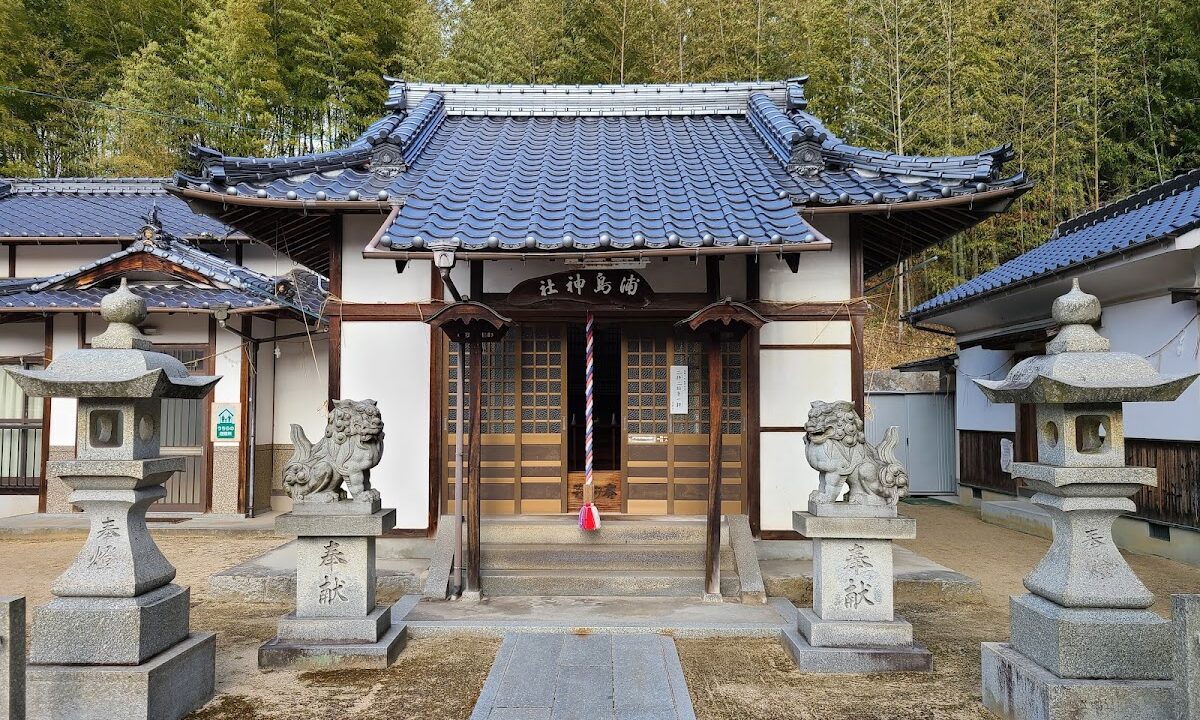
Urashima Shrine (Hiroshima Prefecture) Complete Guide | The Legend of Urashima Taro, Benefits, and Access Information
Urashima Shrine, located in Tomonoura, Fukuyama City, Hiroshima Prefecture, is known as a shrine associated with the legend of Urashima Taro, a legend familiar to all Japanese people. Surrounded by the beautiful scenery of the Seto Inland Sea, this shrine has long been revered for its blessings of maritime safety and matchmaking, and is beloved by both locals and tourists.
This article provides detailed information you should know before visiting, including the history of Urashima Shrine, its connection to the Urashima Taro legend, its benefits, highlights of the shrine grounds, visiting information, and access methods.
What is Urashima Shrine? Basic Information
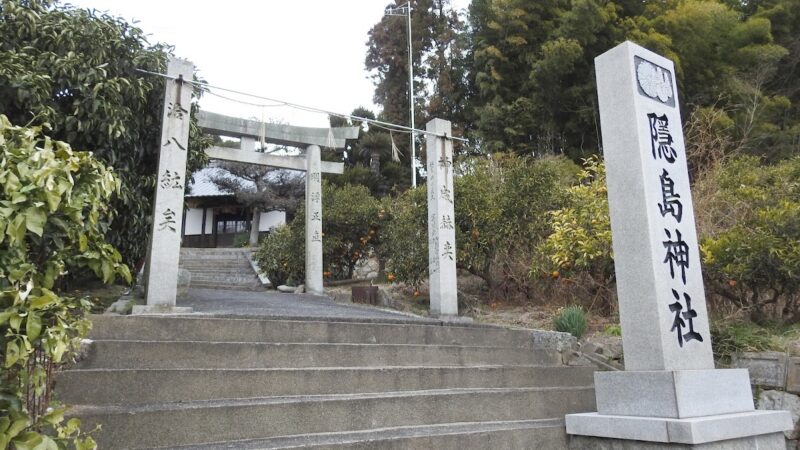
Urashima Shrine is located in Tomo-cho Gochi, Fukuyama City, Hiroshima Prefecture, and is officially written as “Urashima Shrine.” Tomonoura is a port town that has flourished as an important port on the Seto Inland Sea since ancient times, and is a historical region mentioned in the Manyoshu (an ancient collection of Japanese poetry).
Basic Data
- Location: Gochi, Tomo-cho, Fukuyama City, Hiroshima Prefecture
- Main Deity: Urashima Taro (Urashima-ko)
- Founding: Details unknown (believed to have been worshipped since ancient times)
- Shrine Rank: Village Shrine
- Annual Festival: Second Sunday of October
The Relationship Between the Urashima Taro Legend and Tomonoura
While various versions of the Urashima Taro story exist throughout Japan, Tomonoura is known as one of the legendary locations.
The Urashima Legend of Tomonoura
According to the legend of Tomonoura, Tomonoura was the first place Urashima Taro landed after returning from Ryugu-jo (the Dragon Palace). It is said that Urashima Taro, who became an old man after opening the treasure box, spent the rest of his life in this place.
Place Names and Historical Sites Supporting the Legend
Several place names and historical sites related to the Urashima legend remain around Tomonoura:
- Taisenzuijima: The island where Ryugu-jo (the Dragon Palace) is said to have been located
- Tama-no-ura: The place where Urashima Taro opened the treasure box
- Urashima-cho: A place name related to Urashima Taro
These place names indicate that the Urashima legend has been deeply rooted in this region since ancient times.
Differences from Other Urashima Legend Sites
The Urashima Taro legend has locations throughout Japan, including Ine-cho in Kyoto Prefecture, Mitoyo City in Kagawa Prefecture, and Yokohama City in Kanagawa Prefecture. What distinguishes Tomonoura is its positioning as “the place where he returned from Ryugu-jo.” The Urashima legend is passed down from different perspectives in each region, and visiting these locations allows one to appreciate the depth of the story.
History of Urashima Shrine
The exact founding date of Urashima Shrine is unknown, but records indicate that it was already a center of local faith during the Edo period.
Records from the Edo Period
Edo period geographical records and travelogues mention the existence of a shrine dedicated to Urashima Taro in Tomonoura. Even then, it was revered by fishermen and sailors as a guardian deity of maritime safety and fishing.
Changes Since the Meiji Era
Despite being affected by the Meiji era’s shrine consolidation policy, it has survived thanks to the strong faith of local residents. It is still carefully preserved by local parishioners.
Preservation Activities in Modern Times
In recent years, with the development of tourism in Tomonoura, Urashima Shrine has also attracted attention as a tourist spot. Local residents and the government are working together to create an environment that welcomes visitors while preserving its historical value.
Deities and Benefits
Main Deity: Urashima Taro (Urashima-ko)
The main deity of Urashima Shrine is Urashima Taro. Although not appearing in the Kojiki or Nihon Shoki, Urashima Taro is recorded as Urashima-ko in an alternative version of the Nihon Shoki, the Manyoshu, and the surviving fragments of the Tango no Kuni Fudoki.
Benefits
Urashima Shrine is believed to offer the following benefits:
1. Maritime Safety and Navigation
Because Urashima Taro has a deep connection to the world of the sea, he has long been worshipped as the guardian deity of fishermen and sailors. It is believed to bring blessings for maritime safety, safe voyages, and abundant catches.
2. Matchmaking and Successful Relationships
Based on the story of Urashima Taro and Otohime, it is believed to bring blessings for matchmaking and successful relationships. Many young women, in particular, visit the shrine.
3. Prayer for Longevity
Based on the legend of him living an immortal life in Ryugu-jo (the Dragon Palace), it is also said to offer blessings for longevity and good health.
4. Good Fortune and Prosperity
Due to its connection to Ryugu-jo, the ideal land beyond the sea, it is believed to bring good fortune and prosperity.
Highlights of the Shrine Grounds
Urashima Shrine is a small shrine, but it has several points of interest.
Main Hall
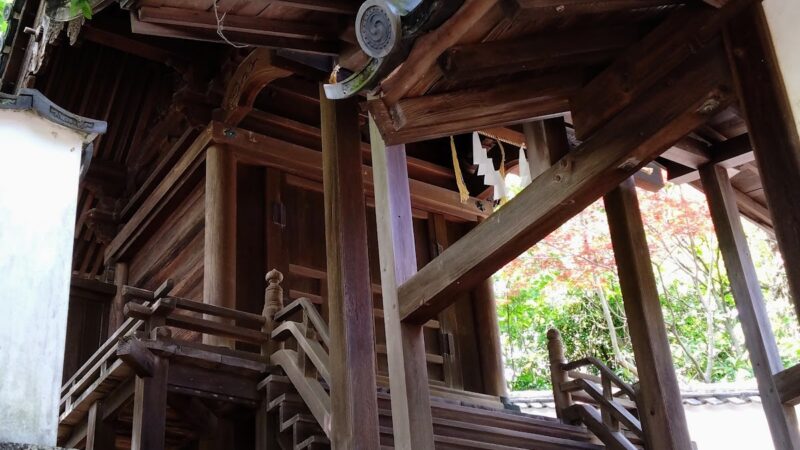
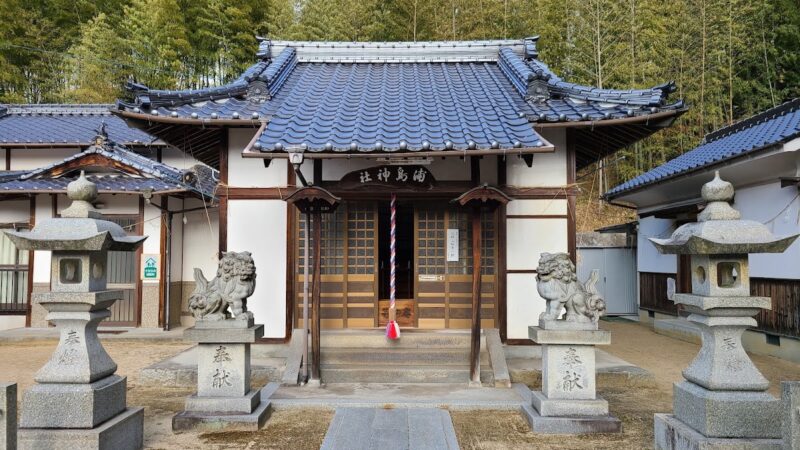
The simple yet charming main hall has an appearance that reflects the history of the region. Located near the sea, it has withstood the sea breeze and watched over the area for many years.
Offerings Related to Urashima Taro
Within the shrine grounds, you can see ema (votive tablets) and offerings related to Urashima Taro. Many feature turtles as a motif, and they embody the wishes of visitors.
Surrounding Scenery
One of the charms of Urashima Shrine is its location. Surrounded by the beautiful coastline and old townscape of Tomonoura, you can enjoy exploring the surrounding area in conjunction with your visit to the shrine.
Etiquette and Manners for Visiting a Shrine
Basic Etiquette for Visiting a Shrine
At Urashima Shrine, the same etiquette as for any other shrine is acceptable:
- Bow once before the torii gate
- Cleanse your hands and mouth at the water basin (omit this step if there is no water basin)
- Bow twice, clap twice, and bow once before the main hall
- Silently recite your wish
- Bow once again at the torii gate when leaving
Photography
Photography is generally permitted on the shrine grounds, but please be considerate of other visitors. It is considered good manners to refrain from taking photos inside the main hall.
Attire
There are no specific dress code requirements, but it is advisable to wear clothing appropriate for a sacred place. Since it is located by the sea, comfortable walking shoes are recommended.
Goshuin (Shrine Seal) and Amulet Information
About Goshuin (Shrine Seals)
Urashima Shrine is a small shrine, so there may not always be a resident priest. Those wishing to receive a Goshuin (temple/shrine stamp) are advised to check in advance or obtain information from other shrines around Tomonoura (such as Numaname Shrine).
Amulets and Souvenirs
The availability of amulets and souvenirs, and the types of souvenirs available, may vary depending on the time of year. If you want to be sure to obtain a souvenir, consider visiting nearby shrines such as Numaname Shrine.
Access Information
Access by Public Transportation
From JR Fukuyama Station
- By Bus
- Take the Tomo Railway Bus bound for “Tomo Port” from the JR Fukuyama Station bus terminal (approx. 30 minutes)
- Get off at the “Tomo Port” or “Tomonoura” bus stop
- Approximately 5-10 minutes on foot
- By Taxi
- Approximately 30 minutes from JR Fukuyama Station
- The fare is approximately 3,000-4,000 yen
Access by Car
From the Sanyo Expressway
- Approximately 30-40 minutes from Fukuyama East IC or Fukuyama West IC
- Take National Route 2 towards Tomonoura
Parking Information
There is no dedicated parking lot for Urashima Shrine. There are several paid parking lots in Tomonoura, so you will need to use one of them and walk to the shrine:
- Tomonoura Tourist Parking (Paid)
- Tomo Town Municipal Parking (Paid)
Parking lots get crowded on weekends and during tourist season, so early arrival is recommended.
Traffic Conditions in the Surrounding Area
Tomonoura is an old port town, so the roads are narrow and winding. Access for large vehicles can be difficult in some areas, so caution is advised.
Best Time and Time Required for Visiting
Recommended Season
Spring (March-May)
The mild climate is ideal for strolling. You can enjoy visiting the shrine while walking through the townscape of Tomonoura.
Autumn (September-November)
The annual festival is held in October. Visiting the shrine in the refreshing autumn weather is also very pleasant.
Summer (June-August)
You can experience the summer of the Seto Inland Sea, but don’t forget to take precautions against the heat and stay hydrated.
Winter (December-February)
While Seto Inland Sea winters are relatively mild, the sea breeze can be cold. Be sure to dress warmly.
Estimated Time Required
- Shrine Visit Only: 15-30 minutes
- Including a Stroll Through the Surrounding Area: 2-3 hours
- Entire Tomonoura Sightseeing: Half a day – 1 day
Nearby Tourist Attractions
After visiting Urashima Shrine, be sure to explore other tourist spots in Tomonoura.
Nunakuma Shrine
A representative shrine of Tomonoura, it features a Noh stage (a nationally important cultural property). It’s within walking distance of Urashima Shrine.
Taichoro
The guest hall of Fukuzenji Temple, offering a spectacular view of the Seto Inland Sea. Enjoy the scenery that was praised even by the Korean envoys.
Sensuijima Island
An island off the coast of Tomonoura, about a 5-minute ferry ride away. It is said to be the location of the Dragon Palace in the Urashima legend.
Tomonoura Townscape
An old townscape retaining the atmosphere of the Edo period is preserved. Historical buildings of the port town, such as stone lanterns, jetties, and boat inspection houses, are scattered throughout.
Io-ji Temple
An ancient temple founded in the Heian period, boasting a magnificent view from the Taishi-den (Prince’s Hall).
Tomonoura Gourmet Information
After visiting the temple, enjoy the unique cuisine of Tomonoura.
Sea Bream Dishes
Tomonoura is famous as a production area for sea bream. You can enjoy fresh sea bream dishes such as sea bream rice, sea bream somen noodles, and sea bream sashimi.
Homeishu (a type of medicinal sake)
A traditional medicinal sake from Tomonoura, brewed since the Edo period. Perfect as a souvenir.
Tomonoura Chikuwa (fish cake)
Locally made fish paste products are also a local specialty.
Annual Events and Festivals
Annual Festival (Second Sunday of October)
This is the most important festival of Urashima Shrine. Local residents gather, and traditional Shinto rituals are performed.
Other Events
Throughout Tomonoura, various events are held throughout the year, such as the “Tomonoura Bentenjima Fireworks Festival” in May and the “Otebi Shinto Ritual” in July.
Points to Note When Visiting Urashima Shrine
Understand that it is a small shrine
Urashima Shrine is not a large tourist shrine, but a small, community-based shrine. There may not always be a resident priest, and the shrine office may not be open.
Consideration for Local Residents
As the site is located near a residential area, please be mindful of noise and inconsiderate parking, and remember to be considerate of the local residents.
Impact of Weather
Due to its proximity to the sea, waves can be high during rough weather. Please check the weather forecast in advance, especially during typhoon season.
Narrow Roads
Tomonoura is an old town with narrow, winding streets. It can be difficult to navigate with large luggage or strollers in some areas.
Cultural Value of Urashima Shrine
Inheritance of Folk Beliefs
Urashima Shrine is an important cultural heritage site that preserves Japanese folklore. The story of Urashima Taro is not merely a folktale, but reflects the worldview and values of the Japanese people as a maritime nation.
Symbol of Regional Identity
For the people of Tomonoura, the Urashima legend is part of their regional identity. Through this shrine, the history and culture of the region are passed down to future generations.
Value as a Tourist Resource
In recent years, Tomonoura has gained attention as a setting for movies and anime, attracting many tourists. Urashima Shrine is one of its attractions, contributing to regional revitalization.
Examination of the Urashima Taro Legend
Universal Themes of the Story
The story of Urashima Taro contains universal themes such as the relativity of time, longing for and fear of other worlds, and nostalgia for lost time.
Interpretation as a Lesson
The story has been passed down for generations as a narrative from which various lessons can be gleaned, such as “the importance of keeping promises,” “the dangers of curiosity,” and “the gap between reality and ideals.”
Significance in Modern Times
In today’s fast-paced society, the story of Urashima Taro prompts us to reconsider “what time is” and “what happiness is.”
Historical Background of Tomonoura
An Important Port Since Ancient Times
Tomonoura flourished as a “port for waiting for the tide” since ancient times. Located at the turning point of the Seto Inland Sea’s currents, it was an important transit point for sea voyages. ### A Place Praised in the Manyoshu
Manyoshu poets, including Otomo no Tabito, visited Tomonoura and composed poems about it. It has long been known as a scenic spot.
Relationship with Korean Envoys
During the Edo period, it played an important role as a port where Korean envoys stopped. The view from Taichoro was praised as “the most beautiful scenery in eastern Japan.”
Modern Transformations
After the Meiji Restoration, port functions shifted to other ports, and it declined for a time. However, this conversely resulted in the preservation of the old townscape, leading to its current status as a tourist attraction.
Visitor Feedback and Reviews
Here are some comments from people who have actually visited Urashima Shrine:
- “It’s a small shrine, but I was deeply moved to be able to visit the site of the Urashima legend.”
- “I stopped by while strolling through the townscape of Tomonoura. It was refreshing being so close to the sea.”
- “I learned that this is a place associated with Urashima Taro, a legend I’ve known since childhood, so I visited with my child.”
- “Since there is no resident priest, I received my goshuin (shrine stamp) at another shrine.”
Summary: Points to Remember When Visiting Urashima Shrine
Urashima Shrine (Hiroshima Prefecture) is a unique and charming spot, associated with the legend of Urashima Taro, a legend known to all Japanese people.
Pre-Visit Checklist
- Understand that it is a small shrine: Don’t expect a large-scale tourist shrine; understand that it is a small, community-based shrine.
- Combine with Tomonoura sightseeing: Combining a visit to the shrine with sightseeing in Tomonoura as a whole will provide a more fulfilling experience.
- Consider using public transportation: Parking is limited, so consider using public transportation such as buses.
- Allow plenty of time: Tomonoura is worth exploring by leisurely strolling through its old townscape. Plan your visit with plenty of time to spare.
- Consider the season and weather: As it is a seaside shrine, the impression changes greatly depending on the weather. Visiting on a sunny day is recommended.
The Charm of Urashima Shrine
The greatest charm of Urashima Shrine lies in the connection between a traditional Japanese story and a real place. You can enjoy the beautiful scenery of the Seto Inland Sea while immersing yourself in the world of the story.
Urashima Shrine and its surrounding area offer a fulfilling experience: strolling through the historic townscape of Tomonoura, experiencing the legend of Urashima Taro, and savoring local cuisine.
When visiting Hiroshima Prefecture, be sure to extend your trip to Urashima Shrine in Tomonoura. A special experience awaits you, where traditional Japanese culture and beautiful nature harmonize.