Complete Guide to Mitsunari Hachiman Shrine (Hiroshima Prefecture) | History, Benefits, and Access Information
Mitsunari Hachiman Shrine, located in Mitsunari-cho, Miyoshi City, Hiroshima Prefecture, is a historic shrine that has been cherished by the local community for centuries. This article provides detailed information you should know before visiting, including the history of Mitsunari Hachiman Shrine, its enshrined deities, benefits, highlights of the grounds, annual events, and access methods.
What is Mitsunari Hachiman Shrine?
Mitsunari Hachiman Shrine is a shrine located in Mitsunari-cho, Miyoshi City, Hiroshima Prefecture, and has a long history as the local guardian shrine. Based on Hachiman faith, it enshrines Emperor Ojin as its main deity and has watched over the peace and development of the region.
Miyoshi City is located in the northern part of Hiroshima Prefecture and has flourished as a transportation hub since ancient times. The Mitsunari district retains its historical character, and Mitsunari Hachiman Shrine has played a central role in the local community.
History of Mitsunari Hachiman Shrine
Origin of Founding
While there are no clear records regarding the exact founding date of Mitsunari Hachiman Shrine, local tradition suggests it was established in its current location sometime between the medieval and early modern periods. Hachiman worship was a widespread form of faith throughout Japan, particularly revered within the samurai class.
The Miyoshi region was under the control of the Miyoshi clan during the medieval period and later became part of the Mori clan’s sphere of influence. Within this historical context, it is believed that Mitsunari Hachiman Shrine developed under the patronage of local samurai and feudal lords.
Development Since the Modern Era
The Meiji-era separation of Shinto and Buddhism brought about significant changes to shrines nationwide. Mitsunari Hachiman Shrine also received its official status as a local shrine during this period.
Despite the impact of war during the Showa era, the shrine buildings were maintained through the efforts of local residents, and it continues to serve as a spiritual pillar for the community to this day.
Deities and Blessings
Main Deity
The main deity of Mitsunari Hachiman Shrine is Emperor Ōjin. Emperor Ōjin was the 15th Emperor of Japan and is worshipped as Hachiman-sama at Hachiman shrines throughout Japan. He is known as the god of military fortune and victory, and has been revered by the samurai class since ancient times.
Enshrined Deities
Like many Hachiman shrines, the following deities may be enshrined at Mitsunari Hachiman Shrine:
- Empress Jingu: Mother of Emperor Ojin
- Himegami: Munakata Three Goddesses, etc.
Benefits
The main benefits you can receive at Mitsunari Hachiman Shrine are as follows:
- Long-lasting military fortune and good luck in competitions: The inherent divine virtue of Hachiman
- Family safety: Role as the guardian deity of the region
- Abundant harvest: An important prayer in agricultural areas
- Protection from misfortune and good fortune: Exorcism at life’s turning points
- Traffic safety: An important prayer in modern society
- Academic success: Watching over the growth of children
Highlights of the Shrine Grounds
Shrine Building
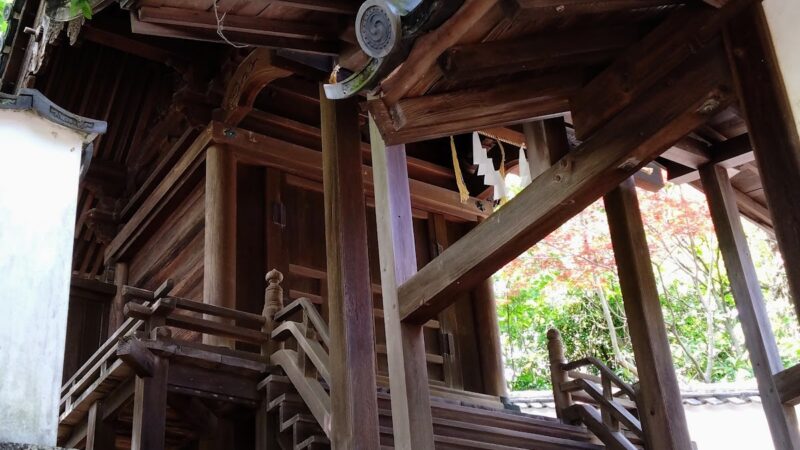
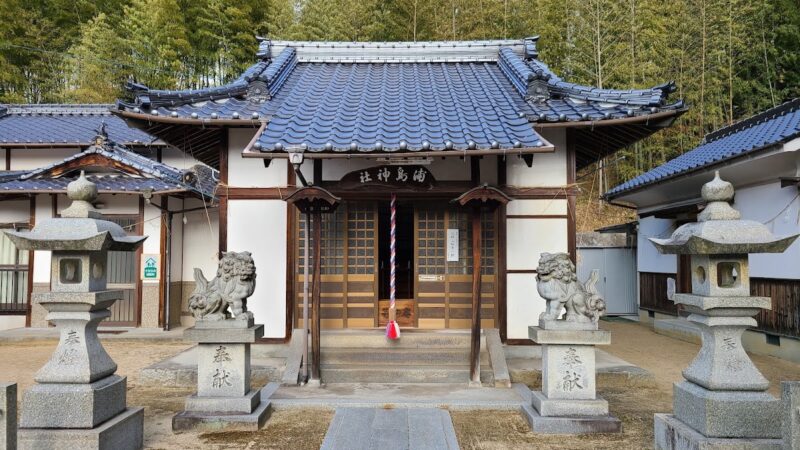
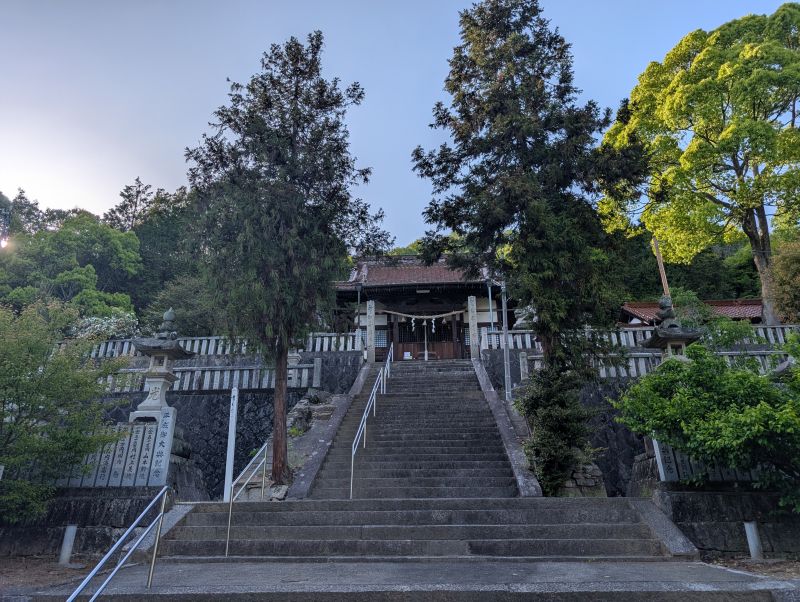
The shrine building of Mitsunari Hachiman Shrine preserves the traditional shrine architectural style of the region. The structure, consisting of the main shrine and the worship hall, has been carefully maintained as the center of local faith.
The area around the shrine is meticulously clean, maintaining a tranquil atmosphere. Worshippers can escape the hustle and bustle of everyday life and offer prayers in peace.
Subsidiary Shrines
Several subsidiary shrines may be enshrined around the main shrine. These shrines reflect the diversity of local beliefs and serve as places to address various wishes.
Sacred Trees and Nature
The shrine has ancient trees that have grown there for a long time, creating a sacred atmosphere within the grounds. Large trees, in particular, are revered as sacred trees and have watched over the shrine for centuries.
The changing nature of the grounds with each season allows worshippers to feel the passage of time.
Stone Steps and Approach
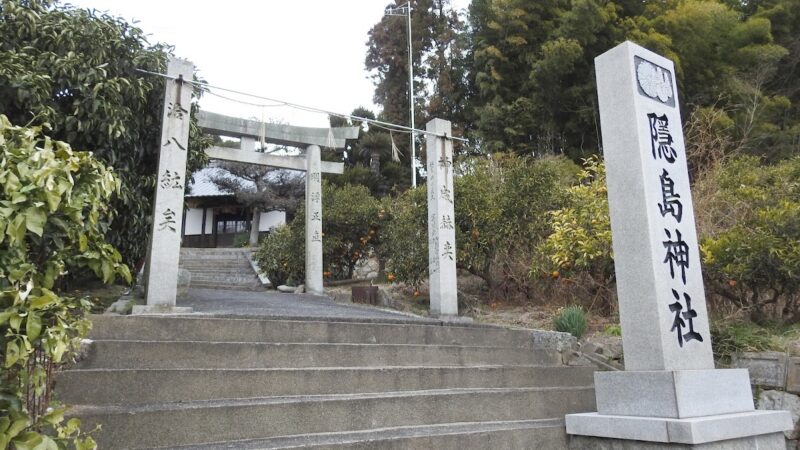
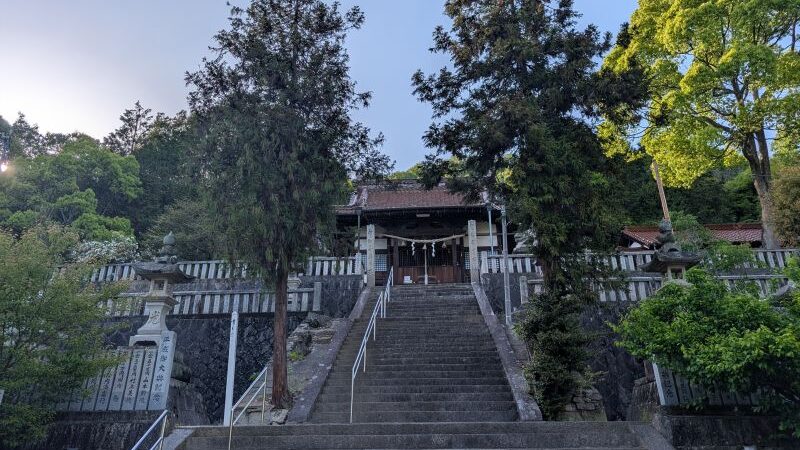
The approach to the shrine is an important space that separates everyday life from the sacred realm. Climbing the stone steps and preparing oneself before the altar naturally instills a sense of reverence.
Annual Events
Throughout the year, various Shinto rituals are performed at Mitsunari Hachiman Shrine. These events serve as important opportunities to preserve local traditions and deepen the bonds among residents.
Main Annual Events
- New Year’s Day Festival (January 1st): Celebrating the New Year and praying for peace throughout the year
- Spring Grand Festival: Celebrating the arrival of spring and praying for a bountiful harvest
- Summer Purification Ceremony (around June 30th): Purifying oneself of the impurities accumulated over the past six months
- Autumn Grand Festival: The most important festival, expressing gratitude for the harvest and repaying divine blessings
- Shichi-Go-San Festival (November): Celebrating the growth of children and praying for their healthy development
- Year-End Purification Ceremony (December 31st): Purifying oneself of the impurities accumulated over the year and preparing for the New Year
Characteristics of the Autumn Grand Festival
The Autumn Grand Festival is the most important festival of Mitsunari Hachiman Shrine. Local residents participate in the preparations, and there is a possibility of a portable shrine procession and dedication ceremonies. Through this festival, a sense of community is fostered, and traditions are passed down to future generations.
Etiquette for Worship
Here are the basic etiquette guidelines for visiting Mitsunari Hachiman Shrine.
Basic Worship Procedure
- Bow at the Torii Gate: Bow before passing through the torii gate to signal your entry into the sacred area.
- Purification at the Water Basin: If there is a water basin, purify your hands and mouth.
- Walking the Path: The center of the path is considered the path of the gods, so walk along the sides.
- Mannerisms in Front of the Main Hall:
- Quietly place your offering in the offering box.
- Ring the bell if there is one.
- Perform the two bows, two claps, and one bow (bow deeply twice, clap twice, bow deeply once).
- Visiting the Shrines Within the Grounds: After visiting the main shrine, also visit the shrines within the grounds.
- Bow Upon Exit: After leaving the torii gate, turn around and bow.
Mindset During Worship
Worship is not merely a formality; it is an act of expressing gratitude and respect to the gods. Let’s worship wholeheartedly, using this as an opportunity to express our gratitude and renew our own resolve.
Access Information
Location
Address: Miyoshi-cho, Miyoshi City, Hiroshima Prefecture
Transportation Access
Using Public Transportation
- Using JR:
- Get off at Miyoshi Station on the JR Geibi Line
- Take a bus or taxi from the station
- Travel time: Approximately 15-20 minutes from the station (may vary depending on traffic conditions)
- Using Bus:
- Take a Bihoku Kotsu bus or similar from Miyoshi Station
- Take a bus bound for Miyoshi
- A few minutes’ walk from the nearest bus stop
*Please check the timetable in advance, as bus services may be limited.
If you are traveling by private car
- From Hiroshima City:
- Approximately 10-15 minutes from the Miyoshi Interchange on the Chugoku Expressway
- Accessible via National Route 54
- From Matsue/Izumo:
- Use the Chugoku Expressway or National Route 54
- Go through Miyoshi city center to Mitsunari-cho
- Parking:
- There may be parking spaces near the shrine, but congestion is expected during festivals and other special occasions.
- Please refrain from street parking as it will inconvenience the neighbors.
Visiting Hours
The shrine grounds are generally open at all times, but the reception hours for the shrine office may be limited. Those wishing to obtain a Goshuin (shrine stamp) or amulet are advised to check in advance.
General visiting hours:
- Visiting hours: From sunrise to sunset
- Shrine office hours: Approximately 9:00 AM to 5:00 PM (may vary by shrine)
Nearby attractions
When visiting Mitsunari Hachiman Shrine, why not also explore the surrounding tourist spots?
Main Tourist Attractions in Miyoshi City
- Sea of Fog (Sea of Clouds in the Miyoshi Basin): A fantastical sea of clouds visible in the early morning from autumn to winter.
- Okuda Gensō & Koyume Art Museum: Exhibits works by Japanese painter Okuda Gensō and doll artist Okuda Koyume.
- Miyoshi Winery: Manufactures and sells Hiroshima Prefecture wine; tastings are also available.
- Ozekiyama Park: Known as a famous cherry blossom viewing spot, where visitors can enjoy nature throughout the seasons.
- Cormorant Fishing: A summer tradition in Miyoshi; enjoy watching cormorant fishing on the Masegawa River.
- Miyoshi Mononoke Museum: A museum themed on yokai (supernatural beings) and folk culture.
Charms of the Mitsunari District
The Mitsunari district is an area within Miyoshi City that retains a historical atmosphere. With its sprawling rural landscape and scattered shrines, temples, and historical sites, you can experience the quintessential Japanese scenery.
The Charm of Mitsunari Hachiman Shrine
A Faith Rooted in the Community
The greatest charm of Mitsunari Hachiman Shrine lies in its deep-rooted connection to the local community. Unlike large-scale tourist shrines, it remains a cherished object of daily faith for local residents.
The festivals and events passed down through generations are not merely traditions, but play a vital role in strengthening community bonds.
A Tranquil Worship Environment
Another charm of Mitsunari Hachiman Shrine is its quiet environment, far removed from the hustle and bustle of the city, allowing for peaceful worship. Because it is rarely crowded with tourists, visitors can quietly connect with the deities.
Beauty in the Seasons
The natural beauty of the shrine grounds changes with the seasons, delighting visitors. From the fresh greenery of spring, the deep green of summer, the vibrant autumn leaves, to the tranquility of winter, visitors can enjoy different landscapes in each season.
Precautions When Visiting the Shrine
Please Observe Proper Manners When Visiting
- Dress Code: As this is a sacred place, please avoid overly revealing clothing.
- Photography: Photography is generally permitted on the shrine grounds, but there may be restrictions inside the main hall or during festivals.
- Noise: Please refrain from loud conversations or disruptive behavior.
- Garbage: Please take all your trash with you.
- Pets: Pet policies vary by shrine, so we recommend checking in advance.
Visiting During Festivals
During major festivals such as the Autumn Grand Festival, there may be different visiting rules and time restrictions than usual. Also, parking lots are expected to be crowded, so we recommend using public transportation or arriving early.
The Future of Mitsunari Hachiman Shrine
A Shrine Walking Together with the Community
In regional cities facing declining birth rates and an aging population, maintaining shrines is a major challenge. However, Mitsunari Hachiman Shrine, with the cooperation of local residents, is striving to adapt to the new era while preserving tradition. ### Passing on to the Next Generation
Promoting the participation of younger generations in festival events and passing on traditional culture to future generations is crucial. It is hoped that opportunities for younger generations to become familiar with the shrine will be increased through collaboration with local schools and events for children.
Summary
Mitsunari Hachiman Shrine is a historic shrine located in Mitsunari-cho, Miyoshi City, Hiroshima Prefecture. It enshrines Emperor Ojin as its main deity and is believed to offer blessings for military success, family safety, and abundant harvests.
As a place of deep-rooted faith in the community, it offers a tranquil environment for worship and allows visitors to enjoy the beauty of nature throughout the seasons. When visiting Miyoshi City, be sure to visit Mitsunari Hachiman Shrine and experience the history and culture of the region.
Through worship, you can experience traditional Japanese faith and find peace of mind. Why not offer a quiet prayer at this shrine that has been carefully preserved by the local people?