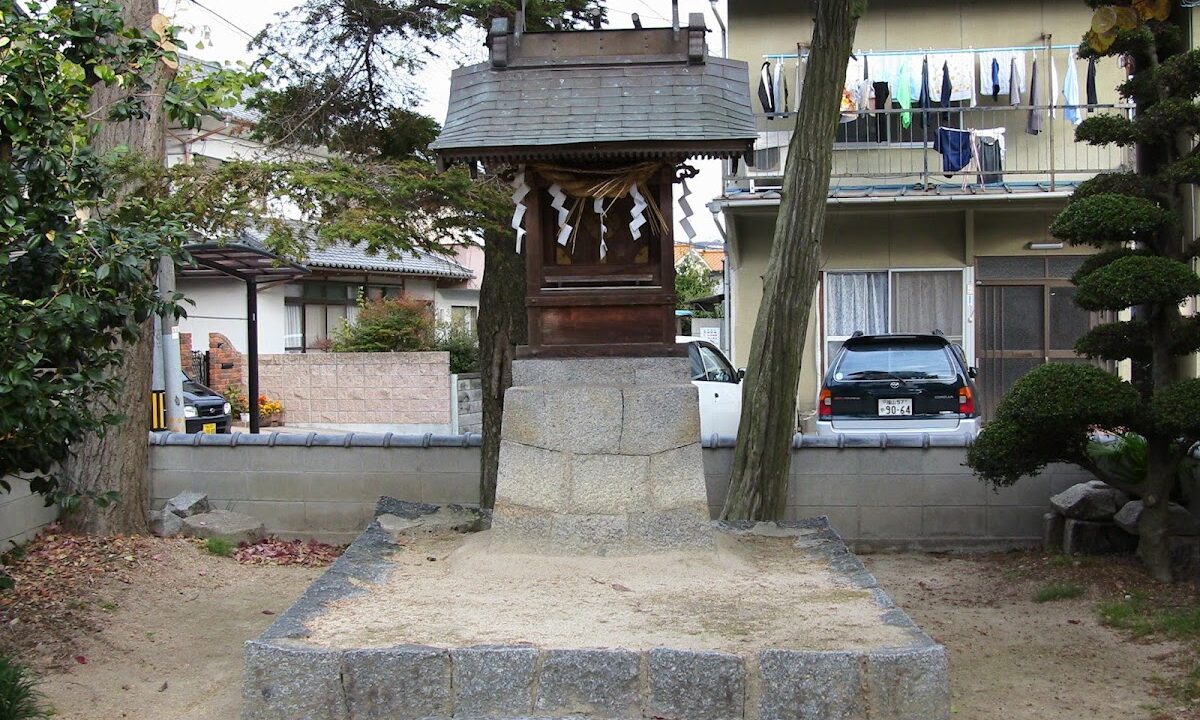
Complete Guide to Kakumei Shrine (Mukaijima-cho, Onomichi City, Hiroshima Prefecture) | A Historic Shrine Dedicated to a Retainer of Kiso Yoshinaka
Located in Mukaijima-cho, Onomichi City, Hiroshima Prefecture, Kakumei Shrine is a rare historical shrine nationwide, dedicated to Daibubo Kakumei, a monk and warrior who served Kiso Yoshinaka, a military commander of the late Heian period. The legend of the fugitives who survived the turbulent times of the Genpei War and the stories of the people who dedicated themselves to developing this land still live on here.
Overview and History of Kakumei Shrine
Origins and History of the Shrine
The history of Kakumei Shrine dates back to the Genpei War at the end of the Heian period. In 1184 (Juei 3), after Kiso Yoshinaka was killed in the Battle of Awazu, his son Yoshishige and over 30 retainers, including the warrior monk Daibubo Kakumyo who had served as Yoshinaka’s close confidant, fled to Mukaijima Island in the Seto Inland Sea to escape their pursuers.
Upon arriving on Mukaijima, the group decided to settle there and began developing the then-undeveloped land. They are said to have dedicated themselves to the development of the region, cultivating farmland, establishing irrigation facilities, and providing agricultural guidance to the residents.
Later, Yoshishige and Kakumyo returned to their hometown of Kiso, but the remaining retainers settled in the area and built a shrine in memory of Kakumyo, their benefactor in the development of the land. Even today, descendants of those retainers continue to manage the shrine, preserving its history for over 800 years.
Who was Daibubo Kakumyo?
Daibubo Kakumyo was a warrior monk who served Kiso Yoshinaka and was known for his exceptional martial arts skills. Despite being a monk, Kakumyo was also a military commander and is sometimes counted as one of Yoshinaka’s Four Heavenly Kings, playing a central role in Yoshinaka’s army.
Kakumyo, who appears in the *Tale of the Heike*, is said to have fought alongside Yoshinaka to the end at the Battle of Awazu, or to have survived and escaped to Mukaijima. According to Mukaijima’s legend, Kakumyo crossed the Seto Inland Sea while protecting Yoshinaka’s orphaned son, Yoshishige, and built a new life in this area.
Kakumyo is described as a man of both military prowess and literary skills, well-versed in agriculture and civil engineering, and is believed to have played a leading role in the development of Mukaijima.
The Connection Between Kiso Yoshinaka and Mukaijima
Kiso Yoshinaka was a heroic warrior who, as the leader of the Minamoto clan, rose up to overthrow the Taira clan and even briefly seized control of Kyoto. However, due to political blunders and conflicts with Minamoto no Yoritomo, he was driven out of the capital after only a few months and died in battle at Awazu in Omi Province (present-day Otsu City, Shiga Prefecture).
After Yoshinaka’s death, his family and retainers scattered throughout the country, leaving behind many legends of fugitives. The legend passed down at Kakumei Shrine in Mukaijima is one such legend, and it is believed that the geographical location of the Seto Inland Sea was advantageous in escaping pursuers.
Mukaijima has long been a key point for maritime transportation and still occupies an important position as part of the Shimanami Kaido. Even in the late Heian period, travel by sea was possible, which explains why Yoshinaka’s retainers chose this location.
Basic Information about Kakumei Shrine
Location/Address
Address: Mukaijima-cho, Onomichi City, Hiroshima Prefecture
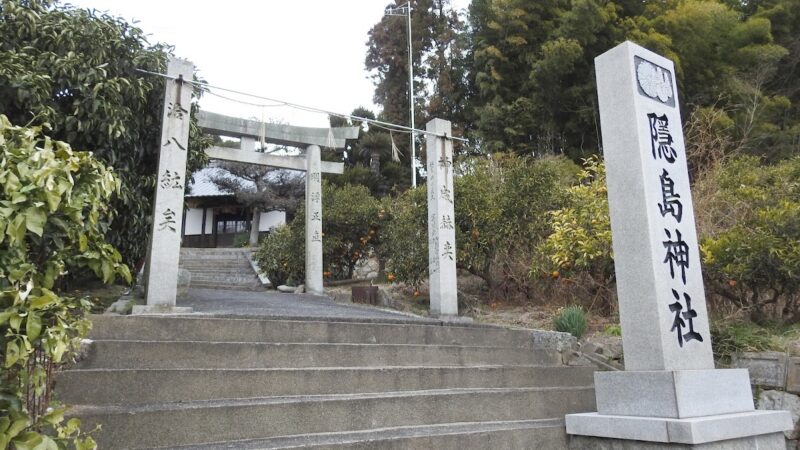
Kakumei Shrine is located in Mukaijima-cho, across from Onomichi City. Mukaijima is connected to Onomichi city center by the Onomichi Bridge and is known as the starting point of the Shimanami Kaido. The shrine stands quietly within the residential area of Mukaijima-cho and is carefully preserved by the local people.
Access Methods
Access by Car
- From Shimanami Kaido “Mukaijima IC”: Approximately 5 minutes by car
- From Onomichi city center: Approximately 10 minutes via the Onomichi Bridge
When using a car navigation system, it is recommended to search for “Kakumei Shrine, Mukaijima-cho, Onomichi City”. However, since the surrounding area is residential, there are some narrow roads, so caution is required when driving.
Access by Public Transportation
- From JR Onomichi Station: Take a bus towards Mukaijima and walk from the nearest bus stop.
- From Onomichi Port: It is also possible to take a ferry to Mukaijima.
There are several ways to access Mukaijima from Onomichi city center, but it is recommended to check the detailed route to the shrine in advance.
Parking
Kakumei Shrine does not have its own parking lot. When visiting, please be considerate of the neighbors. If you are visiting by car, please note the following:
- Avoid street parking as the area around the shrine is residential.
- Use a public parking lot in Mukaijima town and walk from there to the shrine.
- Consider using public transportation if possible.
Especially during festivals, there will be many vehicles belonging to local residents, so it is recommended to visit earlier in the day or use public transportation.
Highlights and Features of Kakumei Shrine
Atmosphere of the Shrine Grounds
Kakumei Shrine is located in a quiet residential area of Mukojima-cho. While small in size, it possesses a solemn atmosphere that reflects its more than 800-year history.
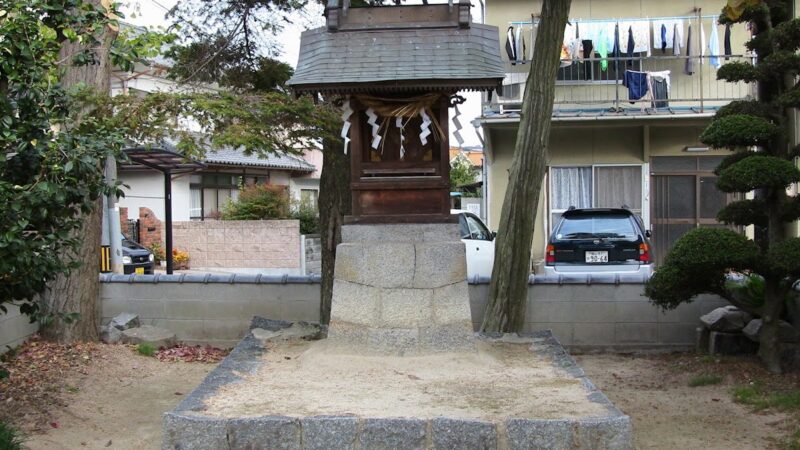
The shrine grounds are meticulously maintained by local parishioners and are impeccably clean. Although not a large shrine, it offers a warm, community-oriented atmosphere.
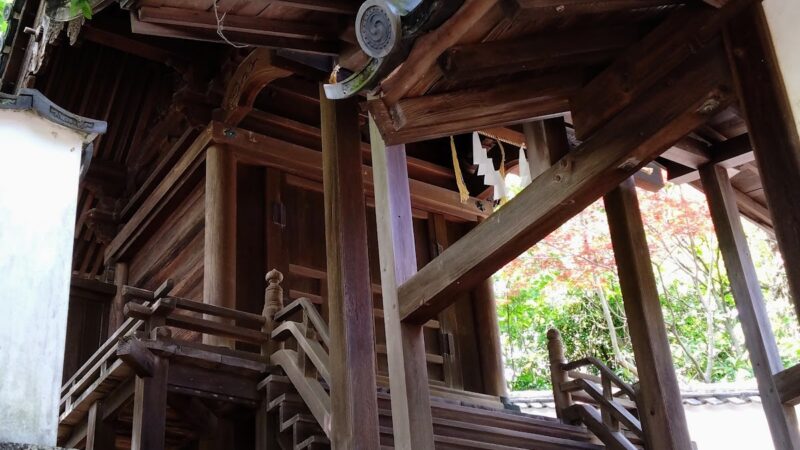
The shrine building, though relatively small, maintains the traditional style of shrine architecture and holds value as a valuable cultural asset, conveying the history of the area pioneered by the retainers of Kiso Yoshinaka.
Deity and Divine Virtues
Deity: Daibubo Kakumei
Daibubo Kakumei, the deity enshrined at Kakumei Shrine, is revered as a figure possessing both bravery and wisdom. His divine virtues are said to include the following:
- Good Fortune and Prosperity: Due to Kakumei’s achievements in successfully pioneering a new land.
- Academic Success: Due to his academic proficiency as a Buddhist monk.
- Long-lasting Military Fortune: Due to his skill as a warrior.
- Regional Peace and Security: Due to his efforts in land development and improving the lives of residents.
In particular, Kakumei’s life, in which he overcame difficult circumstances and forged a new life, is revered as an inspiring figure for people at turning points in their own lives.
Annual Events and Festivals
At Kakumei Shrine, various events are held throughout the year by the local parishioners. While not large in scale, one can feel the weight of history in the way the local people continue to uphold tradition.
Major annual events include the Grand Festival and the New Year’s Festival, but it is recommended to check the specific dates before visiting.
History and Culture of Mukaijima Town
Geographical Characteristics of Mukaijima
Mukaijima is an island of approximately 22 square kilometers located across from the city of Onomichi. Currently, it is connected to Honshu and Innoshima by the Onomichi Bridge and the Mukaijima Bridge, playing an important role as part of the Shimanami Kaido.
The island’s topography is relatively flat in many areas, and agriculture and fishing have been practiced there since ancient times. Supported by the mild climate of the Seto Inland Sea and the bounty of the sea, it is a region that has fostered its own unique culture.
Historical Background of Mukaijima
Mukaijima has a long history, and has been considered important as a key point for maritime traffic in the Seto Inland Sea since ancient times. At the end of the Heian period, as seen in the history of Kakumei Shrine, there is a legend that refugees from the Genpei War settled there.
From the medieval period onward, along with the development of Onomichi as a port town, Mukaijima also prospered through shipping and shipbuilding. During the Edo period, Mukaijima was known as a port of call for Kitamae-bune (northern route trading ships), and many merchants and sailors came and went.
In modern times, the shipbuilding industry further developed, and Mukaijima became known as one of the leading shipbuilding islands in Hiroshima Prefecture. Even today, shipbuilding-related industries remain one of the island’s main industries.
Mukaijima Tourist Spots
When visiting Kakumei Shrine, a more fulfilling trip can be made by also visiting other tourist spots in Mukaijima town.
- Mukaijima Orchid Center: A facility for cultivating and exhibiting Western orchids
- Takamiyama Observatory: A scenic spot offering panoramic views of the islands of the Seto Inland Sea
- Mukaijima Coastline: Ideal for cycling and strolling
- Hoshio Beach: Bustling with beachgoers in the summer
The Shimanami Kaido cycling route also passes through Mukaijima, and the number of tourists exploring the island by bicycle is increasing.
Kakumei Shrine and Historical Sites Related to Kiso Yoshinaka
Historical Sites Related to Kiso Yoshinaka Nationwide
Historical sites related to Kiso Yoshinaka are scattered throughout Japan. Visiting these sites as a journey tracing Yoshinaka’s life is popular among history enthusiasts.
- Gichūji Temple (Ōtsu City, Shiga Prefecture): Yoshinaka’s tomb is located here, and Matsuo Bashō is also buried here.
- Kiso Yoshinaka Museum (Kiso Town, Nagano Prefecture): A museum built on the land where Yoshinaka grew up.
- Kurikara Pass (Border of Ishikawa and Toyama Prefectures): The ancient battlefield where Yoshinaka defeated the Taira army.
- Awazu Battle Site (Ōtsu City, Shiga Prefecture): The site of Yoshinaka’s final moments.
Kakumei Shrine occupies a unique position among these related historical sites as a valuable historical site that tells the story of the fate of Yoshinaka’s retainers after his death.
Legends of Fugitives and Japanese Culture
Legends of fugitives remaining throughout Japan are valuable folk traditions that tell the stories of how those who lost in history survived and built new lives in new lands.
The legend of Kakumei Shrine is one such legend, and it is not merely a story of defeat, but a story that celebrates the efforts and wisdom of those who overcame difficulties and pioneered new lands.
Such traditions are an important element in forming regional identity and are cherished as a source of pride for local residents even today.
Points to Note and Manners When Visiting a Shrine
Basic Manners for Visiting a Shrine
When visiting Kakumei Shrine, please observe general shrine visiting manners.
- When passing through the torii gate: Bow before entering the shrine grounds.
- How to walk along the approach to the shrine: Walk along the sides, as the center is considered the path of the gods.
- How to purify yourself at the purification fountain: Cleanse your left hand, then your right hand, then your mouth.
- Worship at the main hall: The basic procedure is two bows, two claps, and one bow.
- Behavior within the shrine grounds: Be quiet and respectful.
Considerations unique to a small shrine
Kakumei Shrine is not a large tourist shrine, but a small shrine protected by local parishioners. Therefore, the following points require special attention.
- Regarding Photography: Photography is permitted on the shrine grounds, but please be considerate of the surrounding area as it is also a residential area.
- Noise: As it is located in a quiet residential area, please refrain from loud conversations.
- Garbage: Please take all your trash with you.
- Parking: As mentioned above, there is no dedicated parking lot, so please be considerate of the neighbors.
Suitable Time and Season for Visiting
Kakumei Shrine is open for worship at all times, but please consider the following points:
- Time of Day: Early morning to evening is recommended.
- Season: Due to the mild climate of the Seto Inland Sea, it is possible to visit throughout the year, but spring and autumn are particularly pleasant.
- Weather: Please be careful as the ground may be slippery in rainy weather.
Onomichi/Mukaijima Area Tourist Information
Attractions in Onomichi City
When visiting Kakumei Shrine, you can also enjoy sightseeing in Onomichi city.
- Senkoji Temple: A historic temple representative of Onomichi, offering magnificent views from the mountaintop.
- Onomichi Hondori Shopping Street: A shopping street with a retro atmosphere.
- Cat’s Alley: A narrow alley dotted with cat-themed art installations.
- Literary Path: A row of stone monuments inscribed with works by literary figures associated with Onomichi.
The Charm of the Shimanami Kaido
Mukaijima Island is located at the starting point of the Shimanami Kaido and is a mecca for cycling, attracting many tourists from both Japan and abroad.
- Approximately 70km in length: Connecting six islands by bridges from Onomichi to Imabari
- Cycling Road: Enjoyable for beginners to advanced cyclists
- Scenic Viewpoints: The views of the Seto Inland Sea from each bridge are breathtaking
- Unique Island Characteristics: Each island has its own unique culture and attractions
Onomichi/Mukaijima Gourmet
The region’s unique cuisine, including dishes made with fresh seafood from the Seto Inland Sea and Onomichi ramen, is a major draw.
- Onomichi Ramen: Characterized by a soy sauce-based soup with pork back fat
- Conger Eel Dishes: Conger eel from the Seto Inland Sea is exquisite
- Oyster Dishes: Hiroshima’s famous oysters prepared in various ways
- Citrus Fruits: A wide variety of citrus fruits are cultivated on the islands of the Seto Inland Sea
Access Map to Kakumei Shrine
The specific route to Kakumei Shrine varies depending on your starting point, but we will introduce the main routes.
From Hiroshima City
Take the Sanyo Expressway, exit at Onomichi IC, then take National Route 2 and cross the Onomichi Bridge to Mukaijima. The journey takes approximately 1 hour and 30 minutes.
From Fukuyama City
From Fukuyama-Nishi IC on the Sanyo Expressway, head towards Onomichi, then take National Route 2 to Mukaijima. The journey takes approximately 30 minutes.
From Imabari (via Shimanami Kaido)
Head north on the Shimanami Kaido and exit at Mukaijima IC. The shrine is approximately 5 minutes away. It’s possible to stop by during a cycling trip.
Accommodation near Kakumei Shrine
There are various types of accommodations available in Mukaijima town and Onomichi city.
Hotels and Ryokans in Onomichi City
- Traditional Ryokan: Traditional inns where you can feel the history of Onomichi
- Business Hotels: Affordable and conveniently located
- Guest Houses: Popular with young people and foreign tourists
- Luxury Hotels: Hotels with spectacular views of the Seto Inland Sea
Accommodations along the Shimanami Kaido
There are many accommodations popular with cyclists, and bicycle storage services are also available.
Summary: The Charm and Value of Kakumei Shrine
Kakumei Shrine is a historically valuable shrine that tells the story of people who survived the turbulent times of the Genpei War at the end of the Heian period. The achievements of Kakumei and Yoshishige, retainers of Kiso Yoshinaka, and over 30 other retainers, who built a new life in Mukaijima and dedicated themselves to land development, are still recounted by the local people more than 800 years later.
While not a large-scale tourist shrine, this small, community-rooted shrine possesses a warmth and historical significance that can only be felt here. The fact that descendants of retainers have continuously protected the shrine for generations speaks volumes about the depth of history and tradition deeply rooted in this land.
When visiting the Onomichi and Mukaijima area, why not visit not only famous tourist spots like Senkoji Temple and Onomichi Hondori Shopping Street, but also these small shrines that tell the history of the region? A quiet visit to Kakumei Shrine will be a memorable experience, allowing you to feel the profoundness of history and the wisdom and courage of those who overcame hardship.
By extending your trip a little during cycling along the Shimanami Kaido or sightseeing in Onomichi, you can gain a deeper understanding of the region’s history and culture. Enjoy the beautiful scenery of the Seto Inland Sea and a peaceful moment at this shrine steeped in 800 years of history.